FIP Treatment in Cats: Understanding Emerging Antiviral Options Including Molnupiravir and Paxlovid


FIP Treatment in Cats: Understanding Emerging Antiviral Options Including Molnupiravir and Paxlovid
Critical Veterinary & Legal Notice
Feline Infectious Peritonitis (FIP) is a severe, historically fatal viral disease in domestic cats. The use of human small-molecule antiviral compounds—such as Molnupiravir and the components found in Paxlovid—for treating FIP represents an emerging, rapidly evolving field of veterinary medicine. These medications must only be administered under the close supervision of a licensed veterinarian specializing in companion animal infectious diseases. Always ensure compliance with agricultural and veterinary regulatory bodies within your country.
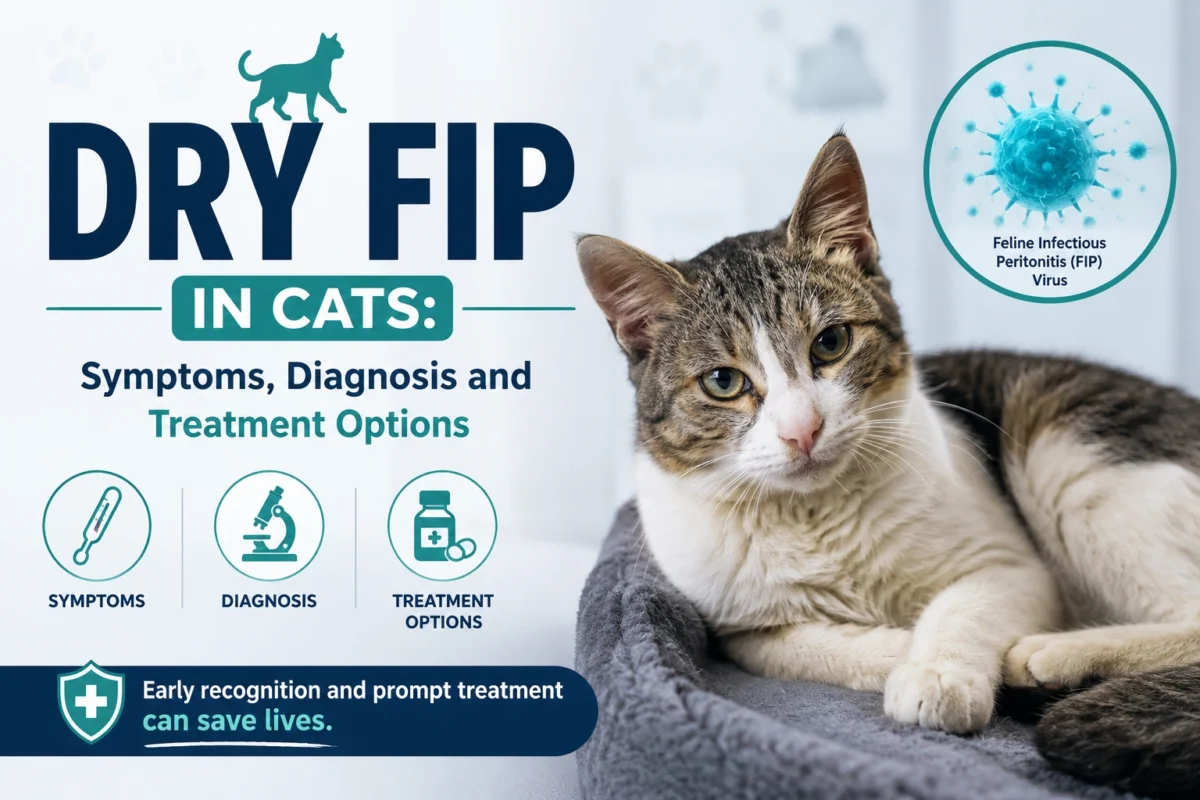
Feline Infectious Peritonitis (FIP) has long been one of the most feared diagnoses in veterinary medicine. Caused by an aberrant immune response to Feline Coronavirus (FCoV), this disease classically presented in two forms: the “effusive” (wet) form, characterized by fluid accumulation in the abdomen or thorax, and the “non-effusive” (dry) form, which causes granulomatous lesions in various organs, including the eyes and central nervous system. Until recently, a diagnosis of FIP was considered an absolute terminal death sentence.
The landscape changed dramatically with the introduction of targeted, small-molecule antiviral drugs. Following the clinical success of early viral RNA-dependent RNA polymerase inhibitors like GS-441524, veterinary researchers began exploring other human-grade, broad-spectrum antiviral options. Today, emerging protocols heavily feature advanced oral nucleoside analogues and protease inhibitors, which offer potent alternatives for managing drug-resistant FIP mutations or severe clinical relapses.
Understanding these emerging options requires a deep look at viral replication mechanisms, proper weight-adjusted dosing guidelines, potential side effects, and safe application strategies. This reference guide details the clinical roles of modern antiviral compounds, including Molnupiravir and Paxlovid combinations, in contemporary feline urological and systemic therapy.
The Breakthrough: How Small-Molecule Antivirals Halt FCoV
Feline Coronavirus is an enveloped, positive-sense single-stranded RNA virus. When FCoV mutates within an individual cat to cause FIP, it replicates rapidly inside macrophages, spreading inflammation throughout the body. To stop this progression, medications must interfere with the virus’s ability to replicate its genetic material or assemble its structural proteins.
Modern veterinary pharmacology utilizes two primary mechanistic pathways borrowed from human medicine to halt this replication cascade:
- RNA-Dependent RNA Polymerase (RdRp) Inhibition: Introducing faulty genetic building blocks (nucleoside analogues) that force the viral replication machinery to stall, introducing lethal mutations into the virus’s genetic code.
- 3C-Like Protease (3CLpro) Inhibition: Blocking the essential enzymes the virus needs to cut large polyproteins into functional units, preventing the assembly of new, infectious viral particles.
Molnupiravir: The Advanced Nucleoside Analogue
Molnupiravir functions as a prodrug to the active nucleoside analogue N4-hydroxycytidine. When a cat ingests this compound, the drug is converted inside cells into an alternative building block that the virus mistakenly incorporates into its RNA strands during replication. This process induces “error catastrophe,” causing the virus to accumulate so many genetic mistakes that it can no longer survive or replicate.
In veterinary protocols, Molnupiravir Capsules 200 Mg – Generic Lagevrio have become a critical asset for veterinarians handling complex FIP cases. It is frequently reserved as a first-line treatment for cats that fail to respond to standard therapies, or as a rescue option for sudden neurological relapses.
Because human capsules are manufactured in a standard 200 mg strength, veterinary compounding or precise split-dosing calculations are necessary to accurately match a feline patient’s typical daily requirements. For a thorough review of how these nucleoside analogues operate on a molecular level, you can explore the peer-reviewed NCBI PMC Molnupiravir Antiviral Mechanism Study.
Paxlovid Combinations: The Protease Inhibition Approach
The second major milestone in emerging FIP care involves targeting the main viral protease (3CLpro) through compounds structurally related to Paxlovid (a combination of Nirmatrelvir and Ritonavir). Nirmatrelvir directly binds to the virus’s processing enzymes, shutting down its assembly line. At the same time, Ritonavir acts as a metabolic booster, temporarily slowing down liver enzymes to keep the active antiviral working in the body longer.
Veterinarians look to options like Paxobrook Tablets – Generic Paxlovid when designing multi-layered, combination protocols for severe FIP. By blocking both the virus’s processing enzymes and its assembly line simultaneously, combination therapies provide a highly effective defense that makes it much harder for the virus to develop drug resistance.
Clinical Monitoring: What to Expect During Antiviral Therapy
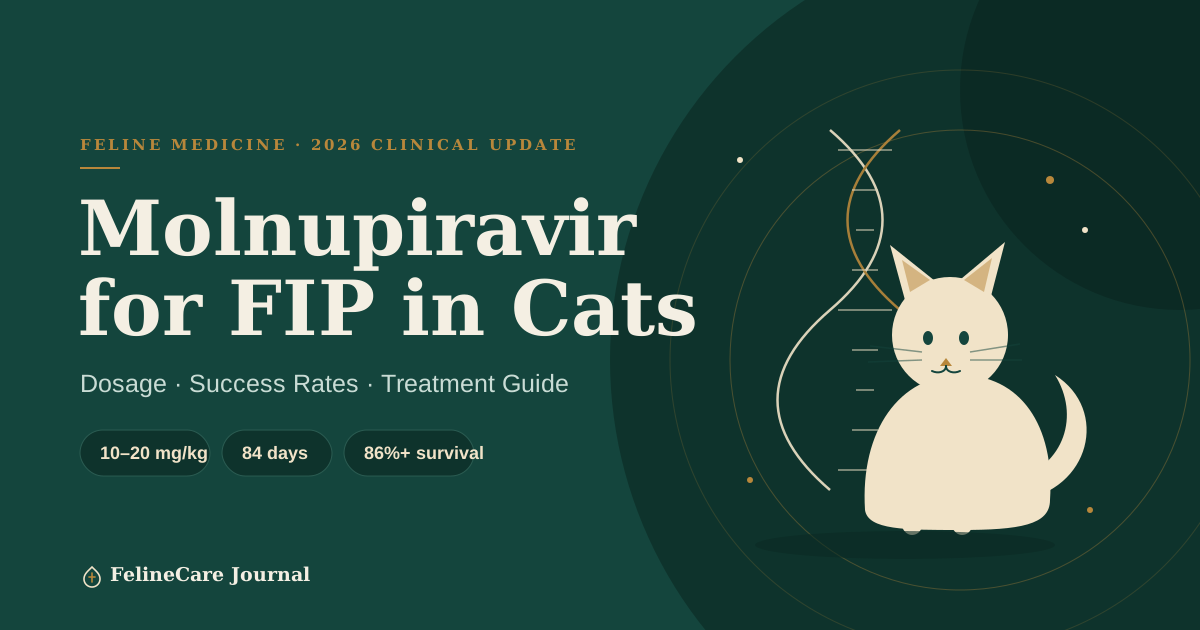
Antiviral treatments for FIP require an intensive, uninterrupted 84-day cycle. The table below outlines the typical clinical progression observed in feline patients under proper veterinary care:
| Phase / Timeline | Expected Clinical & Biological Changes | Monitoring & Safety Requirements |
|---|---|---|
| Days 1 to 7 (Initialization) | Rapid drop in fever. Effusive fluid stops accumulating, and the cat’s energy and appetite improve significantly. | Monitor weight daily. Doses must be dynamically adjusted whenever the cat gains weight. |
| Days 8 to 28 (Stabilization) | Complete absorption of abdominal or thoracic fluids. Baseline blood values begin to balance out. | Perform comprehensive blood counts (CBC) and check internal organ health at the 4-week mark. |
| Days 29 to 84 (Consolidation) | Complete elimination of hidden viral pockets. Muscle mass returns, and the cat shows normal behavior. | Ensure strict adherence to daily dosing schedules. Missing a dose can allow the virus to mutate. |
Managing Side Effects and Feline Safety Profiles
While these human antiviral compounds are highly effective at saving lives, they require careful monitoring due to potential side effects in cats.
Key Feline Antiviral Side Effects
1. Temporary Liver Enzyme Elevation: High-potency antivirals put extra stress on liver clearance pathways. Regular blood tests are necessary to catch early signs of tissue stress, and veterinarians often prescribe liver support supplements like SAMe or Milk Thistle throughout the treatment cycle.
2. Dose-Dependent Neutropenia: When using Molnupiravir at very high doses, some cats can experience a temporary drop in white blood cells (neutropenia). This issue can be managed easily by having your vet carefully adjust the daily dosage down to a safer baseline level.
3. Mild Digestive Upset: Transient nausea, occasional vomiting, or mild diarrhea can occur during the first few days of treatment. Giving the medication with a small amount of wet food usually resolves these digestive issues.
For a deeper look into treatment protocols and safety benchmarks, you can consult the global Journal of Feline Medicine and Surgery (JFMS) FIP Guidelines.
FIP Treatment Success Checklist
Maximize your cat’s recovery odds by closely following these vital care rules:
- ✔️ Never Miss a Dose: Keep a strict, identical daily dosing schedule to prevent the virus from mutating.
- ✔️ Track Weight Daily: FIP cats recover weight quickly; always adjust the dose to match their new weight class.
- ✔️ Run Regular Blood Tests: Schedule complete blood counts and organ panels every 4 weeks to monitor internal safety.
- ✔️ Eliminate Stress: Keep your recovering cat in a calm, warm, and isolated indoor space throughout the 84-day treatment window.
- ✔️ Work with a Vet: Only use these advanced human antiviral options under direct, expert veterinary supervision.