




Acarbose Tablets 25 Mg
Price range: $38.00 through $102.00
Select options
This product has multiple variants. The options may be chosen on the product page

Acarbose Tablets 50 Mg
Price range: $42.00 through $114.00
Select options
This product has multiple variants. The options may be chosen on the product page
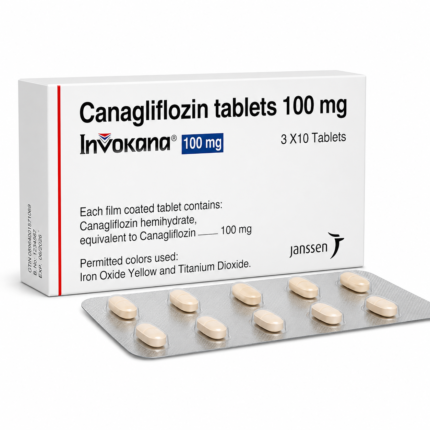
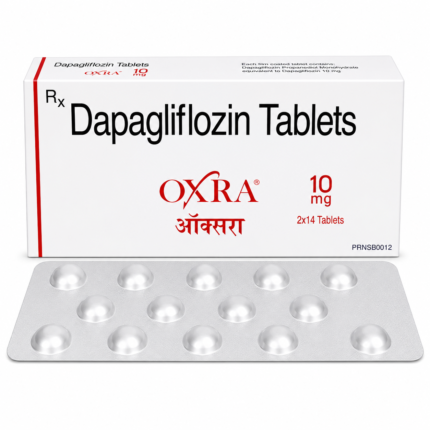
Dapagliflozin 10mg
Price range: $112.00 through $403.20
Select options
This product has multiple variants. The options may be chosen on the product page
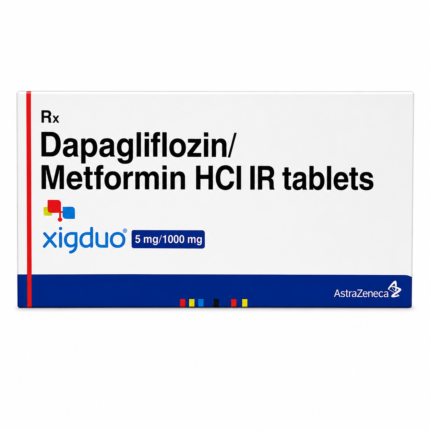
Dapagliflozin 5 Mg & Metformin 1000mg
Price range: $46.20 through $184.80
Select options
This product has multiple variants. The options may be chosen on the product page
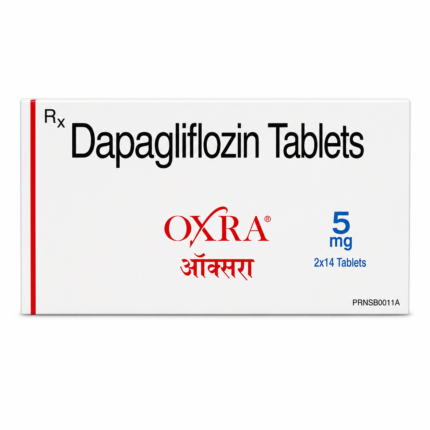
Dapagliflozin 5mg
Price range: $89.60 through $335.00
Select options
This product has multiple variants. The options may be chosen on the product page
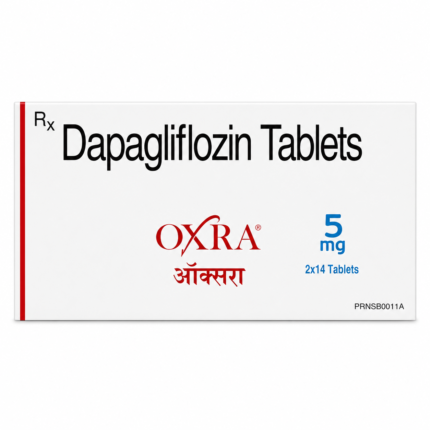
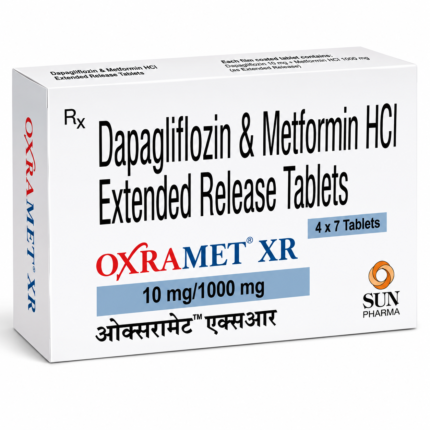
Dapagliflozin-Metformin 10mg-1000mg
Price range: $56.00 through $224.00
Select options
This product has multiple variants. The options may be chosen on the product page
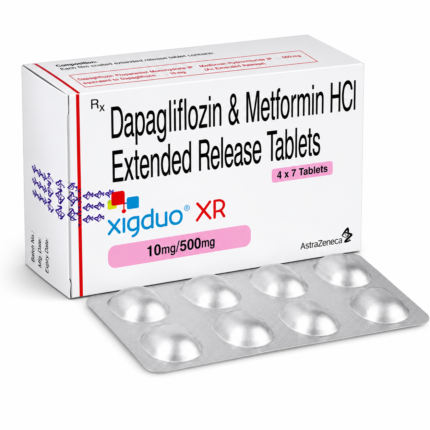
Dapagliflozin-Metformin 10mg-500mg
Price range: $50.40 through $201.60
Select options
This product has multiple variants. The options may be chosen on the product page


Diabetes – Janumet Tablets 50/500 Mg
Price range: $68.00 through $180.00
Select options
This product has multiple variants. The options may be chosen on the product page

Diabetes: Effective Treatments, Modern Care & Complete Management Guide
Diabetes is a chronic metabolic condition that affects how the body processes blood glucose (sugar). With rising global prevalence, it has become one of the most significant long-term health conditions requiring continuous care, monitoring, and lifestyle management. With the right combination of medication, technology, and healthy living, individuals can effectively manage diabetes and lead a healthy, active life.
What is Diabetes?
Diabetes occurs when the body either does not produce enough insulin or cannot effectively use it. Insulin is a hormone responsible for helping glucose enter cells to be used as energy. When this process is disrupted, glucose builds up in the bloodstream, leading to high blood sugar levels (hyperglycemia).
If left unmanaged, diabetes can lead to serious complications affecting the heart, kidneys, nerves, and eyes.
Types of Diabetes
- Type 1 Diabetes
An autoimmune condition where the body stops producing insulin. It typically requires lifelong insulin therapy. - Type 2 Diabetes
The most common form, caused by insulin resistance or insufficient insulin production. Often linked to lifestyle factors and can be managed with medication and lifestyle changes. - Gestational Diabetes
Occurs during pregnancy and usually resolves after childbirth but increases the risk of developing Type 2 diabetes later. - Prediabetes
A warning stage where blood sugar levels are elevated but not high enough for a diabetes diagnosis. It is often reversible with lifestyle changes.
Causes & Risk Factors
Diabetes develops due to a combination of genetic, environmental, and lifestyle factors:
- Family history of diabetes
- Obesity and excess body weight
- Sedentary lifestyle
- High intake of processed foods and sugars
- Hormonal imbalances (e.g., PCOS)
- High blood pressure
- Previous gestational diabetes
Early detection plays a crucial role in preventing long-term complications.
Common Symptoms
Symptoms may develop gradually, especially in Type 2 diabetes:
- Frequent urination
- Excessive thirst and hunger
- Fatigue
- Blurred vision
- Slow wound healing
- Unexplained weight loss
- Recurrent infections
If these symptoms appear, medical evaluation is essential.
Diagnosis & Monitoring
Diabetes is diagnosed through standardized blood tests:
- Fasting Plasma Glucose (FPG)
- HbA1c Test (Average blood sugar over 3 months)
- Oral Glucose Tolerance Test (OGTT)
- Random Blood Sugar Test
Regular monitoring is essential for effective management. Devices such as glucometers and Continuous Glucose Monitors (CGMs) provide real-time insights and help maintain stable glucose levels.
Treatment & Management Options
A structured, personalized approach is key to managing diabetes effectively:
1. Oral Medications
- Metformin – Improves insulin sensitivity and reduces glucose production
- Acarbose (Glucobay) – Slows carbohydrate absorption
- Sitagliptin (Januvia) – Enhances insulin secretion
2. Advanced Therapies
- GLP-1 receptor agonists (e.g., semaglutide) – Improve sugar control and support weight management
- Combination therapies – Offer improved glycemic control
3. Insulin Therapy
Required for Type 1 diabetes and advanced Type 2 cases where oral medications are insufficient.
4. Monitoring Devices
- Glucometers for daily tracking
- CGMs for continuous real-time glucose insights
Lifestyle & Natural Support
Lifestyle plays a major role in diabetes control:
- Follow a balanced diet rich in vegetables, whole grains, and lean proteins
- Maintain consistent meal timing
- Engage in regular physical activity (150+ minutes/week)
- Maintain a healthy weight
- Manage stress through yoga or meditation
- Get 7–9 hours of quality sleep
Natural Aids (Supportive Only)
- Cinnamon
- Fenugreek
- Bitter melon
Note: Natural remedies should complement, not replace prescribed medications.
Nutrition & Dietary Approach
Modern diabetes care focuses on both quality and quantity of carbohydrates:
- Choose low Glycemic Index (GI) foods (whole grains, legumes, vegetables)
- Avoid high GI foods (refined sugars, white bread)
- Focus on glycemic load (GL) for balanced meals
- Increase fiber intake to improve glucose control
Complications of Diabetes
Without proper management, diabetes can lead to:
- Cardiovascular disease
- Kidney damage (nephropathy)
- Nerve damage (neuropathy)
- Eye problems (retinopathy)
- Foot complications
- Increased risk of infections
Regular monitoring and preventive care significantly reduce these risks.
Modern Advances in Diabetes Care (2026)
Diabetes management has evolved with:
- Personalized treatment approaches
- Digital health tools and apps
- Continuous glucose monitoring systems
- Focus on gut health and microbiome
- Integrated lifestyle and medical care
When to Consult a Doctor
Seek medical advice if:
- Blood sugar remains uncontrolled
- You experience symptoms of hypo- or hyperglycemia
- Side effects from medications occur
- You plan to start new supplements or treatments
Common Diabetes Medicines Available
- Metformin Tablets (500 mg / 850 mg)
- Acarbose Tablets (50 mg)
- Sitagliptin & Metformin Combination
- Januvia (Sitagliptin)
- Semaglutide Tablets (3 mg / 7 mg / 14 mg)
These medications help regulate blood sugar levels and are prescribed based on individual needs.
FAQs
What is the best medicine for diabetes?
Treatment varies per individual. Doctors prescribe medications based on blood sugar levels, health condition, and response to therapy.
Can Type 2 diabetes be managed without medication?
In early stages, lifestyle changes may help, but many individuals require medication for long-term control.
How often should blood sugar be checked?
It depends on your treatment plan—some require daily monitoring, while others follow periodic checks.
Is diabetes reversible?
Type 1 is not reversible. Type 2 may go into remission with significant lifestyle changes.
Do all diabetes patients need insulin?
No. Insulin is essential for Type 1 and some advanced Type 2 cases.
Conclusion
Diabetes is a manageable condition with the right balance of medical treatment, lifestyle changes, and continuous monitoring. Early diagnosis, consistent care, and informed decision-making are key to preventing complications and improving quality of life.
With advancements in medicines, monitoring devices, and personalized care, managing diabetes today is more effective and accessible than ever.