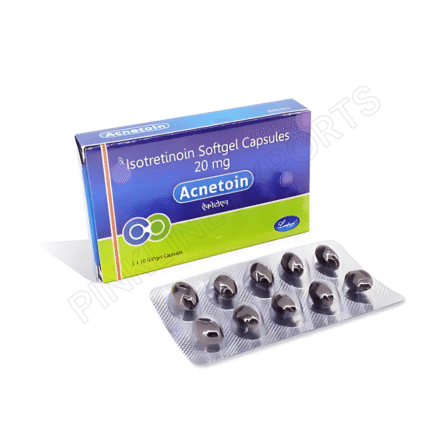

Acne is a common skin ailment caused by clogged skin pores. Blackheads, whiteheads, and other pimples are caused by pore obstructions. Pimples are pimples on your skin that are occasionally unpleasant and filled with pus and Acne vulgaris is the medical word used to refer acne.
What kinds of acne are there?
Acne comes in a variety of forms, such as:
- Cystic acne: This type of acne results in nodules and deep, pus filled lesions, and scars may result from them.
- Fungal Acne: Pityrosporum folliculitis, often known as fungal acne, is a condition where yeast accumulates in your hair follicles. These may be irritated and irritating.
- Hormonal acne: Adults with excessive sebum production that clogs their pores are susceptible to hormonal acne.
- Nodular acne: This severe type of acne results in pimples on the skin’s surface as well as sensitive, nodular lumps beneath the skin.
Both cystic and nodular acne can cause permanent skin damage in the form of scarring, and both of these types of acne can have an impact on your self-esteem. It is advisable to consult an expert healthcare professional as soon as possible so that they can easily identify the best course of action for you.
How prevalent is acne?
You are not alone if you suffer from acne, and the most prevalent skin ailment that people encounter is acne. According to estimates, 80% of adults between the ages of 11 and 30 will experience at least minor acne.
Where will get acne come on the body?
Acne is most frequently found on the following areas of your body:
- chest
- shoulders
- upper back
- face
- forehead
Your body is filled with oil glands. Oil glands are especially prevalent in areas where acne frequently occurs.
What signs of acne are present?
Acne symptoms include:
- Pimples are red, inflammatory patches with yellow pus in the center.
- Nodules are big, painful red pimples beneath the skin.
- Whiteheads are little white patches beneath the skin’s surface.
- Blackheads are tiny, clogged pores that have a black “plug.”
Although the face is where these symptoms are most frequently observed, acne can also impact your:
- shoulders
- neck
- back
- chest
Pimples or occasional patches are not regarded as acne.
What is the cause of acne?
Numerous things can lead to acne that include
Oil and dead skin cells accumulate to cause acne. The skin develops a pimple or nodule as a result. Then, bacteria may proliferate in clogged pores, resulting in redness and inflammation.
Additionally, androgen hormones may increase the amount of oil produced by your skin. However, only a very small percentage of people such as those with polycystic ovarian syndrome (PCOS) have acne due to hormones. In teens and young adults, hormone levels also rise during puberty.
Other factors that can cause acne include:
- tension
- family background and genetics
- nutrition
- Certain medications
- Being overweight
Some elements of your surroundings might either cause acne or exacerbate an acne outbreak, such as:
- wearing headgear, such as sports helmets and hats, and apparel that fits tightly.
- airborne toxins and specific meteorological conditions, particularly excessive humidity.
- Using fatty or oily personal care items, such as thick lotions and creams, or working in a place where you frequently come into touch with grease, such a restaurant that uses frying oil.
- Stress raises cortisol levels.
- Adverse drug reactions.
- picking at your zits.
Acne-causing foods
Certain foods and diets have been linked in certain studies to acne, such as:
- Skim milk.
- whey protein.
- diets heavy in sugar.
- Chocolate isn’t directly associated with acne, although high-sugar diets may cause acne outbreaks.
Eat a healthy, well-balanced diet full of fresh fruits and vegetables, particularly those high in beta carotene and vitamin C, which help lower inflammation, to lower your risk of acne.
What are the names of the many kinds of acne bumps?
Acne pimples come in four primary varieties:
- Whiteheads: These are also known as “closed comedones,” which are pores that become blocked with excess oil, close, and protrude slightly from the skin’s surface.
- Pimples: These are the crimson lumps that result from the excess oil and C. Acne germs come together to block a deeper skin pore. The red lump can occasionally turn into a pustule when the bacteria produce pus.
- Blackheads: These are known medically as “open comedones,” which are clogged pores caused by excess oil. These have a darker top than the surrounding skin and remain near the skin’s surface.
- Cysts and nodules: These are deeper-lying pimples that are bigger and frequently unpleasant. These are the ones that have the highest chance of leaving scars.
Risk factors for acne
Acne is more common in some people, particularly if it runs in their family. The following are additional risk factors for acne development:
- Genetics: Your skin may be prone to acne if severe acne runs in your family.
- Certain drugs: Acne may be exacerbated by drugs that contain corticosteroids, testosterone, or lithium.
- Cosmetics and skin care items: Using fatty or oily cosmetics might cause acne by clogging pores.
How bad can acne get?
Dermatologists assign severity ratings to acne:
- Grade 1: Whiteheads and blackheads predominate in grade 1 (mild), with a small number of papules and pustules.
- Grade 2: Multiple papules and pustules, mostly on your face, indicate grade 2 (moderate or pustular acne).
- Grade 3: Grade 3 acne, also known as nodulocystic acne, is characterized by a large number of papules and pustules as well as occasionally inflammatory nodules. It might also impact your chest and back.
- Grade 4: Numerous big, painful, inflammatory pustules and nodules are indicative of grade 4 (severe nodulocystic acne).
How to deal with acne
You can guess how to treat acne if you consider what causes it. Recall that increased hormone levels result in increased oil production, which clogs pores. C mixes with the additional oil. Redness and inflammation are caused by acne bacteria. Each of these aspects of acne is targeted by treatments.
Different kinds of acne drugs
Topical drugs
The topical prescription drugs for acne that are most frequently used include:
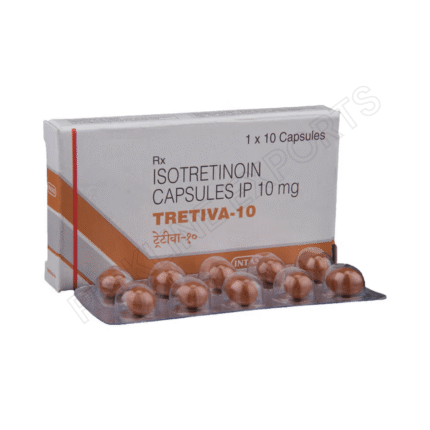
- Iotretinoin: Vitamin A is the source of isotretinoin (Amnesteem, Claravis, etc.). Those with moderate to severe acne who have not responded to prior therapies may be prescribed it. Severe birth abnormalities, depression, and inflammatory bowel illness are possible adverse effects of oral isotretinoin. Every isotretinoin user is required to take part in a risk management program that has been approved. In order to keep an eye out for any negative consequences, they will also need to see their doctors on a frequent basis.
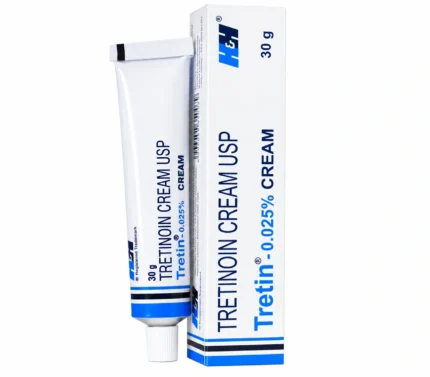
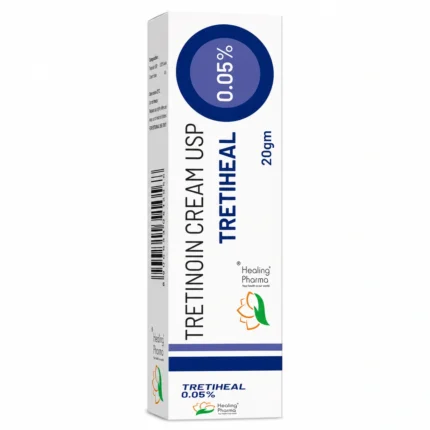
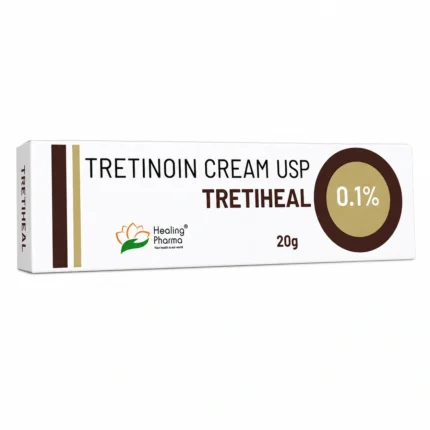
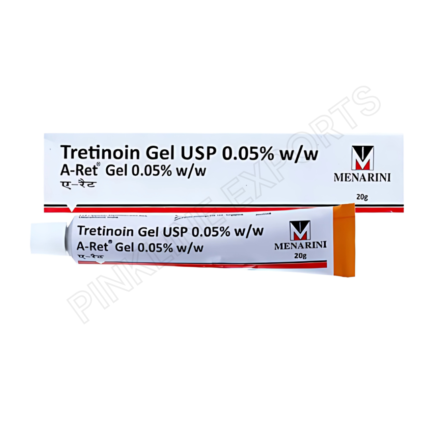
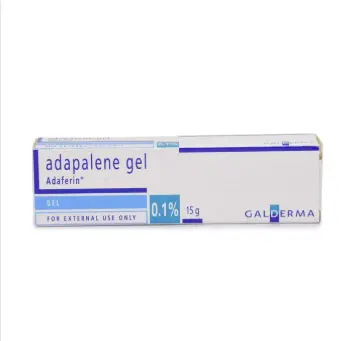
- Retinoids and medications that resemble retinoids: For mild acne, medications containing tretinoin or retinoic acids are frequently helpful. These are available as lotions, gels, and creams. Tretinoin (Avita, Retin-A, etc.), adapalene (Differin), and tazarotene (Tazorac, Avage, etc.) are a few examples. As your skin becomes used to it, you use this treatment in the evening three times a week at first, then every day. It keeps hair follicles from becoming clogged. Tretinoin should not be used concurrently with benzoyl peroxide.
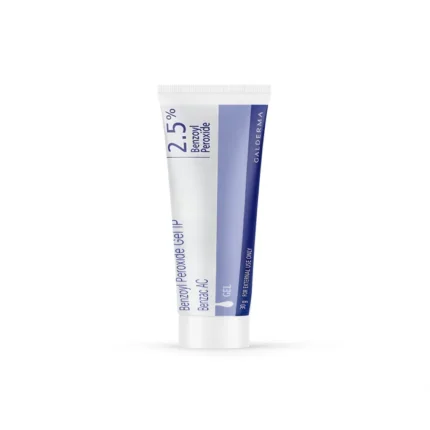
- Antibiotics: These reduce redness and inflammation by eliminating extra skin germs. You may use both a retinoid and an antibiotic during the first several months of treatment, applying the retinoid in the evening and the antibiotic in the morning. To lessen the chance of antibiotic resistance, benzoyl peroxide is frequently added to antibiotics. Examples are erythromycin with benzoyl peroxide (Benzamycin) and clindamycin with benzoyl peroxide (Benzaclin, Duac, and others). It is not advised to use topical antibiotics alone.
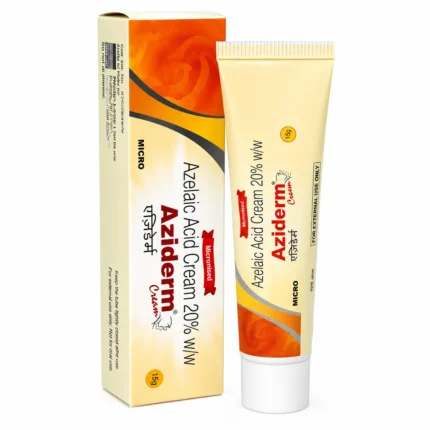
- Salicylic acid and azelaic acid: A naturally occurring substance called azelaic acid is made by yeast. It has antimicrobial qualities. When applied twice daily, a 20% azelaic acid cream or gel appears to be just as successful as many traditional acne treatments. During pregnancy and lactation, prescription azelaic acid (Azelex, Finacea) is an alternative. Additionally, it can be used to treat the discoloration that some forms of acne cause. Skin redness and mild skin irritation are examples of side effects.
Oral drugs
Oral contraceptives in combination: The FDA has approved four combination oral contraceptives for the treatment of acne in women who also want to use them for contraception. Combining this treatment with other acne treatments during the first several weeks may help, as you might not see results for several months. Weight gain, breast discomfort, and nausea are common side effects of combination oral contraceptives. Additionally, these medications are linked to a higher risk of cardiovascular issues, breast cancer, and cervical cancer.
Anti-androgen substances: If oral antibiotics aren’t working for women and teenage girls, the medication spironolactone (Aldactone) may be taken into consideration. It functions by preventing androgen hormones from affecting the glands that produce oil. Period pain and breast tenderness are possible side effects.
Antibiotics: You could require oral antibiotics to lower bacteria if you have moderate to severe acne. Tetracyclines (minocycline, doxycycline) or macrolides (erythromycin, azithromycin) are typically the first options for treating acne. For those who are unable to take tetracyclines, such as pregnant women and children under the age of eight, a macrolide may be a choice.
Treatments
The following treatments, either by themselves or in conjunction with drugs, may be beneficial for certain individuals.
- Extraction and drainage: If topical treatments haven’t cleared up cysts or whiteheads and blackheads (comedos), your doctor may use specialized equipment to carefully remove them. Although this method momentarily makes your skin look better, it may also leave scars.
- Injection of steroids: A steroid medication can be injected into nodular and cystic lesions. Rapid recovery and a reduction in discomfort have been the outcomes of this therapy. Skin thinning and discolouration in the treated region are possible side effects.
- Treatment with light: Numerous light-based treatments have been attempted with varying degrees of success. The majority will necessitate several trips to the doctor’s office. To find the best technique, light source, and dosage, more research is required.
- Chemical peel: A chemical solution, such as salicylic acid, glycolic acid, or retinoic acid, is applied repeatedly during this process. This is a minor acne treatment. It may make the skin look better, but the results are usually temporary and require several treatments.
What can worsen acne?
- Tension: Although stress does not “cause” acne, there is a connection between stress and more severe acne. Teenagers who experience stress at school typically have worse acne, according to research reports. Stress can be reduced by regular exercise, restful sleep, and supportive relationships.
- Hormones: As previously stated, adolescent hormones cause the skin to produce more oil, which can result in acne. The hormone spikes that occur right before menstruation can also exacerbate acne.
- Cosmetics and skin care items: Certain items might cause acne if they clog pores, particularly oil-based skin care treatments. Acne is less likely to result with “non-comedogenic” or water-based products. Worsening acne in that location might result from anything that presses against the skin for an extended period of time, such as tight clothes or equipment like helmet chinstraps.
- Nutrition: It’s unclear how diet affects acne. As with the rest of the body, a healthy, balanced diet is probably healthier for the skin. Acne may be exacerbated by diets heavy in simple carbs and sweets.
Important advice for preventing acne
There are many tips to prevent acne which are as follows
- Avoid using brushes or abrasive towels to scrub the skin as this might exacerbate skin irritation. Keep in mind that excess oil and germs within the skin are what cause acne, not debris on top of the face. It cannot be removed with a scrub. Scrubbing can exacerbate acne and cause dryness and irritation.
- Twice a day, wash your skin. twice: once in the morning and once at night. Steer clear of harsh or gritty scrubs and instead use a mild cleanser or soap with warm water.
- Steer clear of plucking, popping, and pinching pimples. Skin manipulation can exacerbate acne and result in scars or infections.
Things to consider when treating acne
- Your doctor or a dermatologist can prescribe strong medications to manage acne if it is more severe or leaving scars.
- The majority of these treatments don’t “cure” acne, so you have to continue taking them on a regular basis to keep it from coming back.
- Don’t give up too soon because it takes at least two months for acne to clear up following therapy! It may take even longer for the red and brown stains left by pimples to go away.
- Many effective over-the-counter acne remedies are available, but use them gradually and one at a time to prevent skin irritation.
- Using an oil-free moisturizer on a daily basis is beneficial because many of these options can cause dryness and some skin peeling.
In order to prevent additional sensitivity related to some treatments and to help fade the red and brown markings, sun protection is crucial. Certain moisturizers that contain sunscreen can be a suitable “one-step” solution.
Strategies for avoiding acne
Acne cannot always be avoided, particularly if you have a family history of the condition or are experiencing hormonal changes. But a good place to start is by following a doctor’s prescribed acne skin care program. Additionally, you can reduce the likelihood of acne flare-ups by:
- Makeup should always be taken off before bed and it should not remain in face till morning.
- Keeping your hands away from your face
- If your skin feels dry, use an oil-free moisturizer.
- Regular hair washing and keeping your hair which can be greasy away from your face
- Using water-based, noncomedogenic cosmetics and cosmetics
- Aiming to stay away from greasy settings, like a restaurant kitchen
Avoid the following:
- Wearing tight garments over your acne-affected areas
- Picking or squeezing pimples or spots
- Greasy sunscreen or cosmetics with an oil base
- Using harsh soaps or cleaning your face too frequently
Frequently Asked Questions
- What is the major cause of acne?
Excess oil (sebum), clogged pores, bacteria, and hormonal fluctuations are the main causes of acne. Inadequate skincare, certain diets, and stress can also cause it.
- How can I take care of acne reduction at home?
Mild acne can be controlled at home by:
- Refraining from picking or rubbing pimples
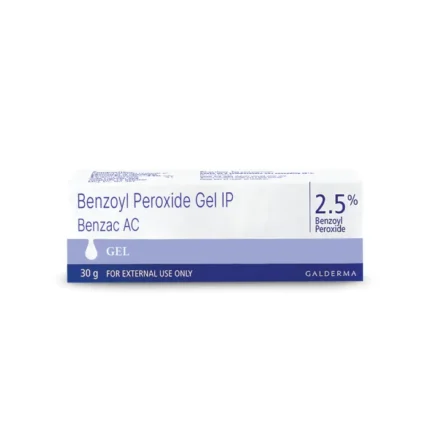
- Using substances such as benzoyl peroxide or salicylic acid
- Using a mild cleanser to wash your face twice a day
- Using skincare products that are not comedogenic
- How much time does it take for acne from the face to go away?
It usually takes four to eight weeks for acne treatments to start showing results. For optimum effects, skincare must be done consistently.
- For acne, when should I consult a dermatologist?
A dermatologist should be consulted if:
- Severe or excruciating acne
- It leaves scars.
- After a few weeks, over-the-counter remedies are no longer effective.
- Does nutrition have a major impact on acne?
Yes, some people’s acne may be influenced by their diet. While a balanced diet rich in fruits, vegetables, and water can help maintain healthy skin, foods high in sugar or dairy products can occasionally exacerbate acne.