

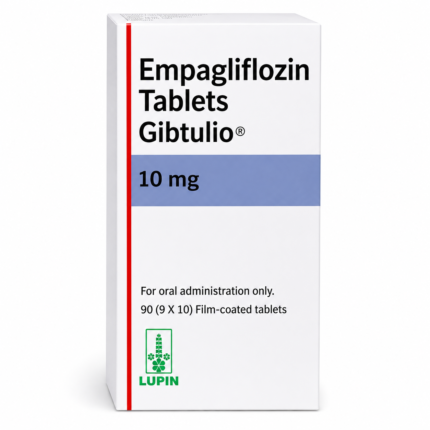

Empagliflozin

Empagliflozin is an oral antidiabetic medicine used to control blood sugar levels in adults with type 2 diabetes. It removes excess glucose through urine, improving glycemic control. Regular use supports cardiovascular and kidney health, reduces diabetes-related complications, and enhances long-term metabolic management when combined with healthy lifestyle practices.

Category:

Description

Empagliflozin

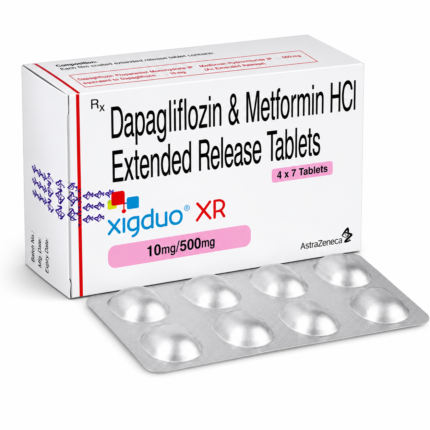
Empagliflozin is an oral antidiabetic medicine used to improve blood sugar control in adults with type 2 diabetes. Empagliflozin works by helping the kidneys remove excess glucose through urine, supporting better glycemic control. Regular use of Empagliflozin may also provide cardiovascular and kidney health benefits under medical supervision.For combination diabetes therapy, see Dapagliflozin-Metformin 10 mg–500 mg based on medical advice.


Empagliflozin – Mechanism of Action

How Empagliflozin Works

Empagliflozin belongs to the SGLT2 inhibitor class of medicines. It blocks sodium-glucose co-transporter 2 proteins in the kidneys, preventing glucose reabsorption and increasing glucose elimination through urine. This helps lower blood sugar levels effectively in adults with type 2 diabetes.

Benefits of Empagliflozin

Regular use of Empagliflozin helps improve glycemic control, reduce post-meal glucose spikes, and support overall metabolic health. It may also help reduce cardiovascular risks and support kidney function when combined with proper diet, exercise, and long-term diabetes management strategies.


Empagliflozin – Medical Uses

Empagliflozin is used for:

  • Type 2 diabetes mellitus
  • Blood sugar management
  • Cardiovascular risk reduction
  • Kidney health support in diabetic patients
  • Combination diabetes therapy

Empagliflozin – Dosage and Administration

Take Empagliflozin exactly as prescribed by your healthcare provider, usually once daily with or without food. Drink enough fluids to stay hydrated and follow dietary recommendations carefully. Consistent use of Empagliflozin along with healthy lifestyle habits helps maintain stable blood sugar levels effectively.


Empagliflozin – Clinical Effectiveness

Empagliflozin is clinically effective in lowering blood glucose levels and improving long-term glycemic control. It also provides additional benefits such as weight management support and cardiovascular protection. Regular use of Empagliflozin helps reduce complications associated with type 2 diabetes and improves overall health outcomes significantly.


Empagliflozin – Safety and Side Effects

Common Side Effects of Empagliflozin

  • Increased urination
  • Thirst
  • Urinary tract infections
  • Mild dehydration

Serious Risks of Empagliflozin

  • Kidney-related issues
  • Severe dehydration
  • Rare diabetic ketoacidosis

Consult a healthcare provider if symptoms persist or worsen.

Learn more about SGLT2 inhibitors, blood sugar control, and diabetes treatment guidelines from WHO andAmerican Diabetes Association (ADA).

FAQs


1 What is Empagliflozin used for?

Empagliflozin is used to manage blood sugar levels in adults with type 2 diabetes. It helps remove excess glucose through urine and improves glycemic control. Regular use may also support heart and kidney health, helping reduce complications associated with long-term diabetes under proper medical supervision.

2 How does Empagliflozin work?

Empagliflozin works by blocking SGLT2 proteins in the kidneys, reducing glucose reabsorption into the bloodstream. This allows excess glucose to be removed through urine. This mechanism helps lower blood sugar levels effectively and supports better diabetes management when combined with healthy lifestyle modifications and regular treatment.


3 How should Empagliflozin be taken?

Take Empagliflozin once daily exactly as prescribed by your doctor, with or without food. Drink enough fluids to maintain hydration and follow dietary recommendations carefully. Regular use along with exercise and healthy lifestyle habits helps maintain stable blood sugar levels and improves overall treatment effectiveness significantly.


4 What are the side effects of Empagliflozin?

Common side effects of Empagliflozin include increased urination, thirst, urinary tract infections, and mild dehydration. Some individuals may experience dizziness or weakness. Rarely, serious complications such as diabetic ketoacidosis may occur. Consult a healthcare provider immediately if severe symptoms or persistent side effects develop during treatment.


5 Is Empagliflozin safe for long-term use?

Empagliflozin is generally safe for long-term use when prescribed by a healthcare provider. Regular monitoring of kidney function, hydration status, and blood sugar levels is important to ensure treatment effectiveness and safety while reducing the risk of complications associated with uncontrolled type 2 diabetes over time.

Reviews

There are no reviews yet.

Be the first to review “Empagliflozin”

Your email address will not be published. Required fields are marked *

RELATED PRODUCTS