

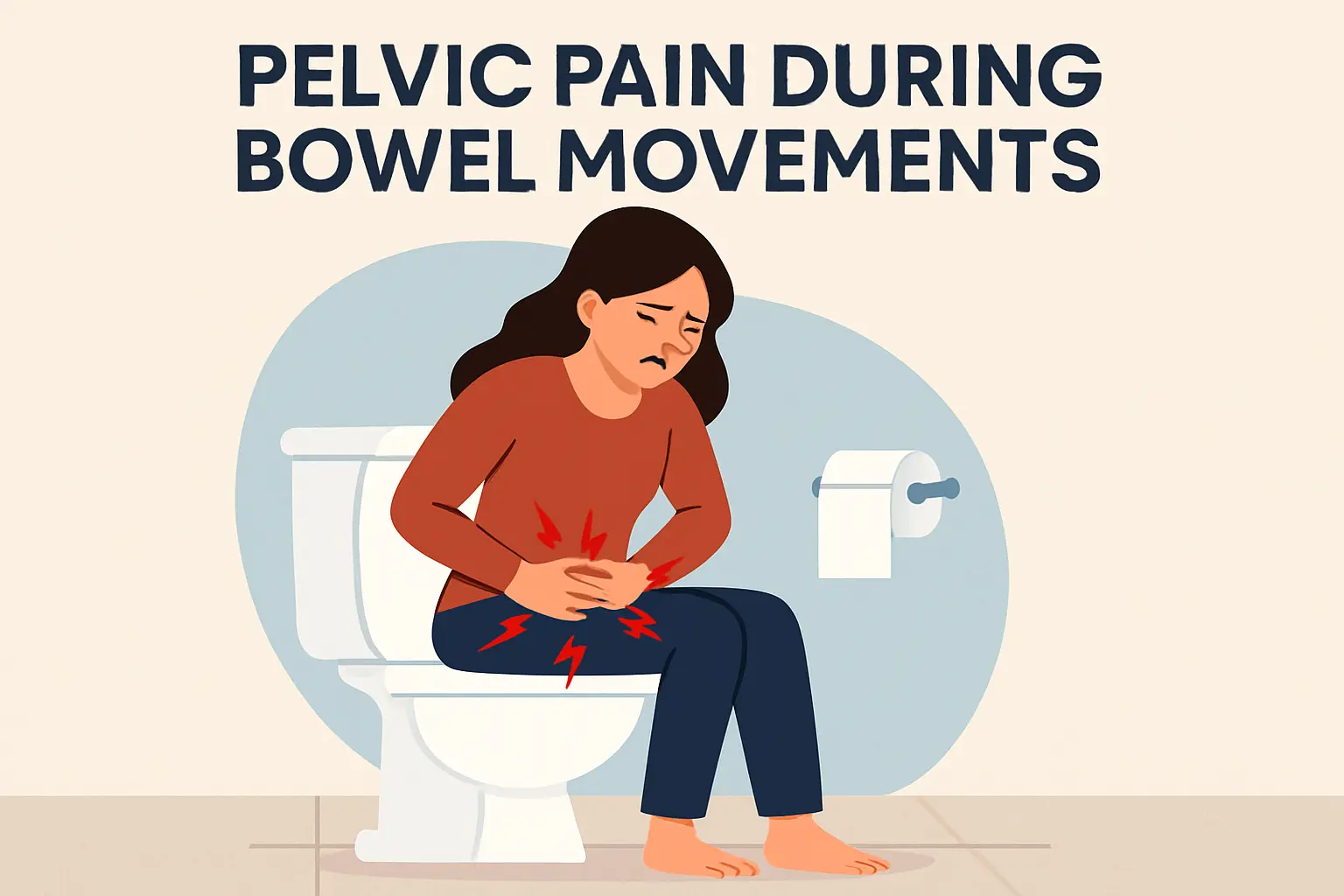
Why Do I Have Pelvic Pain During Bowel Movements?

Why Do I Have Pelvic Pain
During Bowel Movements?
Understanding the causes, mechanisms, and when to seek help
Dr. Peter H Bennis
Board-Certified Gastroenterologist
Last updated: June 2025
Disclaimer: This article is for informational purposes only and does not constitute medical advice. Always consult a qualified healthcare professional for diagnosis and treatment.
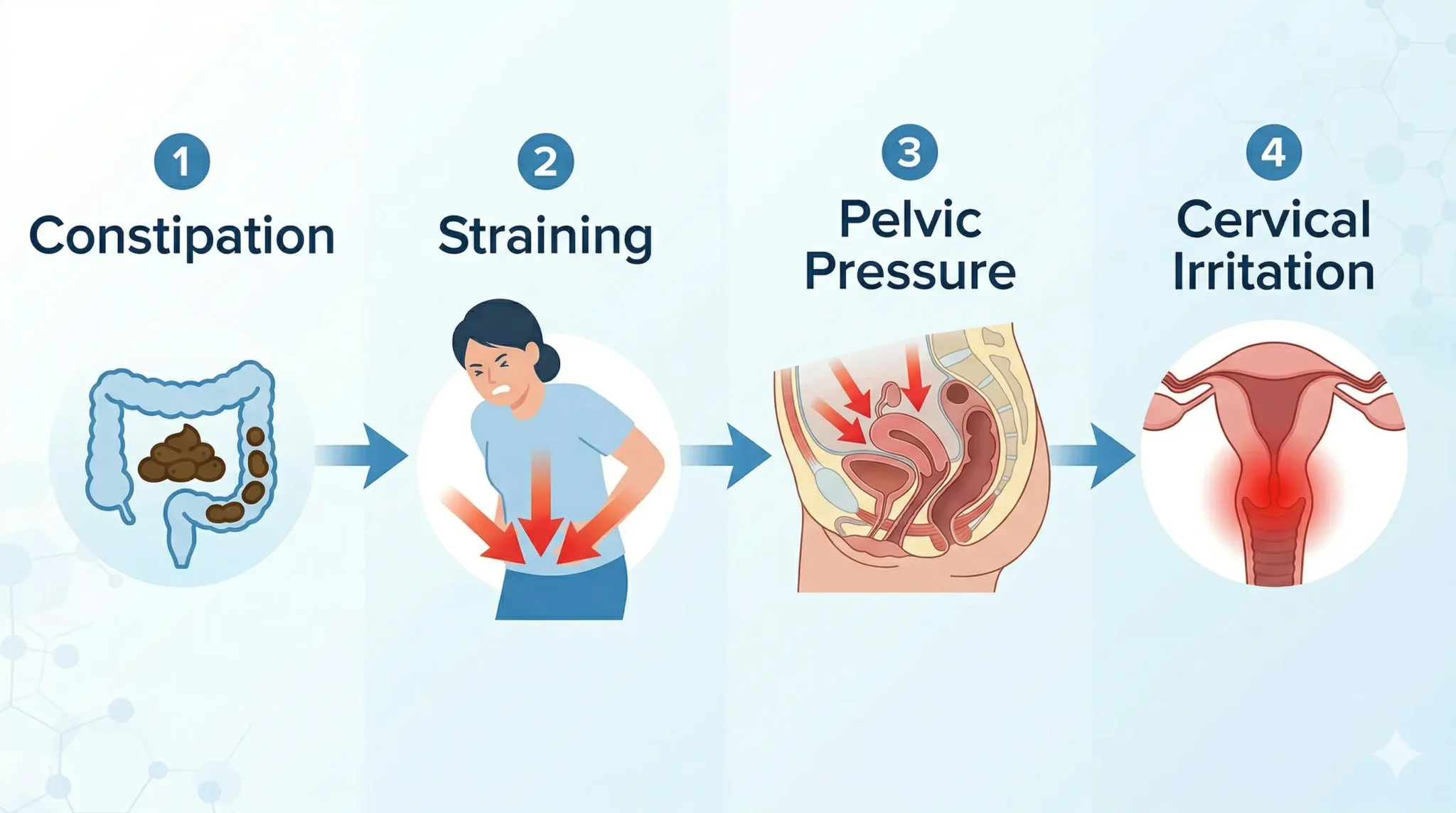
Pelvic pain during bowel movements is more common than most people realize — yet it remains one of those symptoms that many individuals silently endure without seeking answers. Whether it’s a sharp stabbing sensation, a dull ache, or a feeling of intense pressure, pain in the pelvic region during defecation can significantly affect your quality of life.
But why does it hurt? What’s actually happening inside your body when you experience this discomfort?
Understanding the Pelvic Anatomy
The pelvis is a crowded anatomical space containing the rectum, bladder, reproductive organs, muscles, nerves, ligaments, and connective tissue — all packed closely together.
The pelvic floor, a hammock-like group of muscles stretching from the pubic bone to the tailbone, supports these organs and plays a critical role in both bowel and bladder function.
Because these structures are so closely interconnected, a problem affecting one organ or tissue can easily cause referred pain or direct irritation in neighboring areas. When stool passes through the rectum and pressure builds during a bowel movement, it can compress, stretch, or irritate any of these adjacent structures — resulting in pain that may feel deep, diffuse, or difficult to pinpoint.
The Mechanisms: Why It Actually Hurts
01
Muscle Tension and Pelvic Floor Dysfunction
Under normal circumstances, the pelvic floor muscles relax in a coordinated fashion to allow stool to pass. In pelvic floor dysfunction, these muscles may involuntarily tighten or fail to relax properly. This creates a painful tug-of-war where stool pushes against a partially closed muscular outlet.
02
Inflammation and Irritation of Rectal Tissue
Inflammatory conditions such as proctitis, IBD (Crohn’s disease and ulcerative colitis), and radiation damage can cause the rectal walls to become swollen and hypersensitive. When inflamed tissue is stretched by stool, nerve endings fire pain signals more readily due to peripheral sensitization.
03
Nerve Compression and Irritation
The pudendal nerve provides sensation to the perineum, rectum, and genitalia. When compressed or irritated (pudendal neuralgia), patients experience burning or stabbing pain that worsens with sitting and bowel movements due to increased downward pressure on the nerve.
04
Structural Abnormalities
Rectocele, rectal prolapse, anal fissures, and hemorrhoids disrupt normal defecation mechanics. The result is mechanical stress, friction, or tearing sensations that translate into significant pelvic discomfort.
05
Endometriosis and Reproductive Organ Involvement
Endometrial tissue growing outside the uterus (including on the bowel or rectovaginal septum) can be stretched or compressed during bowel movements. This often causes intense, cyclical pain, especially during menstruation.
06
Visceral Hypersensitivity and IBS
In some cases, the nervous system amplifies normal sensations from the gut. This visceral hypersensitivity means normal rectal distension is perceived as painful rather than merely uncomfortable — a hallmark of IBS even when imaging and tests appear normal.
Contributing Factors That Worsen Pain
Several lifestyle and health factors can amplify pelvic pain during bowel movements:
- Chronic constipation and hard stools
- Frequent diarrhea and rectal irritation
- Poor posture while defecating
- High stress and anxiety
- Sedentary lifestyle
- Low fiber intake and dehydration
When Should You See a Doctor?
While occasional mild discomfort may not be alarming, certain red flags warrant prompt medical evaluation:
- Persistent or worsening pelvic pain lasting more than a few weeks
- Blood in the stool or on toilet paper
- Unexplained weight loss
- Changes in bowel habits (new constipation, diarrhea, or alternating)
- Fever or signs of infection
- Pain that disrupts daily activities or sleep
- Family history of colorectal cancer or inflammatory bowel disease
Diagnostic Approaches
Digital rectal examination
Anorectal manometry
Defecography (MRI or fluoroscopic)
Colonoscopy or sigmoidoscopy
Pelvic ultrasound or MRI
Nerve conduction studies
A Path Toward Relief
Understanding the mechanism behind your pain allows for a targeted treatment approach:
Pelvic floor physical therapy
Dietary modifications & fiber
Anti-inflammatory or hormonal treatment
Nerve blocks or neuromodulation
Gut-directed hypnotherapy / CBT
Surgical intervention (severe cases)
Final Thoughts
Pelvic pain during bowel movements is not something you should accept as “normal.” The pelvic region’s complex anatomy means there are numerous potential causes — from muscle dysfunction and nerve irritation to inflammatory disease and structural abnormalities.
If you are experiencing this symptom, take the important step of speaking with a healthcare professional. Early evaluation often leads to earlier relief.
Sources & References
American College of Obstetricians and Gynecologists (ACOG) —
Chronic Pelvic Pain Guidelines
American Gastroenterological Association (AGA) —
Clinical Practice Guidelines
Rome Foundation — Rome IV Diagnostic Criteria for Functional Gastrointestinal Disorders
Rao, S.S.C. et al., “Dyssynergic Defecation,” American Journal of Gastroenterology
Chapron, C. et al., “Deep Infiltrating Endometriosis,” Human Reproduction
International Pudendal Neuropathy Association (IPNA)
Written by Peter H Bennis, health content specialist. Medically reviewed by Dr.K Narayan, Board-Certified Gastroenterologist.
Last editorial review: 11th June 2026
Last editorial review: 11th June 2026
FOR INFORMATIONAL PURPOSES ONLY