Advanced Hair Loss Treatment Options: Understanding Oral Minoxidil and Dutasteride Therapy

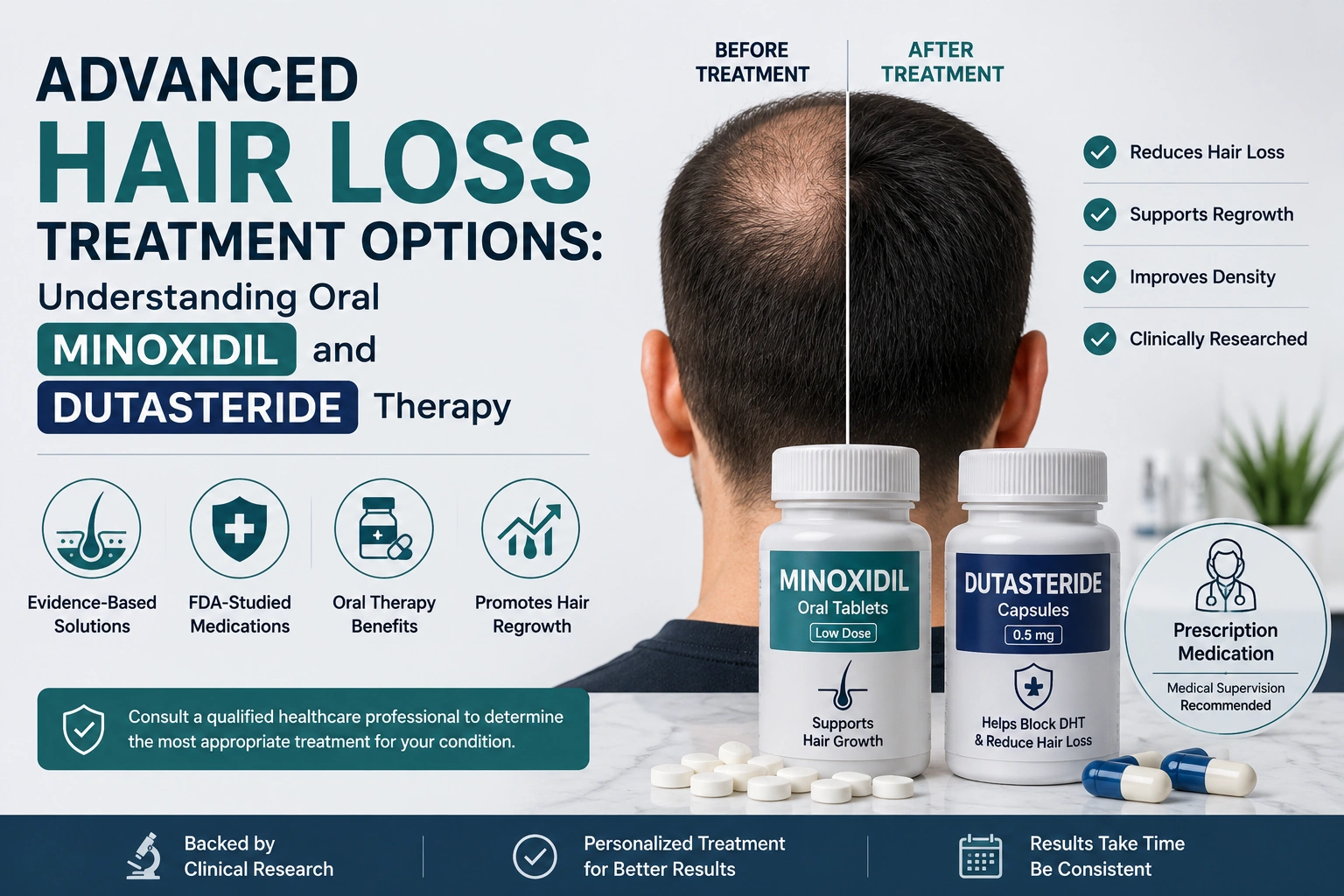
Advanced Hair Loss Treatment Options: Understanding Oral Minoxidil and Dutasteride Therapy
Critical Medical & Safety Notice
Oral Minoxidil and Dutasteride are high-potency systemic pharmaceutical agents utilized for the management of progressive Androgenetic Alopecia (AGA). Due to their direct systemic cardiovascular and hormonal profiles, these medications must only be initiated and adjusted under the strict supervision of a licensed dermatologist or trichologist. Regular monitoring of blood pressure, heart rate, and hormonal baselines is required. This guide serves strictly educational purposes.
Androgenetic Alopecia (AGA), commonly referred to as male or female pattern hair loss, affects millions of individuals globally. Characterized by the progressive miniaturization of hair follicles, this genetically predetermined condition gradually transitions robust terminal hairs into fine, translucent vellus hairs. For decades, first-line medical interventions were limited to standard topical options and early-generation oral enzyme blockers.
However, the field of clinical trichology has evolved significantly. As patient populations seek more robust, convenient, and reliable therapeutic outcomes, modern clinical protocols have shifted toward advanced systemic treatments. Today, contemporary hair restoration strategies frequently combine low-dose oral vasodilators with dual-pathway hormonal inhibitors to target hair loss from multiple physiological angles.
Transitioning to an advanced regimen requires a clear, evidence-based understanding of the underlying molecular mechanics, pharmacokinetics, available combination therapies, and essential safety guidelines. This guide provides an analytical breakdown of modern systemic hair restoration protocols.
The Pathophysiology of Pattern Hair Loss
To understand why modern multi-pronged therapies are so effective, it helps to understand the double threat that drives genetic hair loss:
- Hormonal Aggression (DHT): The primary driver of AGA is Dihydrotestosterone (DHT), a potent androgen derived from circulating testosterone. DHT binds aggressively to androgen receptors within susceptible hair follicles, triggering a signaling cascade that shortens the anagen (growth) phase and shrinks the physical size of the follicle.
- Microvascular Restrictions: As follicles miniaturize, the surrounding network of tiny blood vessels collapses. This restriction cuts off the vital flow of oxygen, amino acids, and micronutrients required for the metabolic demands of an active growth phase.
Re-evaluating Minoxidil: Topical Foundations vs. Systemic Shifts
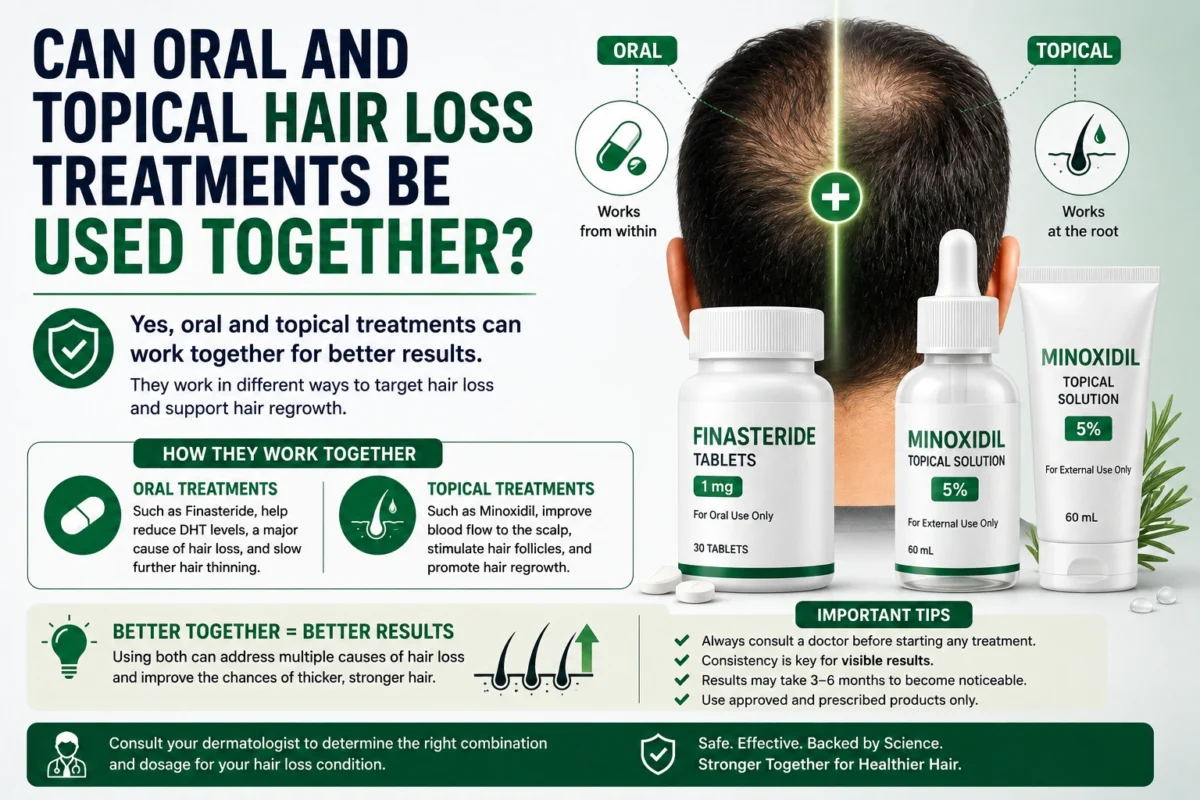
Minoxidil acts primarily as a potassium channel opener and direct smooth-muscle vasodilator. By relaxing the vascular walls surrounding the hair follicle, it improves blood flow, prolongs the anagen phase, and shifts resting follicles back into active production.
For many individuals, initiating care with a standardized topical formulation like Minoxidil 5% Solution serves as an exceptional baseline. Topical applications deliver localized vascular enhancement directly to the scalp with minimal risk of systemic side effects.
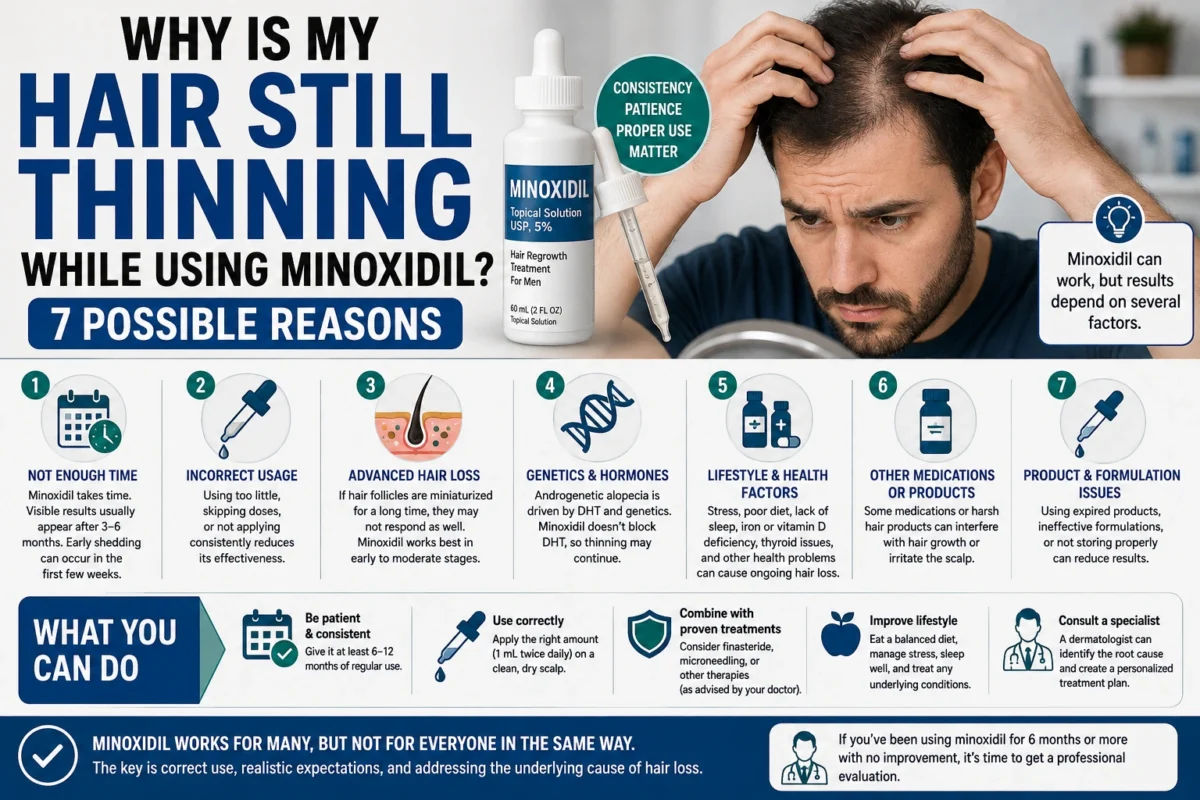
However, topical applications rely heavily on a specific enzyme in the scalp called *sulfotransferase* to convert the drug into its active form. Individuals with low natural levels of this enzyme often see poor results from topical liquids. To bypass this limitation, modern medicine increasingly utilizes low-dose oral variants, such as Lonitab 5 Mg. When taken orally, the medication is processed by the liver’s abundant sulfotransferase enzymes, ensuring predictable systemic activation and stronger hair growth stimulation.
For an authoritative overview of the clinical trials evaluating the safety of oral vs. topical modalities, you can consult the peer-reviewed NIH NCBI Oral Minoxidil Review.
Dutasteride: Dual-Pathway Androgen Suppression
While Minoxidil acts as the accelerator for hair growth, an effective regimen also requires a brake to stop ongoing hormonal damage. This is where Dutasteride comes in.
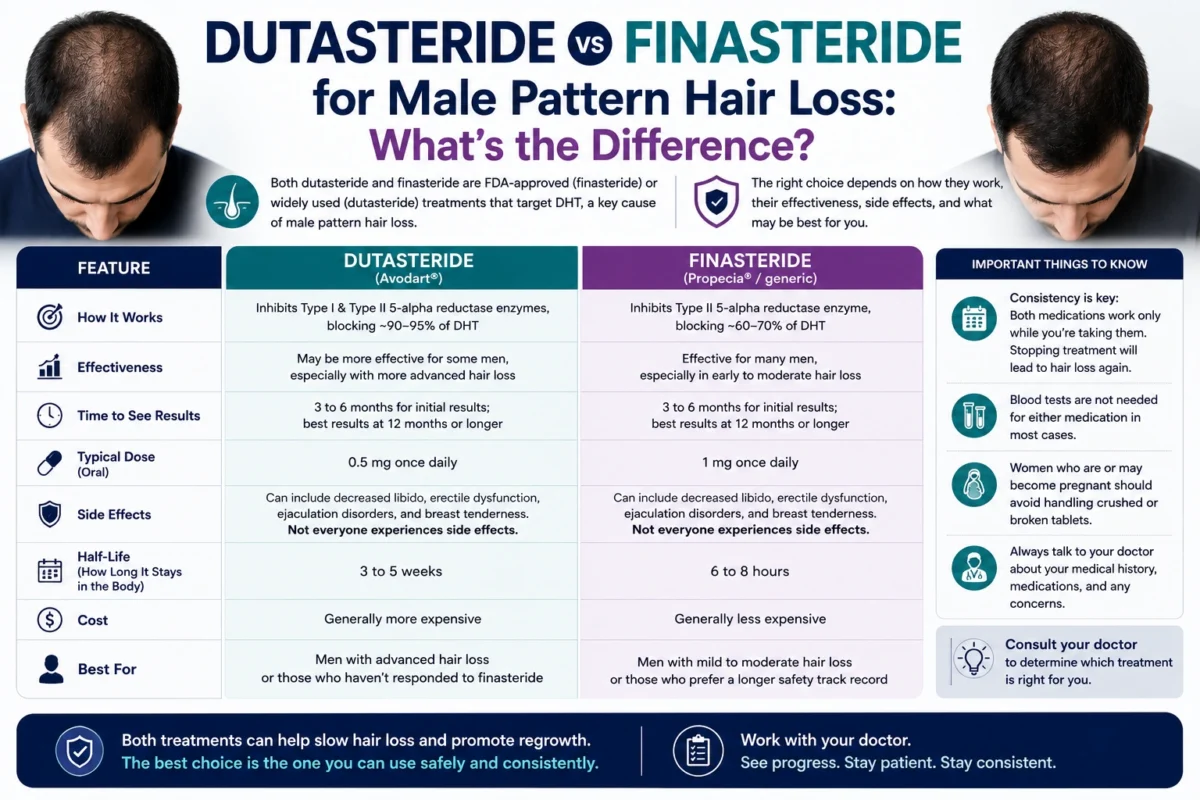
Dutasteride belongs to a class of medications called 5-alpha-reductase inhibitors (5-ARIs). The 5-alpha-reductase enzyme is responsible for converting testosterone into hair-thinning DHT. Unlike older treatments like Finasteride, which only block the Type II variant of this enzyme, Dutasteride inhibits both the Type I and Type II variants. This comprehensive dual-pathway blockade reduces serum DHT levels by over 90%, offering a much stronger defense against progressive follicle miniaturization.
The Single-Tablet Synergistic Approach
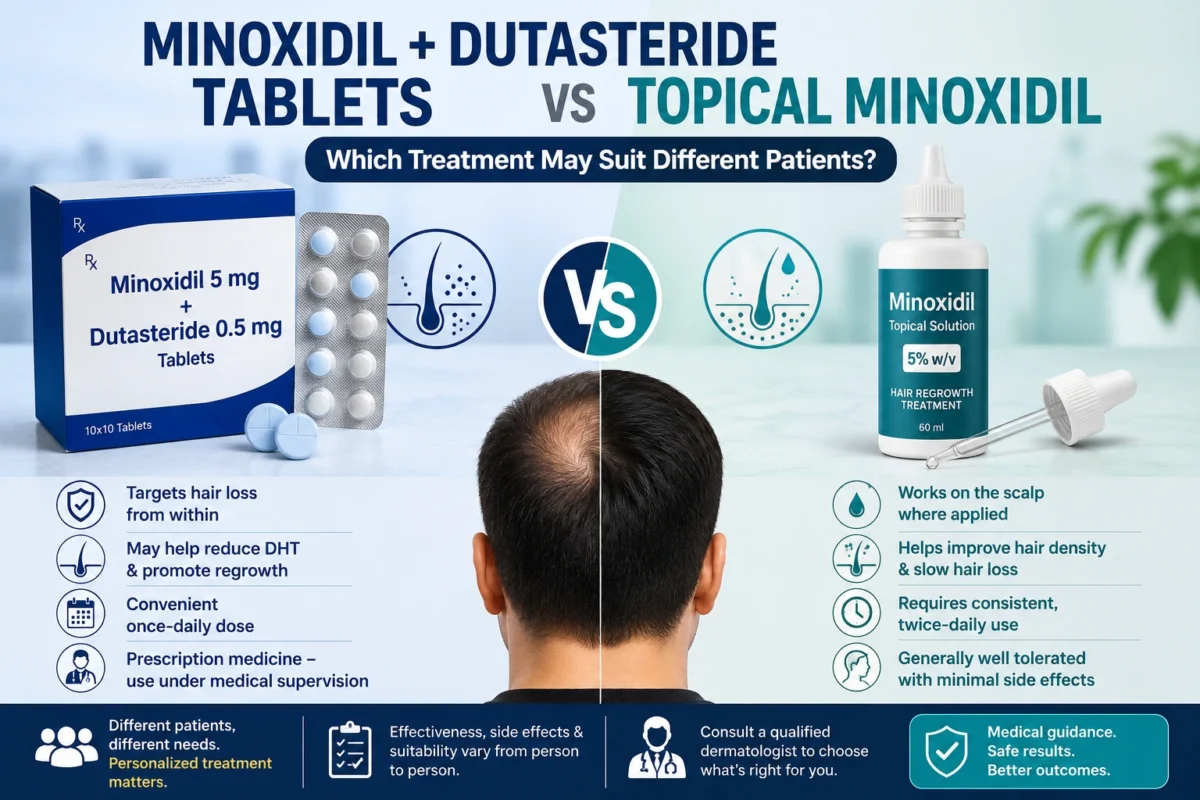
Recognizing that the most effective hair restoration plans address both vascular health and hormonal protection simultaneously, pharmaceutical designers developed combined options. A standout example in advanced care is Minwin D – Minoxidil + Dutasteride Tablets.
By combining a growth stimulant and an enzyme blocker into a single daily tablet, this approach eliminates the need to manage multiple separate pills or messy daily liquids. This coordinated defense maximizes your results while ensuring your routine remains clean and easy to follow.
What to Expect: The Hair Restoration Timeline
Systemic hair therapies require patience, consistency, and a clear understanding of the normal biological stages of hair growth:
| Phase / Timeline | Physiological & Follicular Experience | Patient Guidelines & Best Practices |
|---|---|---|
| Weeks 1 to 6 (The Shedding Phase) | The sudden boost in blood flow prompts miniaturized follicles to quickly shed old, thin hairs to prepare for a new growth cycle. | Do not panic or stop treatment. This temporary shedding is a normal sign that the follicles are resetting successfully. |
| Months 3 to 6 (Early Regrowth) | New, healthy terminal hairs begin to break through the scalp surface. Overall hair fall drops significantly. | Maintain strict daily consistency. Schedule a follow-up visit with your doctor to check your blood pressure. |
| Months 12+ (Maximum Efficacy) | Hair diameter thickens noticeably across the scalp, providing visible improvements in density and coverage. | Continuity is key. Stopping your treatment routine will cause the hair follicles to gradually return to their original genetic baseline. |
Managing Side Effects & Safeguarding Systemic Health
Because these advanced treatments act throughout the entire body, understanding how to monitor and manage potential side effects is essential for long-term safety.
Systemic Considerations & Safety Profiles
1. Cardiovascular Regulation: Because oral minoxidil relaxes blood vessels, it can occasionally cause mild fluid retention, a slight drop in blood pressure, or a compensatory increase in heart rate. Lowering your daily dosage under medical guidance typically resolves these issues completely.
2. Hormonal Transitions: Dutasteride’s powerful reduction of DHT can, in rare cases, lead to mild changes in libido, mood shifts, or transient breast tenderness. Your dermatologist will monitor your laboratory baselines regularly to ensure your hormone levels stay well-balanced.
3. Hypertrichosis Management: Increased blood flow can sometimes stimulate hair growth in non-target areas, such as the face or arms. This effect is entirely harmless and can be easily managed by fine-tuning your daily medication strength.
For a deeper dive into managing patient health and safety profiles during long-term treatment, refer to the official American Academy of Dermatology (AAD) Clinical Resource Directory.
The Advanced Hair Restoration Checklist
Ensure a safe, reliable, and highly effective treatment journey with these vital rules:
- ✔️ Get a Diagnosis First: Have a dermatologist verify that your hair loss is driven by genetic factors (AGA).
- ✔️ Establish a Baseline: Check your blood pressure, heart rate, and liver enzymes before starting oral treatments.
- ✔️ Commit Through the Shed: Stay consistent through the early shedding phase; it is an essential part of the recovery process.
- ✔️ Simplify Your Routine: Consider balanced, single-tablet combination options to make long-term daily adherence simple.
- ✔️ Stay Under Medical Care: Never adjust your daily pill strengths without explicit direction from your healthcare provider.