

What Causes Premature Ejaculation? Common Risk Factors and Treatment Options

What Causes Premature Ejaculation? Common Risk Factors and Treatment Options
Critical Medical & Clinical Notice
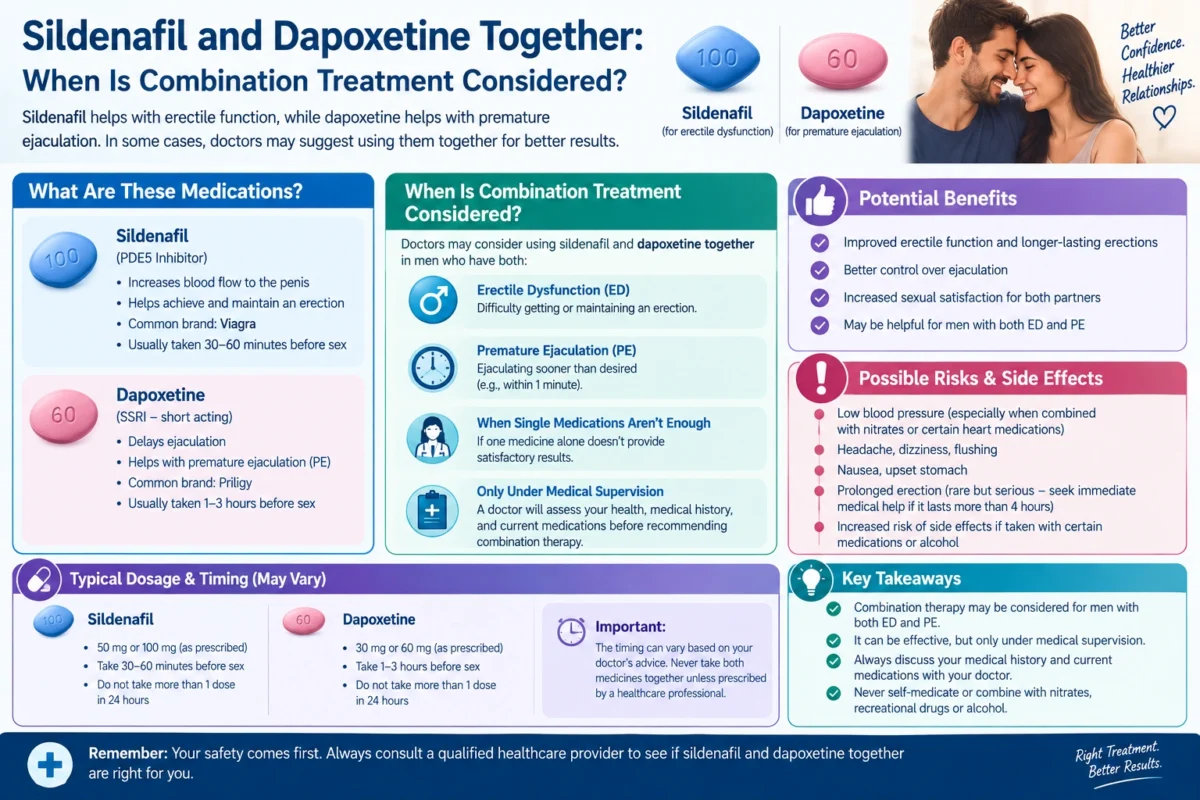
Premature Ejaculation (PE) is one of the most common sexual health concerns affecting men globally. It can stem from a complex interplay of psychological, biological, and physiological factors. Pharmaceutical interventions—including selective serotonin reuptake inhibitors (SSRIs) like Dapoxetine and combination therapy with PDE5 inhibitors—require formal medical evaluation. Always consult a licensed urologist or healthcare provider before initiating therapy.
Premature Ejaculation (PE) is a widespread sexual dysfunction characterized by ejaculating with minimal sexual stimulation, often sooner than desired, leading to personal distress or relationship challenges. Clinical studies indicate that up to 30% of men experience PE at some point in their lives, making it a highly prevalent yet frequently misunderstood condition.
Understanding the root causes of PE is the first step toward effective management. The condition is broadly categorized into two types: Primary (Lifelong) PE, which begins from a person’s earliest sexual experiences, and Secondary (Acquired) PE, which develops later in life after a period of normal ejaculatory control.
This comprehensive guide explores the primary causes, common risk factors, and modern treatment strategies—ranging from behavioral techniques to dual-action pharmacological solutions—designed to help manage ejaculatory control.
What Causes Premature Ejaculation?
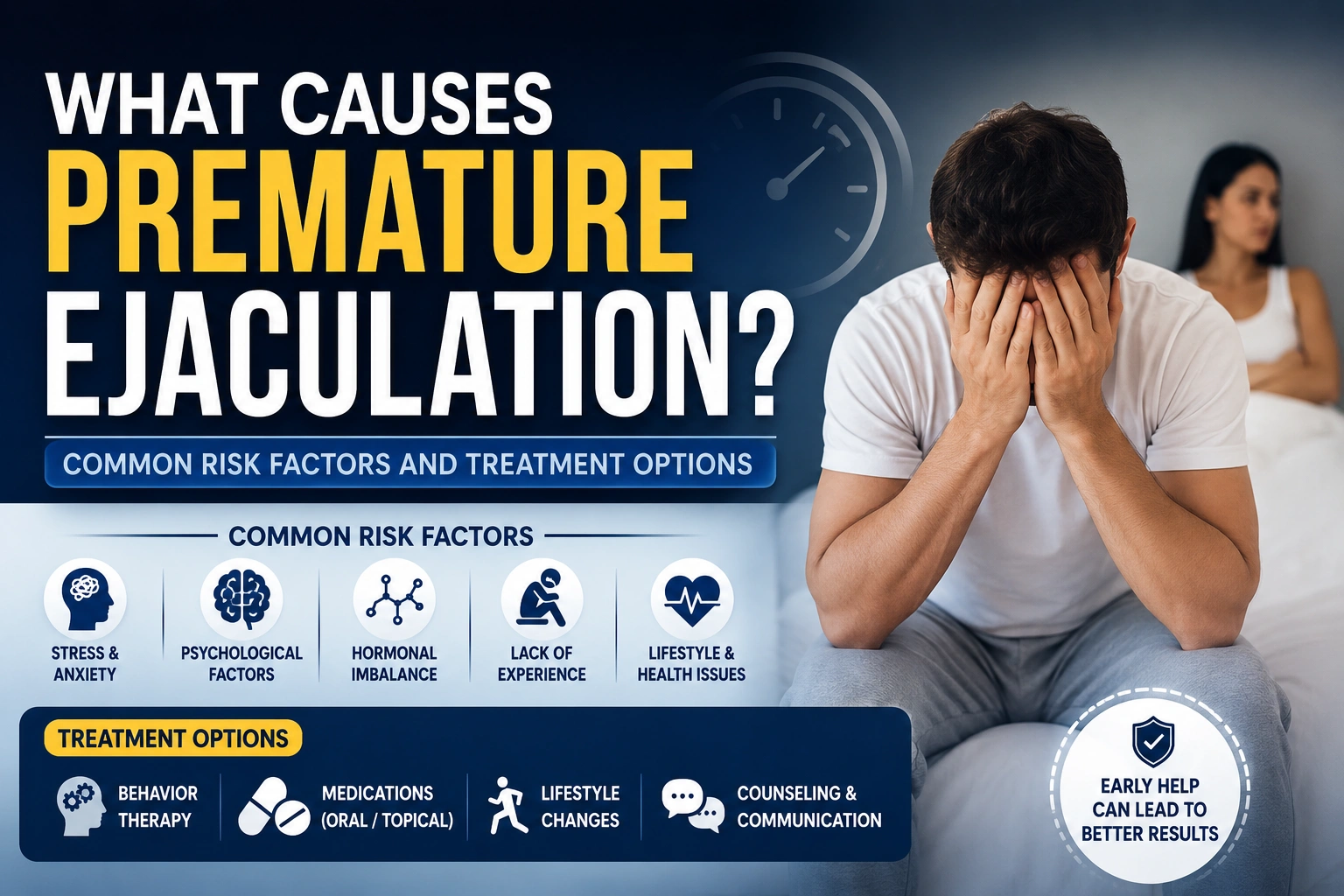
Historically viewed as a purely psychological issue, modern medical science recognizes that PE is driven by a combination of neurochemical, hormonal, and psychological factors.
1. Biological and Neurochemical Factors
Central nervous system signaling plays a pivotal role in ejaculatory control. Key biological drivers include:
- Serotonin Signaling Imbalance: Serotonin (5-HT) is the primary neurotransmitter responsible for delaying ejaculation. Lower levels or altered receptor sensitivity to serotonin in the brain can shorten the ejaculatory latency time.
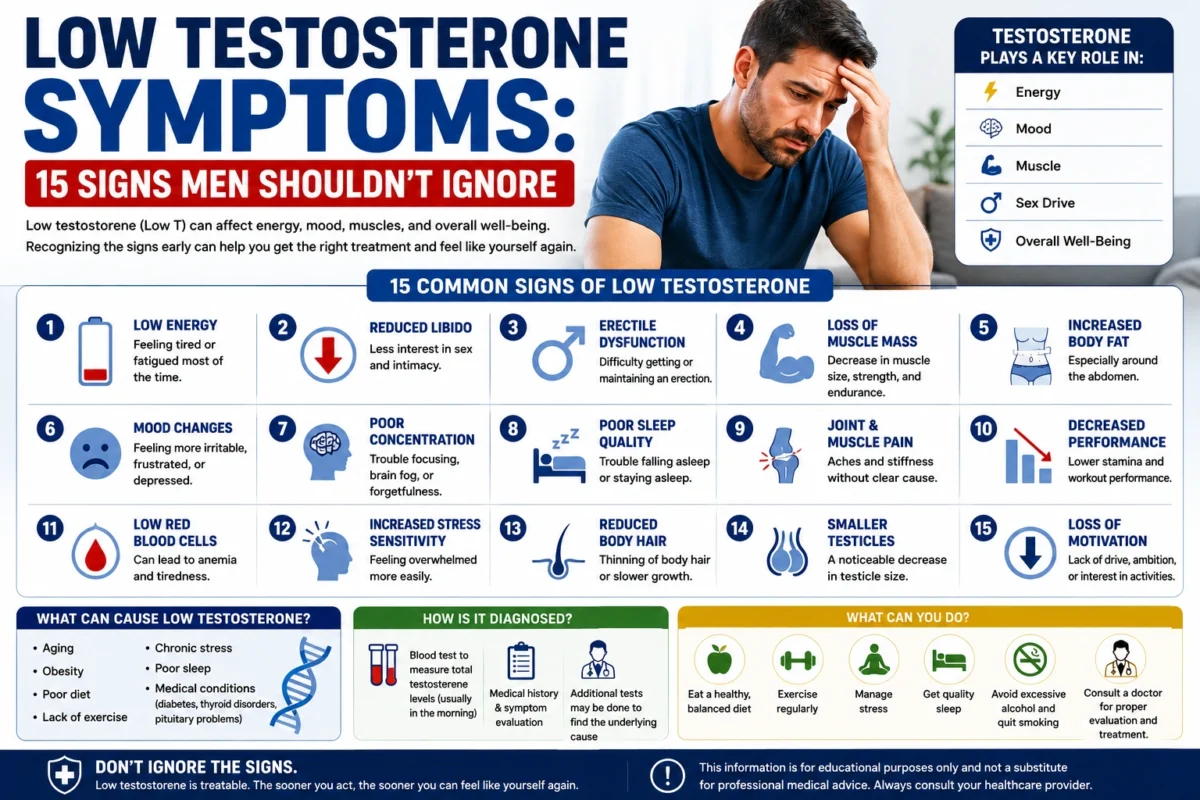
- Hormonal Fluctuations: Abnormal levels of thyroid-stimulating hormone (TSH), prolactin, or testosterone can disrupt normal reproductive reflex pathways.
- Prostate and Urethral Inflammation: Chronic prostatitis or lower urinary tract infections can cause localized hypersensitivity and irritation, triggering involuntary ejaculation reflexes.
2. Psychological Triggers
Emotional and mental well-being are deeply tied to sexual performance. Common psychological factors include performance anxiety, chronic stress, relationship tension, early conditioning, or depression.
The Connection Between PE and Erectile Dysfunction
One of the most frequent underlying risk factors for acquired Premature Ejaculation is co-existing Erectile Dysfunction. Men who experience difficulty achieving or maintaining a firm erection often rush through sexual activity to ejaculate before losing their erection, inadvertently training the body into a pattern of premature climax.
When both conditions occur together, addressing the underlying erectile difficulty is essential for restoring natural ejaculatory control and reducing performance-related anxiety.
Common Risk Factors Matrix
Several health parameters and lifestyle factors can increase an individual’s susceptibility to PE:
| Risk Category | Associated Factor | Physiological Impact on Ejaculation |
|---|---|---|
| Cardiovascular / Vascular Health | Reduced penile blood flow / ED | Prompts rushed sexual performance, leading to secondary premature climax. |
| Urological Conditions | Prostatitis / Urethritis | Increases nerve hypersensitivity throughout pelvic nerve pathways. |
| Endocrine Health | Thyroid Dysfunction (Hyperthyroidism) | Accelerates metabolic and neurological reflex responses, reducing latency time. |
| Psychological State | Performance Anxiety & Stress | Triggers excessive sympathetic nervous system activation (fight-or-flight response). |
Modern Treatment Strategies
Effective management of Premature Ejaculation typically combines behavioral techniques, topical anesthetics, and targeted pharmacological therapies:
1. Behavioral & Psychological Techniques
Methods such as the “Stop-Start” technique and the “Squeeze technique” help individuals recognize and manage their ejaculatory threshold. Pelvic floor muscle exercises (Kegels) can also strengthen the muscles responsible for controlling ejaculatory reflexes.
2. Pharmacological & Combination Therapies
When behavioral strategies are insufficient—or when PE is accompanied by erectile difficulty—physicians often turn to pharmacological options. Fast-acting short-acting SSRIs like **Dapoxetine** specifically target serotonin pathways to delay the ejaculatory response.
To address dual concerns of PE and erectile performance simultaneously, medical providers rely on combined formulations:
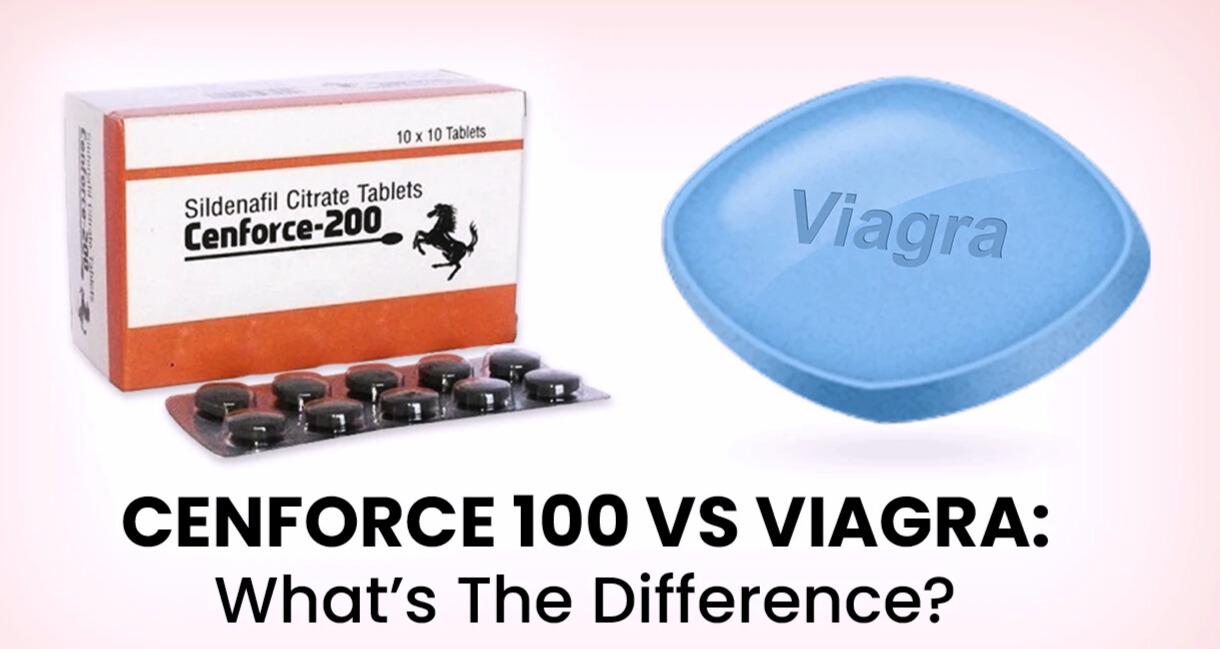
- Dual-Action PDE5i + Dapoxetine Formulations: Combination tablets like Super Kamagra Tablet and Cenforce D combine a vasoactive agent (Sildenafil) with a short-acting SSRI (Dapoxetine). This provides a dual benefit: enhancing penile blood flow while extending ejaculatory control.
For an authoritative breakdown of global clinical research on ejaculatory latency times and serotonin pathway pharmacology, refer to the peer-reviewed National Center for Biotechnology Information (NCBI) PubChem Database.
When to Consult a Specialist
If premature ejaculation occurs regularly, causes personal distress, or creates relationship strain, scheduling an evaluation with a urologist or sexual health specialist is an important step. A specialist can rule out underlying urological infections, evaluate thyroid function, check for underlying vascular issues, and design a safe, tailored treatment plan.
For additional clinical resources and clinical guidelines on managing male sexual health, visit the World Health Organization (WHO) Men’s Health Directory.
Premature Ejaculation Management Checklist
Keep these core guidelines in mind when addressing ejaculatory concerns:
- ✔️ Identify the Type: Determine whether symptoms are lifelong or acquired, as this helps guide treatment selection.
- ✔️ Check for Co-Existing ED: Address any underlying erectile difficulties that may be contributing to performance anxiety.
- ✔️ Try Behavioral Techniques: Practice stop-start methods and pelvic floor exercises to improve physical control.
- ✔️ Discuss Combination Therapies: Consult your doctor about dual-action medications if you experience both PE and erectile concerns.
- ✔️ Seek Professional Care: Always work with a healthcare provider to ensure safe, effective, and tailored treatment.