

Fenbendazole 444 mg for Lung Cancer: What Do Preclinical Studies Suggest?

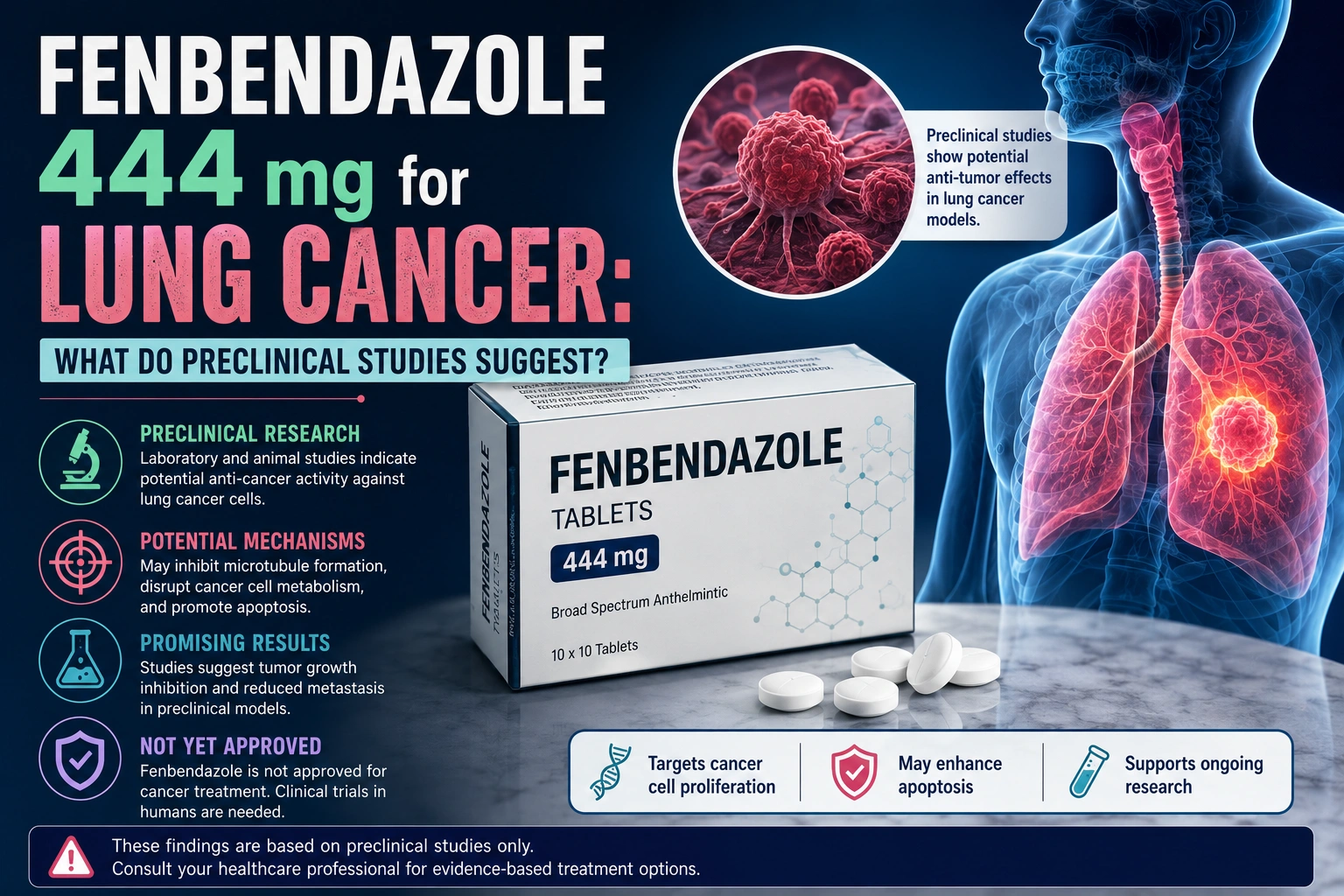
Fenbendazole 444 mg for Lung Cancer: What Do Preclinical Studies Suggest?
Critical Medical & Regulatory Notice
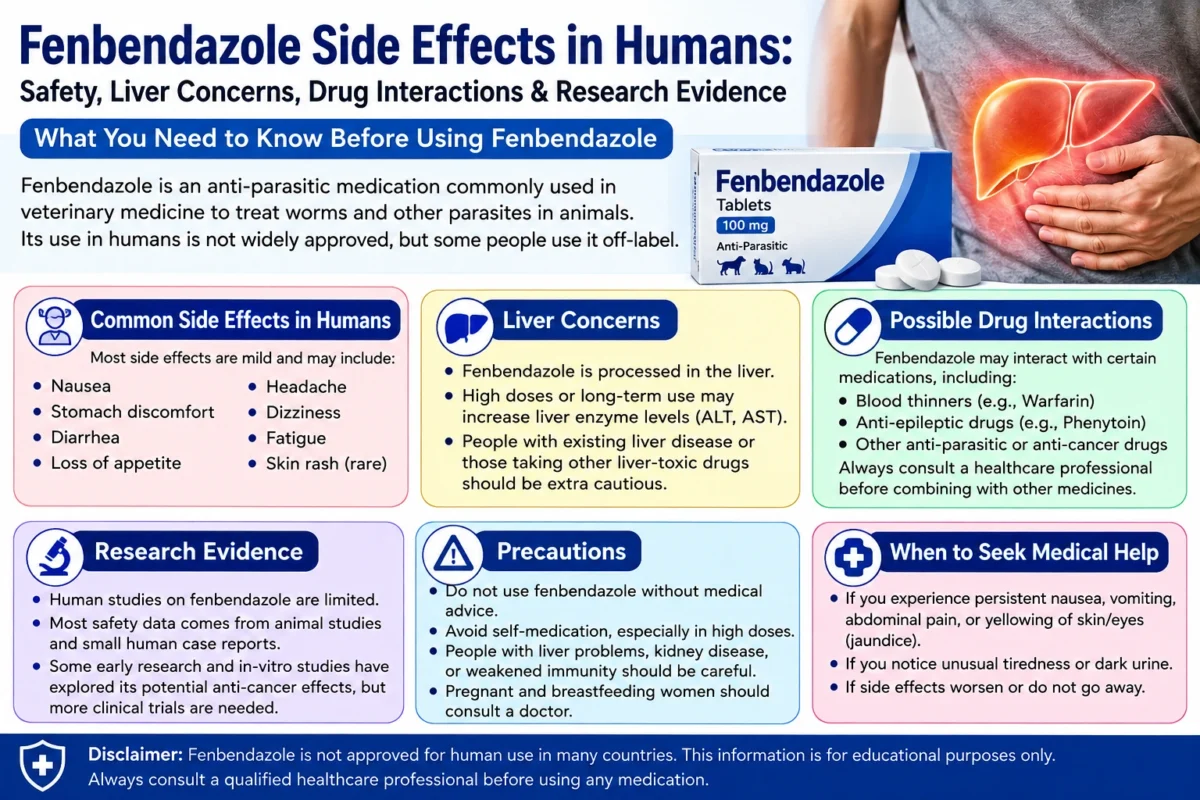
Fenbendazole is a veterinary broad-spectrum benzimidazole anthelmintic approved exclusively for treating intestinal parasites in animals. It is not approved by the US FDA, EMA, or any major human health authority for the treatment or prevention of cancer in humans. Evidence evaluating Fenbendazole in lung cancer is currently limited to in vitro (cell culture) and in vivo (animal model) laboratory experiments. Unsupervised use of veterinary anthelmintics can cause significant hepatic toxicity, delay proven oncology treatments, and trigger dangerous interactions with chemotherapy regimens. Always consult a licensed oncologist before considering off-label integrative therapies.
In recent years, the repurposing of non-oncology pharmaceuticals—known clinically as drug repositioning—has drawn significant interest within integrative oncology. Researchers investigate existing medications with established toxicity profiles to determine if their molecular mechanisms can disrupt cancer cell survival. Among these compounds, the veterinary dewormer **Fenbendazole** has garnered widespread public attention and online discussion.
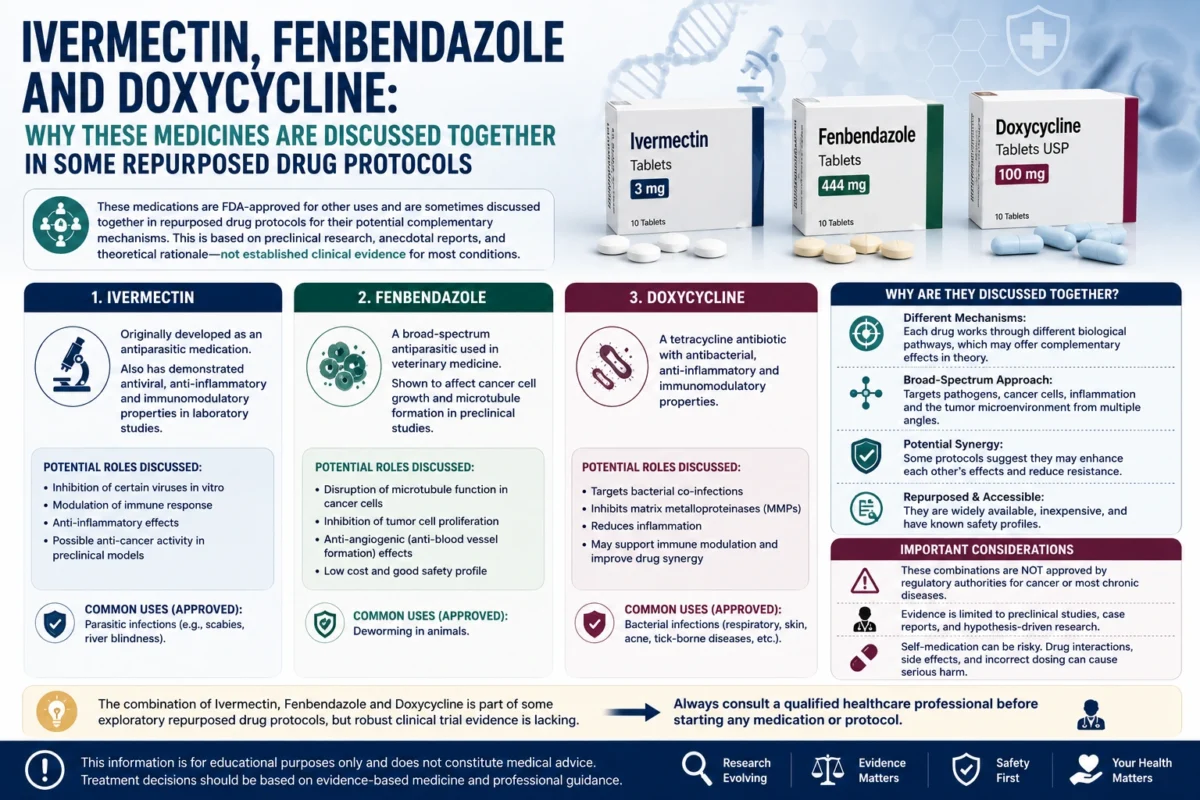
Public interest has specifically centered on fixed-milligram protocols, such as **Fenbendazole 444 mg**, as potential alternative adjunctive therapies for aggressive solid tumors like Non-Small Cell Lung Cancer (NSCLC). For product context, see Fenbendazole 444 Mg Tablets, compare with Fenbendazole 500 Mg Tablets, or browse all Fenbendazole products.
However, distinguishing between viral online anecdotes and rigorous scientific evidence is vital for patient safety. This clinical report examines what published peer-reviewed preclinical studies actually show regarding Fenbendazole’s mechanisms against lung cancer cells, its pharmacokinetic limitations, and its current status in evidence-based medicine.
What Preclinical Studies Reveal: Proposed Anti-Cancer Mechanisms
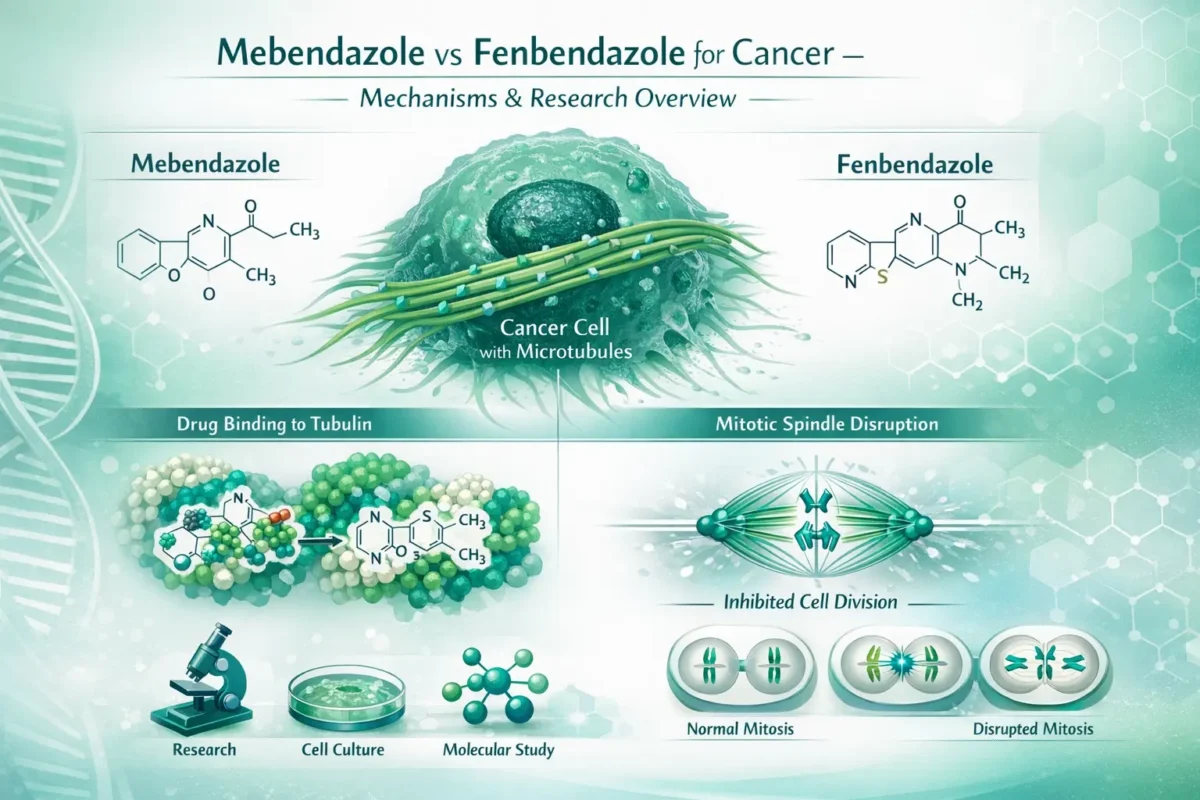
Laboratory research investigating benzimidazoles (including Fenbendazole, Mebendazole, and Albendazole) demonstrates that these compounds can interfere with several pathways vital to cancer cell proliferation:
Key Molecular Pathways Evaluated in Laboratories
1. Microtubule Polymerization Inhibition: Similar to conventional chemotherapy drugs (such as paclitaxel or vincristine), Fenbendazole binds to $\beta$-tubulin. In lab cultures, this disrupts microtubule dynamics, causing cell-cycle arrest at the $G_2/M$ phase and preventing cancer cells from dividing.
2. Suppression of Glucose Uptake: Cancer cells rely heavily on accelerated glucose consumption (the Warburg Effect). By damaging intracellular microtubule networks, Fenbendazole downregulates glucose transporter 4 (GLUT4) expression and inhibits key glycolytic enzymes, effectively starving malignant cells of energy in cell-culture models.
3. p53 Stabilization & Apoptosis Activation: Certain in vitro studies indicate that Fenbendazole induces stabilization of the tumor suppressor protein p53, triggering programmed cell death (apoptosis) in human non-small cell lung cancer cell lines (such as A549).
4. Anti-Angiogenesis: Laboratory experiments suggest Fenbendazole may reduce the expression of Vascular Endothelial Growth Factor (VEGF), potentially inhibiting the formation of new blood vessels that nourish expanding tumors.
Laboratory Models vs. Human Physiology: The Bioavailability Hurdle
While in vitro petri-dish experiments show that Fenbendazole can kill cultured lung cancer cells, translating these findings to human patients presents massive scientific hurdles:
1. Extremely Poor Intestinal Absorption
Fenbendazole is highly lipophilic and poorly soluble in water. In mammalian digestive tracts, less than 10% to 20% of an oral dose is absorbed into the bloodstream. While this low absorption is ideal for treating intestinal parasites (keeping the drug inside the gut lumen), it makes achieving therapeutic anti-cancer concentrations in distant organs—such as the lungs—extremely difficult without massive doses that increase liver toxicity risks.
2. Lack of Human Clinical Trials
As of 2026, there are zero completed, randomized, double-blind human clinical trials published in peer-reviewed medical literature evaluating Fenbendazole for lung cancer. The vast majority of supportive claims originate from isolated case reports, self-reported online testimonials, or studies conducted in mice.
To evaluate the exact chemical profile and published research data on benzimidazole compounds, researchers consult the peer-reviewed National Center for Biotechnology Information (NCBI) PubChem Database.
Evidence Matrix: Lab Findings vs. Clinical Reality
The table below contrasts the laboratory observations of Fenbendazole against its current clinical reality in human oncology:
| Parameter | Laboratory / Preclinical Finding | Human Clinical Reality & Limitation |
|---|---|---|
| Mechanism of Action | Disrupts microtubule assembly and inhibits glucose transport in petri dishes. | Doses required to replicate these effects in human lungs may exceed safe toxicity thresholds. |
| Evidence Quality | Demonstrated activity in cell lines (e.g., A549) and mouse xenograft models. | No prospective human clinical trials exist confirming safety or efficacy. |
| Pharmacokinetics | Sufficient concentration achieved in localized animal tissue assays. | Poor oral absorption limits systemic distribution to human lung tissue. |
| Safety & Toxicity | Well-tolerated in veterinary species over short deworming cycles. | High-dose, long-term human use risks severe hepatotoxicity (elevated ALT/AST) and bone marrow suppression. |
Dosing Formulations and Toxicity Risks
In veterinary medicine, anthelmintics are manufactured in specific tablet strengths scaled to animal body weight for short 3-to-5-day deworming cycles:
- Veterinary Dosing Strengths: Veterinary products range from lower options like Fenbendazole 150 Mg Tablets to higher animal formulations like Fenbendazole 444 Mg Tablets and Fenbendazole Tablets 500 Mg.
- Risk of Cumulative Liver Toxicity: Unlike short veterinary parasite treatments, self-administered “cancer protocols” often involve taking 444 mg daily for months. Long-term accumulation can cause drug-induced liver injury (DILI), neutropenia, and severe elevation of liver enzymes (ALT/AST).
- Chemotherapy Interactions: Fenbendazole is processed by hepatic CYP450 enzymes. Combining it with standard lung cancer treatments (such as pemetrexed, carboplatin, or targeted EGFR inhibitors) can dangerously alter chemotherapy blood levels, either increasing drug toxicity or neutralizing therapeutic effects.
Mebendazole: The Human-Grade Benzimidazole Alternative
For patients interested in the scientific concept of benzimidazole repurposing, oncologists point out that **Mebendazole** is a human-grade pharmaceutical analogue in the same chemical class. Unlike Fenbendazole, Mebendazole has established human safety data, known pharmacokinetic profiles, and is currently being studied in formal Phase I/II human clinical trials for brain and solid tumors.
For official evidence-based cancer treatment protocols and verified clinical trial registries, visit the National Cancer Institute (NCI) Comprehensive Cancer Directory.
Oncology Consultation Checklist
If you or a loved one are considering integrative cancer therapies, keep these essential steps in mind:
- ✔️ Be Transparent with Your Oncologist: Fully disclose any non-prescribed supplements or re-purposed drugs you are taking or considering.
- ✔️ Do Not Delay Proven Therapies: Never pause or replace FDA-approved chemotherapy, immunotherapy, or targeted therapy for unproven protocols.
- ✔️ Monitor Liver Enzymes Regularly: If taking off-label compounds, baseline and routine liver function blood tests are vital to catch hepatic strain early.
- ✔️ Distinguish In Vitro from In Vivo: Remember that killing cancer cells in a petri dish does not automatically mean a compound works safely inside human lungs.
- ✔️ Explore Clinical Trials: Ask your oncologist about participating in formal, supervised human clinical trials investigating novel or repurposed cancer therapies.