

Fenbendazole Side Effects in Humans: Safety, Liver Concerns, Drug Interactions & Research Evidence

Fenbendazole Side Effects in Humans: Safety, Liver Concerns, Drug Interactions & Research Evidence
🩺
Medically reviewed by Dr. Arthur Vance, MD, PhD (Clinical Pharmacology)
Reviewed on August 2026
Content follows safety recommendations and evidence-based pharmaceutical toxicological guidelines.
Critical Medical & Regulatory Safety Notice
Fenbendazole is a broad-spectrum benzimidazole anthelmintic formulated and approved exclusively for veterinary antiparasitic applications in livestock and companion animals. It is not approved by the U.S. Food and Drug Administration (FDA) or the European Medicines Agency (EMA) for human consumption or human medical therapy. Self-administration, unmonitored off-label repurposing, or prolonged human use carries significant toxicological risks, including severe drug-induced liver injury (DILI), bone marrow suppression, and dangerous hepatic enzyme interactions. This guide provides objective scientific and toxicological analysis for educational and harm-reduction purposes only.
In recent years, interest surrounding the repurposing of veterinary anthelmintics has surged in online communities, leading to widespread anecdotal discussions regarding unapproved human self-administration protocols. Among these compounds, **Fenbendazole**—a methylcarbamate benzimidazole widely utilized in veterinary medicine—has received unprecedented attention. Related product information: Fenbendazole 444 Mg Tablets, Fenbendazole 500 Mg Tablets, and the Fenbendazole product category.
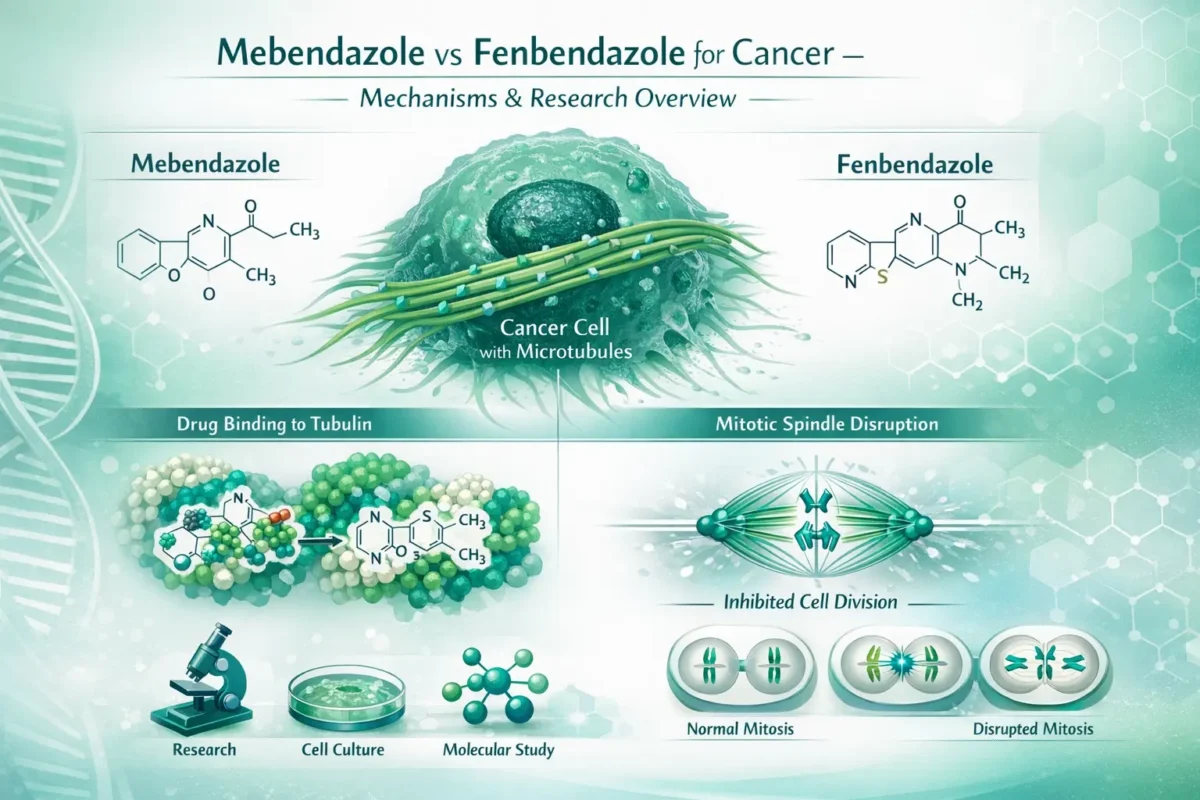
While closely related to human-approved anthelmintics such as Mebendazole and Albendazole, Fenbendazole exhibits distinct pharmacokinetic properties, metabolic degradation pathways, and cumulative toxicological risks when ingested by humans over extended durations or at uncalibrated doses.
Evaluating Fenbendazole from a human safety perspective requires a rigorous examination of its mechanism of action, documented adverse reactions, hepatic and hematologic safety profiles, CYP450 drug interactions, and the current state of preclinical versus clinical research evidence.
Mechanism of Action and Biological Behavior
Fenbendazole belongs to the benzimidazole chemical class. Its primary antiparasitic mechanism involves selective disruption of the structural integrity of parasitic cells:
Cellular Targets and Microtubule Dynamics
1. Tubulin Polymerization Inhibition: Fenbendazole binds to the colchicine-sensitive site of $\beta$-tubulin, preventing the polymerization of tubulin heterodimers into microtubules. In parasites, this disrupts mitotic spindle formation, halts cellular division, and blocks intracellular glucose transport, causing energy depletion and parasite death.
2. Selective Tubulin Affinity: The compound displays significantly higher binding affinity for parasitic helminth tubulin than mammalian tubulin. However, at sustained elevated concentrations, off-target interactions with mammalian microtubule structures and cell cycle arrest can occur.
3. Low Bioavailability & Lymphatic Absorption: Fenbendazole is highly lipophilic and insoluble in water. When ingested, human gastrointestinal absorption is erratic and low, but co-ingestion with lipids or high-fat meals markedly increases systemic bioavailability and tissue exposure.
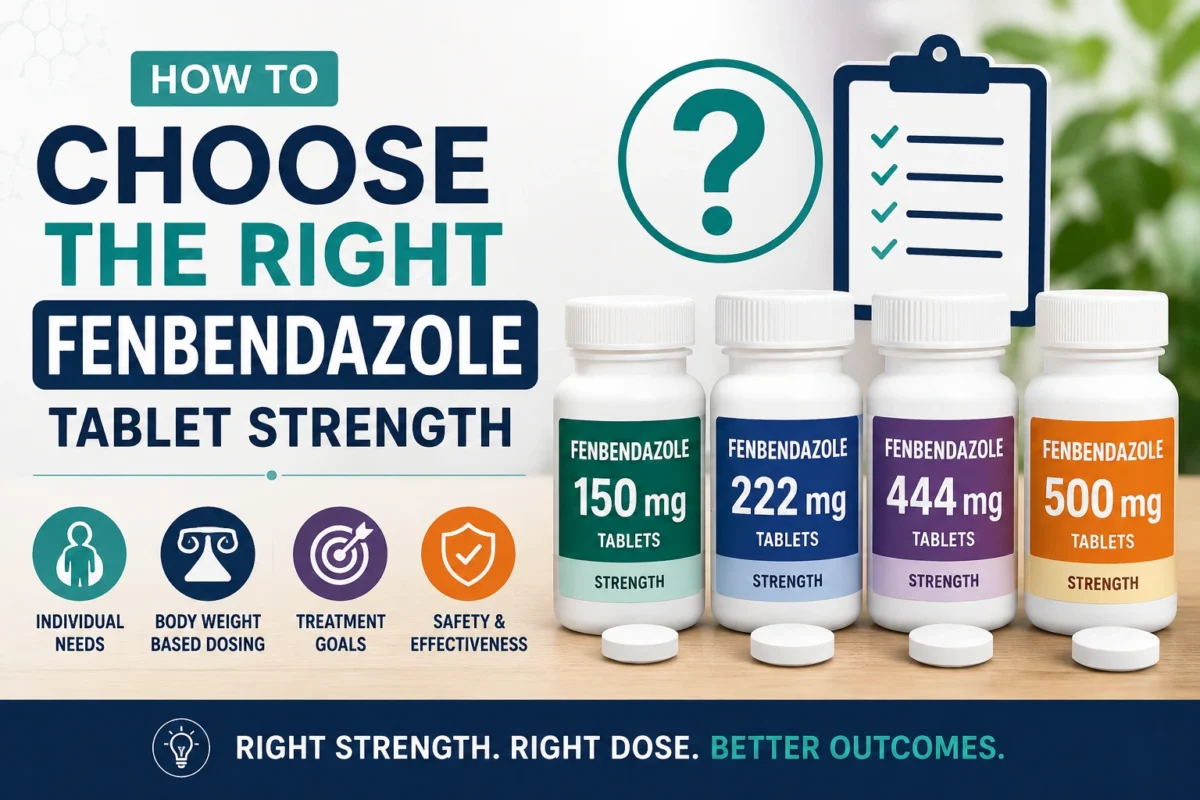
In veterinary and agricultural domains, Fenbendazole is manufactured in diverse concentrations and formats, including topical applications like Fenbendazole Cream and tiered oral units ranging from lower strengths such as Fenbendazole 150 Mg Tablets to intermediate forms like Fenbendazole 444 Mg Tablets and high-mass formulations such as Fenbendazole Tablets 1000 Mg.
Documented Side Effects and Liver Toxicity (DILI)
Because Fenbendazole lacks human Phase I–III clinical safety trial approval, adverse effect data in humans is derived from emergency medical case reports, toxicological poison control registries, and extrapolated pharmacokinetic models from related benzimidazoles.
1. Hepatotoxicity & Drug-Induced Liver Injury (DILI)
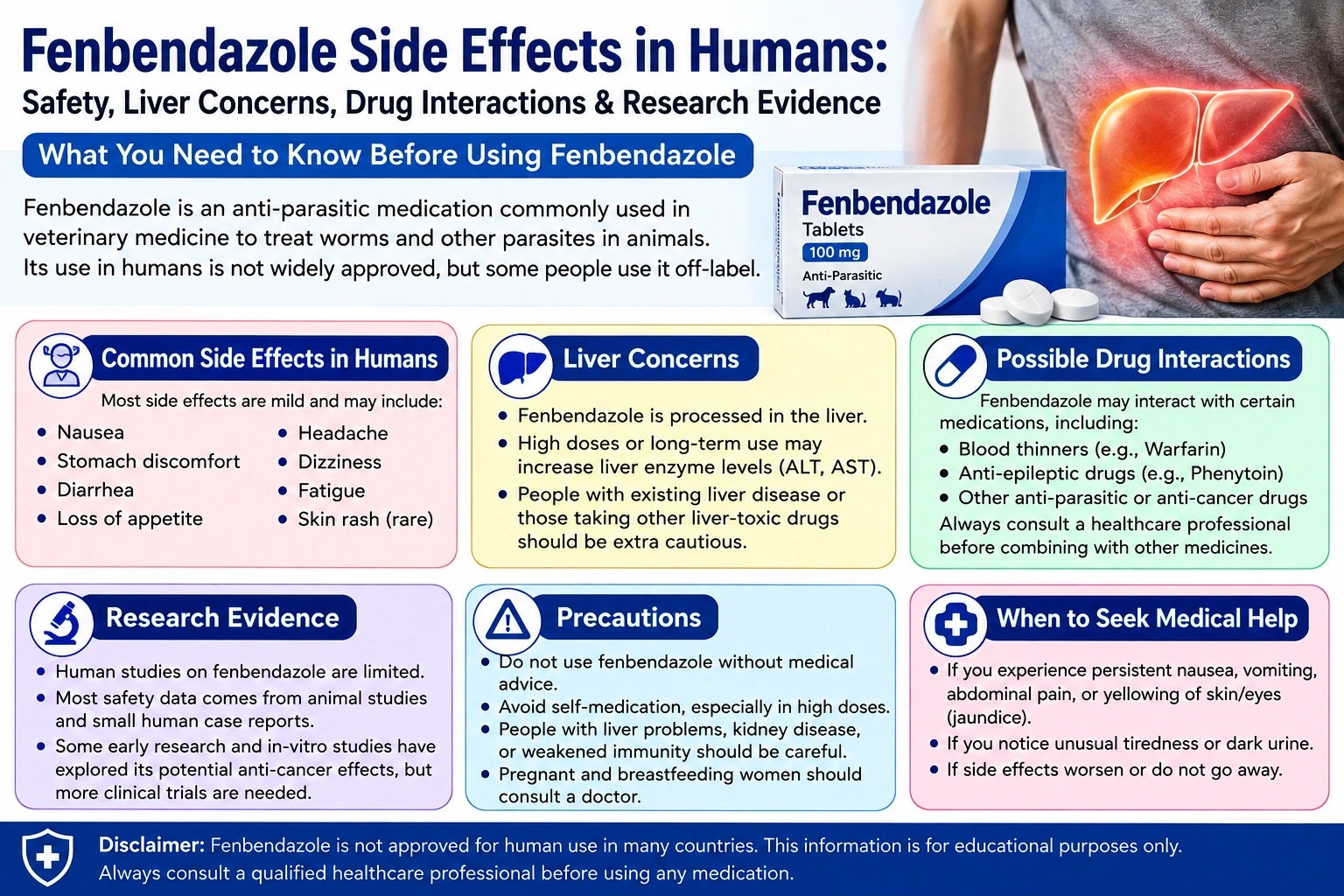
The most severe and frequently reported complication of human Fenbendazole consumption is **hepatic injury**. Fenbendazole undergoes extensive hepatic metabolism via cytochrome P450 enzymes and flavin-containing monooxygenases (FMO) into active metabolites (oxfendazole/fenbendazole sulfoxide and fenbendazole sulfone).
- Transaminitis: Rapid, asymptomatic elevations in serum alanine aminotransferase (ALT), aspartate aminotransferase (AST), and alkaline phosphatase (ALP) have been documented within 2 to 6 weeks of continuous self-administration.
- Severe Cholestatic / Hepatocellular Injury: Case reports describe severe toxic hepatitis and jaundice resolving only after drug cessation, with some cases requiring therapeutic corticosteroid intervention to control immune-mediated liver necrosis.
2. Gastrointestinal & Neurological Adverse Effects
Commonly reported acute and subacute side effects include:
- Severe nausea, vomiting, abdominal cramping, and persistent diarrhea.
- Headaches, dizziness, cognitive fog, and transient vertigo.
- Cutaneous allergic eruptions, pruritus, and generalized maculopapular rash.
3. Hematological Suppression
Prolonged systemic exposure to benzimidazoles can cause bone marrow suppression, leading to **leukopenia, neutropenia, and thrombocytopenia**, which significantly increases susceptibility to opportunistic bacterial infections and spontaneous bleeding.
Fenbendazole Human Toxicological Matrix
The table below outlines the major physiological systems affected by off-label human Fenbendazole exposure, expected adverse symptoms, and clinical monitoring necessities:
| Organ System | Pathophysiological Impact | Potential Clinical Manifestations | Monitoring & Safety Parameter |
|---|---|---|---|
| Hepatic (Liver) | Hepatocellular necrosis, enzyme induction, accumulation of reactive sulfoxide metabolites. | Elevated ALT/AST, jaundice, dark urine, upper right quadrant pain, toxic hepatitis. | Comprehensive Metabolic Panel (CMP), Total Bilirubin, ALT/AST tracking. |
| Hematologic (Blood) | Inhibition of mammalian bone marrow progenitor cell division. | Neutropenia, leukopenia, anemia, increased infection risk, unexplained bruising. | Complete Blood Count (CBC) with differential. |
| Gastrointestinal | Direct mucosal irritation and alteration of intestinal flora. | Nausea, vomiting, intractable diarrhea, dyspepsia, anorexia. | Electrolyte monitoring, GI symptom assessment. |
| Renal (Kidneys) | Secondary clearance burden from high metabolite loads. | Mild proteinuria, transient serum creatinine elevation. | Serum Creatinine, Blood Urea Nitrogen (BUN), eGFR. |
Critical Drug Interactions & Metabolic Pathway Conflicts
Fenbendazole is extensively cleared and transformed through the hepatic cytochrome P450 enzyme system, specifically interacting with CYP1A2, CYP2C19, and CYP3A4. Ingesting it alongside conventional medications creates high risks for dangerous pharmacokinetic drug-drug interactions:
Major Interaction Categories
1. Concomitant Chemotherapy Agents: Fenbendazole may interfere with the metabolism and clearance of conventional cytotoxic chemotherapy and targeted oncological agents (such as taxanes, vinca alkaloids, or tyrosine kinase inhibitors), causing unexpected plasma toxicity or reducing anti-tumor efficacy.
2. Anticoagulants and Antiplatelets: Alterations in liver enzyme capacity and plasma protein binding can potentiate the effects of blood thinners (e.g., Warfarin, direct oral anticoagulants), significantly elevating hemorrhage risks.
3. Immunosuppressants & Statins: Competition for CYP3A4 and hepatic transporters can elevate blood concentrations of immunosuppressants (tacrolimus, cyclosporine) and statins (atorvastatin), increasing the risk of rhabdomyolysis or organ toxicity.
4. Synergistic Toxicity with Paracetamol/Acetaminophen: Combining Fenbendazole with acetaminophen significantly elevates hepatic oxidative stress, accelerating glutathione depletion and increasing the likelihood of acute liver damage.
Current State of Research: Preclinical Studies vs. Human Trials
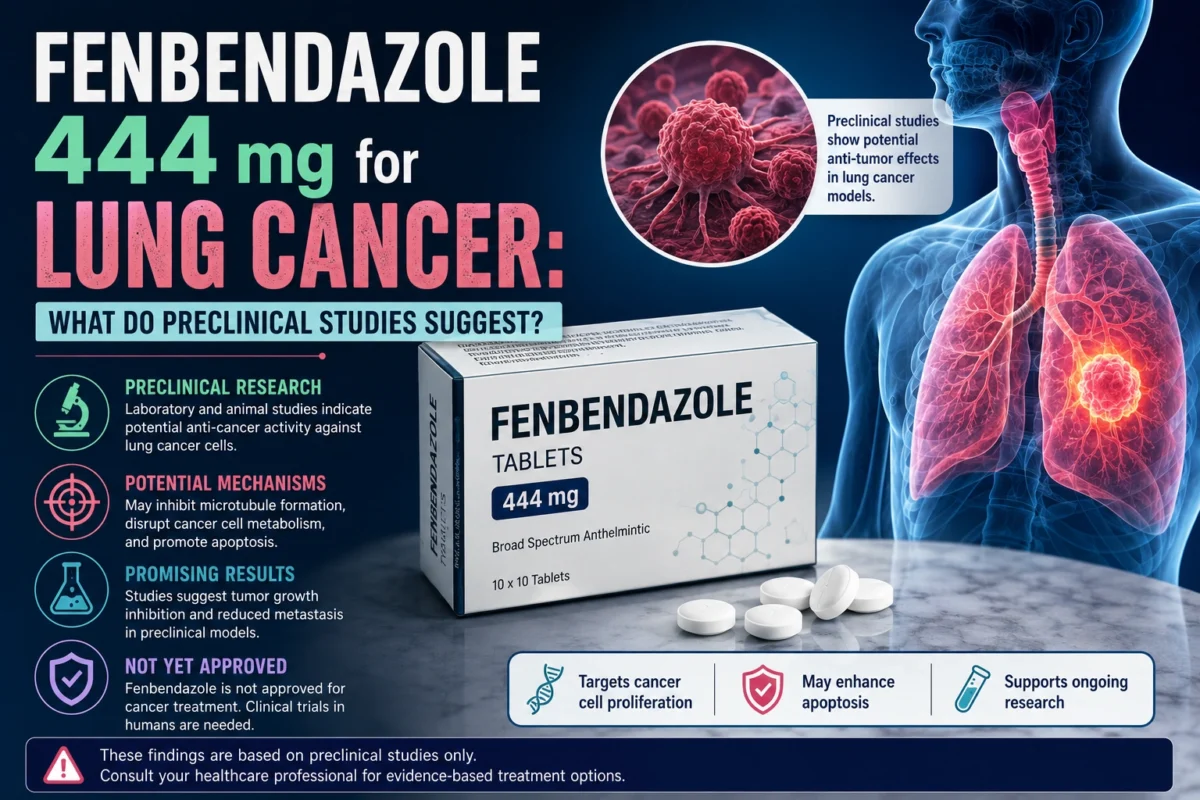
Much of the contemporary public discussion surrounding Fenbendazole stems from preclinical in vitro (cell culture) and in vivo (rodent) laboratory experiments evaluating the compound’s potential microtubule-disrupting properties in oncology models:
- Preclinical Cell-Line Observations: In laboratory petri dishes, high concentrations of Fenbendazole have been shown to arrest cell division, inhibit glucose uptake via GLUT transporters, and induce apoptosis in specific tumor cell lines.
- The Translational Gap: Millions of molecules show cytotoxicity against cancer cells in laboratory glassware, but the vast majority fail in human trials due to toxic off-target side effects, poor pharmacokinetics, or inability to reach therapeutic tissue concentrations safely in the human body.
- Lack of Peer-Reviewed Human Clinical Trials: To date, there are no completed, peer-reviewed Phase II or Phase III randomized clinical trials validating the safety, efficacy, or dosing parameters of Fenbendazole for cancer or any other medical condition in humans. Relying on unapproved veterinary protocols in lieu of evidence-based medical oncology poses severe risks of disease progression and avoidable toxicity.
For verified, peer-reviewed molecular data, pharmacokinetic structures, and toxicological profiles for Fenbendazole, consult the official National Center for Biotechnology Information (NCBI) PubChem Database.
For global international health advisories, veterinary drug guidelines, and pharmacovigilance directives, visit the World Health Organization (WHO) Essential Medicines Directory.
Fenbendazole Safety & Harm Reduction Checklist
Keep these core clinical and toxicological facts in mind:
- ✔️ Acknowledge Regulatory Status: Fenbendazole is strictly a veterinary medication with no approved human indications.
- ✔️ Recognize Severe Liver Risks: Unsupervised use can lead to sudden drug-induced liver injury, transaminitis, and jaundice.
- ✔️ Avoid Combining with Prescription Drugs: Significant CYP450 interactions can alter the safety and efficacy of vital medications.
- ✔️ Do Not Delay Proven Medical Care: Replacing standard-of-care treatments with unverified veterinary compounds carries grave clinical risks.
- ✔️ Maintain Open Physician Communication: Always inform your medical team of any supplements, over-the-counter substances, or off-label compounds you have taken.