


Cilnidipine 10 mg Uses: How It Works, Side Effects & Key Safety Information

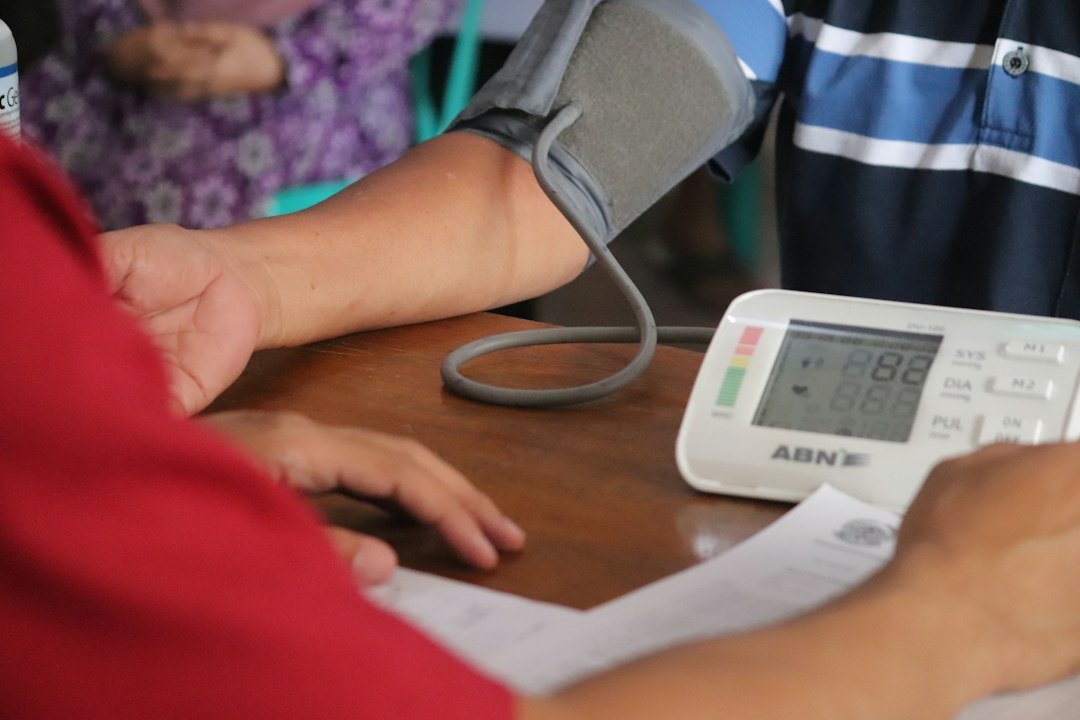
Cilnidipine 10 mg is a prescription calcium channel blocker used in the treatment of high blood pressure (hypertension). It belongs to the dihydropyridine class and is distinguished by its activity at both L-type and N-type calcium channels. This article explains what Cilnidipine 10 mg is used for, how it works, common side effects, precautions and questions patients often search for online.
What Is Cilnidipine 10 mg Used For?
Cilnidipine 10 mg is primarily used to help lower high blood pressure in adults when prescribed by a healthcare professional. Controlling persistently elevated blood pressure is an important part of reducing strain on the heart, blood vessels, brain and kidneys.
Cilnidipine may be prescribed alone or as part of combination antihypertensive therapy depending on the patient’s blood pressure, other medical conditions, response to treatment and clinician assessment.
How Does Cilnidipine Work?
Cilnidipine blocks calcium entry through L-type calcium channels in vascular smooth muscle, helping blood vessels relax and widen. It also acts on N-type calcium channels involved in sympathetic nerve activity. This dual L/N-type action is one of the pharmacological features that distinguishes cilnidipine from some older calcium channel blockers.
Clinical reviews and meta-analyses have found cilnidipine effective for blood-pressure reduction, with antihypertensive efficacy broadly comparable with other commonly used calcium channel blockers. Treatment choice should still be individualized by a clinician.
Cilnidipine 10 mg at a Glance
| Active ingredient | Cilnidipine |
|---|---|
| Strength | 10 mg |
| Dosage form | Tablet |
| Drug class | Calcium channel blocker |
| Main use | Hypertension (high blood pressure) |
| Prescription medicine | Yes |
How Is Cilnidipine 10 mg Taken?
Cilnidipine should be taken exactly as prescribed. The appropriate dose and timing depend on the patient’s blood pressure, medical history, other medicines and response to treatment. Do not increase, reduce or stop an antihypertensive medicine without discussing it with the prescribing clinician.
If a dose is missed, follow the instructions provided by your healthcare professional or product leaflet. Avoid taking extra doses to compensate unless specifically instructed.
What Are the Common Side Effects of Cilnidipine?
Possible side effects can include headache, dizziness, flushing, tiredness, palpitations or swelling of the ankles or legs. Not everyone experiences these effects. Persistent, troublesome or severe symptoms should be discussed with a healthcare professional.
Seek urgent medical care for symptoms such as fainting, severe allergic reaction, significant breathing difficulty, severe chest symptoms or other acute reactions.
Cilnidipine and Ankle Swelling
Peripheral or ankle edema can occur with calcium channel blockers. Some studies and reviews have reported a lower incidence of pedal edema with cilnidipine compared with certain L-type-only calcium channel blockers, but this does not mean swelling cannot occur. New or worsening leg swelling should be evaluated rather than assumed to be harmless.
Cilnidipine vs Amlodipine: Key Differences
| Feature | Cilnidipine | Amlodipine |
|---|---|---|
| Drug class | Calcium channel blocker | Calcium channel blocker |
| Main channel activity | L-type and N-type calcium channels | Predominantly L-type calcium channels |
| Main use | Hypertension | Hypertension and other cardiovascular indications depending on the patient |
| Blood-pressure effect | Effective antihypertensive therapy when appropriately prescribed | Effective antihypertensive therapy when appropriately prescribed |
| Ankle swelling | Can occur; some comparative studies report a lower incidence than with certain L-type-only CCBs | Peripheral edema is a recognized adverse effect |
| Switching medicines | Should be decided by the prescribing clinician; the medicines are not interchangeable on a milligram-for-milligram basis | |
Both medicines are calcium channel blockers used for hypertension. Amlodipine predominantly blocks L-type calcium channels, while cilnidipine blocks both L-type and N-type channels. Available comparative studies suggest both can lower blood pressure effectively. The best medicine for an individual patient depends on tolerability, other health conditions, current medicines and the prescriber’s assessment.
Do not switch between cilnidipine and amlodipine based on an online comparison.
Who Should Use Extra Caution?
Before taking cilnidipine, tell your healthcare professional about heart disease, liver or kidney problems, very low blood pressure, pregnancy or breastfeeding, and all prescription medicines, non-prescription medicines and supplements you use. Combining blood-pressure medicines can increase the blood-pressure-lowering effect and may require monitoring.
Can Cilnidipine Be Stopped Suddenly?
Do not stop prescribed blood-pressure treatment simply because your readings improve. Good readings may reflect that the treatment is working. A clinician should decide whether the dose should be changed or treatment discontinued.
Cilnidipine 10 mg Product Information
Related product: Cilnidipine 10 mg Tablets — view the product page for pack options, prescription information, precautions and international availability.
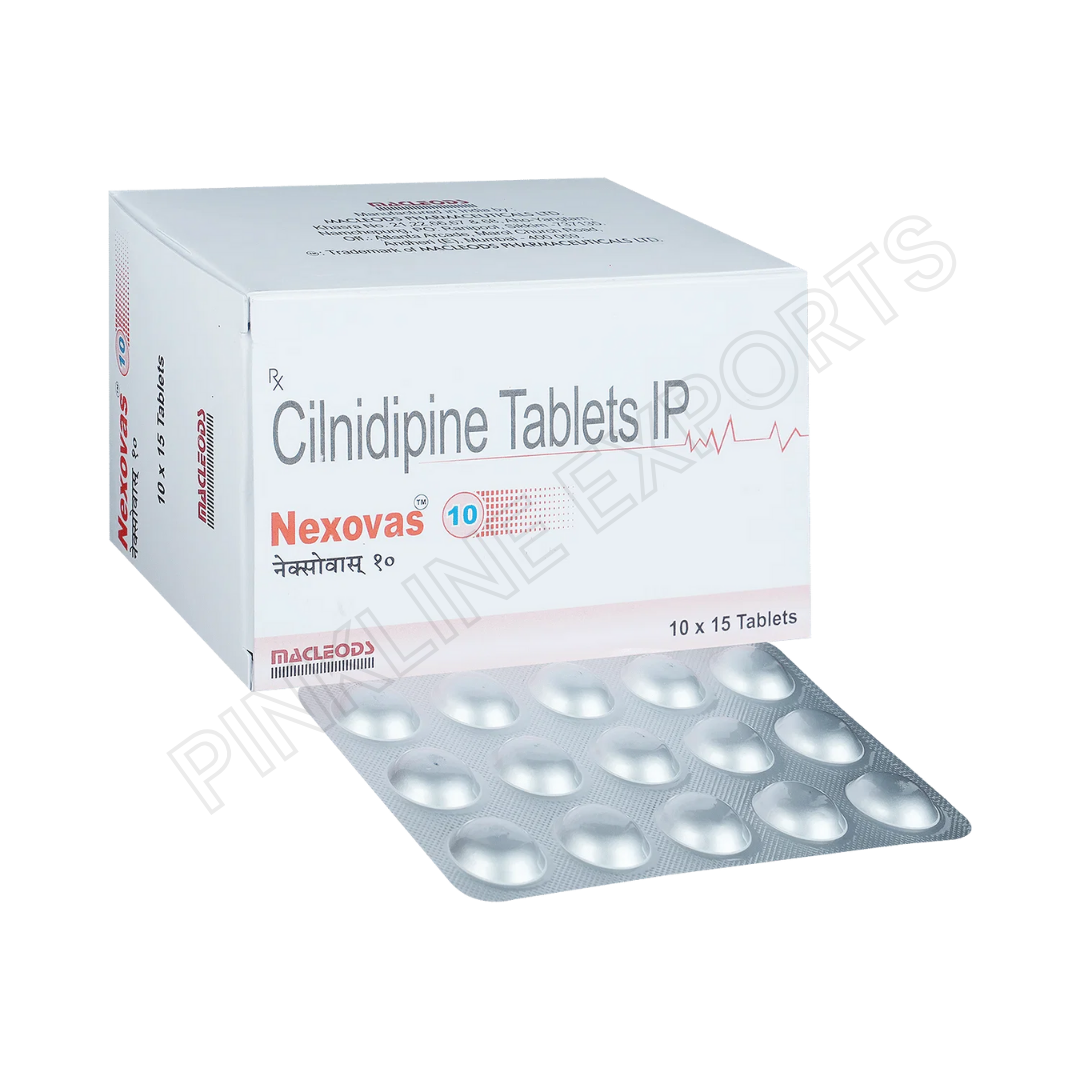
A lower-strength Cilnidipine 5 mg tablet is also listed for product information. Strength selection should be determined by the prescribing clinician.
Frequently Asked Questions
What is Cilnidipine 10 mg used for?
Cilnidipine 10 mg is used under medical supervision to help treat high blood pressure (hypertension).
Is Cilnidipine 10 mg a blood-pressure medicine?
Yes. Cilnidipine is a calcium channel blocker prescribed for hypertension.
How does Cilnidipine lower blood pressure?
It blocks L-type calcium channels in blood-vessel smooth muscle, helping the vessels relax, and also blocks N-type calcium channels associated with sympathetic nerve activity.
What are the common side effects of Cilnidipine?
Possible effects include dizziness, headache, flushing, tiredness, palpitations and peripheral swelling. Contact a clinician if symptoms are persistent, severe or concerning.
Is Cilnidipine the same as amlodipine?
No. Both are calcium channel blockers used for hypertension, but their calcium-channel activity differs. A prescriber should determine which medicine is appropriate.
Can I stop Cilnidipine when my blood pressure becomes normal?
Do not stop prescribed antihypertensive treatment without speaking with your clinician. Controlled readings may mean the treatment is working.
Medical References
- Cilnidipine, a Dual L/N-type Ca2+ Channel Blocker in Hypertension Management: A Review
- Efficacy of Cilnidipine in Treatment of Hypertension: A Meta-Analysis
- Pharmacological Properties of Cilnidipine: A Fourth-generation Calcium Channel Blocker
Medical disclaimer: This article is for general educational purposes and does not replace diagnosis, prescribing advice or individualized care from a qualified healthcare professional. Use prescription medicines only as directed by your clinician.

