

Foracort vs Symbicort: Similarities and Differences

Foracort vs. Symbicort: Similarities, Differences, and Clinical Comparison
Critical Medical & Pulmonology Notice
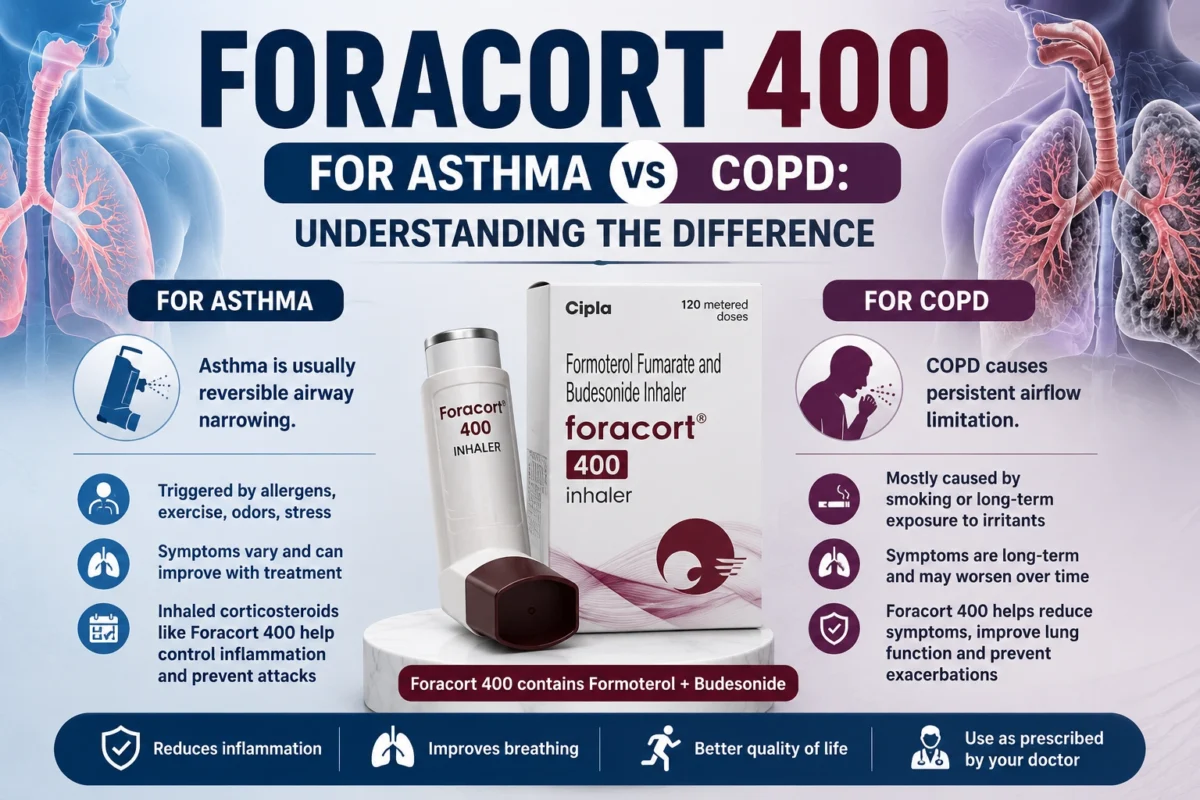
Both Foracort and Symbicort are combination inhalation therapies containing an Inhaled Corticosteroid (ICS) and a Long-Acting Beta2-Agonist (LABA). They are prescribed for the maintenance management of Asthma and Chronic Obstructive Pulmonary Disease (COPD). Neither medication is intended for use as a standalone rescue inhaler during acute, severe bronchospasms unless explicitly prescribed under a SMART (Single Maintenance and Reliever Therapy) protocol by a licensed pulmonologist. Always consult your physician before modifying dosage or switching inhaler devices.
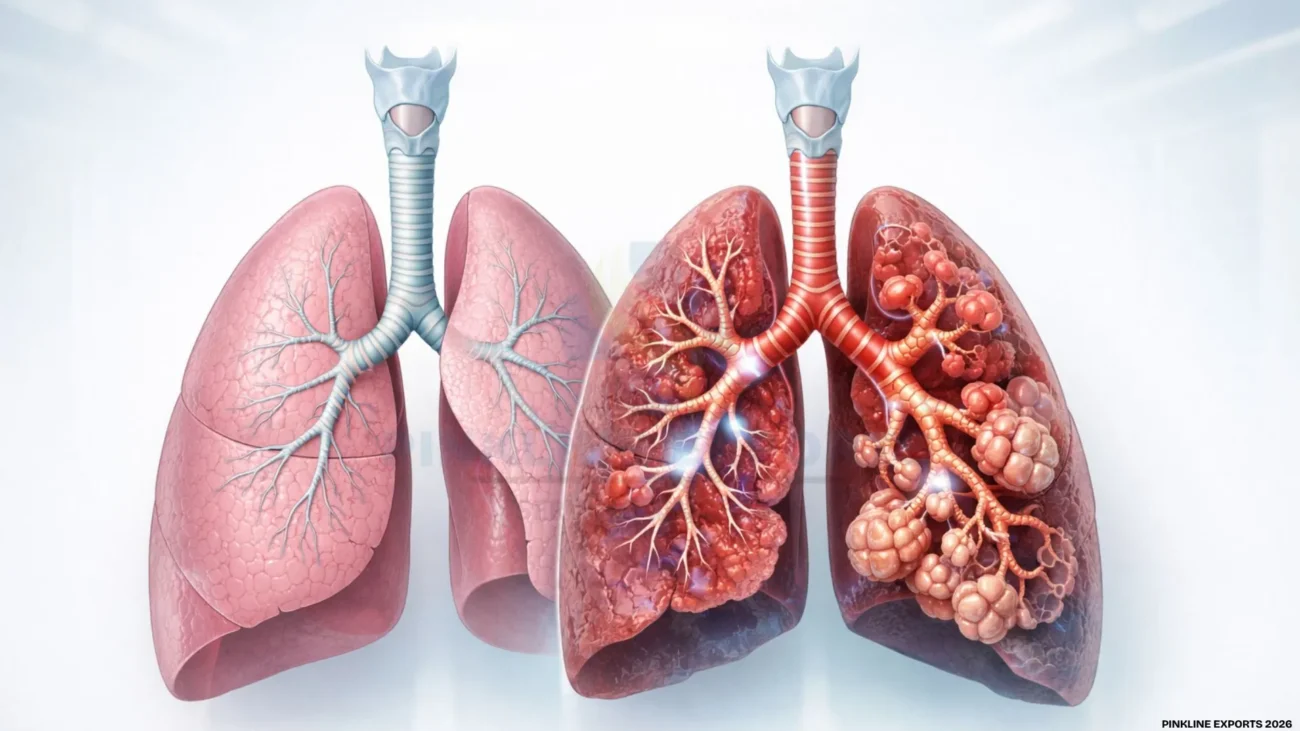
In the long-term management of obstructive airway conditions like Asthma and Chronic Obstructive Pulmonary Disease (COPD), combination inhalers have transformed patient outcomes. By pairing a powerful anti-inflammatory agent with a long-acting bronchodilator, these medications reduce airway hypersensitivity, prevent nocturnal dyspnea, and significantly lower the frequency of acute disease exacerbations.
Among the most widely recognized global brands in this therapeutic class are Foracort and Symbicort. Patients often wonder how these two medications compare, whether they contain the exact same active ingredients, and why a healthcare provider might select one brand or delivery device over another.
This clinical comparison guide breaks down the core active ingredients, delivery device differences, dosage equivalencies, and practical usage rules for Foracort and Symbicort.
Active Ingredients: The Molecular Similarity
At their core, both Foracort and Symbicort share the exact same combination of active pharmaceutical ingredients:
The Dual-Action Combination
1. Budesonide (Inhaled Corticosteroid – ICS): A potent anti-inflammatory corticosteroid that works directly within the bronchial mucosa to suppress inflammatory cytokines, reduce swelling, and decrease mucus hypersecretion in the airways.
2. Formoterol Fumarate (Long-Acting Beta2-Agonist – LABA): A rapid-onset, long-acting bronchodilator that selectively relaxes bronchial smooth muscle tissue. Uniquely, Formoterol begins expanding the airways within 1 to 3 minutes of inhalation (similar to short-acting rescue inhalers like Albuterol) while maintaining bronchodilation for up to 12 hours.
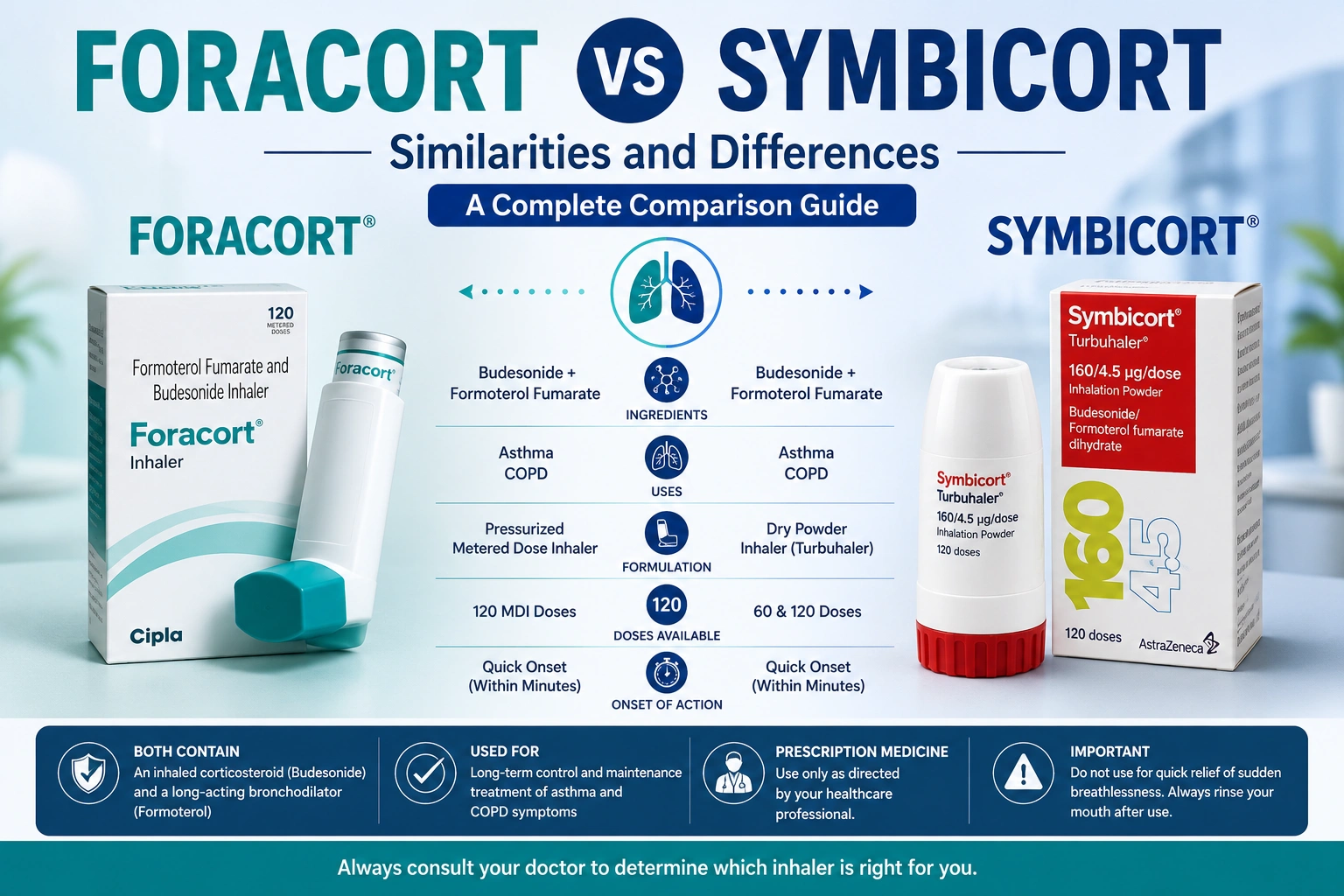
Because they share these identical active compounds, Foracort and Symbicort offer equivalent pharmacological effects when administered at matching microgram doses.
Key Differences: Delivery Devices and Brand Formulations
While the active molecules inside the lungs behave identically, the key differences between Foracort and Symbicort lie in **manufacturer origins, delivery device mechanics, and available strengths**.
1. Device Mechanics: Dry Powder Inhalers (DPI) vs. Pressurized Metered-Dose Inhalers (pMDI)
How a medication enters your lungs dictates how easily you can use it:
- Single-Dose Capsule DPIs (e.g., Rotacaps): Dry powder options require placing a dry powder capsule into a specialized device (like a Rotahaler or Revolizer) that pierces the capsule. The patient must inhale deeply and forcefully to draw the powder into the lungs. Options like Foracort 200 Rotacap and higher-strength Foracort 400 Rotacap provide visual verification (a clear capsule body) so patients can confirm the full dose was inhaled.
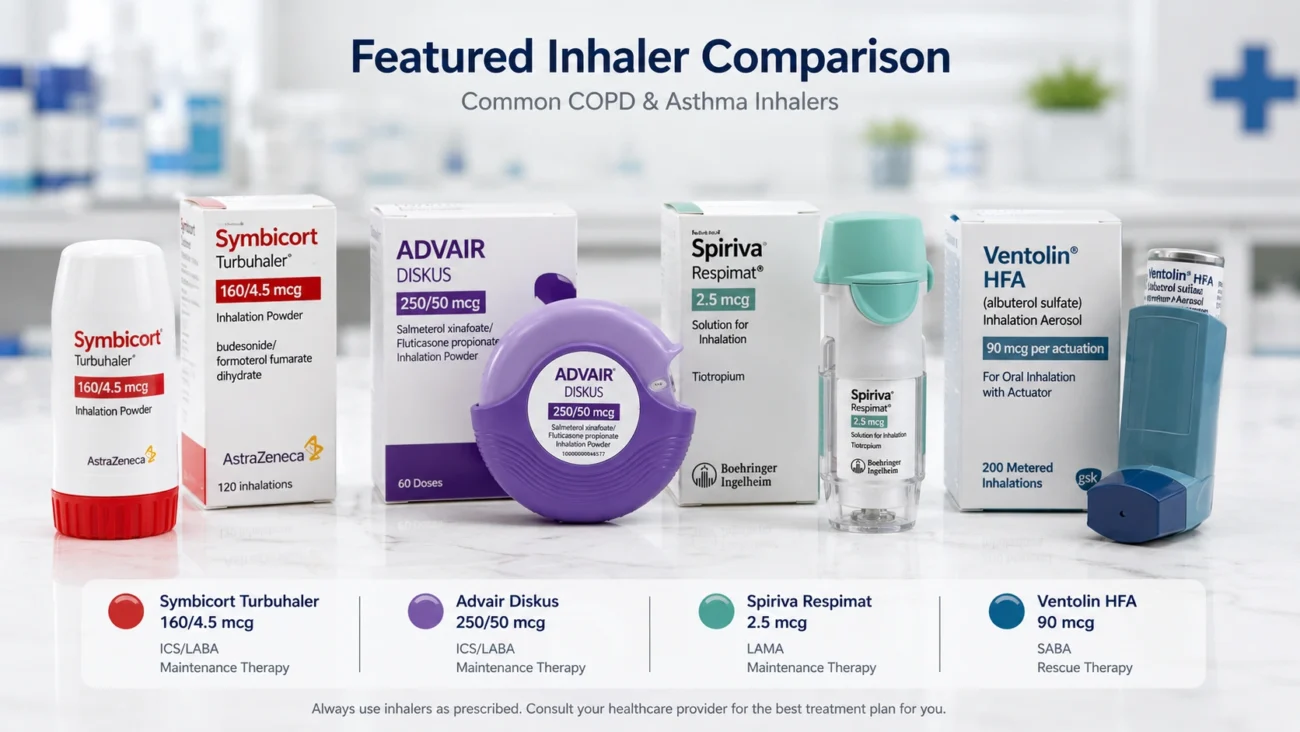
- Multi-Dose DPIs (e.g., Turbuhaler): Devices like the Symbicort Turbuhaler contain a built-in reservoir of dry powder. Turning a dial loads a precise dose, which is inhaled via deep inspiratory effort.
- Pressurized Metered-Dose Inhalers (pMDIs / Aerosols): Both brands offer standard pressurized canister options (e.g., Symbicort 80/4.5 aerosol inhaler). These devices deliver a pressurized puff that requires coordination between pushing the canister and breathing in slowly, or the use of an attached spacer chamber.
2. Manufacturer and Global Availability
Symbicort is manufactured by AstraZeneca and is widely distributed across Western markets (such as the US and EU) primarily as a pMDI or Turbuhaler. Foracort is manufactured by Cipla, a global leader in respiratory therapeutics, and is widely available internationally in diverse formats including Rotacaps, Transhalers, and Autohalers.
Side-by-Side Comparison Matrix
The table below outlines how Foracort and Symbicort compare across key clinical parameters:
| Comparison Feature | Foracort (Cipla) | Symbicort (AstraZeneca) |
|---|---|---|
| Active Ingredients | Budesonide + Formoterol Fumarate | Budesonide + Formoterol Fumarate |
| Primary Indications | Maintenance of Asthma & COPD | Maintenance of Asthma & COPD; SMART Protocol |
| Delivery Formats | Rotacaps (DPI), Inhaler (pMDI), Autohaler | Turbuhaler (DPI), Inhaler (pMDI) |
| Common Dosing Strengths | 100/6 mcg, 200/6 mcg, 400/6 mcg | 80/4.5 mcg, 160/4.5 mcg, 320/4.5 mcg* |
| Inspiration Requirement | Depends on device (DPI requires strong inhalation; pMDI requires slow, deep draw). | Depends on device (Turbuhaler requires strong inhalation; pMDI requires slow draw). |
*Note: Strength labeling conventions vary by region (metered dose vs. delivered dose), but the active drug ratios remain clinically equivalent.
Essential Administration Guidelines & Oral Care
Regardless of whether you use Foracort or Symbicort, proper inhalation technique and post-dose hygiene are vital for preventing secondary side effects and ensuring maximum medication delivery to the lungs.
Essential Inhaler Rules
1. Always Rinse and Spit (Rinse Mouth After Use): Inhaled corticosteroids leave micro-droplets of Budesonide in the oral cavity. To prevent oral candidiasis (thrush) and hoarseness (dysphonia), always swish your mouth thoroughly with water and spit it out after every dose. Do not swallow the rinse water.
2. Match Device to Patient Ability: Elderly patients or young children who struggle to generate a strong, fast breath through a dry powder inhaler (DPI) often do better with a pressurized metered-dose inhaler (pMDI) paired with a spacer chamber.
3. Maintain Consistency: Maintenance inhalers must be used daily as prescribed—even when you feel completely symptom-free—to keep airway inflammation under control.
For official peer-reviewed clinical summaries and pharmacology records on Budesonide and Formoterol combination therapies, consult the National Center for Biotechnology Information (NCBI) PubChem Database.
Side Effects and Safety Precautions
Because Foracort and Symbicort contain the same active compounds, their potential side effects are identical:
- Common Local Reactions: Mild throat irritation, hoarseness, dry mouth, or oral fungal infections (if mouth rinsing is neglected).
- Systemic LABA Effects: Formoterol can occasionally cause a temporary fine tremor in the hands, mild headache, or a noticeable flutter in heart rate (palpitations) shortly after inhalation.
- Long-Term ICS Considerations: High-dose long-term use requires routine pulmonology monitoring to check bone density and ocular health.
For official international health resources and management guidelines on respiratory conditions, visit the World Health Organization (WHO) Respiratory Diseases Directory.
Inhaler Management Success Checklist
Ensure optimal control over your respiratory health by following these core best practices:
- ✔️ Rinse and Spit: Swish water in your mouth and spit it out after every dose to prevent thrush.
- ✔️ Master Your Device Technique: Ensure you are using the correct breathing method for your specific device (DPI vs pMDI).
- ✔️ Use Daily as Directed: Take your maintenance doses consistently, even when breathing feels normal.
- ✔️ Keep Track of Doses: Monitor the dose counter or capsule supply to avoid running out unexpectedly.
- ✔️ Consult Your Pulmonologist: Never switch brands, device types, or dosage strengths without explicit guidance from your doctor.