Description
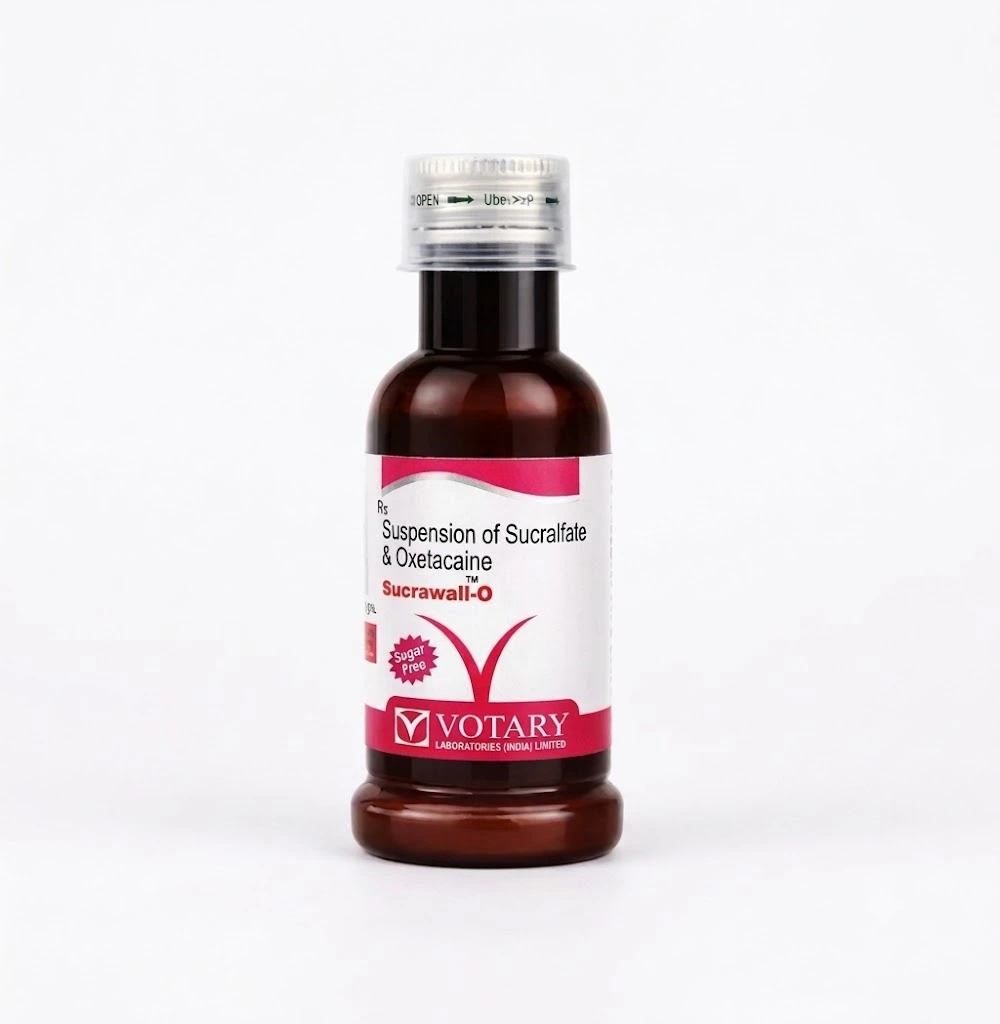
Sucrawall O 1000 mg/20 mg Suspension is a prescription gastrointestinal preparation containing sucralfate with oxetacaine (also called oxethazaine). The listing strength should always be checked against the bottle label because liquid strengths may be expressed per measured volume. Use this medicine only when prescribed for the individual patient.
What is Sucrawall O Suspension used for?
A clinician may prescribe a sucralfate and oxetacaine suspension for ulcer-related pain or irritation associated with acid-related conditions. It may be considered in conditions such as gastric or duodenal ulcers, gastritis, oesophagitis or troublesome burning discomfort, depending on the diagnosis and the product’s approved use in the destination country.
Symptoms such as persistent vomiting, difficulty swallowing, unexplained weight loss, black stools, blood in vomit, severe abdominal pain or anaemia require prompt medical assessment rather than self-treatment.
How the two ingredients work
- Sucralfate: adheres to damaged ulcer tissue and forms a protective barrier that helps shield the affected surface from acid and digestive enzymes.
- Oxetacaine: is a locally acting anaesthetic included to reduce pain and burning at the irritated surface.
This combination does not treat every cause of abdominal discomfort. Testing or additional therapy may be necessary when symptoms are caused by H. pylori, medicines such as NSAIDs, gallbladder disease or another underlying condition.
How to use the suspension safely
- Follow the prescription and the directions printed on the supplied bottle.
- Shake the bottle thoroughly before measuring each dose.
- Use the supplied measuring cup or an appropriate oral syringe rather than a household spoon.
- Sucralfate is commonly prescribed on an empty stomach, but the exact timing and frequency must come from the prescriber.
- Do not change the dose or treatment duration without professional advice.
Medicine-spacing and interaction precautions
Sucralfate can bind to other medicines in the digestive tract and reduce their absorption. Tell the clinician or pharmacist about every prescription medicine, non-prescription product, vitamin and supplement being used. Depending on the medicine, doses may need to be separated by two hours or longer. This can be important for certain antibiotics, thyroid medicine, digoxin, seizure medicines, HIV medicines and some other treatments. Follow the specific spacing instructions supplied by the prescriber rather than using a single rule for every medicine.
Possible side effects
Constipation is commonly reported with sucralfate. Other possible effects can include nausea, dry mouth, stomach discomfort, dizziness, headache or a change in bowel habits. Stop using the product and obtain urgent help if swelling, breathing difficulty, hives or another severe allergic reaction develops.
Who should obtain additional medical advice?
- People with chronic kidney disease or receiving dialysis, because sucralfate contains aluminium
- Anyone with swallowing difficulties or a history of aspiration
- People with diabetes who need to confirm the sugar content of the supplied formulation
- Pregnant or breastfeeding patients
- Children, older adults or patients taking several regular medicines
Storage and pack verification
Store the bottle according to the manufacturer’s label, tightly closed and away from excessive heat and moisture. Keep it out of the reach of children. Before use, verify the active ingredients, concentration, bottle volume, batch number, manufacturer and expiry date printed on the physical pack. Do not use a leaking, damaged or expired bottle.
Related digestive-health products
View other products in the antacids and acid-reflux category. Sucralfate combinations, proton pump inhibitors and conventional antacids work differently and should not be treated as direct substitutes without medical advice.
Medical disclaimer
This content is educational and does not replace a diagnosis, prescription or the patient leaflet supplied with the product. Availability and approved indications can differ between countries. For general patient information about sucralfate, refer to MedlinePlus.











Reviews
There are no reviews yet.