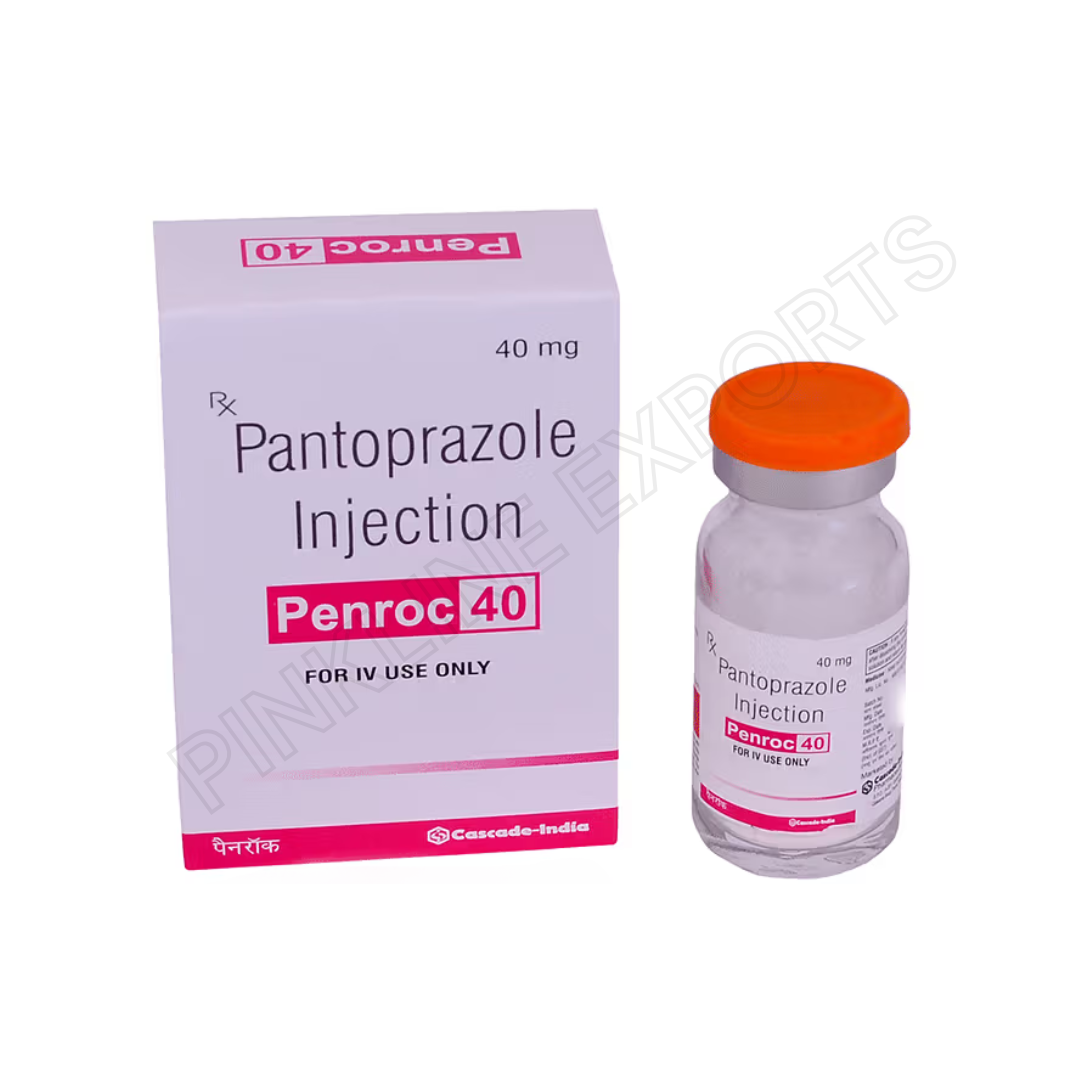
What Is Pantoprazole Injection 40 Mg?
Pantoprazole Inj 40 Mg is a prescription injectable formulation containing pantoprazole, a medication from the proton pump inhibitor (PPI) class. It is widely used in clinical settings to manage acid-related gastrointestinal conditions.
This injectable form is particularly useful for patients who:
• Are unable to take oral medications
• Require rapid acid suppression
• Are in hospital or intensive care settings
Excess stomach acid can damage the lining of the esophagus, stomach, and upper intestine. By reducing acid production, pantoprazole helps protect these tissues and supports healing.
According to the U.S. National Library of Medicine (MedlinePlus), pantoprazole is commonly used to treat GERD and other acid-related conditions by reducing gastric acid secretion.
How This Medication Works
Pantoprazole works by blocking the proton pump (H+/K+ ATPase enzyme) in the stomach lining.
This enzyme is responsible for producing gastric acid. By inhibiting its activity, the medication significantly reduces acid secretion.
Its effects include:
• Decreased stomach acid production
• Relief from acid-related symptoms
• Healing of ulcers and inflamed tissue
• Prevention of further irritation
This mechanism makes pantoprazole an effective option for both short-term and hospital-based treatment.
Medical Uses
Gastroesophageal Reflux Disease (GERD)
This injectable therapy is used to manage GERD, a condition where stomach acid flows back into the esophagus.
Symptoms may include:
• Heartburn
• Acid regurgitation
• Chest discomfort
Reducing acid levels helps relieve symptoms and prevent complications.
Peptic Ulcers
Pantoprazole is also used in the treatment of gastric and duodenal ulcers.
Lowering acid levels allows the gastrointestinal lining to heal and reduces the risk of bleeding.
Hospital-Based Acid Suppression
This formulation is commonly used in hospital settings for patients who require immediate acid control, such as:
• Critically ill patients
• Post-surgical care
• Patients unable to take oral medications
Clinical insights from the National Institutes of Health (NIH) highlight the importance of proton pump inhibitors in managing acid-related disorders and preventing complications in hospitalized patients.
Role in Treatment Plans
Treatment of acid-related conditions often involves transitioning between different formulations.
For long-term management, oral medications such as Pantoprazole Tablets 40 Mg may be prescribed once the patient can tolerate oral intake.
Similarly, Pantoprazole Tablets 40 Mg may be used as maintenance therapy to ensure continued acid control and prevent recurrence of symptoms.
Healthcare providers determine the appropriate treatment plan based on patient condition, response, and overall clinical needs.
Dosage and Administration
Pantoprazole Injection 40 Mg is administered by a healthcare professional.
General guidelines include:
• Given intravenously as prescribed
• Dosage depends on medical condition
• Administered in hospital or clinical settings
• May be followed by oral therapy
Patients should not attempt self-administration unless instructed.
Safety Information
Before receiving this medication, patients should inform their healthcare provider about their medical history and current medications.
This medication may not be suitable for individuals with:
• Severe liver disease
• Known hypersensitivity to PPIs
• Certain gastrointestinal conditions requiring alternative treatment
Long-term use may require monitoring for nutrient deficiencies.
Possible Side Effects
Some individuals may experience side effects.
Common side effects include:
• Headache
• Nausea
• Diarrhea
• Abdominal discomfort
Rare but serious side effects may include:
• Allergic reactions
• Electrolyte imbalance
• Vitamin deficiencies with prolonged use
Patients should seek medical attention if severe symptoms occur.
Storage Instructions
Proper storage is essential for maintaining medication quality.
Recommended guidelines include:
• Store as per manufacturer instructions
• Protect from excessive heat and light
• Keep out of reach of children
FAQ’s