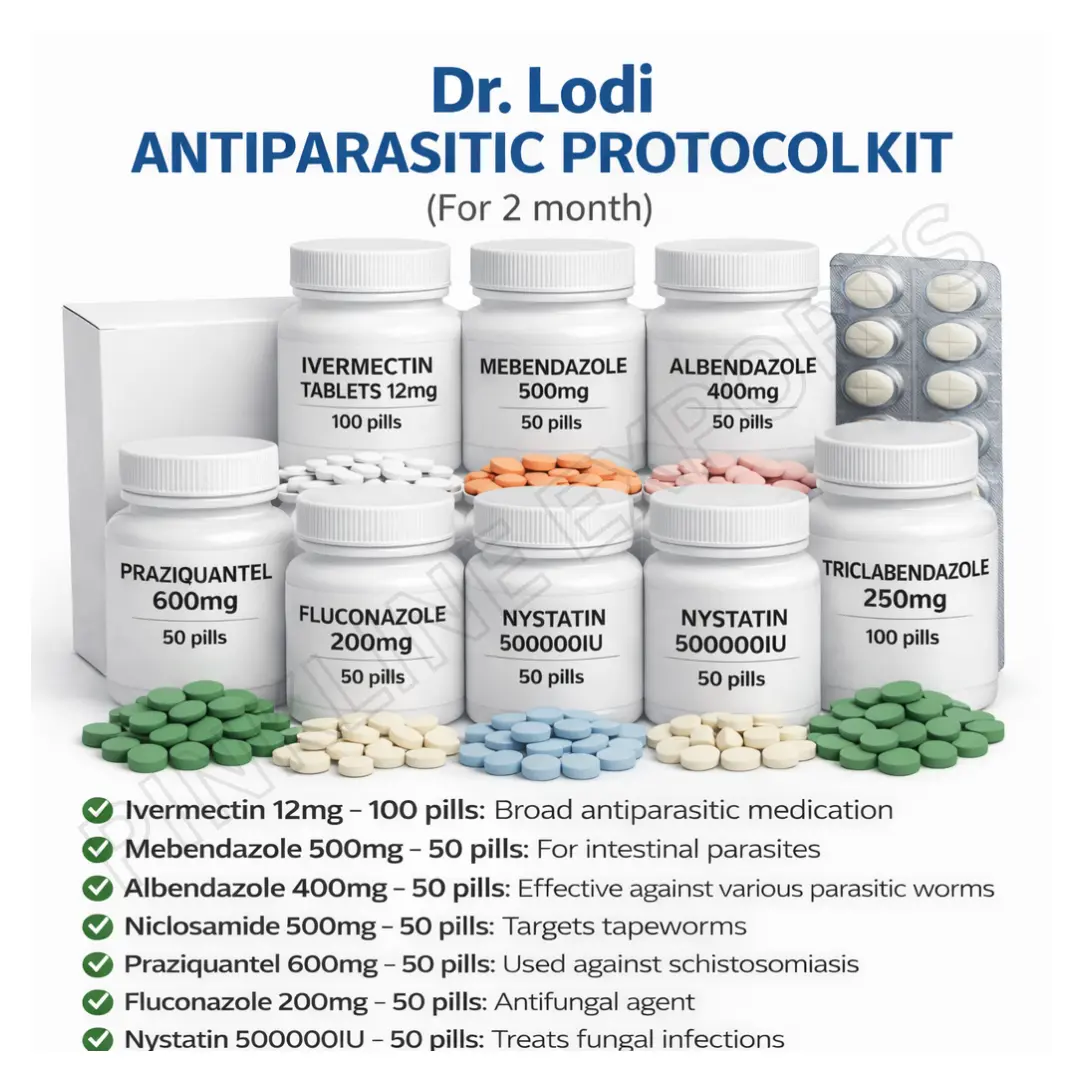
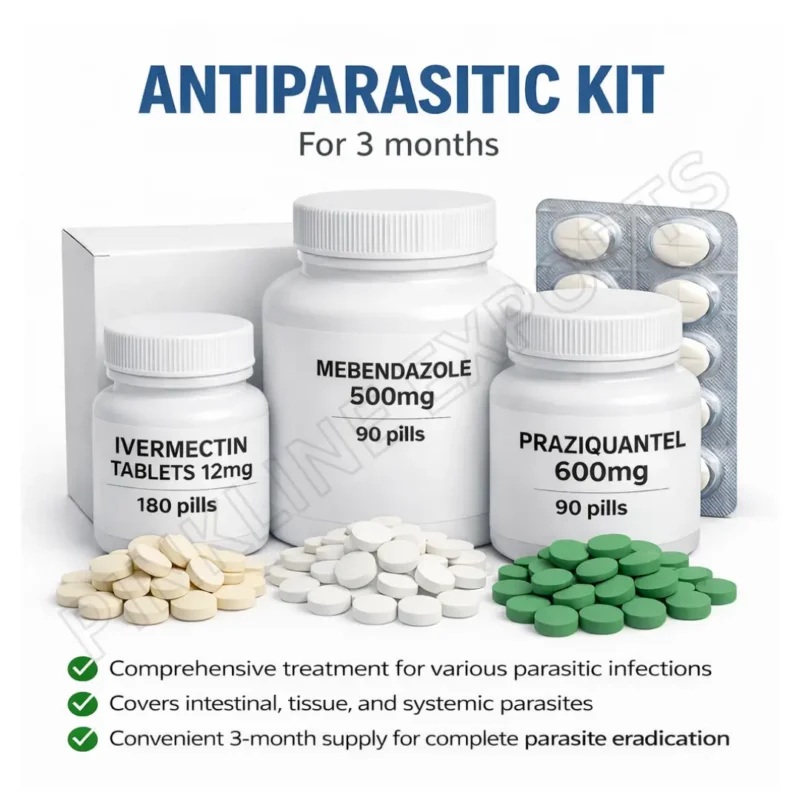
Dr. Lodi Antiparasitic Protocol Kit | Comprehensive Parasite Control Research Protocol
Dr. Lodi Antiparasitic Protocol Kit for Parasite Research and Experimental Cancer-Related Infection Studies
The Dr. Lodi Antiparasitic Protocol Kit is designed as a structured antiparasitic protocol referenced in research discussions exploring parasite infections and their potential impact on human health. Parasites are organisms that live within a host organism and obtain nutrients from it, sometimes leading to chronic infections that may influence immune responses and inflammatory processes.
Medical researchers have investigated how persistent parasitic infections may contribute to chronic inflammation and immune dysfunction. Long-term infections caused by parasites such as liver flukes have been associated with increased risk of bile duct cancer in certain regions of the world.
Physician Dr. Thomas Lodi, who has practiced medicine for decades and founded the integrative cancer treatment center “An Oasis of Healing,” has discussed parasite protocols within the broader context of chronic disease and cancer research.
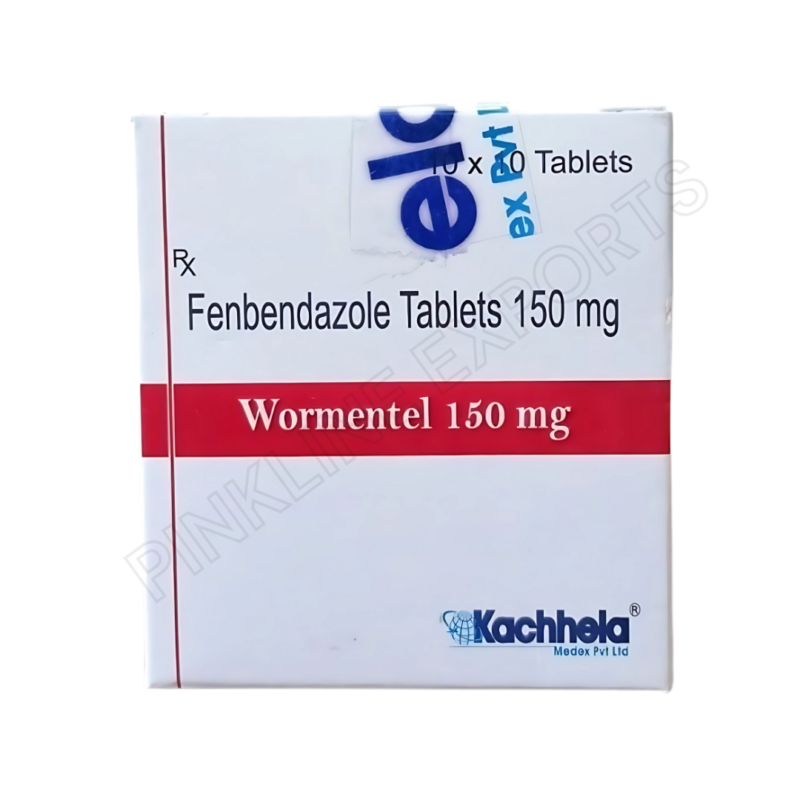
Some research frameworks examining parasite control protocols also explore targeted programs such as Anti Flukes Kit – 2 Months, which focuses on trematode parasites affecting organs like the liver and bile ducts.
What is the Dr. Lodi Antiparasitic Protocol Kit?
The Dr. Lodi Antiparasitic Protocol Kit refers to a structured protocol approach discussed in integrative medical research communities studying parasite elimination cycles.
Parasites are organisms that live in or on another organism (the host) and obtain nutrients at the host’s expense. Human parasitic infections can include several types of organisms such as:
These parasites may enter the body through contaminated food, water, soil, or insect vectors.
Research into parasite management protocols sometimes explores multi-cycle treatment strategies because parasites often have complex life cycles involving eggs, larvae, and adult stages.
Why Parasites Are Studied in Cancer and Chronic Disease Research
Certain parasites have been linked to increased cancer risk due to chronic inflammation and long-term tissue damage.
For example:
Scientists believe persistent infection can produce long-term inflammatory environments that may influence cellular damage and mutation processes.
Some integrative oncology researchers have explored parasite management protocols as part of broader approaches to improving immune balance and reducing infection-related inflammation.
However, these concepts remain an area of ongoing scientific investigation.
Key Features of the Dr. Lodi Antiparasitic Protocol Kit
Structured Antiparasitic Protocol
Designed to support research exploring parasite elimination cycles.
Multi-Parasite Focus
Protocols often address multiple parasite types including worms, protozoa, and flukes.
Research-Oriented Approach
Parasite management strategies are sometimes studied in integrative medicine and parasitology research.
Used in Integrative Health Discussions
Some protocols are referenced in research communities studying chronic infections and immune health.
Potential Research Applications
The Dr. Lodi Antiparasitic Protocol Kit may be explored in research fields including:
Parasitology and infectious disease research
Immune response studies related to parasites
Chronic inflammation investigations
Integrative oncology research
Global parasite control programs
Most studies involving parasite protocols are conducted in clinical or laboratory research environments.
Scientific Research on Parasites and Cancer Risk
Certain infections are recognized risk factors for specific cancers due to their ability to cause persistent inflammation and tissue damage.
For example, liver fluke infections caused by Opisthorchis viverrini and Clonorchis sinensis are classified as carcinogenic infections because they can contribute to bile duct cancer development.
Research also shows that parasites can interact with host immune systems and alter cellular signaling pathways, which may affect disease progression in chronic infections.
For more information about parasite-related cancer research, these authoritative National Cancer Institute – Infections That Can Cause Cancer
Who May Explore the Dr. Lodi Antiparasitic Protocol Kit?
Antiparasitic protocol kits may be explored by:
Researchers studying parasitic infections
Healthcare professionals examining parasite-related diseases
Scientists investigating immune responses to chronic infections
Integrative medicine research programs
Any antiparasitic compounds or protocols should only be used under qualified medical supervision.
Safety and Medical Disclaimer
Information about the Dr. Lodi Antiparasitic Protocol Kit is intended for educational and research purposes only.
Parasite infections should be diagnosed and treated by licensed healthcare professionals. Individuals experiencing symptoms of infection or chronic illness should seek appropriate medical evaluation.
FAQs

.svg)









Reviews
There are no reviews yet.