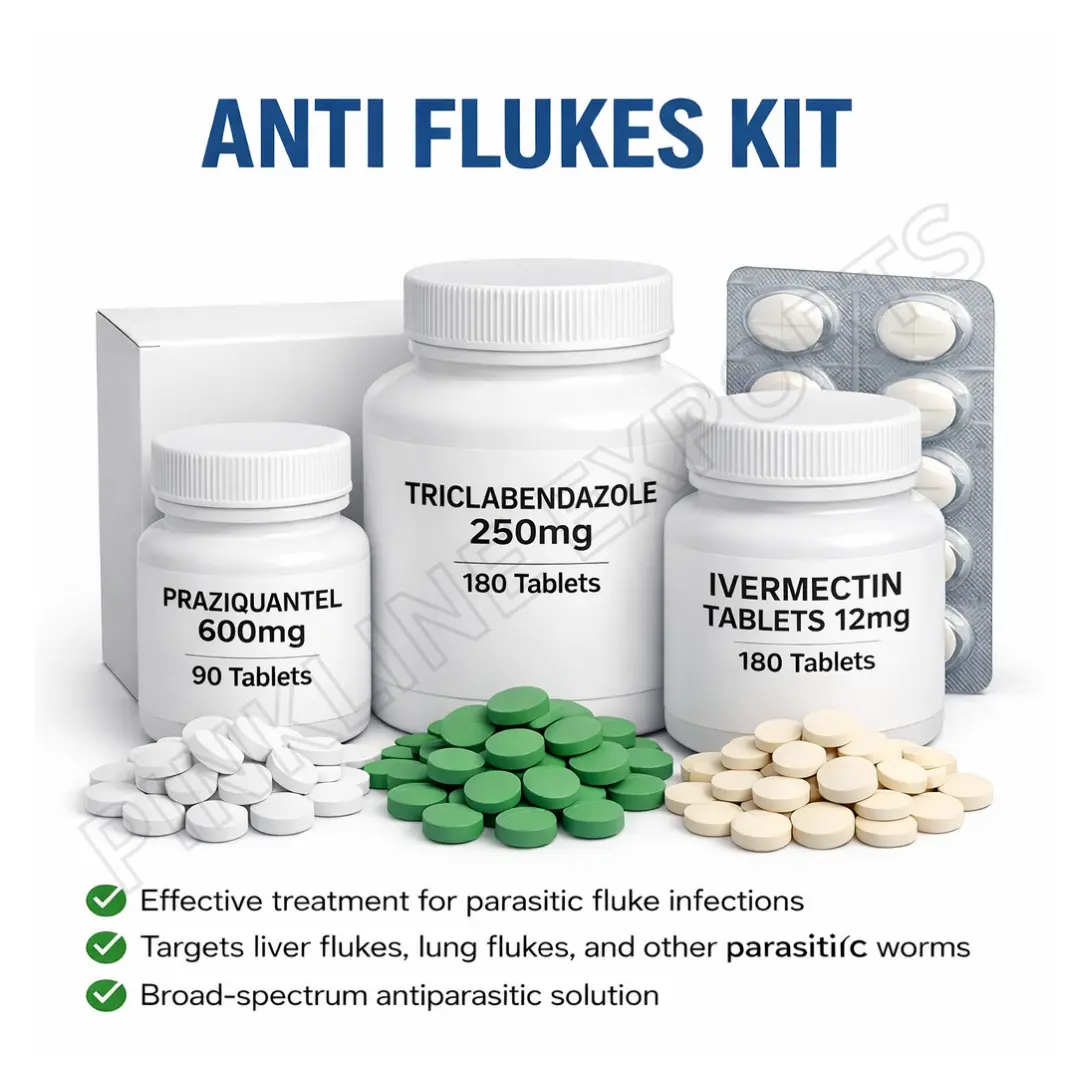
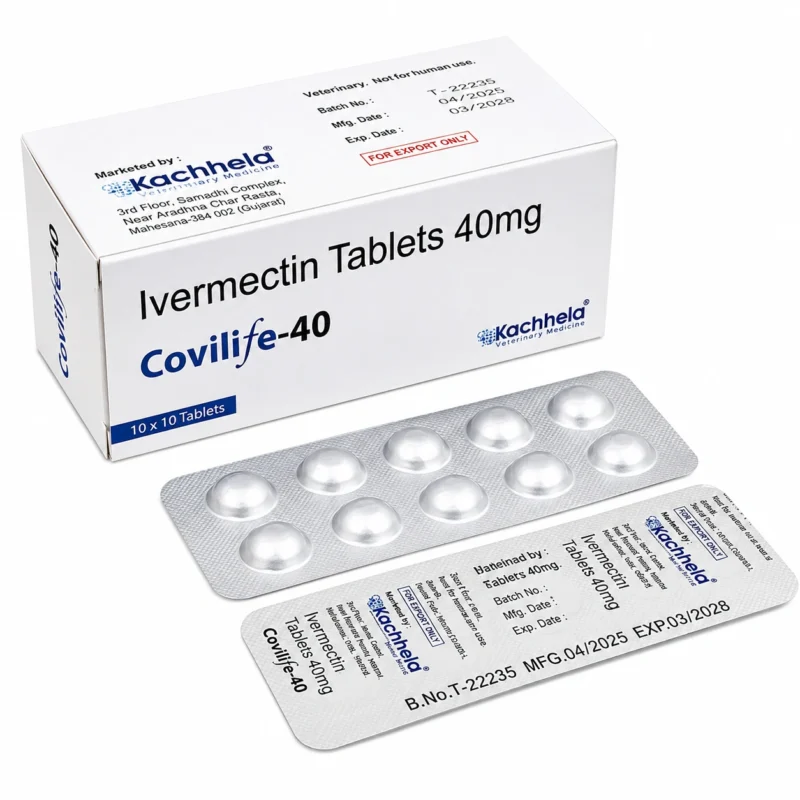
Anti Flukes Kit – 2 Months | Antiparasitic Support Protocol
Anti Flukes Kit – 2 Months for Antiparasitic Research and Experimental Cancer-Related Parasite Studies
The Anti Flukes Kit – 2 Months is designed as a structured antiparasitic support protocol that may be explored in research environments focusing on parasite control and related biological studies. Flukes are parasitic flatworms that can infect humans and animals, affecting organs such as the liver, intestines, and lungs.
Parasitic infections have long been studied for their potential interactions with the immune system and chronic disease processes. Some researchers have investigated whether parasite-related inflammation or immune modulation may influence disease pathways, including those involved in cancer biology.
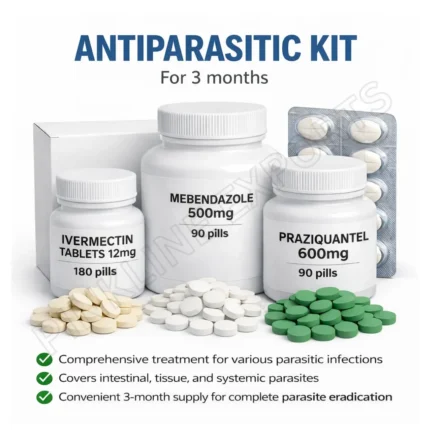
In experimental research contexts, antiparasitic compounds have been evaluated to determine their potential role in supporting parasite elimination and improving host immune response. More comprehensive protocols may also be explored in structured programs such as the Anti Parasitic Kit – 3 Months, which may include extended antiparasitic cycles.
Similarly, integrated parasite-focused protocols such as the Dr. Lodi Antiparasitic Protocol Kit are sometimes referenced in research environments that investigate the relationship between parasite control and systemic health.
What is the Anti Flukes Kit – 2 Months?
The Anti Flukes Kit – 2 Months is a structured antiparasitic protocol intended for research and educational purposes related to parasite management. Flukes, also known as trematodes, are parasitic worms that can infect humans through contaminated water, undercooked food, or environmental exposure.
Common types of flukes studied in parasitology include:
Liver flukes
Intestinal flukes
Lung flukes
Blood flukes
These parasites can cause chronic infections that affect the liver, gastrointestinal system, and other organs.
Because long-term parasitic infections can influence immune function and inflammation, researchers have explored parasite control strategies in various health research fields.
Why Parasite Control is Studied in Chronic Disease and Cancer Research
Chronic parasitic infections may influence immune system activity and inflammation. Some studies have suggested that certain parasites can alter immune responses and create persistent inflammatory environments.
In some cases, parasite-associated inflammation has been studied for its potential relationship with cancer development. For example, liver fluke infections have been associated with an increased risk of bile duct cancer in specific geographic regions.
Researchers have investigated whether effective parasite control strategies could contribute to improved immune balance and reduced chronic inflammation.
While antiparasitic protocols are widely used in parasite treatment, their role in cancer-related research remains an area of ongoing scientific investigation.
Key Features of the Anti Flukes Kit – 2 Months
Structured Antiparasitic Support
Designed as a two-month protocol that may support parasite control research.
Focus on Fluke Parasites
Targets parasites belonging to the trematode class, including liver and intestinal flukes.
Research-Based Protocol Approach
Antiparasitic protocols are often explored in research studying parasite-related immune responses.
Part of Broader Parasite Research Programs
May be referenced alongside extended programs such as comprehensive antiparasitic research kits.
Potential Research Applications
The Anti Flukes Kit – 2 Months may be explored in research areas including:
Parasitology studies
Antiparasitic drug protocols
Immune system and parasite interactions
Chronic inflammation research
Experimental investigations of parasite-associated disease pathways
These areas are typically studied in controlled research or clinical environments.
Scientific Research on Parasites and Cancer Risk
Certain parasitic infections have been associated with increased cancer risk due to chronic inflammation and tissue damage. For example, liver fluke infections caused by Opisthorchis viverrini and Clonorchis sinensis have been linked to bile duct cancer in endemic regions.
Scientific studies have shown that long-term parasite infections may contribute to carcinogenesis by inducing persistent inflammation and DNA damage in affected tissues.
For further evidence-based information about parasites and cancer research, the following authoritative World Health Organization – Parasites and Cancer Risk
Who May Explore the Anti Flukes Kit – 2 Months?
Antiparasitic research kits may be explored by:
Researchers studying parasitic infections
Health professionals interested in parasite-related disease research
Scientists studying immune responses to parasites
Research programs investigating parasite-associated inflammation
Any antiparasitic compounds or protocols should only be used under professional medical supervision or research conditions.
Safety and Medical Disclaimer
Information provided about the Anti Flukes Kit – 2 Months is intended for educational and research purposes only.
Parasite infections should be diagnosed and treated by qualified healthcare professionals. Patients with chronic illness or cancer should consult licensed medical professionals before considering any treatment protocols.
FAQs