Iverheal 3 Mg – Ivermectin | Oral Antiparasitic Treatment
Iverheal 3 Mg – Ivermectin for Human Parasite Management
Iverheal 3 Mg – Ivermectin is an oral antiparasitic medication used to help manage infections caused by certain parasites in humans. Ivermectin belongs to a class of medications known as anthelmintics, which work by disrupting the nerve and muscle function of parasites, eventually leading to paralysis and elimination of the organisms from the body.
Parasitic infections can occur through contaminated soil, food, water, or insect bites and may affect various parts of the body including the intestines, skin, and eyes. These infections may cause symptoms such as digestive discomfort, itching, inflammation, and fatigue.
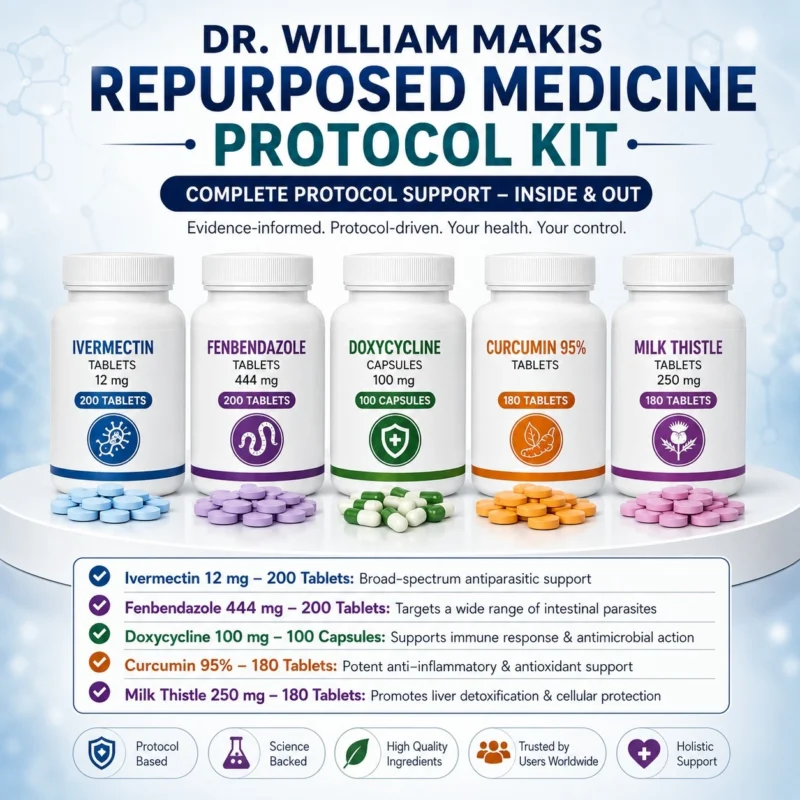
Physicians often prescribe ivermectin in different strengths depending on body weight and the specific infection being treated. In certain treatment protocols, stronger formulations like Iverheal 12 mg – Ivermectin may be recommended for individuals requiring higher doses under medical supervision.
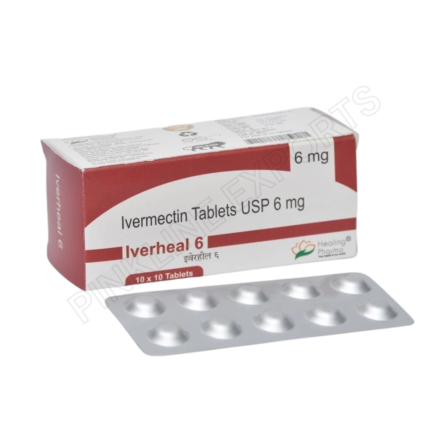
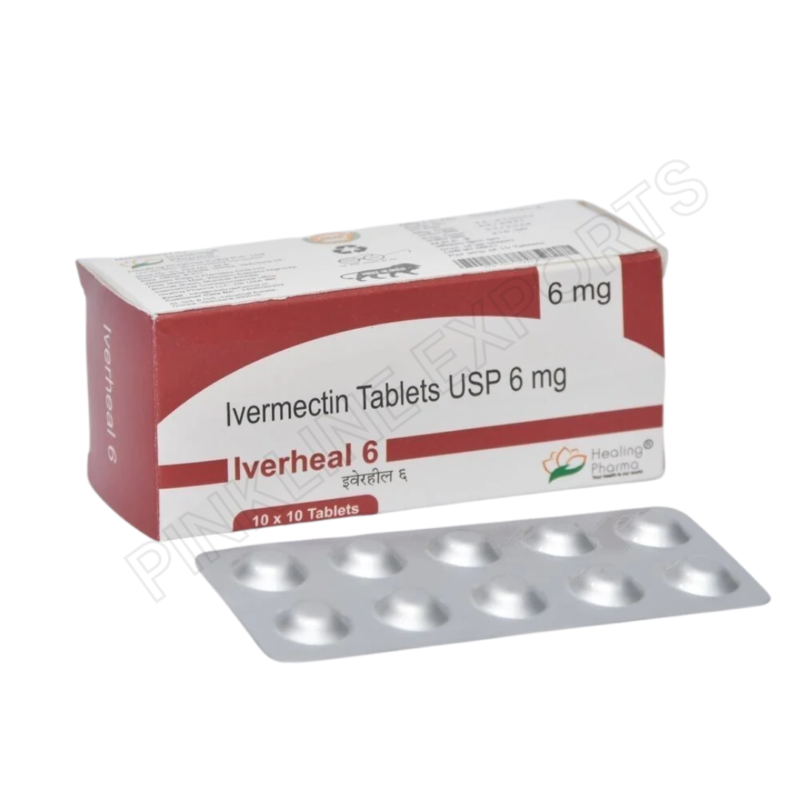
Similarly, patients who require moderate-dose treatment may be prescribed Iverheal 6 Mg – Ivermectin, depending on the treatment plan and clinical evaluation.
What is Iverheal 3 Mg – Ivermectin?
Iverheal 3 Mg – Ivermectin contains ivermectin as its active ingredient and is formulated as an oral tablet designed to treat parasitic infections. Ivermectin has been widely used in clinical practice for decades due to its effectiveness against various parasites.
The medication works by binding to specific channels in parasite nerve cells, disrupting their normal nervous system function. This causes paralysis and death of the parasites, allowing the body to eliminate them naturally.
Ivermectin tablets are commonly available in 3 mg strengths, which allow healthcare providers to calculate accurate weight-based doses for patients.
Medical guidelines recommend dosing ivermectin based on body weight because different parasitic infections require different dosage levels for effective treatment.
Why Treating Parasitic Infections is Important
Parasitic infections can affect millions of people worldwide and may lead to chronic health issues if not properly treated. Parasites may live in the digestive tract, bloodstream, or skin tissues and can cause inflammation, nutrient deficiencies, and immune responses.
For example, intestinal infections such as strongyloidiasis are caused by parasitic roundworms and can produce symptoms such as abdominal pain, diarrhea, and weight loss if untreated.
Another parasitic disease treated with ivermectin is onchocerciasis, also known as river blindness, which can lead to severe itching and vision problems if not managed appropriately.
Effective antiparasitic treatment helps remove parasites from the body and reduce the risk of complications associated with chronic infections.
Key Features of Iverheal 3 Mg – Ivermectin
Effective Antiparasitic Action
Ivermectin works by disrupting parasite nerve signals, leading to paralysis and elimination of the organisms.
Flexible Dosing Option
The 3 mg tablet strength allows physicians to calculate precise doses based on body weight.
Systemic Parasite Treatment
Oral ivermectin works throughout the body, allowing it to treat parasites affecting multiple organs.
Clinically Studied Medication
Ivermectin has been widely used in global parasite treatment programs for several decades.
Potential Health Benefits
When used under medical supervision, Iverheal 3 Mg – Ivermectin may help support:
Treatment of intestinal parasitic infections
Management of parasitic skin conditions such as scabies
Reduction of parasite-related inflammation
Improvement in digestive comfort when parasites are eliminated
Support for global parasite control programs
Treatment outcomes may vary depending on the type of infection and patient health conditions.
Medical Research on Ivermectin
Medical research has demonstrated that ivermectin is effective against a wide range of parasitic infections affecting humans. The medication works by targeting parasite nerve and muscle cells, causing paralysis and preventing reproduction of the organisms.
Because ivermectin dosing is based on body weight, tablets such as the 3 mg formulation allow healthcare providers to combine multiple tablets to reach the appropriate therapeutic dose.
Clinical studies have confirmed ivermectin’s effectiveness in treating infections such as strongyloidiasis and onchocerciasis, which affect millions of individuals worldwide.
For more scientific information about infection-related diseases and their global impact, the following organizations provide research resources:
Who May Consider Iverheal 3 Mg – Ivermectin?
Iverheal 3 Mg – Ivermectin may be prescribed for individuals who:
Have confirmed parasitic infections
Experience symptoms associated with intestinal parasites
Require physician-guided antiparasitic therapy
Have traveled to regions where parasitic infections are common
Need weight-based ivermectin treatment
A healthcare professional should evaluate symptoms and confirm diagnosis before starting treatment.
Safety and Medical Disclaimer
Iverheal 3 Mg – Ivermectin should only be used under the supervision of a qualified healthcare professional. Dosage and treatment duration depend on the patient’s body weight and the type of parasitic infection being treated.
FAQs