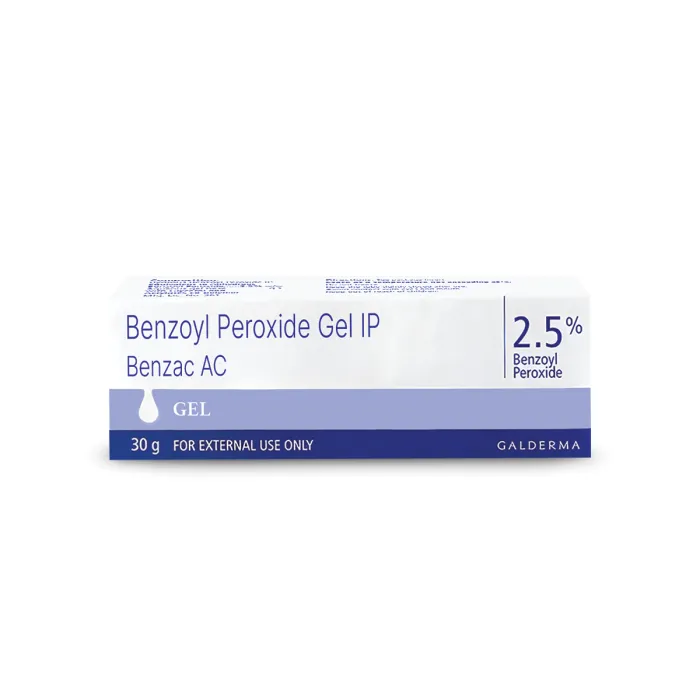
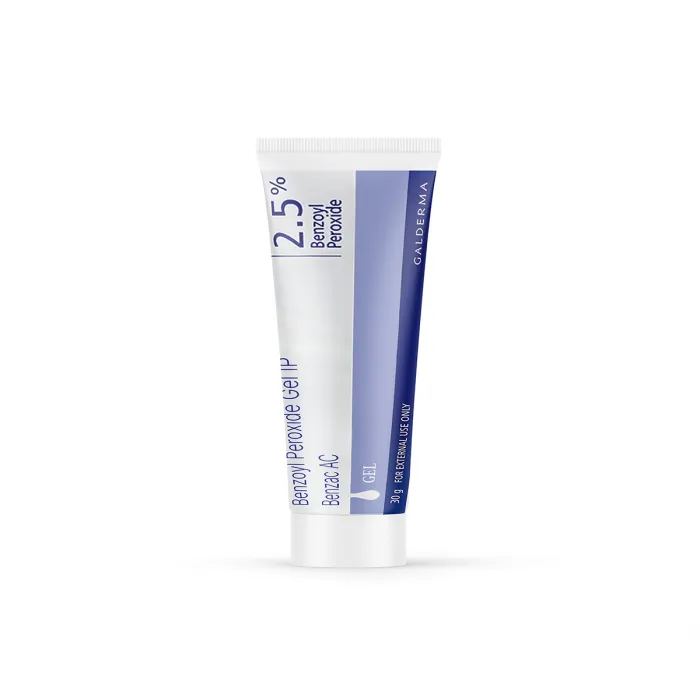
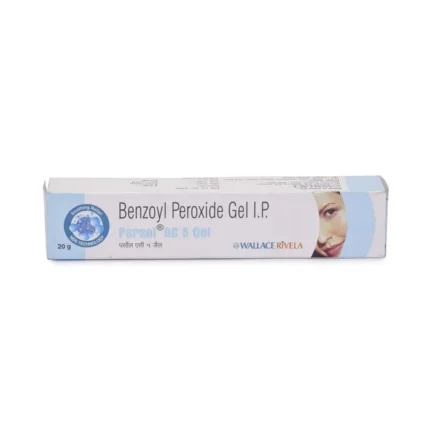
Benzac AC 2.5% Gel (Benzoyl Peroxide) – Water-Base Acrylates Copolymer Acne Therapy
Benzac AC 2.5% Gel (Benzoyl Peroxide) is a targeted topical antibacterial and keratolytic gel formulated with patented Acrylates Copolymer (AC) technology and a glycerin delivery vehicle. Indicated for the topical management of mild to moderate acne vulgaris, it eradicates Cutibacterium acnes through localized oxidative free-radical generation without inducing bacterial resistance, while absorbing excess sebum and releasing moisture to protect epidermal barrier integrity.
Benzoyl Peroxide 2.5%
Acrylates Copolymer Tech
Bactericidal Oxidizer
Aqueous Gel
Active Ingredient
Benzoyl Peroxide
Concentration & Vehicle
2.5% w/w (Water-Base Gel)
Special Technology
Acrylates Copolymer (AC) Beads
Dosage Form
Topical Cutaneous Gel
What Is Benzac AC 2.5% Gel?
Benzac AC 2.5% Gel is a specialized dermatological anti-acne treatment containing benzoyl peroxide in an aqueous gel base. The “AC” designation denotes the incorporation of patented Acrylates Copolymer beads, which act like porous microscopic sponges engineered to selectively absorb up to four times their weight in surface sebum while simultaneously releasing hydrating glycerin onto the stratum corneum.
Clinical trials establish that a 2.5% concentration of benzoyl peroxide yields equivalent bactericidal efficacy against Cutibacterium acnes compared to higher 5% and 10% strengths, but with significantly less erythema, stinging, and dryness. This makes Benzac AC 2.5% an ideal first-line selection for patients with sensitive skin, first-time users, or those with easily reactive epidermal barriers.
Unlike topical antibiotics such as erythromycin or clindamycin, benzoyl peroxide exerts its antimicrobial actions through physical oxidative destruction rather than enzymatic binding, eliminating the risk of microbial bacterial resistance.
How Does Benzac AC 2.5% Gel Work?
Benzac AC 2.5% combines physical chemical oxidation with specialized vehicle pharmacodynamics:
- Bactericidal Reactive Oxygen Species (ROS): Upon contact with the skin, benzoyl peroxide breaks down to release free oxygen radicals into the anaerobic environment of the pilosebaceous unit. These reactive radicals oxidize bacterial cellular membranes and essential proteins, eliminating C. acnes without cellular resistance.
- Acrylates Copolymer Sebum Control: The copolymer beads disperse across the skin surface to trap excess sebum within their porous core, reducing surface oiliness and facial shine throughout the day.
- Glycerin Moisture Exchange: As the copolymer beads absorb lipid sebum, they release bound glycerin into the stratum corneum, offsetting dehydration and maintaining skin barrier integrity.
- Keratolytic Desquamation: Mild keratolytic action promotes shedding of dead corneocytes around the follicular orifice, facilitating the clearance of blackheads and whiteheads.
By clearing bacterial colonization and unblocking the pore channel, it rapidly resolves visible inflammation while suppressing the formation of new inflammatory blemishes.
What Is Benzac AC 2.5% Gel Used For?
Benzac AC 2.5% Gel is indicated for the topical management and prevention of various forms of acne vulgaris:
- Mild to Moderate Inflammatory Acne: Clearing red, tender inflammatory papules and superficial pustules on the face, neck, chest, and back.
- Comedonal Acne: Facilitating the extrusion of open comedones (blackheads) and closed comedones (whiteheads).
- Sensitive Skin Acne: Providing full bactericidal power in patients prone to eczema, xerosis, or contact dermatitis who cannot tolerate higher 5% or 10% benzoyl peroxide preparations.
- Combination Acne Regimens: Co-administered alongside topical retinoids or systemic therapies to suppress microbial proliferation and prevent antibiotic resistance.
Benzac AC 2.5% is not indicated for treating non-acne inflammatory conditions such as rosacea, perioral dermatitis, or cystic nodular lesions without concurrent systemic intervention.
Related Topical Retinoid Therapy
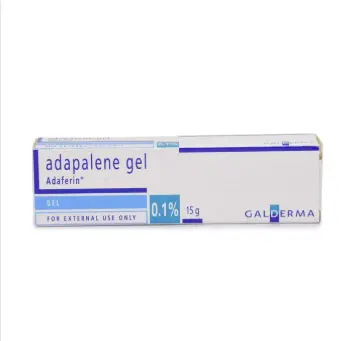
While benzoyl peroxide targets bacterial colonization and active surface inflammation, topical retinoids normalize follicular cell turnover to prevent microcomedone formation at the root. Explore our clinical review of adapalene:
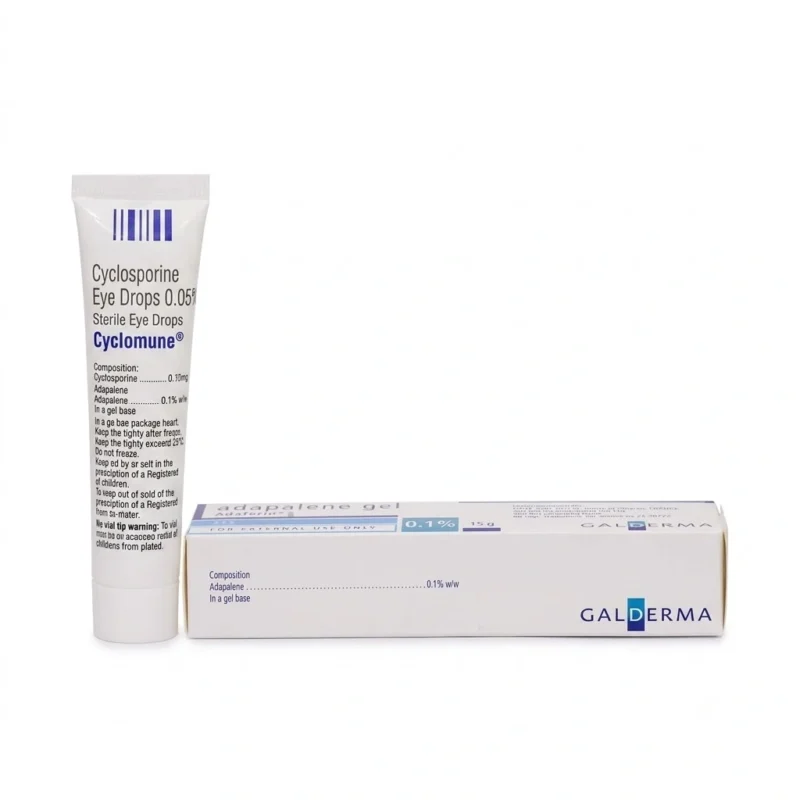
Adaferin Gel 0.1% (15 gm)
Benzac AC 2.5% Dosage and Application Guidelines
Proper technique and slow introduction minimize early irritation while establishing optimal clinical control:
- Initial Patch Test: For first-time users, apply a small amount to one or two affected areas for 3 consecutive days to confirm the absence of hypersensitivity.
- Application Routine: Wash the skin with a mild, soap-free cleanser and pat dry. Smooth a thin film over the entire acne-prone area once daily at bedtime or in the morning. If well tolerated, frequency may be increased to twice daily if advised by a clinician.
- Area Application: Treat the entire acne-prone canvas (e.g., the whole face), not just individual pimples, to prevent new microcomedones from developing.
- Skin Barrier Support: Apply an oil-free, non-comedogenic moisturizer if dryness or flaking occurs during the initial adaptation period.
Wash hands thoroughly with soap and water immediately following application to prevent unintentional bleaching of textiles.
Important Fabric Bleaching Warning:
Benzoyl peroxide is an oxidizing agent that bleaches colored fabrics, clothing, towels, bedding, and dyed hair. Allow the gel to dry completely before contact with textiles, wash hands thoroughly after application, and use white towels or pillowcases during treatment.
Benzac AC 2.5% vs Adaferin Gel 0.1% (Adapalene)
Comparing an oxidizing antibacterial gel with a selective retinoid outlines their complementary roles in modern acne management:
| Clinical Parameter |
Benzac AC 2.5% Gel |
Adaferin Gel 0.1% (Adapalene) |
| Pharmacological Class |
Oxidizing antibacterial / Keratolytic |
Third-generation topical retinoid (RAR agonist) |
| Primary Target |
Bacterial eradication (C. acnes) & surface sebum |
Keratinocyte desquamation & microcomedone prevention |
| Bacterial Resistance Risk |
Zero (Bactericidal via non-specific free radicals) |
None (Non-antimicrobial mechanism) |
| Onset of Action |
Rapid (Reduces bacterial counts within 48 hours) |
Gradual (Optimal clearance over 8 to 12 weeks) |
| Fabric Bleaching |
Yes (Bleaches dyed fabrics, towels, and hair) |
No bleaching effect |
Benzac AC 2.5% provides rapid bactericidal control over active red breakouts and controls excess oil, whereas Adaferin Gel normalizes pore shedding to prevent future microcomedones from developing.
Who Should Not Use Benzac AC 2.5% Gel?
Benzac AC 2.5% is contraindicated or requires specialized medical caution under the following conditions:
- Known hypersensitivity or contact allergy to benzoyl peroxide or any components of the gel base
- Application on severely broken skin, open abrasions, cuts, or active weeping eczema
- Application to mucosal membranes, eyes, eyelids, mouth, or nasal angles
- Children under 12 years of age without explicit pediatric medical guidance
If true allergic contact dermatitis develops (characterized by intense itching, severe erythema, facial swelling, or blister formation), discontinue use immediately and seek medical evaluation.
Possible Side Effects of Benzac AC 2.5% Gel
Thanks to the 2.5% strength and Acrylates Copolymer delivery system, side effects are generally mild, transient, and restricted to the application site:
- Dryness & Flaking: Superficial desquamation and epidermal scaling during the first 1 to 2 weeks.
- Transient Erythema: Mild redness, stinging, or sensation of warmth shortly after application.
- Pruritus: Mild itching as the skin adapts to cellular desquamation.
- Photosensitivity: Increased skin reactivity and vulnerability to sunburn.
- Contact Dermatitis (Rare): Severe irritation, swelling, or vesicular rash in sensitized individuals.
If severe facial swelling, blistering, or difficulty breathing occurs, discontinue the gel and seek emergency medical care.
Drug Interactions and Product Staggering
Because benzoyl peroxide is rapidly metabolized in the skin to inactive benzoic acid and excreted in urine, systemic interactions are negligible:
Topical Retinoids (Tretinoin vs Adapalene): Unencapsulated conventional tretinoin is degraded when applied simultaneously with benzoyl peroxide. However, third-generation retinoids such as adapalene (Adaferin Gel) are chemically stable in the presence of benzoyl peroxide. When co-prescribed, applying Benzac AC in the morning and the retinoid at night reduces cumulative epidermal dryness.
Topical Dapsone: Concurrent application of benzoyl peroxide and topical dapsone can cause temporary yellow-orange discoloration of facial hair and skin.
Harsh Exfoliants: Avoid concurrent use of physical facial scrubs, alcohol-heavy astringents, or high-percentage peeling acids to protect the epidermal barrier.
Photoprotection & Skin Barrier Maintenance
Because benzoyl peroxide exfoliates the stratum corneum, the skin becomes more susceptible to solar ultraviolet damage:
Apply a broad-spectrum, non-comedogenic sunscreen (SPF 30 or higher) every morning. To maintain skin barrier health, start Benzac AC 2.5% once every other day for the first week, and follow with an oil-free, ceramide-containing moisturizer to lock in hydration.
Treatment Timeline & Expected Milestones
Acne improvement follows a consistent clinical progression:
Days 1–7 (Antimicrobial Control): Follicular levels of C. acnes drop sharply within the first 48 hours. Mild flaking may occur as pores begin clearing.
Weeks 2–4 (Lesion Resolution): Active red pimples and pustules shrink, flatten, and resolve with reduced surrounding redness.
Weeks 6–12 (Clearance & Maintenance): Optimal clearing of acne blemishes and noticeable refinement in skin oiliness. Ongoing maintenance application helps prevent new breakouts from forming.
Frequently Asked Questions About Benzac AC 2.5% Gel
1. Is Benzac AC 2.5% as effective as 5% or 10% gels?
Yes. Clinical studies demonstrate that a 2.5% concentration of benzoyl peroxide kills acne bacteria as effectively as 5% and 10% strengths, but with significantly less redness, peeling, and dryness, making it better tolerated for daily use.
2. What does the “AC” in Benzac AC stand for?
“AC” stands for Acrylates Copolymer. These are microscopic porous beads in the gel that absorb excess sebum while simultaneously releasing bound glycerin, helping keep the skin moisturized and matte without clogging pores.
3. Can I use Benzac AC 2.5% together with Adaferin Gel 0.1%?
Yes. Unlike traditional tretinoin, adapalene (Adaferin) is chemically stable in the presence of benzoyl peroxide. To minimize skin dryness and peeling, dermatologists frequently recommend applying Benzac AC in the morning and Adaferin Gel at bedtime.
4. Will Benzac AC 2.5% bleach clothes and sheets?
Yes. Benzoyl peroxide is a potent bleaching agent that will discolor colored clothing, pillowcases, towels, and hair. Let the gel dry completely before contact with fabrics, wash your hands thoroughly after application, or switch to white linens during therapy.
5. Should I apply Benzac AC 2.5% all over the face or only as a spot treatment?
While it can be applied to individual pimples, applying a thin film across the entire acne-prone area is recommended. Benzac AC works proactively by preventing new blocked pores and blemishes from developing in the first place.
Medical Disclaimer
This product overview is provided strictly for educational and informational purposes. Benzac AC 2.5% Gel (benzoyl peroxide) is a dermatological treatment requiring appropriate skin evaluation and guidance by a qualified healthcare professional or dermatologist. Individual skin tolerance, therapeutic response, and treatment duration depend on individual skin type and clinical presentation. This document does not replace clinical medical evaluation, diagnosis, or personalized dermatological care.







Reviews
There are no reviews yet.