
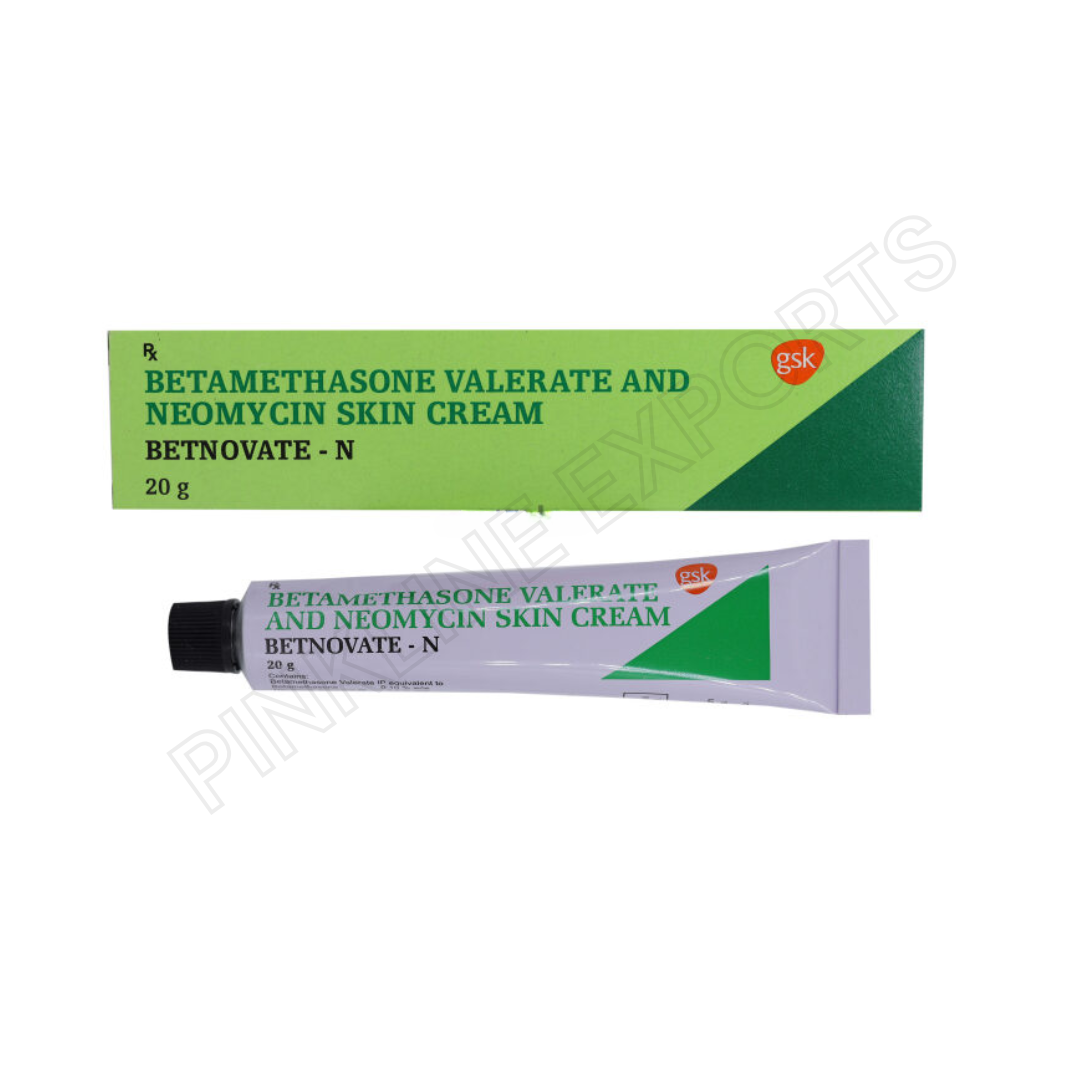
Betamethasone 0.1% & Neomycin 0.5% Cream
$5.20 – $14.40Price range: $5.20 through $14.40
Betamethasone 0.1% & Neomycin 0.5% Cream is a combination treatment for inflammatory skin conditions with bacterial infection. It reduces redness, swelling, and itching while fighting bacteria. Commonly used for infected eczema and dermatitis, it provides fast relief when applied as directed under medical supervision for safe and effective skin care management.
Description
Betamethasone 0.1% & Neomycin 0.5% Cream
Betamethasone 0.1% & Neomycin 0.5% Cream is a combination topical medication used to treat inflammatory skin conditions with bacterial infection. Betamethasone reduces inflammation, redness, and itching, while neomycin is an antibiotic that fights bacteria, making it effective for infected dermatitis and skin infections under medical supervision. For related treatments, see Amoxicillin 875 Mg & Clavulanic Acid 125 Mg Tablets for systemic bacterial infections and Betamethasone 0.1% Cream for inflammatory skin conditions without infection.
Mechanism of Action
Anti-inflammatory Effect
Betamethasone is a corticosteroid that reduces swelling, redness, and itching by suppressing inflammatory responses.
Antibacterial Action
Neomycin works by inhibiting bacterial protein synthesis, helping eliminate infection-causing bacteria on the skin.
Medical Uses
This cream is used for:
- Infected eczema or dermatitis
- Bacterial skin infections
- Allergic skin reactions with infection
- Minor wounds with inflammation and infection
Dosage and Administration
Apply a thin layer to the affected area once or twice daily, or as directed by a healthcare provider. Avoid applying on large areas or broken skin unless advised. Wash hands before and after application.
Clinical Effectiveness
Clinical evidence shows that this combination effectively reduces inflammation and treats bacterial skin infections, providing faster symptom relief when used appropriately under medical supervision.
Safety and Side Effects
Common Side Effects
- Burning or stinging sensation
- Skin irritation
- Dryness
Serious Risks
- Skin thinning (with prolonged use)
- Allergic reactions
- Antibiotic resistance with misuse
Use only for the prescribed duration.
Contraindications and Precautions
This cream should be used cautiously in:
- Patients with fungal or viral skin infections
- Individuals with sensitive skin
- Long-term or extensive use areas
Avoid contact with eyes and mucous membranes.
Drug Interactions
Topical interactions are minimal, but avoid using other strong steroids or antibiotics on the same area without medical advice.Refer to World Health Organization (WHO) and NHS – Topical Corticosteroids Guide for safe usage and precautions.
FAQs
This cream is used to treat inflammatory skin conditions with bacterial infection, such as infected eczema and dermatitis. It helps reduce redness, swelling, and itching while eliminating bacteria, providing relief and promoting healing when applied as prescribed under medical supervision for effective treatment of skin infections and inflammation.
Betamethasone reduces inflammation by suppressing immune responses in the skin, while neomycin kills bacteria by inhibiting protein synthesis. Together, they help relieve symptoms and treat infection, making the combination effective for managing inflamed and infected skin conditions when used correctly and consistently as prescribed.
Apply a thin layer to the affected area once or twice daily as directed by a healthcare provider. Clean and dry the area before application. Avoid excessive use or covering large areas unless advised, as improper use may increase the risk of side effects or reduced effectiveness during treatment.
Common side effects include mild burning, stinging, irritation, and dryness at the application site. These are usually temporary and improve with continued use. If symptoms persist or worsen, patients should consult a healthcare provider for evaluation and possible adjustment of treatment to ensure safety and effectiveness.
This cream is effective for bacterial skin infections but should not be used for fungal or viral infections unless prescribed. A proper diagnosis is necessary to ensure appropriate treatment, as using the wrong medication may worsen the condition or delay proper healing of the affected skin area.