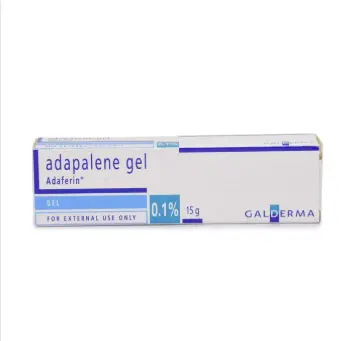
Adaferin Gel 0.1% (15 gm) – Topical Retinoid Acne Therapy
Adaferin Gel 0.1% (15 gm) is a third-generation topical retinoid formulation containing adapalene, indicated for the cutaneous treatment of acne vulgaris in patients 12 years of age and older. By selectively targeting retinoic acid nuclear receptors, it normalizes follicular epithelial desquamation, prevents microcomedone formation, and mediates significant anti-inflammatory actions to clear comedones and inflammatory papules.
Adapalene 0.1%
15 gm Tube
Third-Gen Topical Retinoid
Dermatological Gel
Active Ingredient
Adapalene
Concentration & Pack
0.1% w/w (15 gm)
Therapeutic Class
Topical Naphthoic Acid Retinoid
Dosage Form
Topical Aqueous Gel
What Is Adaferin Gel 0.1%?
Adaferin Gel 0.1% is a topical dermatological medication containing adapalene, a chemically stable naphthoic acid derivative with potent retinoid-like activity. It is specifically formulated to treat mild to moderate acne vulgaris affecting the face, chest, or back.
As a third-generation retinoid, adapalene exhibits high receptor selectivity and chemical photostability compared to first-generation topical retinoids like tretinoin. This delivers clinical comedolytic and anti-inflammatory efficacy while generally exhibiting lower cutaneous irritation profiles.
Adaferin Gel is intended for long-term daily management and acne maintenance therapy. Optimal clinical improvements typically become visible after several weeks of continuous application.
([dailymed.nlm.nih.gov](https://dailymed.nlm.nih.gov/dailymed/lookup.cfm?setid=4e727ee9-26bc-4886-90dc-be7754d9fc34))
How Does Adaferin Gel (Adapalene 0.1%) Work?
Adapalene acts directly on the cellular processes that cause acne lesions through distinct biochemical mechanisms:
- Selective Nuclear Receptor Binding: Adapalene selectively binds to retinoic acid nuclear receptors beta and gamma (RAR-$beta$ and RAR-$gamma$), altering gene transcription involved in epidermal cell differentiation.
- Comedolytic Action: It normalizes keratinocyte differentiation and cohesion within the follicular infundibulum. This unblocks clogged pores, clears existing microcomedones, and prevents new blackheads and whiteheads from developing.
- Anti-Inflammatory Modulation: Adapalene inhibits chemotactic and chemokinetic responses of polymorphonuclear leukocytes and downregulates lipoxygenation of arachidonic acid, suppressing inflammatory acne lesions like papules and pustules.
Because it remains stable in the presence of light and does not degrade when exposed to oxidation, adapalene provides dependable topical performance without rapid photochemical breakdown.
What Is Adaferin Gel 0.1% Used For?
Adaferin Gel 0.1% is clinically approved for the topical treatment of acne vulgaris in adults and children 12 years of age and older.
- Comedonal acne (open comedones / blackheads, closed comedones / whiteheads)
- Mild to moderate inflammatory papulopustular acne
- Facial, chest, and upper back acne breakouts
- Post-clearance maintenance therapy to prevent recurring microcomedone development
Adaferin Gel is not indicated for the treatment of severe recalcitrant nodulocystic acne, which typically requires systemic oral retinoid evaluation, nor is it formulated for rosacea or perioral dermatitis.
([dailymed.nlm.nih.gov](https://dailymed.nlm.nih.gov/dailymed/lookup.cfm?setid=4e727ee9-26bc-4886-90dc-be7754d9fc34))
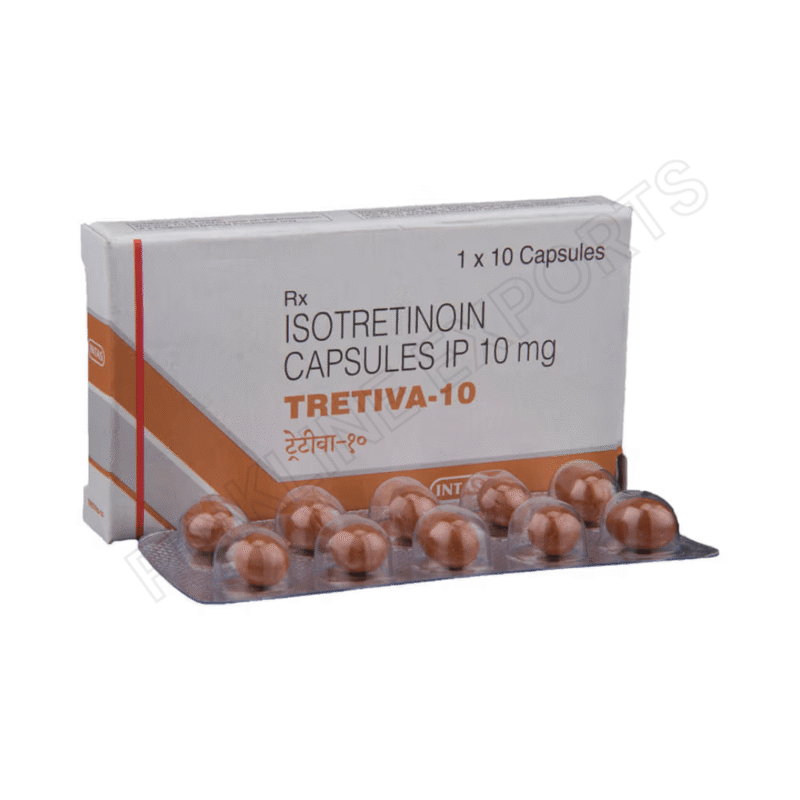
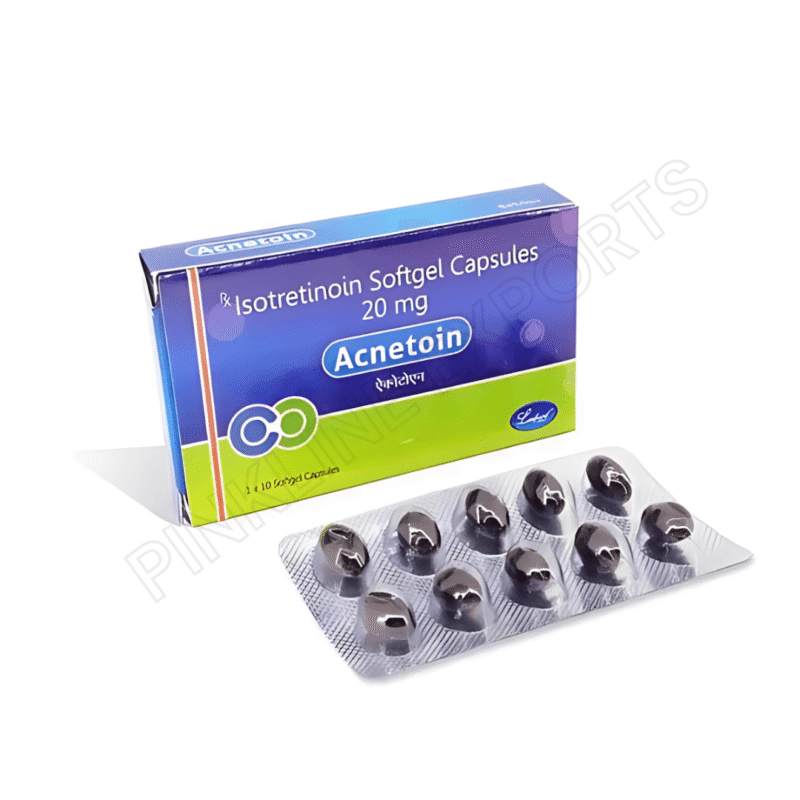
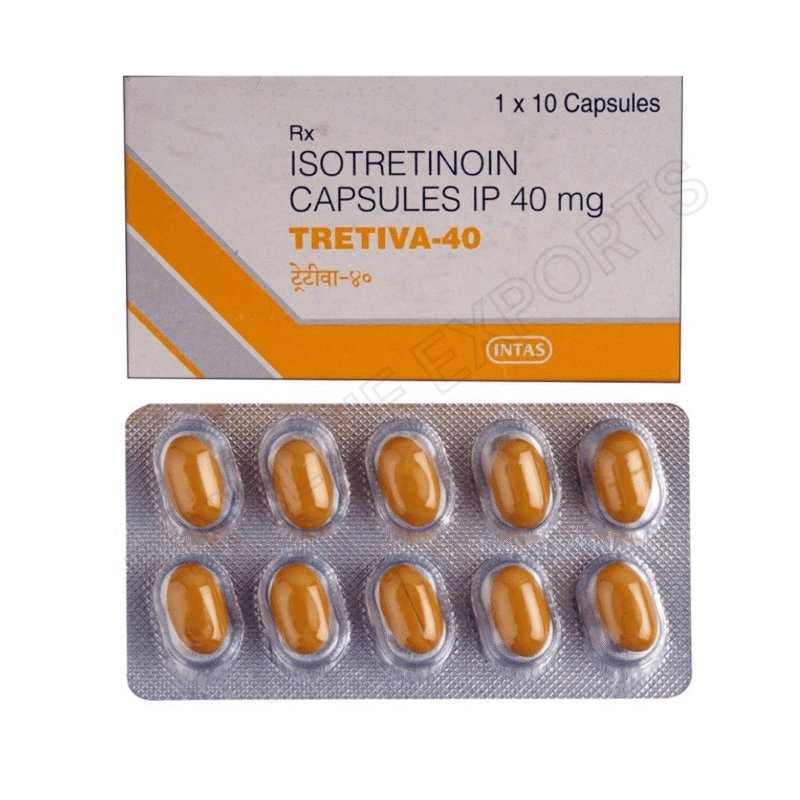
Related Systemic Acne Treatments
For severe, cystic, or treatment-resistant acne that does not adequately respond to topical retinoids alone, systemic oral retinoid options are available under strict clinical supervision:
Adaferin Gel 0.1% Application Guidelines
Apply Adaferin Gel once daily at bedtime to clean, completely dry skin across the entire acne-prone area, not just individual blemishes.
Wash the skin with a mild, non-soap cleanser and pat dry gently. Dispense a pea-sized amount of gel onto fingertips and smooth a thin film over the forehead, chin, cheeks, or affected areas, taking care to avoid the eyes, lips, nostrils, and mucous membranes.
A gentle non-comedogenic moisturizer can be applied concurrently (either before or after the gel) to reduce local dryness or irritation, especially during the initial adaptation period.
([dailymed.nlm.nih.gov](https://dailymed.nlm.nih.gov/dailymed/lookup.cfm?setid=4e727ee9-26bc-4886-90dc-be7754d9fc34))
Important:
Do not apply excessive amounts or use more than once daily. Over-application will not accelerate therapeutic clearance and can lead to pronounced redness, peeling, and discomfort.
Topical Retinoid (Adaferin Gel) vs Oral Retinoid (Isotretinoin)
Comparing localized topical therapy with systemic oral intervention helps clarify appropriate lines of acne treatment:
| Clinical Parameter |
Adaferin Gel 0.1% (Adapalene) |
Oral Isotretinoin (5 mg / 20 mg) |
| Administration Route |
Topical cutaneous gel |
Oral systemic capsule |
| Target Acne Severity |
Mild to moderate comedonal & papular acne |
Severe recalcitrant nodulocystic / scarring acne |
| Systemic Absorption |
Trace / Negligible systemic circulation |
High systemic distribution |
| Primary Adverse Effects |
Localized dryness, erythema, mild peeling |
Cheilitis, dry mucosa, teratogenicity, LFT changes |
| Laboratory Monitoring |
None required |
Required (Lipids, LFTs, Pregnancy testing) |
Adaferin Gel is first-line topical therapy for surface pore congestion and localized lesions, while oral isotretinoin is reserved for deep, severe, or scarring acne requiring systemic sebaceous gland suppression.
Who Should Not Use Adaferin Gel 0.1%?
Adaferin Gel is contraindicated or should be avoided in patients with specific dermatological sensitivities:
- Known hypersensitivity or allergic reaction to adapalene or any excipients in the gel base
- Application to damaged skin barriers (cuts, open abrasions, eczematous patches, or active sunburn)
- Children under 12 years of age (safety and effectiveness have not been established)
- Pregnancy and nursing (as with all retinoids, discontinue use if pregnancy is confirmed or planned)
Patients with a history of eczema or severe reactive skin should exercise caution, as adapalene may produce marked cutaneous irritation on compromised skin barriers.
([dailymed.nlm.nih.gov](https://dailymed.nlm.nih.gov/dailymed/lookup.cfm?setid=4e727ee9-26bc-4886-90dc-be7754d9fc34))
Possible Side Effects of Adaferin Gel 0.1%
Cutaneous side effects are most common during the first 2 to 4 weeks of treatment as the skin adapts to retinization, and typically diminish with continued therapy:
- Erythema (redness) and warmth at the application site
- Scaling, dryness, and visible epidermal peeling
- Mild burning, stinging, or tingling sensations upon application
- Transient “purging” (an initial flare in acne lesions as deep comedones surface)
- Increased photosensitivity to sunlight and UV rays
If skin irritation becomes severe or persistent, patients may temporarily reduce application frequency to every other night or consult their dermatologist.
([dailymed.nlm.nih.gov](https://dailymed.nlm.nih.gov/dailymed/lookup.cfm?setid=4e727ee9-26bc-4886-90dc-be7754d9fc34))
Drug & Topical Product Interactions
Inform your doctor or dermatologist of all skincare products and treatments you are using concurrently:
Astringents & drying agents: Products containing high alcohol concentrations, astringents, abrasive soaps, peeling agents, or high levels of salicylic acid can produce cumulative irritant effects when used alongside adapalene.
Other topical acne medications: Benzoyl peroxide or topical clindamycin may be used in combination regimens, but staggering application times (e.g., clindamycin or benzoyl peroxide in the morning, Adaferin Gel at night) helps prevent excessive dryness.
Waxing & depilatory treatments: Avoid cosmetic facial waxing or chemical depilatories on treated areas, as retinoids cause epidermal thinning that can lead to skin abrasion.
([dailymed.nlm.nih.gov](https://dailymed.nlm.nih.gov/dailymed/lookup.cfm?setid=4e727ee9-26bc-4886-90dc-be7754d9fc34))
Sun Exposure and Photoprotection
Adapalene increases cutaneous sensitivity to ultraviolet radiation. Exposure to sunlight, tanning beds, and sunlamps should be minimized during therapy.
Patients must incorporate a broad-spectrum, non-comedogenic sunscreen (SPF 30 or higher) into their daily morning routine and wear protective hats when outdoor sun exposure cannot be avoided. If sunburn occurs, suspend Adaferin Gel application until the skin has completely healed.
([dailymed.nlm.nih.gov](https://dailymed.nlm.nih.gov/dailymed/lookup.cfm?setid=4e727ee9-26bc-4886-90dc-be7754d9fc34))
Treatment Timeline & Therapeutic Expectations
Acne resolution requires adherence over standard epidermal cellular renewal cycles:
Weeks 1–4 (Retinization & Purging): Cellular turnover accelerates. Mild peeling, dryness, or a transient rise in visible breakouts may occur as subclinical microcomedones are pushed to the surface.
Weeks 4–8 (Early Clearing): Redness and peeling subside as skin barrier adaptation occurs. Existing inflammatory bumps diminish in size and frequency.
Weeks 8–12 (Visible Improvement): Marked reduction in both comedones and inflammatory lesions is typically visible. Ongoing nightly use helps prevent future pore occlusion.
([dailymed.nlm.nih.gov](https://dailymed.nlm.nih.gov/dailymed/lookup.cfm?setid=4e727ee9-26bc-4886-90dc-be7754d9fc34))
Official Medical Reference
For authoritative clinical pharmacology details, safety profiles, contraindications, and approved prescribing instructions, consult the official FDA DailyMed monograph:
DailyMed – Adapalene 0.1% Topical Gel Information
Frequently Asked Questions About Adaferin Gel 0.1%
1. How long does it take for Adaferin Gel 0.1% to show results?
Most patients begin to see noticeable improvements in skin texture and reduced breakout frequency after 8 to 12 weeks of consistent once-daily application. Continued treatment is required to maintain clear skin.
([dailymed.nlm.nih.gov](https://dailymed.nlm.nih.gov/dailymed/lookup.cfm?setid=4e727ee9-26bc-4886-90dc-be7754d9fc34))
2. Is it normal for acne to worsen when first starting Adaferin Gel?
Yes. An initial “purging” period can occur during the first 2 to 4 weeks. Because adapalene speeds up skin cell renewal, pre-existing microcomedones under the skin surface emerge more rapidly before the skin clears.
3. Should I apply Adaferin Gel as a spot treatment or all over my face?
Adaferin Gel must be applied as a thin layer over the entire acne-prone area, not as an isolated spot treatment. Its primary mechanism is preventing new pores from clogging while treating existing blemishes.
([dailymed.nlm.nih.gov](https://dailymed.nlm.nih.gov/dailymed/lookup.cfm?setid=4e727ee9-26bc-4886-90dc-be7754d9fc34))
4. Can I use a moisturizer with Adaferin Gel?
Yes. Applying a gentle, non-comedogenic, fragrance-free moisturizer is recommended to help manage dryness and skin peeling. You may apply moisturizer before or after the gel depending on your skin’s sensitivity.
5. What is the difference between Adaferin Gel and Oral Isotretinoin?
Adaferin Gel (adapalene) is a topical medication applied to the skin surface for mild to moderate acne, with minimal systemic absorption. Isotretinoin is an oral capsule reserved for severe, scarring, or cystic acne that affects the body systemically.
Medical Disclaimer
This product overview is provided strictly for educational and informational purposes. Adaferin Gel 0.1% (adapalene) is a dermatological treatment requiring diagnosis and oversight by a qualified healthcare professional or dermatologist. Individual results, skin tolerance, and treatment durations vary. This content does not substitute for professional medical advice, clinical diagnosis, or individualized skincare management plans.






Reviews
There are no reviews yet.