
Amoxicillin 875 Mg & Clavulanic Acid 125 Mg Tablets
$38.00 – $60.00Price range: $38.00 through $60.00
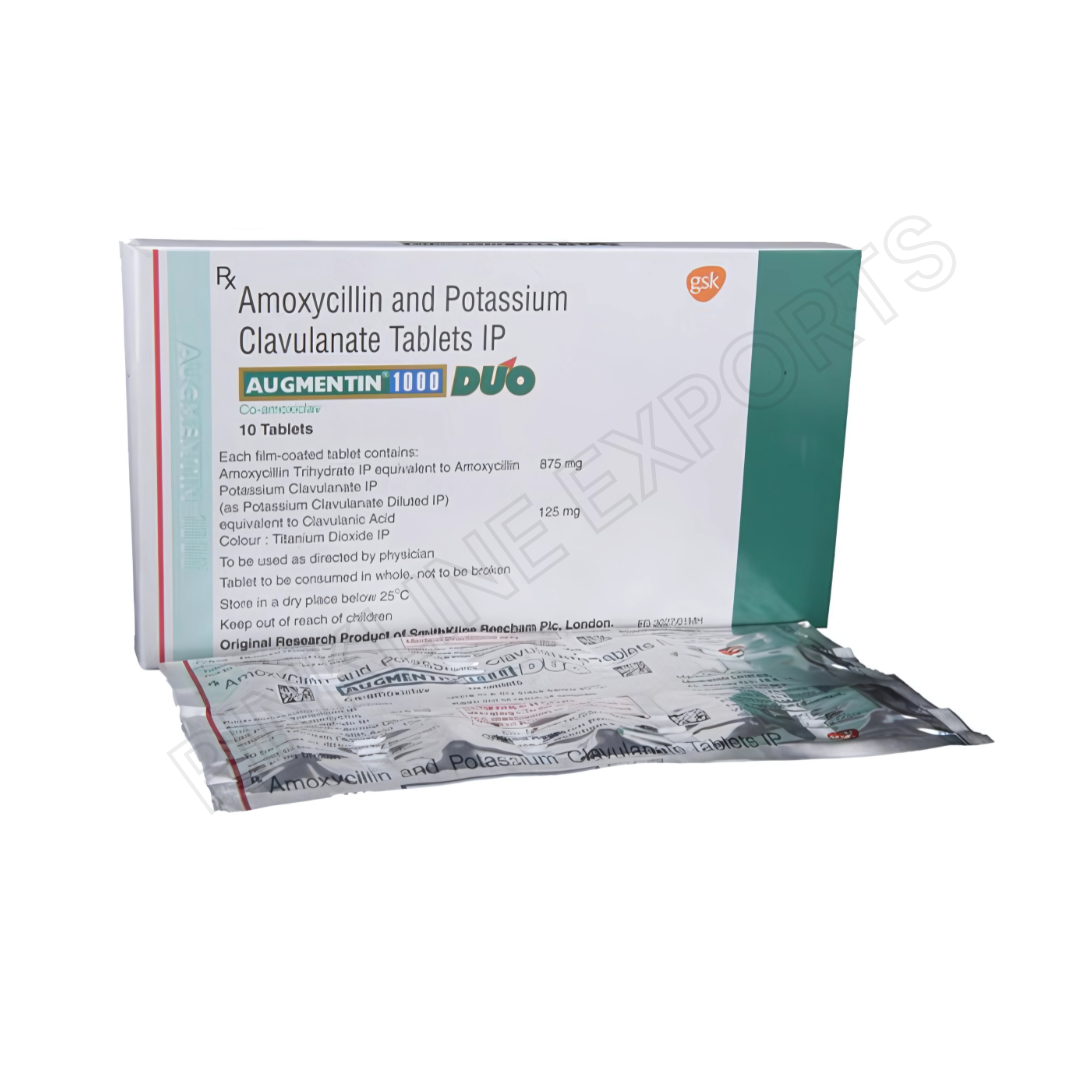
Amoxicillin 875 Mg with Clavulanic Acid 125 Mg is a broad-spectrum antibiotic used to treat bacterial infections. It works by killing bacteria and preventing resistance through beta-lactamase inhibition. Commonly used for respiratory, urinary, and skin infections, it provides effective treatment when taken as prescribed under medical supervision with completion of the full course.
Description
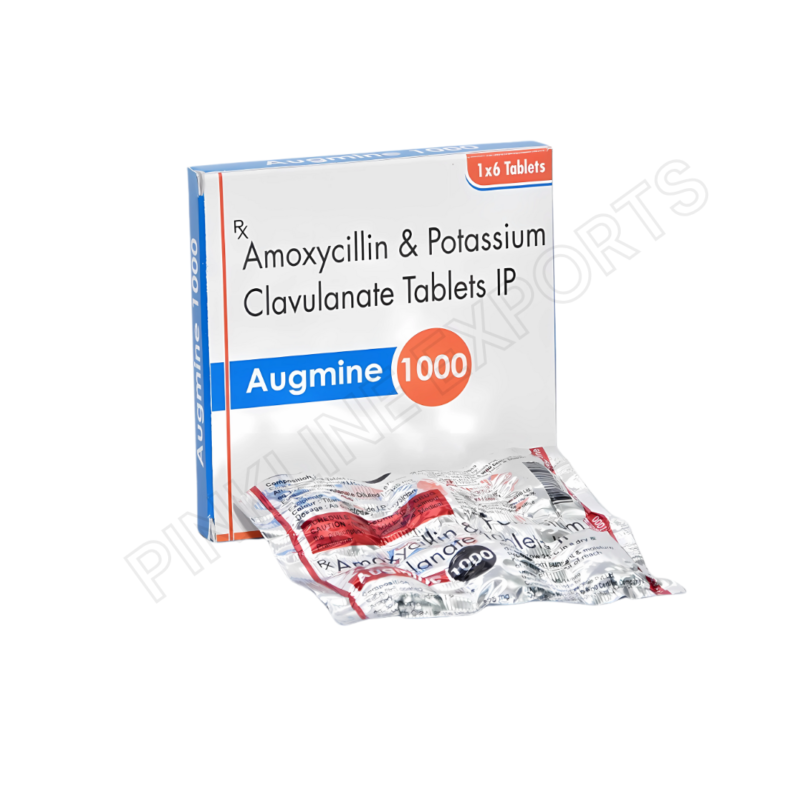
Augmentin 1000 Mg
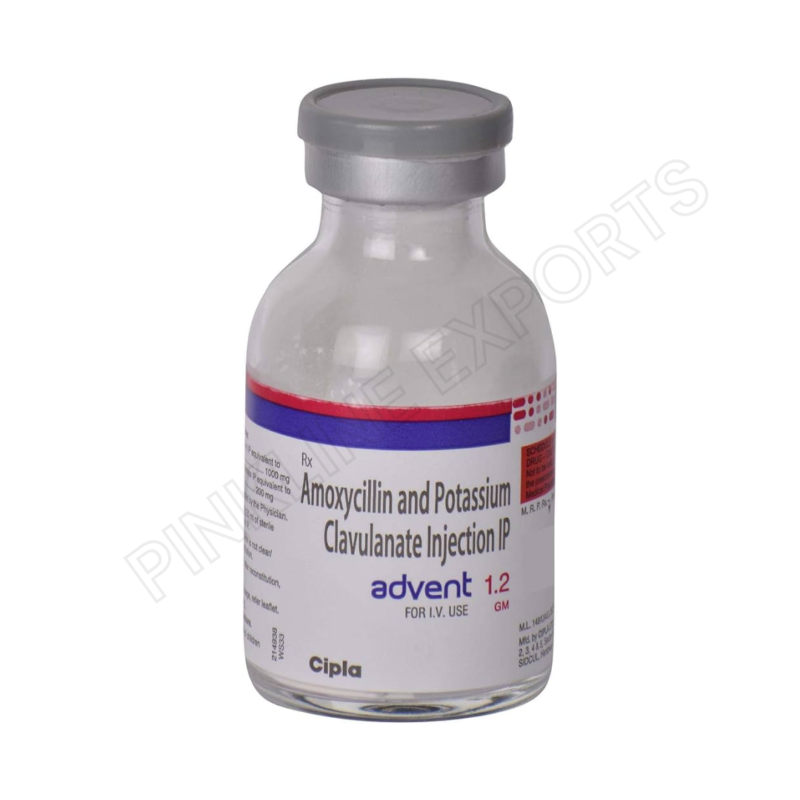
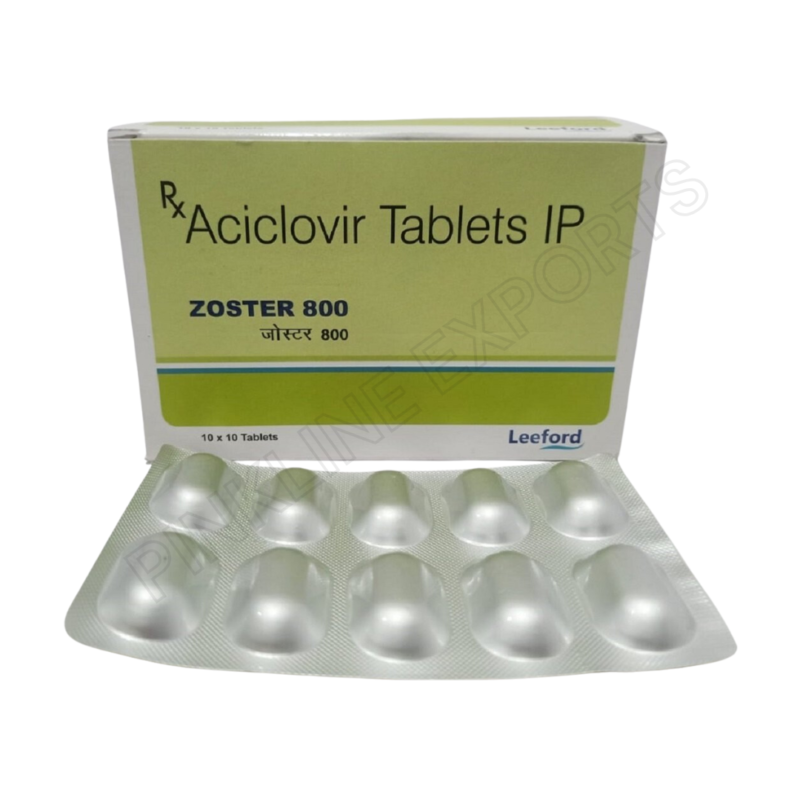
Augmentin 1000 Mg is a broad-spectrum antibiotic containing amoxicillin and clavulanic acid, used to treat a variety of bacterial infections including respiratory, urinary, skin, and dental infections. It works by killing bacteria and overcoming resistance, making it highly effective for moderate to severe infections. In treatment plans, alternatives like Acyclovir Tablet 400 Mg may be used for viral infections, while injectable options such as Advent 1.2 Injection are preferred in severe bacterial cases requiring hospital care.
Mechanism of Action
Dual Antibiotic Action
Augmentin combines amoxicillin, which destroys bacterial cell walls, with clavulanic acid, which inhibits beta-lactamase enzymes that cause resistance.
Enhanced Effectiveness
This combination ensures activity against resistant bacteria and improves treatment success rates. For clinical insights, refer to American Heart Association (AHA) and for safety guidance, consult Mayo Clinic – Amoxicillin and Clavulanate Information.
Medical Uses
Augmentin 1000 Mg is used for:
- Respiratory tract infections (sinusitis, bronchitis, pneumonia)
- Urinary tract infections
- Skin and soft tissue infections
- Dental infections
- Ear infections
It is widely used for effective bacterial infection management.
Dosage and Administration
Augmentin 1000 Mg is usually taken orally twice daily after meals to reduce stomach upset. The dosage and duration depend on the severity of the infection. Completing the full course is essential. In some cases, Acyclovir Tablet 400 Mg may be prescribed for viral infections, while Advent 1.2 Injection is used in hospital settings for severe bacterial infections.
Clinical Effectiveness
Clinical studies show that Augmentin effectively treats resistant bacterial infections, reduces symptoms quickly, and prevents complications when taken as prescribed.
Safety and Side Effects
Common Side Effects
- Nausea
- Diarrhea
- Vomiting
- Skin rash
Serious Risks
- Allergic reactions
- Liver dysfunction
- Severe diarrhea
Regular monitoring is recommended. For more details, refer to Mayo Clinic – Amoxicillin and Clavulanate Information.
Contraindications and Precautions
Augmentin 1000 Mg should be used with caution in:
- Patients with penicillin allergy
- Individuals with liver disease
- Patients with kidney impairment
Medical consultation is required before use.
Drug Interactions
Augmentin may interact with anticoagulants, methotrexate, and other antibiotics. Patients should inform their healthcare provider about all medications. For further reading, refer to American Heart Association (AHA).
FAQs
This medication is used to treat bacterial infections such as respiratory infections, urinary tract infections, and skin infections. It helps eliminate bacteria and improve symptoms when taken as prescribed. Completing the full course ensures effective treatment and prevents antibiotic resistance from developing in the body during infection management.
Amoxicillin kills bacteria by stopping cell wall formation, while clavulanic acid blocks enzymes that cause resistance. This combination enhances effectiveness against resistant bacteria. It ensures better treatment outcomes for infections that may not respond to standard antibiotics alone when used correctly under medical supervision for appropriate duration.
It should be taken orally every 12 hours with food, as prescribed by a healthcare provider. Taking it with meals helps reduce stomach upset. Patients should not skip doses and must complete the full course to ensure infection is completely treated and to prevent bacterial resistance from developing.
Common side effects include nausea, diarrhea, vomiting, and mild skin rash. These effects are usually temporary and improve as the body adjusts. If symptoms persist or worsen, patients should consult a healthcare provider for evaluation and appropriate management during treatment to ensure safety and effectiveness.
This medication may not be suitable for patients allergic to penicillin or those with severe liver disease. A proper medical evaluation is necessary before use. Doctors assess individual health conditions and history to determine whether this antibiotic combination is safe and appropriate for effective infection treatment.