
Acyclovir Tablet 400 Mg
$18.00 – $26.40Price range: $18.00 through $26.40
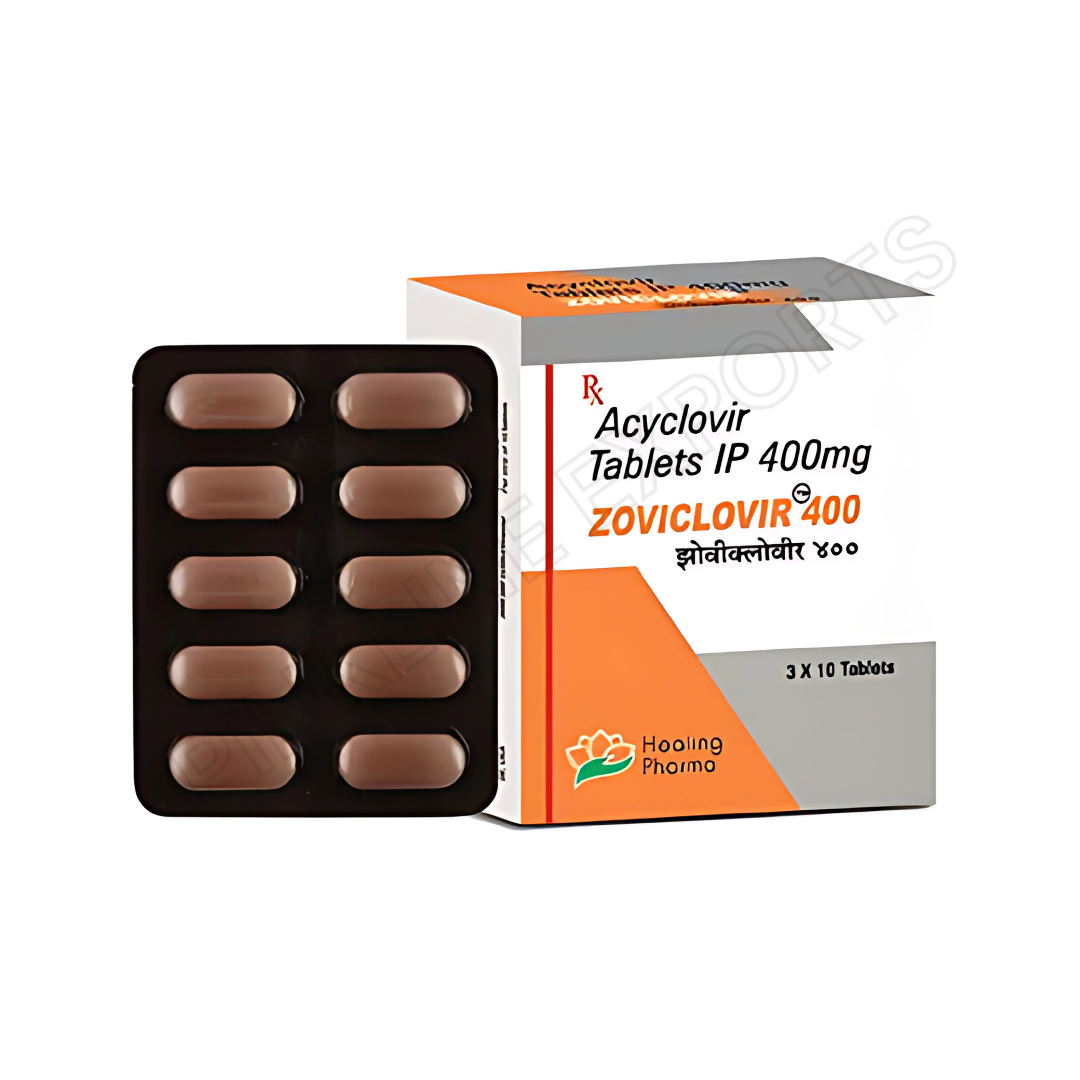
Acyclovir Tablet 400 Mg is an antiviral medication used to treat infections caused by herpes viruses, including herpes simplex (oral and genital), shingles, and chickenpox. It works by slowing the growth and spread of the virus, helping reduce symptoms and speed up healing. This strength is commonly prescribed for moderate infections and recurrent cases.
Description
Acyclovir Tablet 400 Mg
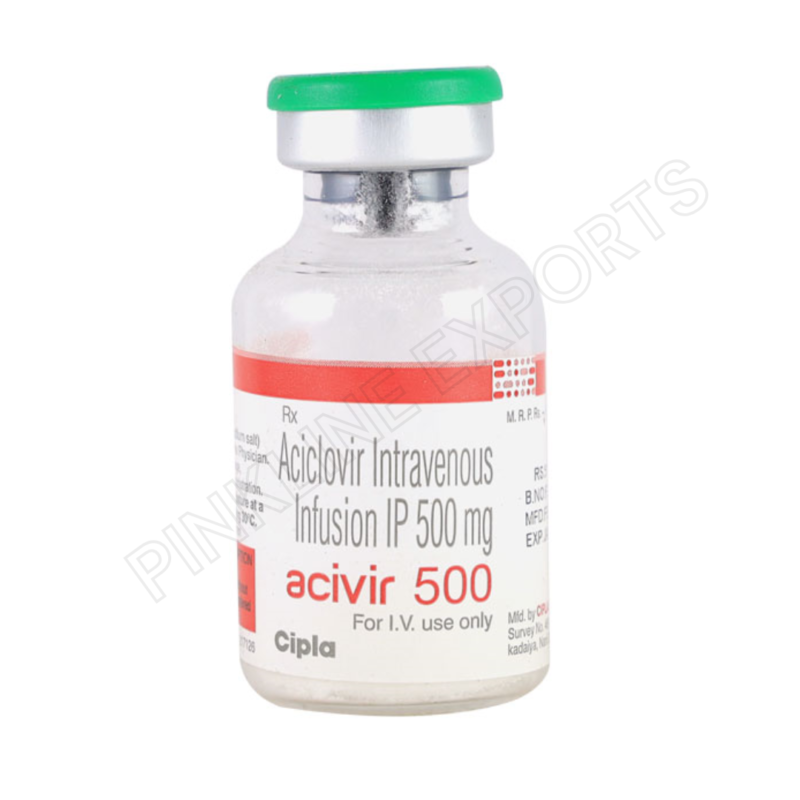
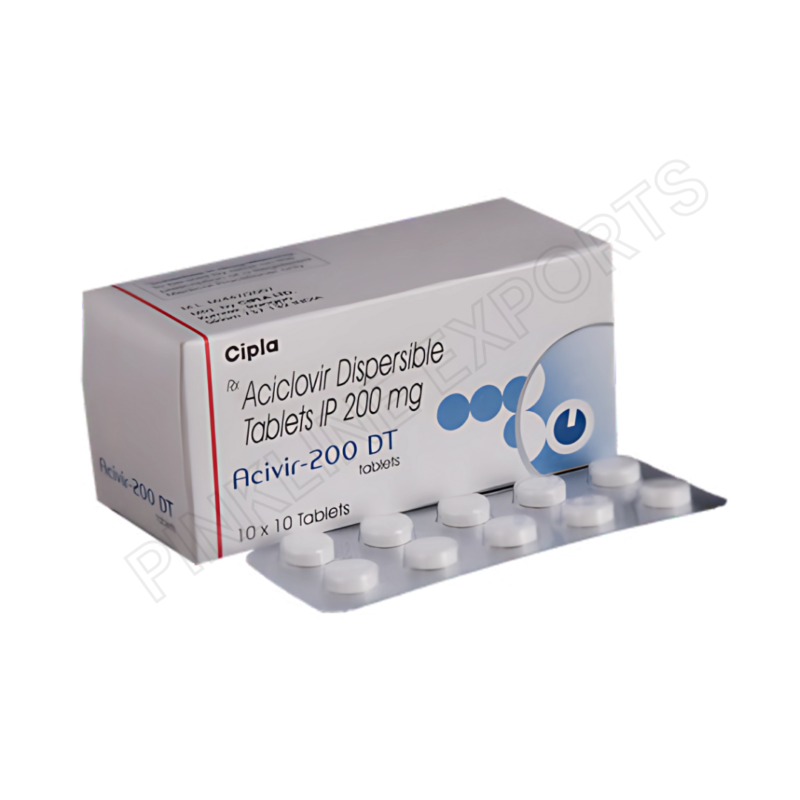
Acyclovir Tablet 400 Mg is an antiviral medication used for the treatment of infections caused by herpes viruses. It is commonly prescribed for conditions such as herpes simplex (oral and genital herpes), shingles (herpes zoster), and chickenpox. This higher strength is often used for more severe infections or recurrent cases. It helps reduce the duration and severity of symptoms. In treatment plans, lower doses like Acivir Tablet 200 mg and injectable forms such as Acivir 500 Mg Injection may be used depending on the condition.
Mechanism of Action
Antiviral Activity
Acyclovir works by inhibiting viral DNA synthesis, preventing the virus from multiplying.
Infection Control
It helps control the spread of infection and speeds up healing. For clinical insights, refer to Centers for Disease Control and Prevention (CDC) and for safety guidance, consult Mayo Clinic – Acyclovir Information.
Medical Uses
Acyclovir Tablet 400 Mg is used for:
- Herpes simplex infections (oral and genital)
- Herpes zoster (shingles)
- Chickenpox (varicella)
- Prevention of recurrent herpes infections
It is widely used for both treatment and prevention.
Dosage and Administration
Acyclovir Tablet 400 Mg is taken orally, usually multiple times a day depending on the condition, as prescribed by a healthcare provider. Adequate hydration is important during treatment. In clinical practice, Acivir Tablet 200 mg may be used for milder cases, while Acivir 500 Mg Injection is used for severe infections.
Clinical Effectiveness
Clinical studies show that acyclovir effectively reduces viral replication, shortens the duration of symptoms, and helps prevent complications when started early.
Safety and Side Effects
Common Side Effects
- Nausea
- Headache
- Diarrhea
Serious Risks
- Kidney dysfunction (rare)
- Neurological effects (rare)
Regular monitoring is recommended, especially in high-risk patients. For more details, refer to Mayo Clinic – Acyclovir Information.
Contraindications and Precautions
Acyclovir Tablet 400 Mg should be used with caution in:
- Patients with kidney disease
- Elderly individuals
- Dehydrated patients
Proper hydration and medical supervision are advised.
Drug Interactions
Acyclovir may interact with medications affecting kidney function, increasing the risk of toxicity. Patients should inform their healthcare provider about all medicines they are taking. For further reading, refer to Centers for Disease Control and Prevention (CDC).
FAQs
Acyclovir 400 Mg is used to treat viral infections caused by herpes viruses, including genital herpes, oral herpes, shingles, and chickenpox. It helps reduce symptoms, speeds healing, and lowers recurrence risk when taken as prescribed. It is commonly used for moderate infections and recurrent outbreaks in patients.
Acyclovir works by inhibiting viral DNA synthesis, which prevents the virus from multiplying in the body. This helps control the infection, reduce symptoms, and promote faster healing. It is most effective when started early during the infection, improving outcomes and reducing the severity of symptoms in affected patients.
It should be taken orally as prescribed by a healthcare provider, usually multiple times daily depending on the infection type. It can be taken with or without food, but drinking plenty of water is recommended. Completing the full course is important to ensure proper treatment and prevent recurrence or resistance.
Yes, it is generally safe when used as directed. Most side effects are mild, such as nausea or headache. Patients with kidney problems or elderly individuals may need dose adjustments. Proper hydration and medical supervision help reduce risks and ensure safe and effective use during the treatment period.
Common side effects include nausea, vomiting, headache, and mild stomach discomfort. These are usually temporary and resolve without treatment. Rare but serious side effects include kidney problems or neurological symptoms, especially in high doses or patients with underlying conditions, requiring immediate medical attention if they occur.