
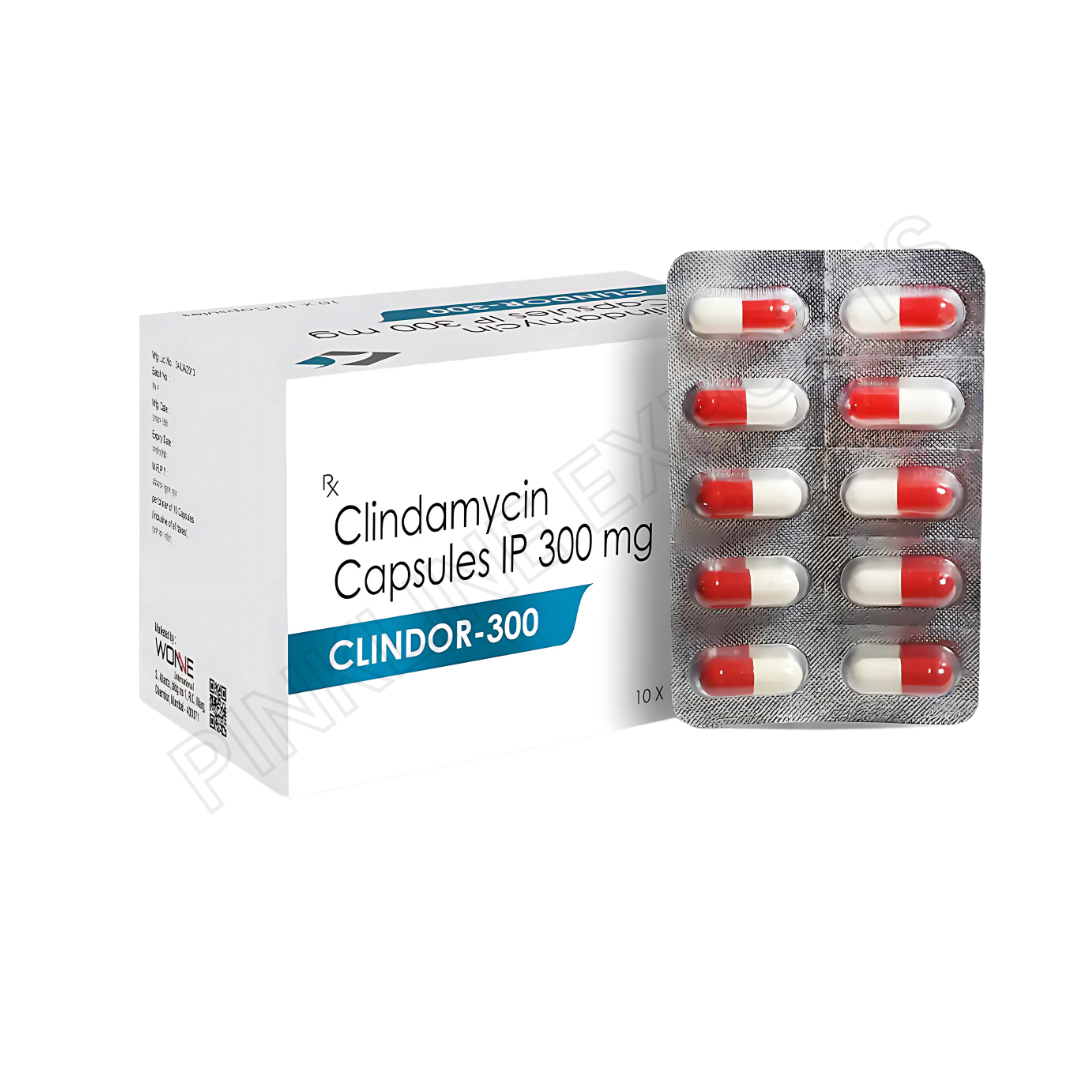

Clindamycin Capsules 300 Mg – Cleocin
$30.00 – $48.00Price range: $30.00 through $48.00
Clindamycin Capsules 300 Mg – Cleocin is an antibiotic used to treat various bacterial infections, especially anaerobic and gram-positive infections.
Description
Clindamycin Capsules 300 Mg – Cleocin
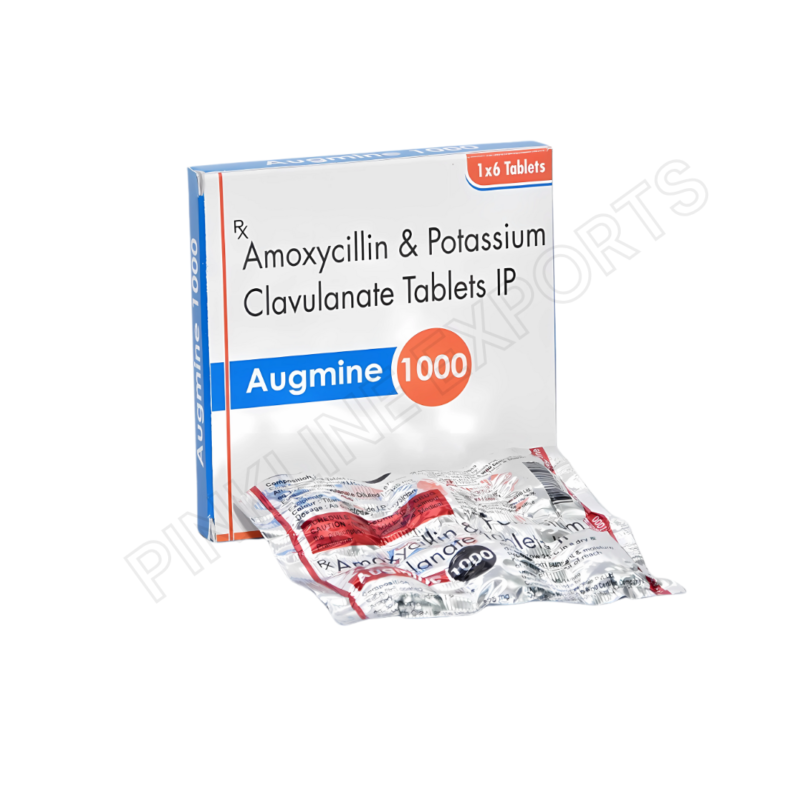
Clindamycin Capsules 300 Mg – Cleocin is an antibiotic used to treat a variety of bacterial infections. It belongs to the lincosamide class and is effective against anaerobic bacteria and certain gram-positive organisms. This strength is commonly prescribed for moderate to severe infections, especially when other antibiotics are not suitable. It is widely used for skin, respiratory, bone, and soft tissue infections. In treatment plans, alternatives like Augmine 1000 Mg and injectable options such as Advent 1.2 Injection may also be considered depending on the severity of infection.
Mechanism of Action
Protein Synthesis Inhibition
Clindamycin works by inhibiting bacterial protein synthesis, preventing bacteria from growing and multiplying.
Infection Control
It helps eliminate infection-causing bacteria and reduces inflammation. For clinical insights, refer to World Health Organization (WHO) and for safety guidance, consult Mayo Clinic – Clindamycin Information.
Medical Uses
Clindamycin Capsules 300 Mg is used for:
- Skin and soft tissue infections
- Respiratory tract infections
- Bone and joint infections
- Dental infections
- Anaerobic bacterial infections
It is commonly used when patients are allergic to penicillin or when resistant infections are present.
Dosage and Administration
Clindamycin Capsules 300 Mg is taken orally, usually 3–4 times daily as prescribed by a healthcare provider. It should be taken with a full glass of water to prevent throat irritation. In clinical practice, Augmine 1000 Mg may be used as an alternative, while Advent 1.2 Injection is used for severe infections requiring hospital care.
Clinical Effectiveness
Clinical studies show that clindamycin is highly effective against anaerobic and gram-positive bacterial infections, helping reduce symptoms and prevent complications.
Safety and Side Effects
Common Side Effects
- Nausea
- Diarrhea
- Abdominal pain
Serious Risks
- Severe diarrhea (Clostridioides difficile infection)
- Allergic reactions
Patients should seek medical attention if severe diarrhea occurs. For more details, refer to Mayo Clinic – Clindamycin Information.
Contraindications and Precautions
Clindamycin Capsules 300 Mg should be used with caution in:
- Patients with gastrointestinal diseases
- Individuals with liver disorders
- Elderly patients
Medical supervision is recommended.
Drug Interactions
Clindamycin may interact with other antibiotics and medications affecting neuromuscular function. Patients should inform their healthcare provider about all medicines they are taking. For further reading, refer to World Health Organization (WHO).
FAQs
It is used to treat bacterial infections such as skin, respiratory, and bone infections.
It stops bacterial growth by inhibiting protein synthesis.
It is generally safe when used as prescribed, but may cause gastrointestinal side effects.
It should be taken with a full glass of water as directed by a healthcare provider.
Severe diarrhea may occur and requires immediate medical attention.