
Vasocon Injection
Vasocon Inj Price range: $15.00 through $27.00
Back to products
Albucel 100 ML
Albucel 100 ML Price range: $95.00 through $240.00
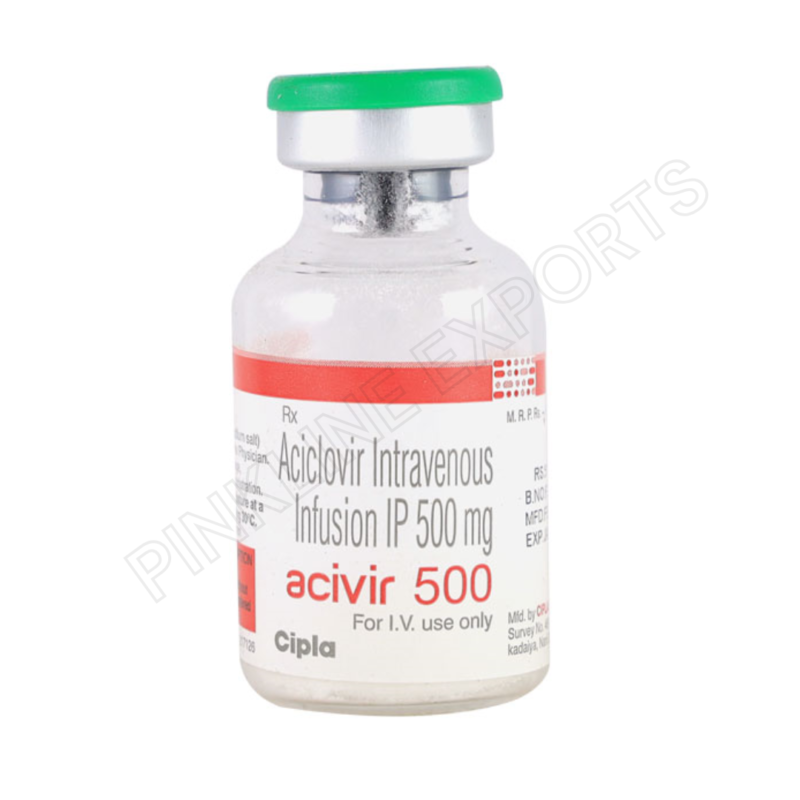
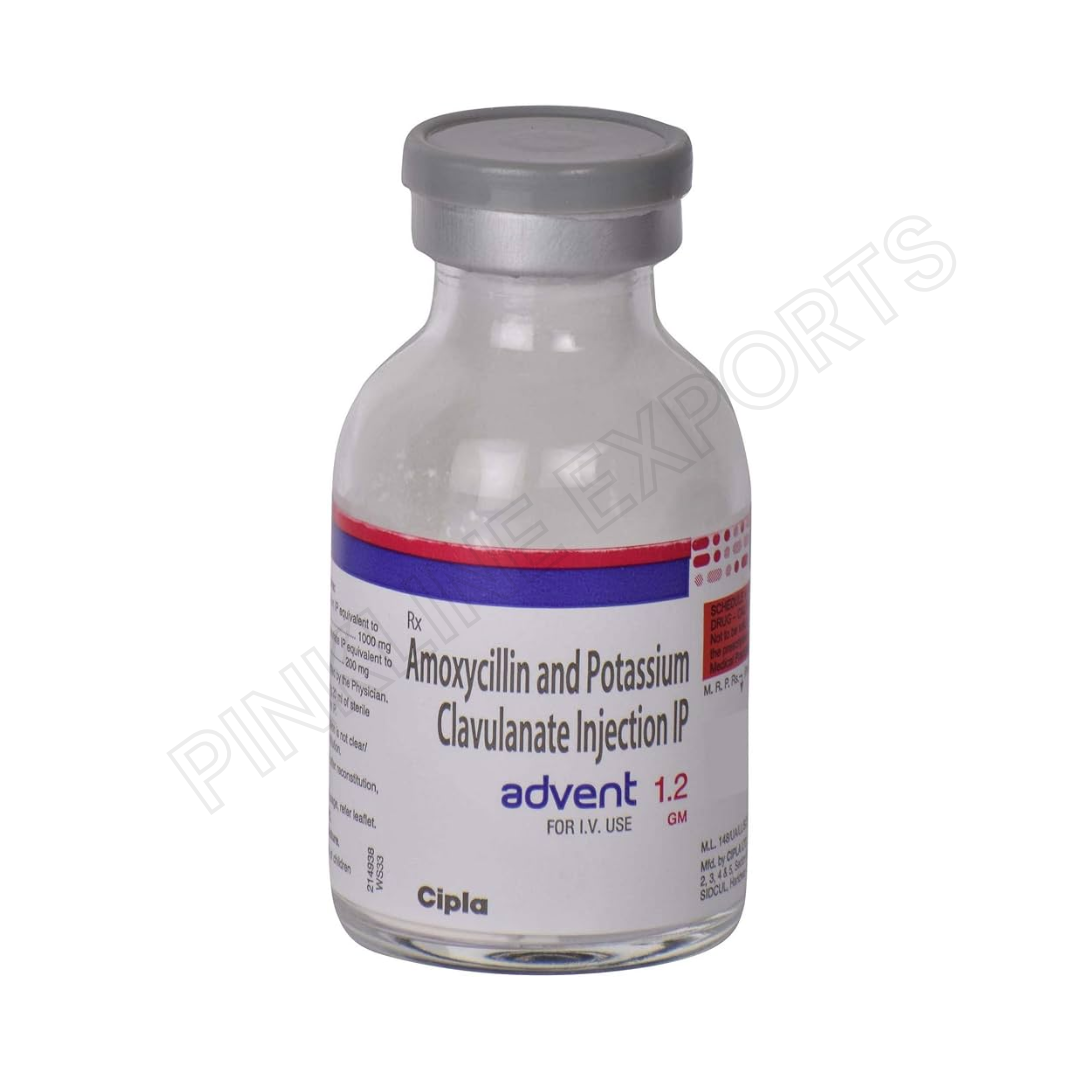
Advent 1.2 Injection

Price range: $12.00 through $30.00

Advent 1.2 Injection is a combination antibiotic containing amoxicillin and clavulanic acid, used to treat a wide range of bacterial infections. It is administered intravenously in hospital settings for moderate to severe infections, especially when oral antibiotics are not suitable or when rapid and effective treatment is required.

SKU: N/A Category:

Description

Advent 1.2 Injection

Advent 1.2 Injection is a broad-spectrum antibiotic containing amoxicillin and clavulanic acid, used to treat a wide range of bacterial infections. It belongs to the penicillin class combined with a beta-lactamase inhibitor, which enhances its effectiveness against resistant bacteria. This injectable form is typically used in hospital settings for moderate to severe infections when oral therapy is not suitable. In treatment plans, oral antibiotics like Augmine 1000 Mg and alternatives such as Clindamycin Capsules 300 Mg – Cleocin may be used depending on the condition and severity.


Mechanism of Action

Dual Antibiotic Action

  • Amoxicillin inhibits bacterial cell wall synthesis, leading to bacterial death.
  • Clavulanic acid blocks beta-lactamase enzymes that cause antibiotic resistance.

Enhanced Coverage

This combination provides effective action against a wide range of resistant bacteria. For clinical insights, refer to World Health Organization (WHO) and for safety guidance, consult Mayo Clinic – Amoxicillin-Clavulanate Information.


Medical Uses

Advent 1.2 Injection is used for:

  • Respiratory tract infections
  • Urinary tract infections
  • Skin and soft tissue infections
  • Bone and joint infections
  • Severe bacterial infections requiring hospitalization

It is commonly used in inpatient and emergency care.


Dosage and Administration

Advent 1.2 Injection is administered intravenously by a healthcare professional. The dosage depends on the severity of infection and patient condition. In clinical practice, Augmine 1000 Mg may be used for oral therapy, while Clindamycin Capsules 300 Mg – Cleocin can be used as an alternative antibiotic.


Clinical Effectiveness

Clinical studies show that amoxicillin-clavulanate is highly effective against a wide range of bacterial infections, including resistant strains.


Safety and Side Effects

Common Side Effects

  • Nausea
  • Diarrhea
  • Injection site reactions

Serious Risks

  • Allergic reactions (especially in penicillin-sensitive patients)
  • Liver dysfunction (rare)

Regular monitoring is recommended. For more details, refer to Mayo Clinic – Amoxicillin-Clavulanate Information.


Contraindications and Precautions

Advent 1.2 Injection should not be used in:

  • Patients with penicillin allergy
  • Individuals with severe liver disease
  • Patients with history of antibiotic-related jaundice

Consult a healthcare provider before use.


Drug Interactions

This medication may interact with anticoagulants, methotrexate, and other antibiotics. Patients should inform their healthcare provider about all medicines they are taking. For further reading, refer to World Health Organization (WHO).

FAQs


1 What is Advent 1.2 Injection used for?

Advent 1.2 Injection is used to treat serious bacterial infections such as respiratory tract infections, urinary tract infections, skin infections, and bone infections. It is commonly administered in hospital settings when infections are severe or when oral antibiotics are not effective or suitable for the patient’s condition.

2 How does Advent 1.2 Injection work?

It contains amoxicillin, which kills bacteria by damaging their cell walls, and clavulanic acid, which prevents bacterial resistance. This combination enhances effectiveness against resistant bacteria, helping control infections quickly and efficiently, especially in moderate to severe cases requiring immediate medical attention and proper antibiotic therapy.


3 How is Advent 1.2 Injection administered?

It is administered intravenously by a healthcare professional in a hospital or clinical setting. The dosage and duration depend on the type and severity of infection. Self-administration is not recommended, as proper medical supervision is required to ensure safety, effectiveness, and appropriate monitoring during treatment.


4 It is administered intravenously by a healthcare professional in a hospital or clinical setting. The dosage and duration depend on the type and severity of infection. Self-administration is not recommended, as proper medical supervision is required to ensure safety, effectiveness, and appropriate monitoring during treatment.

Yes, it is generally safe when given under medical supervision. However, patients with penicillin allergy or liver issues should use it cautiously. Side effects are usually mild, but serious allergic reactions can occur. Regular monitoring helps ensure safe use and early detection of any complications.


5 What are the common side effects?

Common side effects include nausea, vomiting, diarrhea, and injection site reactions. These are usually mild and temporary. Rare but serious side effects include allergic reactions, liver problems, or severe diarrhea. Patients should seek medical attention if unusual symptoms or severe reactions occur during treatment.

RELATED PRODUCTS