

Common Parasitic Worm Infections and the Medicines Used to Treat Them

Common Parasitic Worm Infections and the Medicines Used to Treat Them
Critical Medical & Diagnostic Notice
Parasitic infections—including intestinal helminths, tissue nematodes, and protozoal organisms—require precise diagnostic confirmation (such as microscopic stool examination or serological testing) prior to initiating targeted medical therapy. Anthelmintic and antiprotozoal medications differ significantly in their spectrum of activity, human vs. veterinary indications, and potential side effects. Therapy must always be prescribed and monitored under the guidance of a licensed healthcare provider or veterinarian. This document serves strictly educational purposes.
Parasitic infections affect billions of people and animals worldwide. Caused by various organisms—ranging from microscopic single-celled protozoa to complex multicellular intestinal helminths (nematodes, cestodes, and trematodes)—these infections can lead to chronic gastrointestinal distress, severe nutritional deficiencies, systemic inflammation, and tissue damage.
Because different parasitic species rely on distinct metabolic, structural, and neuromuscular pathways to survive inside a host, there is no single “universal” antiparasitic cure. Instead, modern medicine relies on specific classes of pharmaceuticals engineered to disrupt target biological processes within particular organism types.
This clinical guide breaks down the most common parasitic infections, contrasts human versus veterinary treatment options, outlines key pharmaceutical classes, and details safety best practices.
Common Parasitic Organisms & Clinical Manifestations
Parasitic organisms are broadly divided into two major biological categories based on their structure:
1. Helminths (Parasitic Worms)
Helminths are multicellular organisms visible to the naked eye in their adult stages. They include:
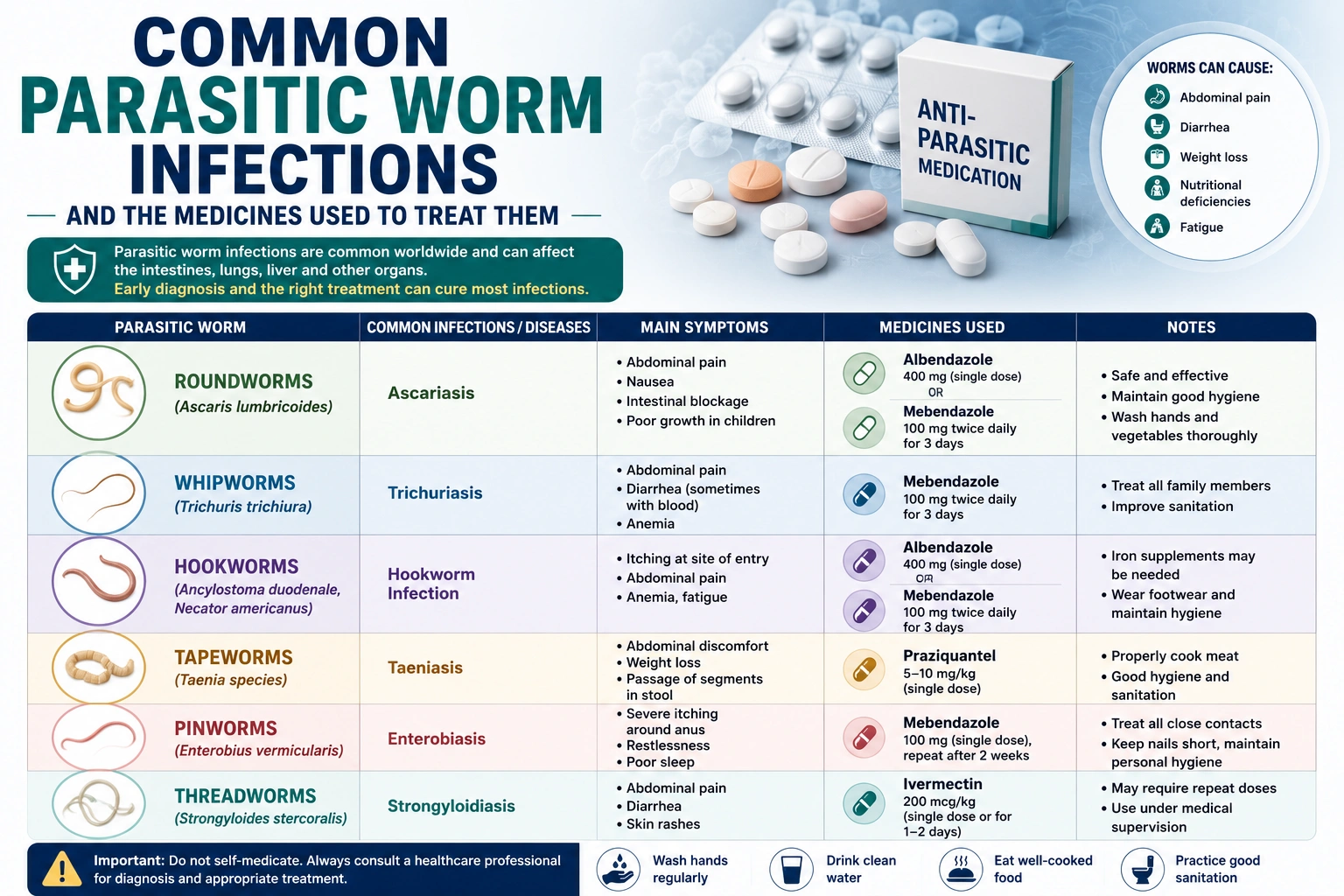
- Roundworms (Ascaris lumbricoides): Transmitted via contaminated food or water; cause abdominal discomfort, intestinal blockage, and impaired nutrient absorption.
- Hookworms (Ancylostoma duodenale, Necator americanus): Penetrate the skin directly (often through bare feet); attach to the intestinal wall to feed on host blood, leading to severe iron-deficiency anemia.
- Pinworms (Enterobius vermicularis): Highly contagious, microscopic eggs that cause intense perianal itching, especially at night.
- Whipworms (Trichuris trichiura): Burrow into the large intestine mucosal lining, causing chronic bloody diarrhea, anemia, and abdominal pain.
- Threadworms (Strongyloides stercoralis): Unique tissue-dwelling nematodes capable of auto-infection within the host, leading to severe hyperinfection syndrome in immunocompromised patients.
2. Protozoa (Single-Celled Organisms)
Unlike multi-celled helminths, protozoa are microscopic, single-celled organisms that multiply rapidly within the host. Common clinical examples include Giardia lamblia (causing watery, foul-smelling diarrhea) and Entamoeba histolytica (causing severe amoebic dysentery and liver abscesses).
Primary Antiparasitic Medicines & Their Mechanisms
Targeting a parasitic infection requires selecting a drug mechanism tailored to the specific organism:
1. Human Broad-Spectrum Anthelmintics (Benzimidazoles)
Benzimidazole compounds work by selectively binding to $\beta$-tubulin in the parasite’s intestinal cells, preventing microtubule assembly and blocking glucose uptake until the worm starves.
For human clinical care, Albendazole 400 Mg is a first-line, FDA-approved treatment for a wide variety of human systemic and intestinal helminths, including roundworms, hookworms, pinworms, and neurocysticercosis.
2. Veterinary Benzimidazoles
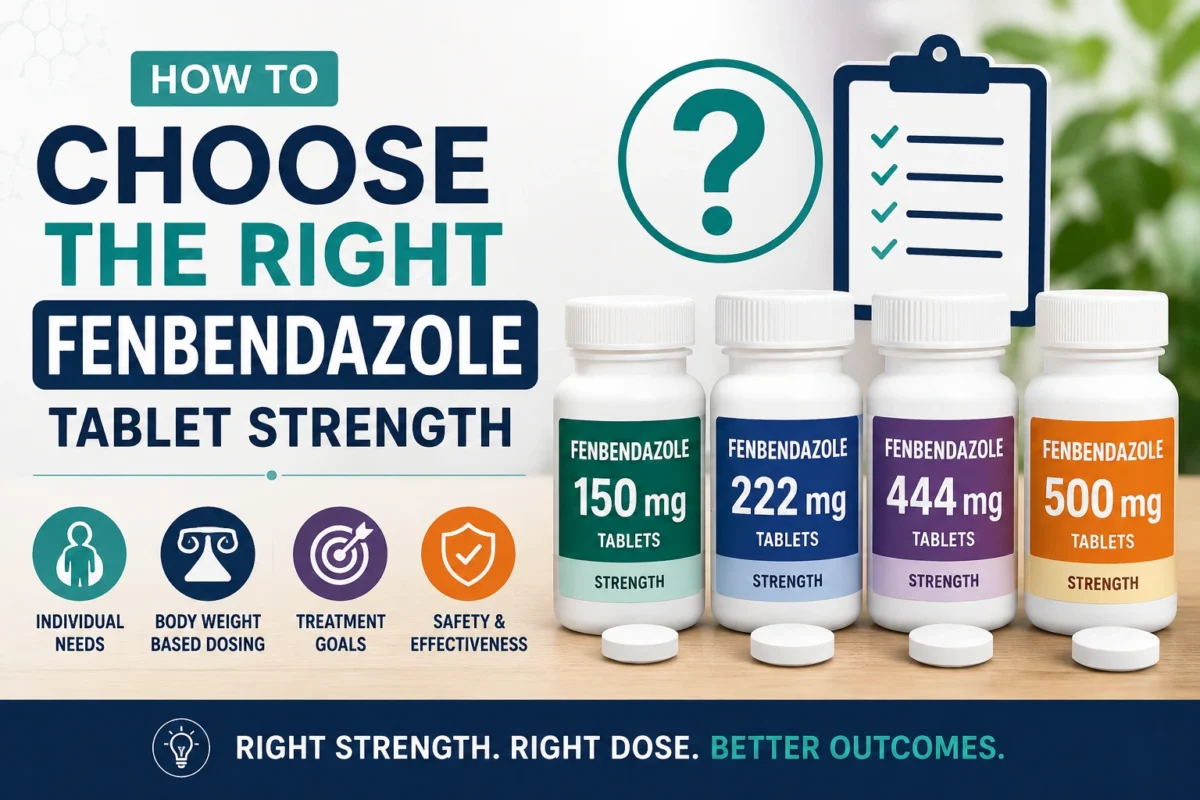
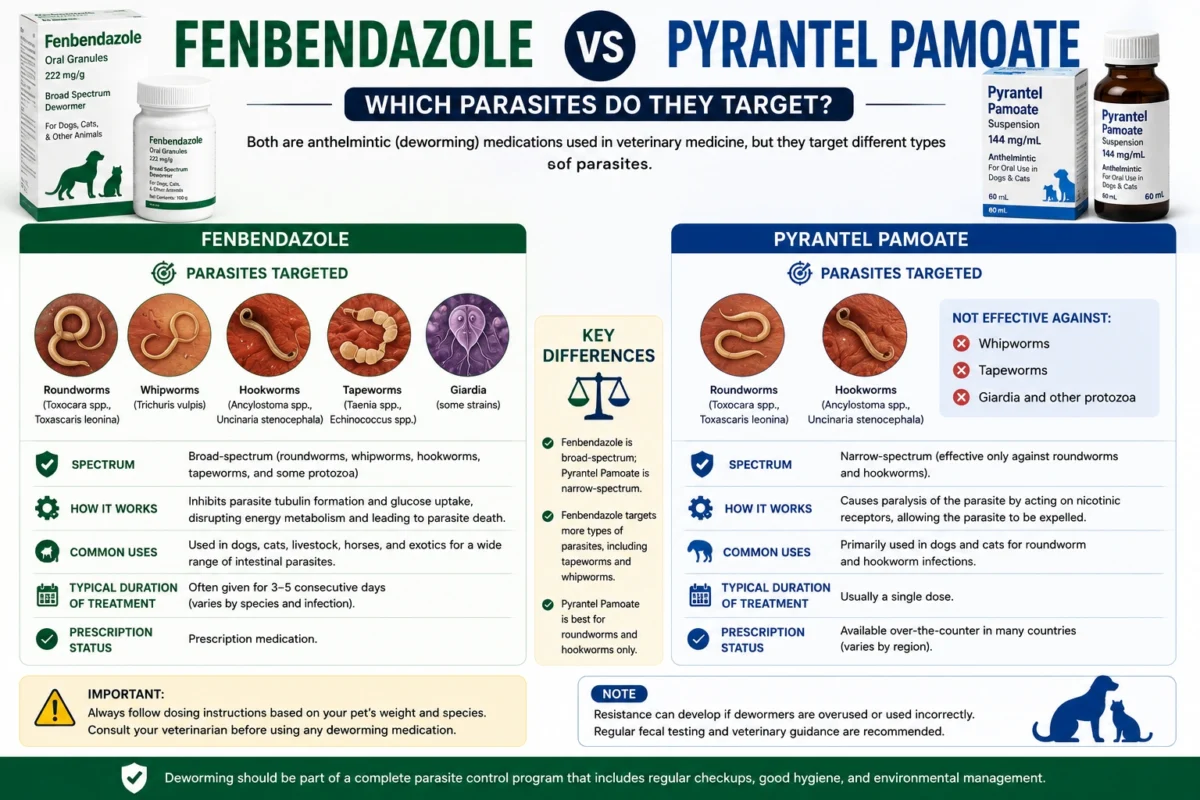
While sharing a similar chemical class with human benzimidazoles, veterinary formulations like Fenbendazole 444 Mg Tablets are specifically approved and scaled for treating intestinal parasites (whipworms, roundworms, hookworms, and Giardia) in companion animals and livestock.
3. Neuromuscular Agonists (Macrocyclic Lactones)
Macrocyclic lactones work through a completely different physiological pathway by selectively binding to glutamate-gated chloride ion channels in invertebrate nerve and muscle cells. This causes hyperpolarization and irreversible muscle paralysis, allowing the host’s body to flush out the parasite naturally.
Standard oral options like Iverheal 12 mg – Ivermectin are prescribed for human tissue nematodes (such as Strongyloides and Onchocerciasis) as well as external ectoparasites like scabies.
4. Antiprotozoal & Nitroimidazole Agents
Helminth-focused anthelmintics are generally ineffective against microscopic, single-celled protozoa. Protozoal infections require nitroimidazole derivatives like Tinidazole 500mg, which generate reactive free radicals inside anaerobic protozoal cells to damage their DNA and halt infection.
Organism vs. Therapeutic Agent Matrix
The table below outlines the primary therapeutic choices across common human and veterinary parasitic infections:
| Parasite Category | Target Organisms | Standard First-Line Therapeutic Agents | Mechanism of Action |
|---|---|---|---|
| Intestinal Roundworms / Hookworms | Ascaris, Ancylostoma, Necator | Albendazole, Mebendazole, Pyrantel Pamoate | Inhibits microtubule assembly and disrupts glucose absorption. |
| Tissue Nematodes / Strongyloides | Strongyloides, Onchocerca | Ivermectin | Binds to glutamate-gated chloride channels, causing paralysis. |
| Anaerobic Protozoa | Giardia, Entamoeba, Trichomonas | Tinidazole, Metronidazole | Generates toxic intracellular radicals to break down protozoal DNA. |
| Veterinary Intestinal Parasites | Trichuris (Whipworms), Giardia (Canine) | Fenbendazole | Selective microtubule disruption scaled for animal metabolism. |
Essential Clinical Guidelines and Treatment Safety
Antiparasitic medications are highly effective when matched correctly to the underlying organism, but improper use carries significant risks:
Key Treatment Guidelines
1. Confirm Diagnosis Before Treatment: Taking broad-spectrum dewormers without a diagnostic stool test can lead to improper drug selection, delayed resolution, or unnecessary medication exposure.
2. Treat the Whole Household (Pinworms): Because pinworm eggs spread easily on clothing, bedding, and surfaces, successful clearance requires treating all household members simultaneously, even if some show no symptoms.
3. Observe Alcohol Restrictions (Nitroimidazoles): Medications like Tinidazole cause severe disulfiram-like reactions (violent nausea, vomiting, rapid heart rate, and throbbing headaches) if combined with alcohol during treatment and for at least 3 days afterward.
4. Distinguish Human from Veterinary Formulations: Never substitute veterinary medications for human treatment. Veterinary drugs contain excipients, dosing concentrations, and purity standards designed specifically for animals.
For a deep dive into official peer-reviewed clinical data, molecular profiles, and pharmacokinetics of antiparasitic compounds, consult the National Center for Biotechnology Information (NCBI) PubChem Database.
For global health resources, diagnostic guidelines, and international parasite control standards, visit the official World Health Organization (WHO) Parasitic Diseases Directory.
Parasitic Infection Management Checklist
Keep these core steps in mind when evaluating or managing suspected parasitic infections:
- ✔️ Get a Professional Diagnosis: Complete a stool test or medical evaluation before taking antiparasitic drugs.
- ✔️ Match Drug to Organism: Ensure your prescription is specific to the identified parasite (e.g., benzimidazoles for worms, nitroimidazoles for protozoa).
- ✔️ Complete the Full Prescribed Course: Take all prescribed doses—even if symptoms improve early—to ensure complete clearance.
- ✔️ Practice Strict Personal Hygiene: Wash hands thoroughly, trim fingernails, and wash bedding in hot water to prevent re-infection.
- ✔️ Follow Dosing Safety Rules: Always keep human and veterinary treatments strictly separate.