

Cernos Gel vs Testosterone Injections: Which TRT Option Is Better?

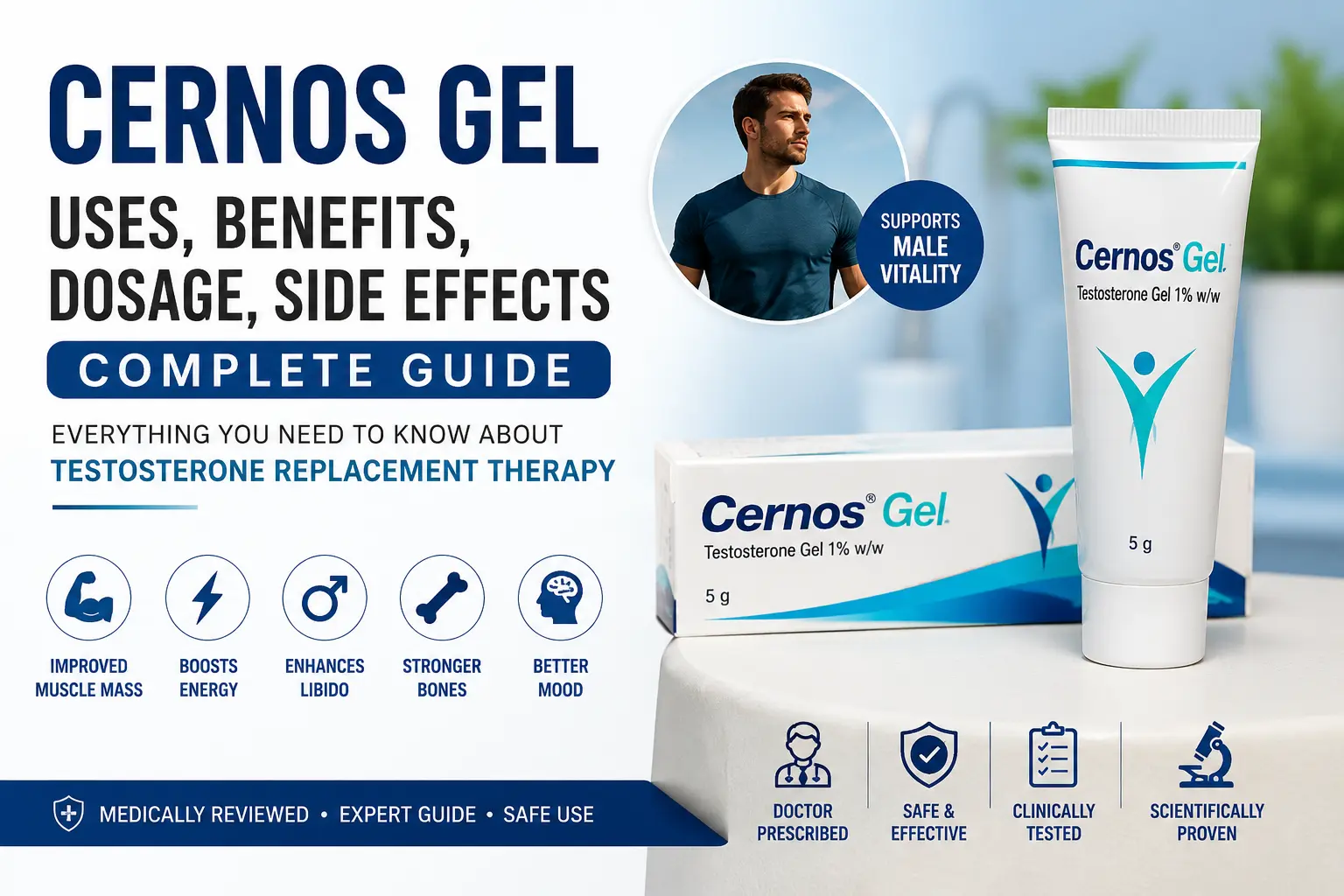
Cernos Gel vs Testosterone Injections: Which TRT Option Is Better?
An in-depth, comprehensive guide to choosing the right delivery method for your Testosterone Replacement Therapy journey.
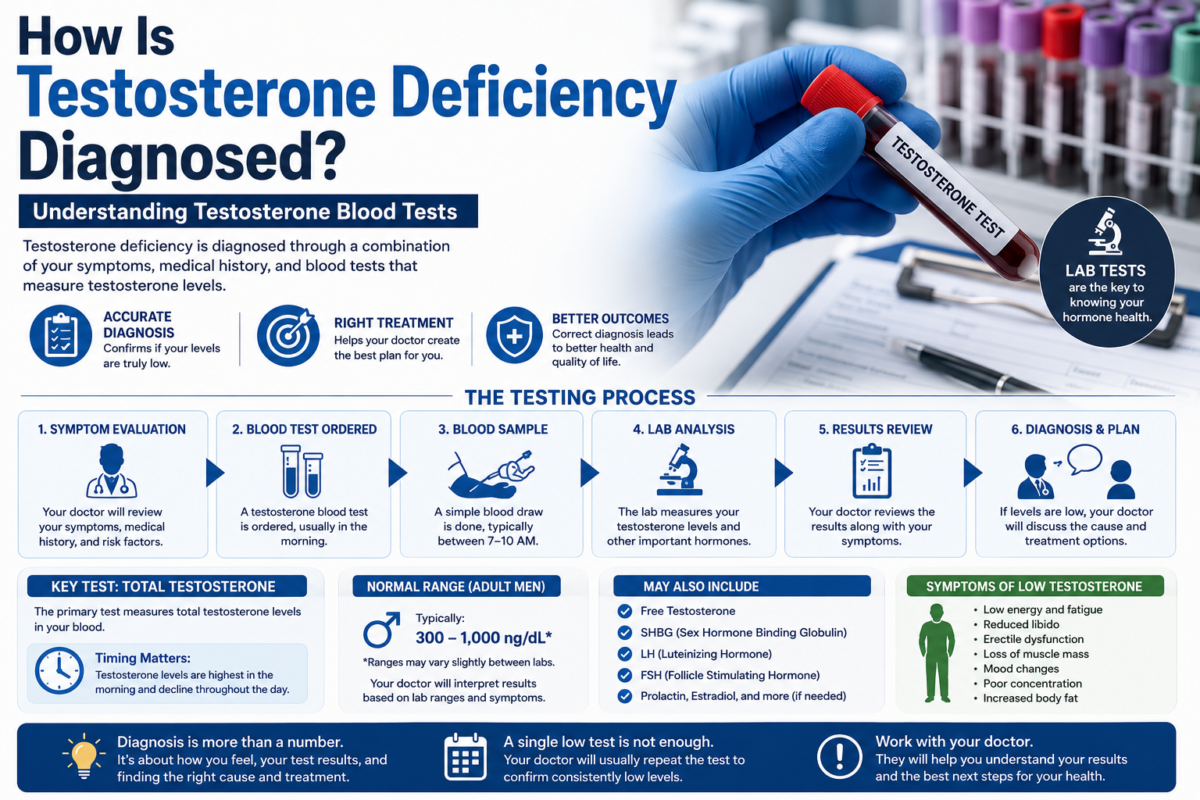
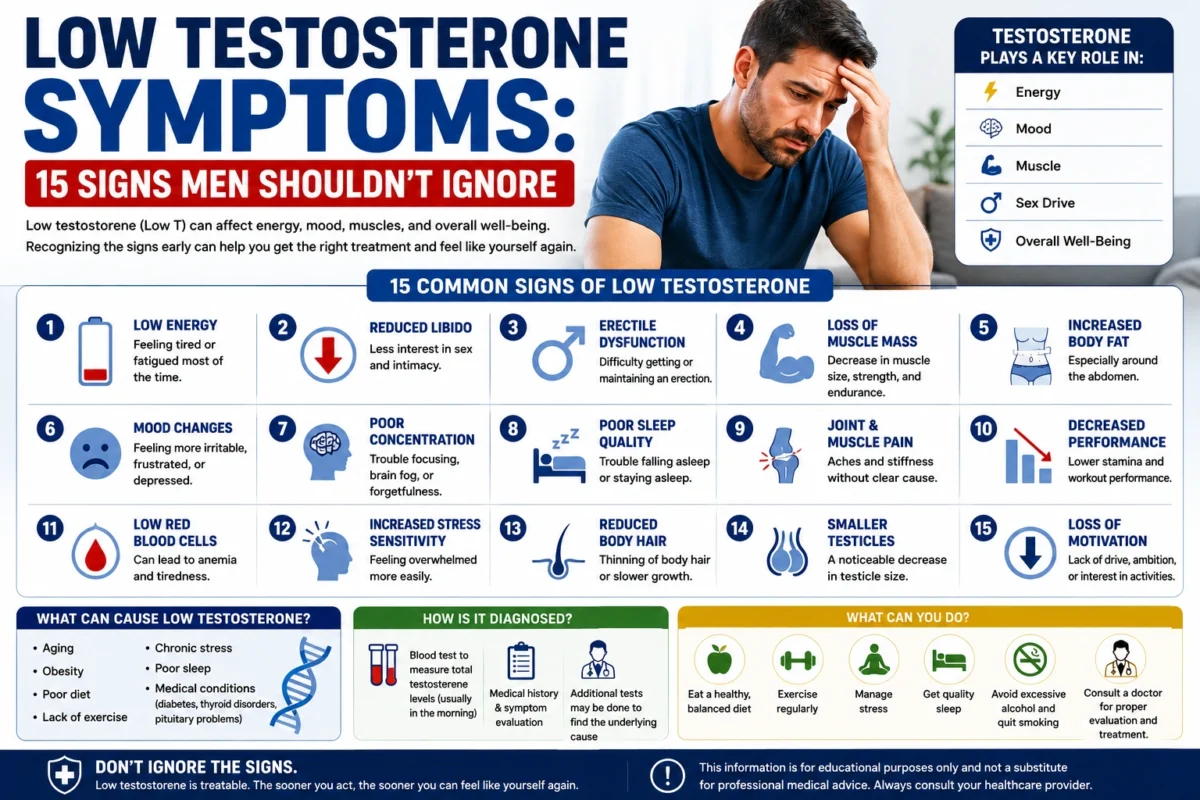
Deciding to undergo Testosterone therapy is often a life-changing milestone for men suffering from hypogonadism or clinically low testosterone. The symptoms of low T—chronic fatigue, brain fog, loss of muscle mass, decreasing bone density, and a plummeting libido—can drastically reduce your quality of life. Returning your hormones to an optimal, healthy range can feel like waking up from a long, exhausting hibernation.
However, once you and your healthcare provider have confirmed that treatment is the right path, a crucial decision awaits: How will you administer your testosterone?
While the end goal is the same—restoring your physiological testosterone levels—the delivery methods are vastly different, each carrying its own unique set of advantages, lifestyle considerations, and potential drawbacks. Today, the debate usually centers around two primary contenders: Cernos Gel (a leading transdermal testosterone gel) and traditional Testosterone injections.
In this definitive 2000-word guide, we will conduct a comprehensive TRT comparison. We will break down the science, the daily reality, the pharmacokinetics (how the body absorbs the drug), and the lifestyle factors of both Cernos Gel and testosterone injections so you can make an educated decision alongside your doctor.
Understanding the Goals of Testosterone Therapy
Before diving into the specific delivery methods, it is vital to understand what successful Testosterone therapy actually looks like. The goal of TRT is not simply to pump as much testosterone into the body as possible; that is the realm of anabolic steroid abuse, which carries severe health risks.
Instead, the goal of clinical TRT is bio-mimicry. A healthy, young male body produces testosterone in a diurnal rhythm—levels peak in the early morning and gradually taper off toward the evening. The best TRT protocol is the one that safely, consistently, and comfortably keeps your testosterone levels within a healthy physiological range (typically between 500 ng/dL to 900 ng/dL) while minimizing side effects like estrogen spikes, red blood cell overproduction (polycythemia), and extreme mood fluctuations.
Why the Delivery Method Matters
Your body is incredibly sensitive to hormonal fluctuations. If a delivery method causes your testosterone levels to spike too high, you risk side effects like acne, aggression, and high blood pressure. If it drops too rapidly, you experience a “crash,” resulting in lethargy and depression. Choosing between gels and injections is primarily about how you want to manage this hormonal balance in your daily life.
Deep Dive: Cernos Gel (Transdermal Testosterone)
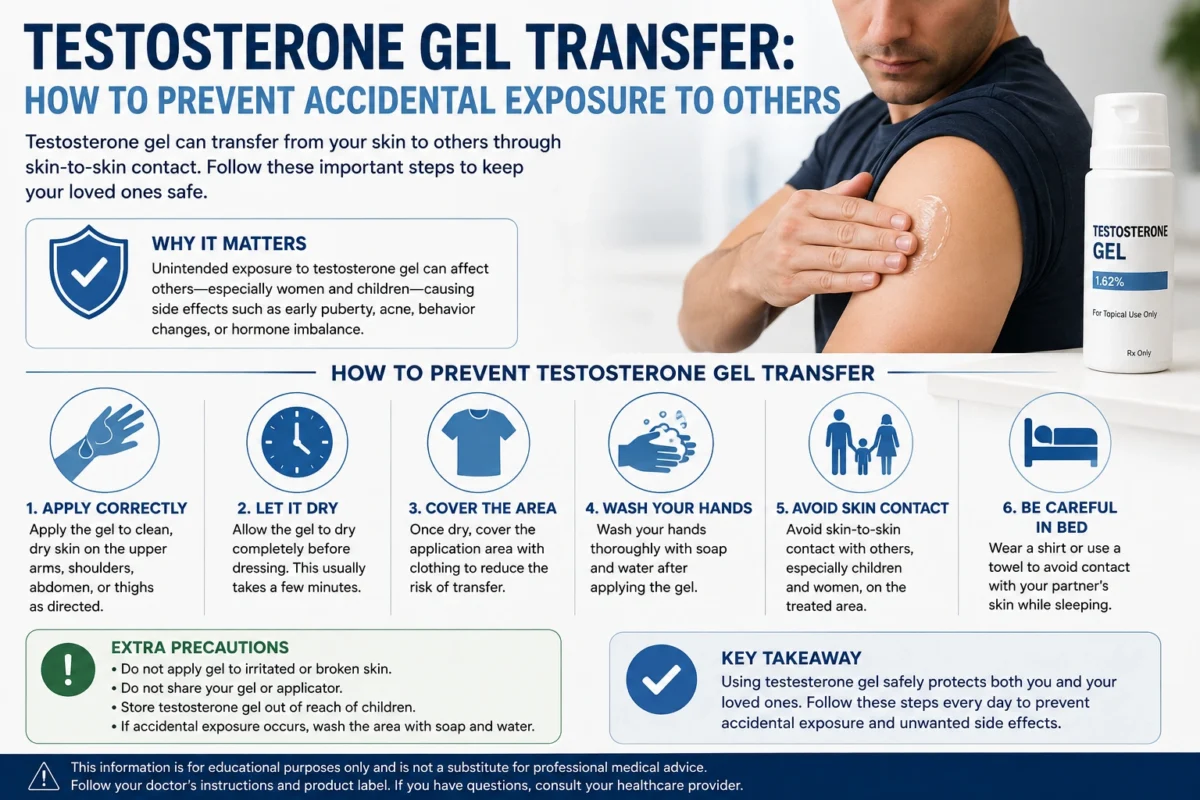
Cernos Gel is a popular brand of transdermal (skin-absorbed) testosterone. It typically comes in sachets or a metered-dose pump. The gel contains a specific concentration of synthetic testosterone suspended in an alcohol-based hydroalcoholic gel. When applied to clean, dry skin, the alcohol evaporates, and the testosterone is absorbed through the skin barrier, entering the bloodstream.
How It Works and Daily Routine
For Cernos Gel to be effective, it requires strict adherence to a daily routine. Most physicians recommend applying the gel every morning to the shoulders, upper arms, or the abdomen. Because it is absorbed through the skin, the release of testosterone into the bloodstream is gradual and steady throughout a 24-hour period. This daily application closely mimics the body’s natural circadian rhythm of testosterone production.
However, the daily routine requires some lifestyle adjustments. You must apply it to clean skin (usually after a morning shower), allow it to dry completely for 3 to 5 minutes before dressing, and avoid swimming, heavily sweating, or showering for at least 4 to 6 hours after application to ensure full absorption.
✓ Advantages of Cernos Gel
- Needle-Free Administration: The most obvious benefit. For men with a phobia of needles or those who simply cannot stomach the idea of self-injecting, Cernos Gel offers a painless, non-invasive alternative.
- Highly Stable Hormone Levels: Because it is applied daily, your testosterone levels remain remarkably stable. You avoid the extreme peaks and valleys that can sometimes accompany infrequent injections.
- Mimics Natural Rhythms: Morning application followed by a steady 24-hour release closely replicates how a healthy testicle produces testosterone.
- Painless Integration: Applying a gel can quickly become just another step in your morning grooming routine, alongside brushing your teeth and applying deodorant.
✗ Disadvantages of Cernos Gel
- The Transference Risk: This is the most significant drawback. If a female partner or a child touches the application site before it has been washed, they can absorb the testosterone. In women and children, unwanted testosterone can cause severe side effects (virilization).
- Variable Absorption Rates: Human skin varies greatly. Some men have thick skin or different lipid profiles that prevent the gel from absorbing efficiently, meaning they may not achieve optimal blood levels despite using the correct dose.
- Skin Irritation: The alcohol base can cause drying, redness, or contact dermatitis at the application site over time.
- Routine Restrictions: You cannot swim or take a shower immediately after applying it, which can be frustrating for morning gym-goers or swimmers.
Deep Dive: Testosterone Injections
Traditional Testosterone injections have been the cornerstone of hormone replacement for over half a century. The most common forms used in injections are Testosterone Cypionate and Testosterone Enanthate. These are “esterified” forms of the hormone, meaning the testosterone molecule is attached to an ester that dictates how slowly the hormone is released into the body once injected.
How It Works and Administration
Injections are typically administered in one of two ways: Intramuscularly (IM), deep into a large muscle like the glute or thigh, or Subcutaneously (SubQ), into the fatty tissue on the stomach. Depending on the ester and the doctor’s protocol, injections are usually done once every week, or split into twice-weekly smaller doses to maintain more stable levels.
When you inject testosterone, a “depot” (pool) of the oil is created in the tissue. Enzymes in your body slowly cleave the ester away from the testosterone molecule, releasing active testosterone into your bloodstream over the course of several days.
✓ Advantages of Injections
- 100% Guaranteed Absorption: Unlike gels, where skin thickness can hinder absorption, an injection bypasses the skin entirely. What you put into the syringe is exactly what gets into your system.
- Zero Transference Risk: Once the medication is injected, there is absolutely no risk of transferring it to your wife, girlfriend, or children through physical contact. You can hug and wrestle with your kids immediately.
- Infrequent Dosing: Instead of a daily chore, you only need to address your TRT once or twice a week. For frequent travelers, this means you can often take your shot before a trip and not worry about packing medications.
- Cost-Effective: Generally speaking, injectable testosterone (especially generic Cypionate) is often significantly cheaper than branded transdermal gels.
✗ Disadvantages of Injections
- The Needle Factor: You must be comfortable with self-administering injections, which involves purchasing syringes, needles, and alcohol swabs, and safely disposing of biohazards.
- The “Rollercoaster” Effect: If injected only once a week or once every two weeks, testosterone levels peak 48-72 hours after the shot, and then slowly decline. Some men feel a “crash” or low energy in the days right before their next shot.
- Injection Site Issues: Repeatedly puncturing the skin and muscle can lead to post-injection pain (PIP), bruising, or the buildup of scar tissue over years of therapy.
- Higher Estrogen Conversion Risk: The large spike in testosterone shortly after an injection can lead to a higher rate of aromatization (conversion of testosterone into estrogen), which may require additional management.
Head-to-Head TRT Comparison
To truly understand which method is right for you, we must look at how Cernos Gel and Testosterone injections compare across key lifestyle and physiological metrics.
| Comparison Metric | Cernos Gel (Transdermal) | Testosterone Injections |
|---|---|---|
| Dosing Frequency | Every single day (usually morning). | Once or twice a week. |
| Pharmacokinetics (Stability) | Excellent. Flat, stable levels mimicking natural rhythm. | Variable. High peaks post-injection, lower troughs before next dose. |
| Family Safety | Requires strict caution. Transference risk is high. | Perfectly safe. No risk of transference. |
| Efficacy & Muscle Building | Highly effective, provided the patient absorbs it well. | Considered the gold standard. 100% bioavailability. |
| Travel Convenience | Requires packing daily sachets/bottles. TSA friendly if declared. | Can often time injections around short trips to avoid packing anything. |
| Cost | Typically more expensive (especially without insurance). | Highly affordable, widespread generic availability. |
Matching the Method to Your Lifestyle
Medical data is only half of the equation; your personal lifestyle will largely dictate which Testosterone therapy delivery method you will stick with long-term. TRT is generally a lifelong commitment, so choosing a method that frustrates you daily will ultimately lead to therapy failure.
Scenario A: The Father of Young Children
If you have toddlers who constantly want to be held, or a pregnant wife at home, the risk of transference from Cernos Gel cannot be ignored. Even with careful handwashing and wearing t-shirts, accidents happen. For fathers of young children, Testosterone injections are almost universally recommended to provide complete peace of mind regarding family safety.
Scenario B: The Needle-Averse Professional
If the sight of a needle makes you faint, or the anxiety of self-injecting prevents you from sticking to your schedule, injections will not work for you. For these men, applying Cernos Gel after a morning shower is a godsend. It offers all the benefits of optimized hormones without the psychological barrier of needles.
Scenario C: The Avid Swimmer or Morning Athlete
If your daily routine involves waking up, applying gel, and then going to swim laps or doing a high-intensity, heavy-sweat workout, you are going to wash the gel off before it can fully absorb. For highly active morning athletes, injections offer a “set it and forget it” convenience that doesn’t interfere with their training schedules.
A Note on Side Effects and Blood Work
Regardless of whether you choose Cernos Gel or injections, bringing exogenous testosterone into your body requires careful monitoring. Both methods can cause your body to stop producing its own natural testosterone (testicular shutdown). Both methods can increase your hematocrit (the thickness of your blood), potentially requiring you to donate blood therapeutically. Both methods can also cause your body to convert excess testosterone into estradiol (estrogen), which can lead to mood swings, water retention, or gynecomastia if left unchecked.
This is why rigorous, ongoing blood work is mandatory. A responsible TRT protocol requires comprehensive blood panels every 3 to 6 months to monitor total testosterone, free testosterone, estradiol, SHBG, CBC (complete blood count), and prostate-specific antigen (PSA).
The Final Verdict
When comparing Cernos Gel vs Testosterone Injections, there is no absolute “winner.” The best TRT option is the one that aligns with your biology, respects your lifestyle, and keeps your hormone levels stable with minimal side effects.
Injections remain the clinical gold standard due to their 100% absorption rate, affordability, and lack of transference risk. However, for men who prioritize stable daily hormone levels and refuse to deal with needles, Cernos Gel is a highly effective, premium alternative.
Your Next Step: Do not make this decision alone. Schedule a consultation with a board-certified endocrinologist or a specialized men’s health clinic. Discuss your daily routine, your family situation, and your health goals to chart the best course toward reclaiming your vitality.
Medically Reviewed by: Dr. Alberto R Walter, MD (Board-Certified Endocrinologist)
Updated: June 27, 2026
Medical Disclaimer: The information provided in this article is strictly for educational and informational purposes. It does not constitute medical advice, diagnosis, or treatment. Always consult with a qualified healthcare provider or board-certified physician before beginning or altering any hormone replacement therapy (TRT) protocol.