

2-1-1 PrEP Explained: On-Demand HIV Prevention, Effectiveness, Dosing & Who Can Use It

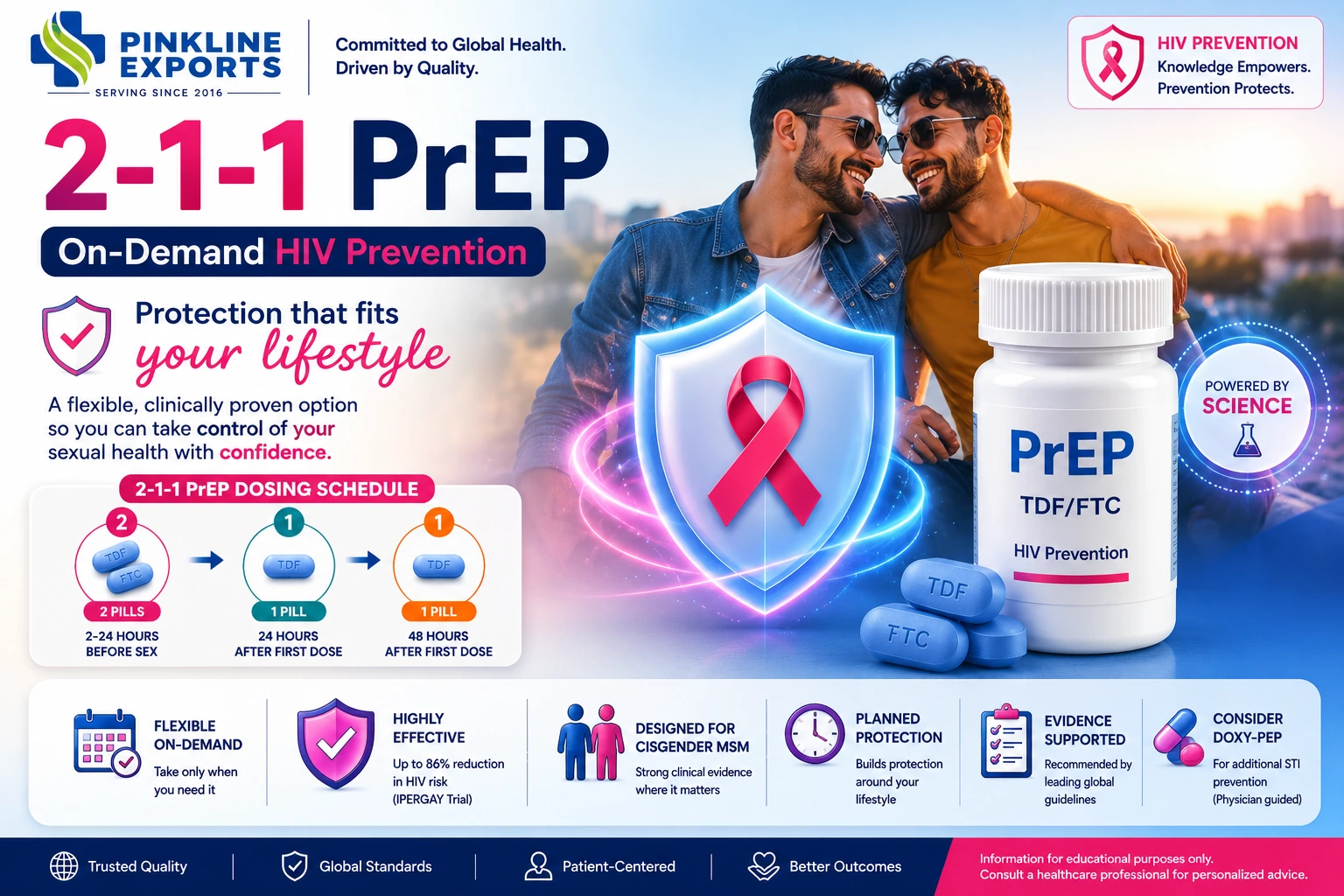
2-1-1 PrEP Explained: How On-Demand HIV Prevention Works, Effectiveness, Dosing & Who Can Use It
Pre-exposure prophylaxis (PrEP) has become one of the most effective biomedical tools available for HIV prevention. Over the last decade, PrEP has significantly reduced HIV transmission risk among high-risk populations when used correctly and consistently.
While many people are familiar with daily PrEP regimens, another approach known as the 2-1-1 PrEP regimen or on-demand PrEP has gained increasing attention because of its flexibility and strong clinical evidence among certain populations.
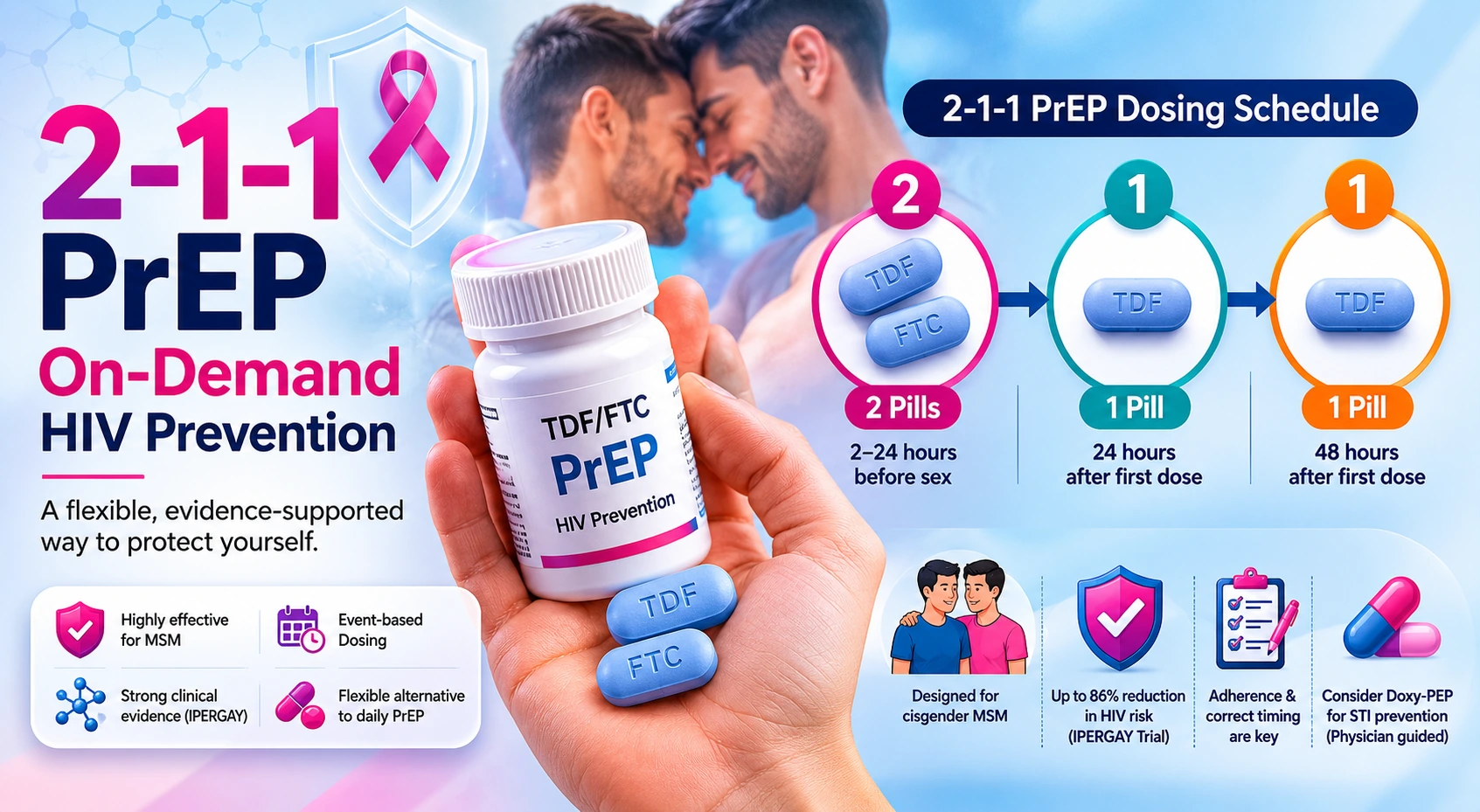
The 2-1-1 PrEP regimen is an event-driven HIV prevention strategy involving a specific dosing schedule before and after sexual activity. Unlike daily PrEP, this method is designed for people who do not have sex frequently enough to prefer taking medication every day.
The strategy has been extensively studied in men who have sex with men (MSM) and has shown strong effectiveness when taken properly.
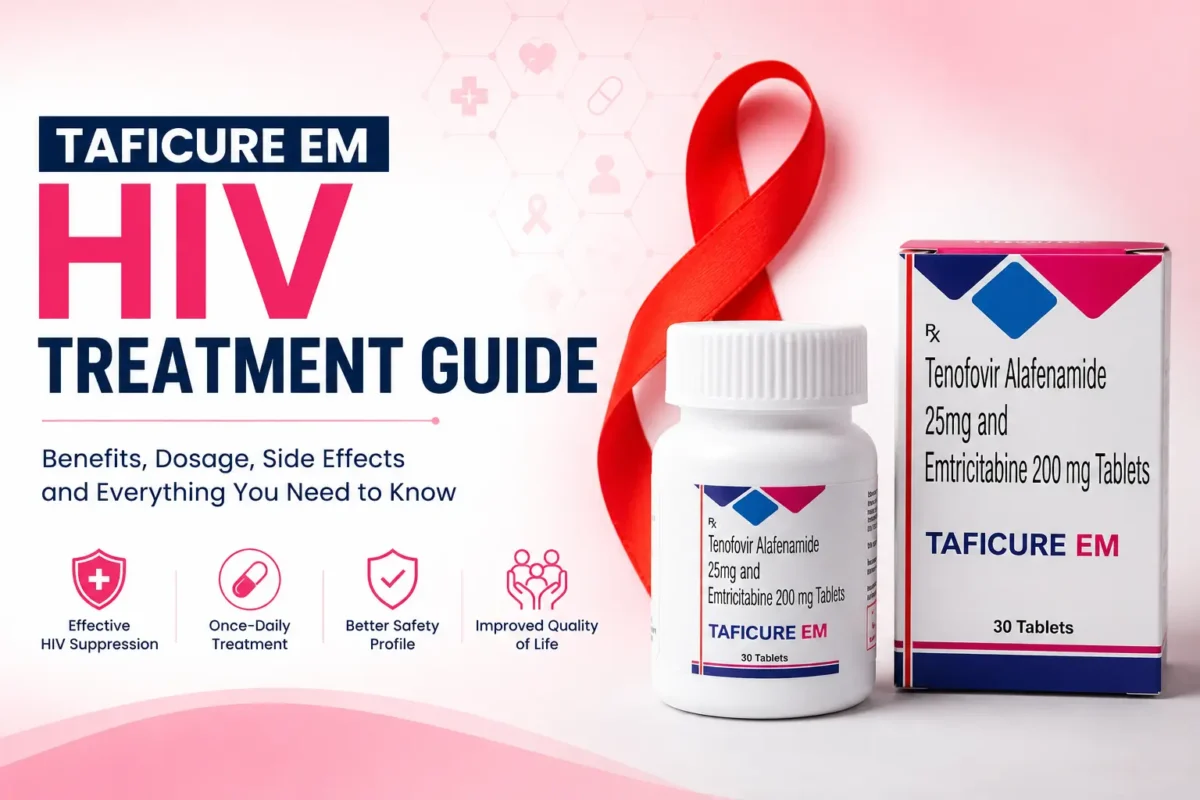
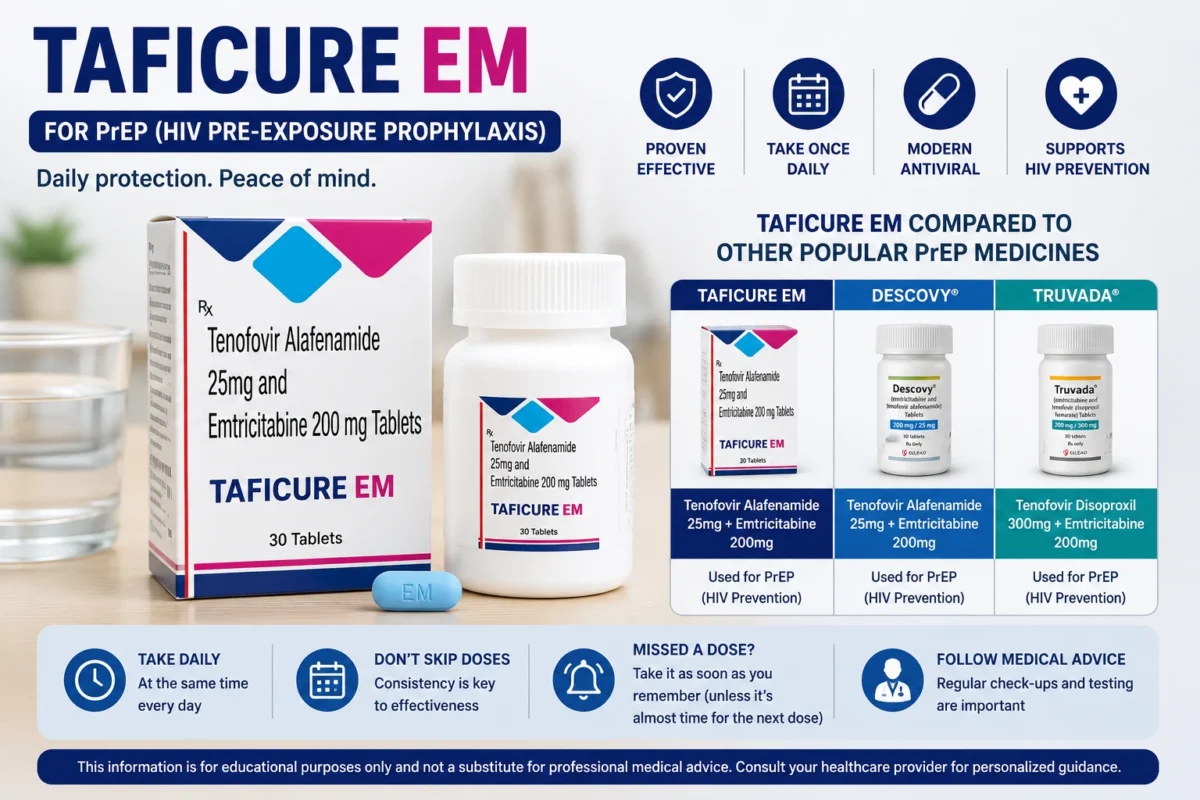
Explore PrEP treatment tablets and HIV prevention medications including Taficure EM and other clinically discussed oral PrEP options commonly used in HIV prevention programs.
What Is the 2-1-1 PrEP Regimen?
The 2-1-1 PrEP regimen, also known as event-driven PrEP or on-demand PrEP, is a non-daily HIV prevention strategy involving oral TDF/FTC medication.
The dosing schedule follows a precise structure:
- Take 2 pills between 2 and 24 hours before sex
- Take 1 pill 24 hours after the first dose
- Take 1 final pill 48 hours after the first dose
This schedule gives the regimen its name: 2-1-1.
The goal is to ensure sufficient medication levels are present in the body before HIV exposure occurs and maintained afterward to reduce infection risk effectively.
How Effective Is 2-1-1 PrEP?
Clinical evidence suggests that the 2-1-1 PrEP regimen is highly effective for cisgender MSM when taken correctly.
One of the most important studies evaluating this strategy was the IPERGAY trial published in the New England Journal of Medicine. Researchers found that event-driven PrEP significantly reduced HIV acquisition risk among participants using the regimen appropriately.
The IPERGAY findings demonstrated approximately an 86% reduction in HIV acquisition risk, with follow-up analyses suggesting even higher effectiveness when adherence was strong.
Additional evidence published through PubMed and NIH clinical research further supported the effectiveness of event-driven HIV prevention strategies among MSM.
2-1-1 PrEP Key Highlights
• Strong evidence among cisgender MSM
• Flexible alternative to daily PrEP
• Lower medication exposure for some users
• Highly dependent on correct timing and adherence
• Supported by several international HIV prevention guidelines
• Strong evidence among cisgender MSM
• Flexible alternative to daily PrEP
• Lower medication exposure for some users
• Highly dependent on correct timing and adherence
• Supported by several international HIV prevention guidelines
How Does On-Demand PrEP Work?
PrEP medications work by preventing HIV from establishing infection within the body after exposure. The antiretroviral drugs interfere with HIV replication, reducing the likelihood that the virus can spread after entering the bloodstream.
Research suggests adequate medication concentrations can build relatively quickly in rectal tissues, which is one reason why event-driven dosing has shown strong effectiveness among MSM engaging in anal sex.
However, drug absorption differs across body tissues, which is why the 2-1-1 strategy is not currently recommended for all populations.
Who Can Use 2-1-1 PrEP?
Current evidence primarily supports event-driven PrEP for:
- Cisgender men who have sex with men
- People able to predict sexual activity in advance
- Individuals using oral TDF/FTC-based PrEP medication
- Patients under medical supervision
The regimen may be useful for MSM who:
- Have sex infrequently
- Prefer not to take daily medication
- Want reduced medication exposure
- Need a flexible HIV prevention strategy
Adherence remains extremely important. Missing doses or taking medication outside the recommended timing may reduce effectiveness significantly.
Who Should Not Use 2-1-1 PrEP?
Although event-driven PrEP has demonstrated strong effectiveness among MSM, current evidence remains limited for several other populations.
At present, 2-1-1 PrEP is generally not recommended for:
- Cisgender women
- People who inject drugs
- Some transgender populations using certain hormone regimens
- Individuals unable to predict sexual activity in advance
Daily PrEP remains the preferred evidence-supported strategy for many groups because protective drug levels may take longer to develop in vaginal and cervical tissues.
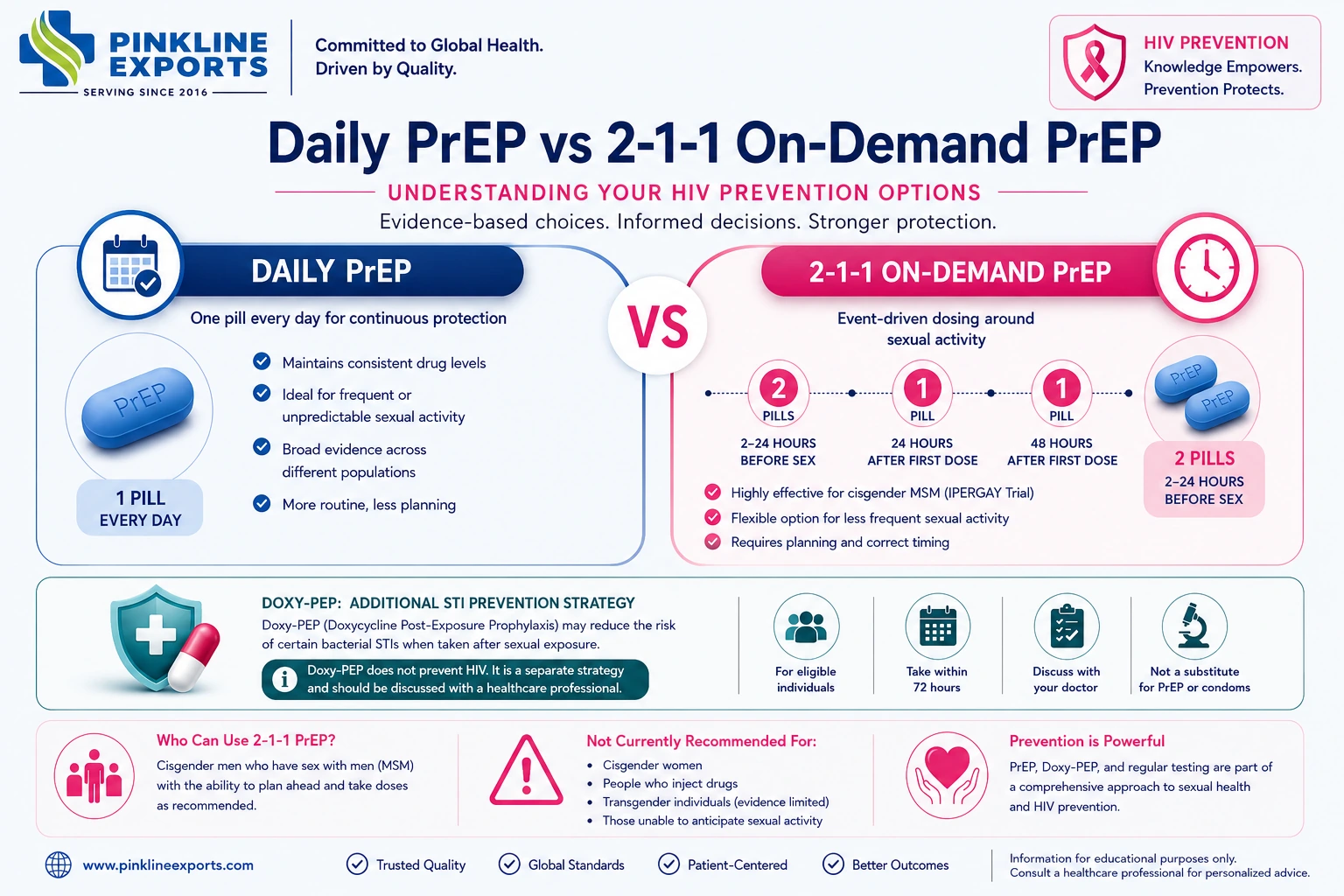
Daily PrEP vs On-Demand PrEP
| Daily PrEP | 2-1-1 On-Demand PrEP |
|---|---|
| One pill daily | Event-based dosing |
| Continuous protection | Requires planning |
| Preferred for unpredictable activity | Useful for infrequent sexual activity |
| Broader evidence across populations | Strongest evidence among MSM |
The best HIV prevention strategy depends on individual sexual behavior, adherence reliability, HIV risk level, and healthcare provider recommendations.
Taficure EM and Oral PrEP Options
Several oral HIV prevention medications are commonly discussed in PrEP programs worldwide. Products such as Taficure EM and other PrEP treatment tablets are part of broader HIV prevention discussions involving TDF/FTC-based therapy.
Patients should only use PrEP medications under professional medical supervision, with regular HIV testing and kidney monitoring.
Doxy-PEP and STI Prevention Discussions
Another growing topic in sexual health prevention is Doxy-PEP, which involves doxycycline use after sexual exposure to reduce the risk of certain bacterial sexually transmitted infections.
Although Doxy-PEP is separate from HIV prevention PrEP, healthcare professionals increasingly discuss both strategies together in broader sexual health conversations.
People researching HIV prevention and PrEP-related products often also explore Doxy-PEP approaches under physician guidance.
Side Effects and Monitoring
The medications used in on-demand PrEP are generally well tolerated by most individuals.
Some patients may experience temporary side effects including:
- Nausea
- Headache
- Fatigue
- Mild gastrointestinal discomfort
- Dizziness
Healthcare providers typically recommend routine:
- HIV testing
- Kidney function monitoring
- STI screening
- Sexual health evaluations
International HIV Prevention Guidelines
Several international organizations recognize event-driven PrEP for cisgender MSM under appropriate clinical circumstances.
These include recommendations and discussions from:
- International Antiviral Society-USA
- British HIV Association (BHIVA)
- European AIDS Clinical Society (EACS)
Additional peer-reviewed evidence discussing on-demand PrEP strategies is available through NIH and PubMed Central clinical literature.
Can 2-1-1 PrEP Prevent Other STIs?
No. While PrEP significantly reduces HIV acquisition risk, it does not protect against other sexually transmitted infections such as gonorrhea, chlamydia, syphilis, herpes, or HPV.
Condom use, routine STI testing, and comprehensive sexual healthcare remain important components of HIV prevention and sexual wellness.
Frequently Asked Questions
1. What does 2-1-1 PrEP mean?
The 2-1-1 PrEP regimen refers to an on-demand HIV prevention dosing schedule involving 2 pills taken before sex followed by 2 additional doses afterward.
2. How effective is on-demand PrEP?
Studies such as the IPERGAY trial demonstrated that event-driven PrEP is highly effective among cisgender MSM when taken correctly and consistently.
3. Who can use 2-1-1 PrEP?
Current evidence primarily supports event-driven PrEP for cisgender MSM using oral TDF/FTC-based medications under professional supervision.
4. Is 2-1-1 PrEP approved for women?
At present, event-driven PrEP is generally not recommended for cisgender women because of limited evidence regarding effectiveness in vaginal tissue exposure.
5. What is the difference between daily PrEP and on-demand PrEP?
Daily PrEP involves continuous daily dosing, while on-demand PrEP follows an event-based schedule around anticipated sexual activity.
6. Does 2-1-1 PrEP protect against other STIs?
No. PrEP reduces HIV acquisition risk but does not protect against gonorrhea, chlamydia, syphilis, herpes, or HPV.
7. What is Doxy-PEP?
Doxy-PEP refers to doxycycline use after sexual exposure to help reduce the risk of certain bacterial sexually transmitted infections under physician guidance.
8. Is medical supervision necessary for PrEP?
Yes. Regular HIV testing, STI screening, kidney monitoring, and professional healthcare supervision are essential parts of safe and effective PrEP use.
Medical Disclaimer:
This article is intended for informational and educational purposes only and should not replace professional medical advice, diagnosis, or treatment. Individuals should consult a qualified healthcare provider before starting or changing any HIV prevention medication.
This article is intended for informational and educational purposes only and should not replace professional medical advice, diagnosis, or treatment. Individuals should consult a qualified healthcare provider before starting or changing any HIV prevention medication.
Medically Reviewed By: K.Peter (Infectious Disease Specialist)
Reviewed Date: May 29, 2026
Reviewed Date: May 29, 2026