

What Is Testosterone Undecanoate? Oral and Injectable Treatment Explained

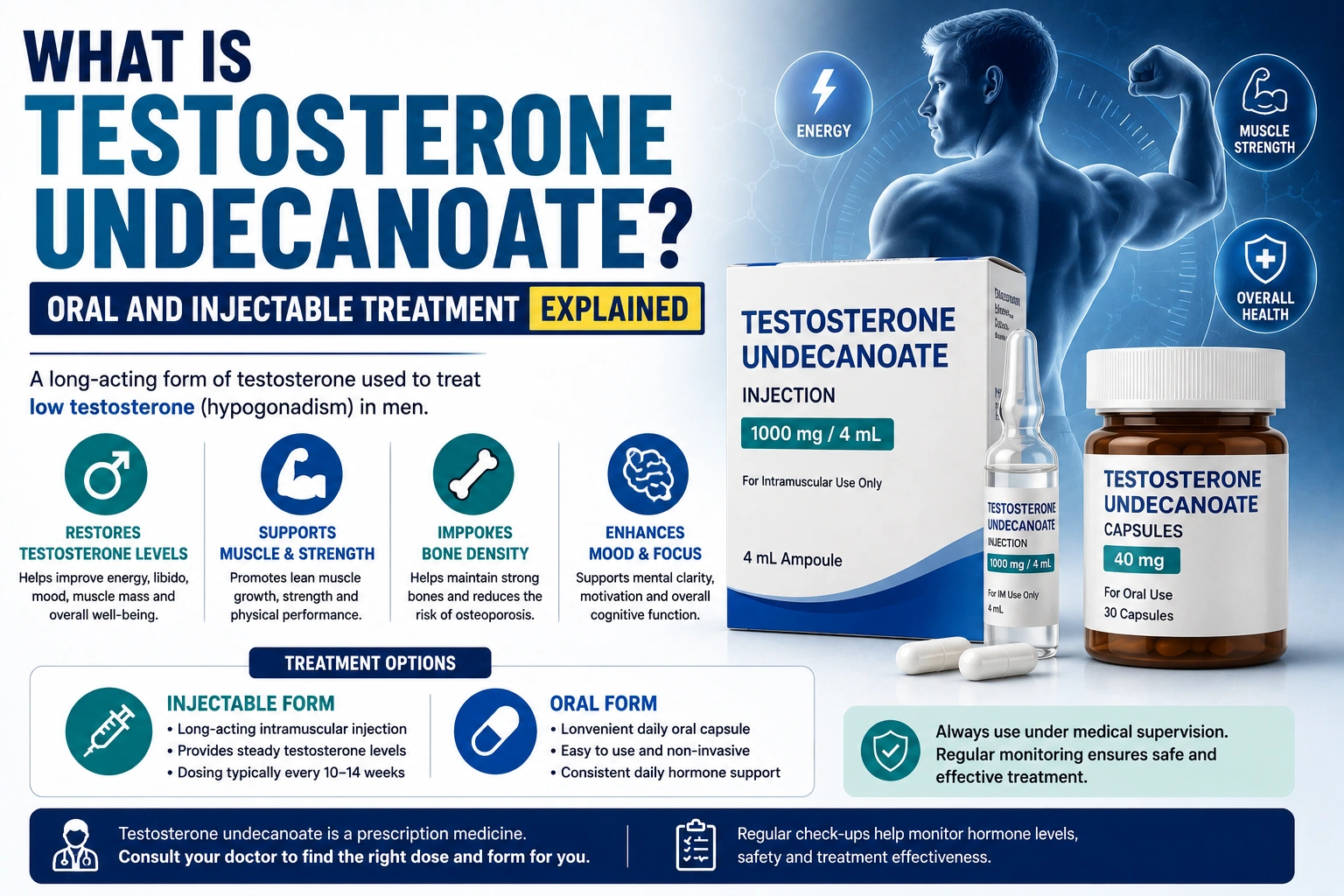
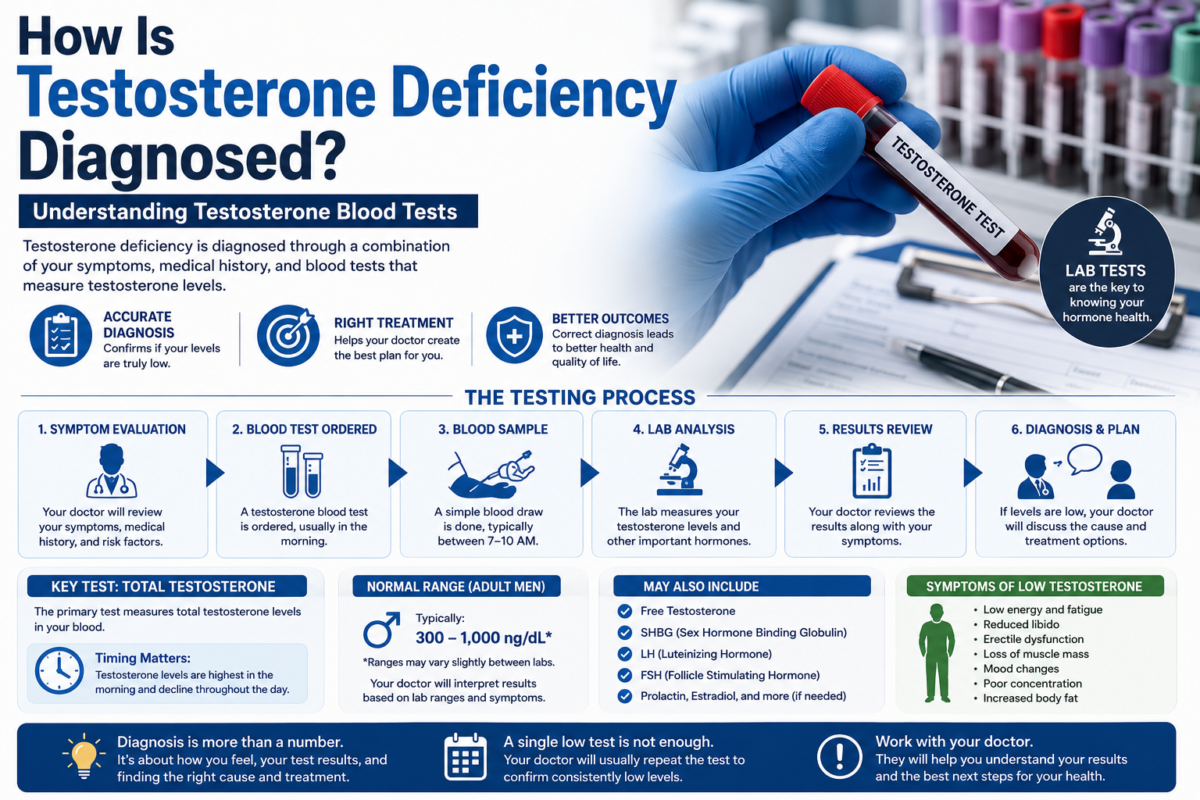
What Is Testosterone Undecanoate? Oral and Injectable Treatment Explained
Critical Medical & Endocrine Notice
Testosterone Undecanoate is a long-acting fatty acid ester of natural testosterone indicated strictly for male hypogonadism (clinical testosterone deficiency). Due to its long half-life and unique metabolic pathways, therapy must be prescribed and monitored under direct endocrinological or urological supervision. Regular monitoring of serum total/free testosterone, hematocrit, lipid profiles, hepatic panel, and Prostate-Specific Antigen (PSA) levels is required. This guide serves strictly educational purposes.
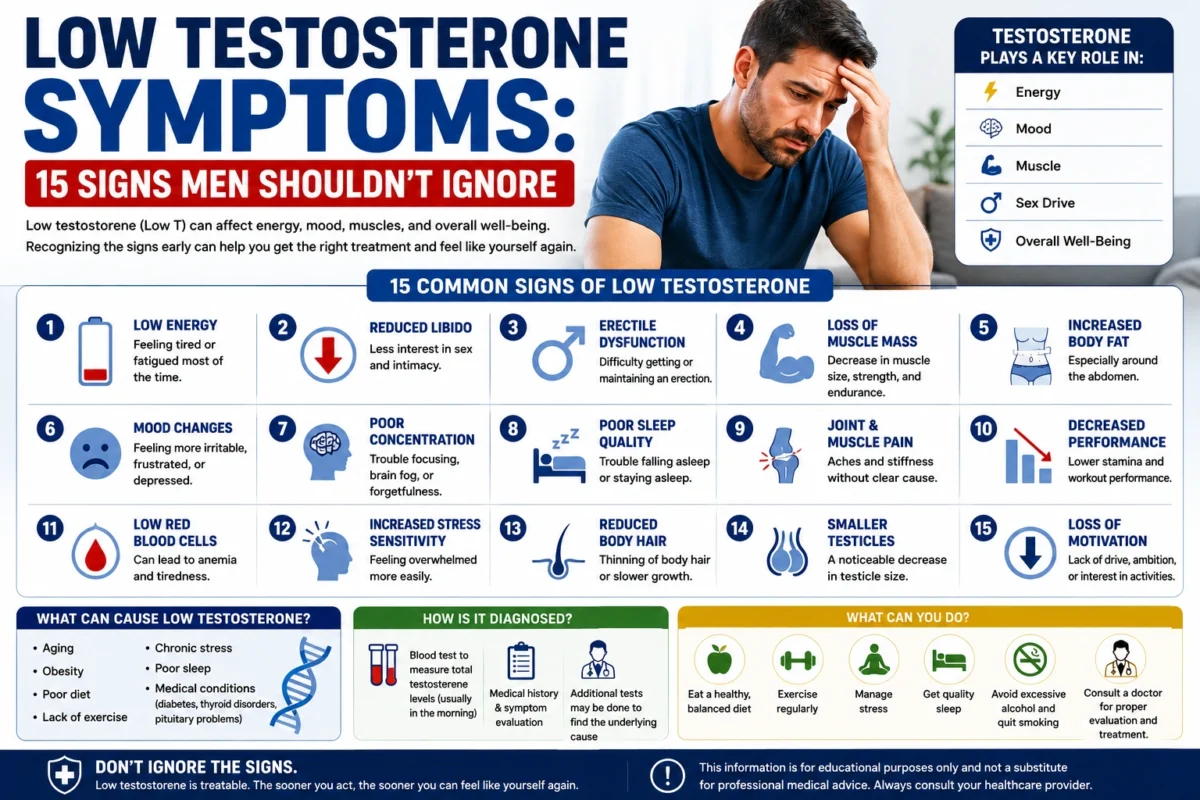
Male hypogonadism—a clinical condition characterized by insufficient endogenous testosterone production—can lead to fatigue, reduced muscle mass, abdominal fat accumulation, decreased bone density, low libido, and mood disturbances. When physiological replacement is necessary, various administration modalities are available.
Among androgen formulations, **Testosterone Undecanoate** stands out for its unique chemical structure. By esterifying testosterone with an 11-carbon fatty acid chain (undeccanoic acid), pharmaceutical scientists developed a compound that allows both long-acting intramuscular injection depots and specialized lymphatic oral absorption.
Understanding Testosterone Undecanoate requires examining its chemical modifications, the physiological differences between its oral and injectable delivery formats, clinical efficacy parameters, and safety guidelines.
Chemical Structure and Pharmacokinetics
Unmodified testosterone, when taken orally, undergoes rapid first-pass liver metabolism, rendering it biologically inactive. Short-acting injectable testosterone esters (such as propionate or cypionate) require frequent injections to avoid sharp peaks and troughs in serum hormone levels.
How Undecanoate Esterification Alters Delivery
1. Lipophilic Ester Chain: Adding an undeccanoate fatty acid ester increases the molecule’s lipophilicity (fat solubility). This modification alters how the drug is absorbed and processed depending on the route of administration.
2. Lymphatic Absorption (Oral Route): When ingested orally with a fatty meal, Testosterone Undecanoate dissolves in dietary lipids and is absorbed directly into the intestinal lymphatic system. This bypasses the portal vein and first-pass hepatic metabolism, delivering active hormone safely into systemic circulation.
3. Slow Depot Release (Injectable Route): When dissolved in an oil vehicle and injected deep into the gluteal muscle, the lipophilic ester creates an intramuscular depot. Esterases slowly cleave the undeccanoate chain over several weeks, releasing free, active testosterone continuously into the bloodstream.
Testosterone Undecanoate is widely utilized within structured protocols for Testosterone Replacement Therapy (TRT) to restore normal serum androgen concentrations.
Oral vs. Injectable Testosterone Undecanoate: Key Differences
Though both formulations deliver the same active androgen molecule, their administration routines, absorption mechanics, and dosing frequencies differ substantially:
1. Oral Capsules (e.g., Generic Andriol / Jatenzo)
Oral capsules are taken twice daily alongside food containing moderate dietary fat (roughly 15 to 20 grams of fat per meal). Dietary fat is required to stimulate chylomicron formation in the intestine, allowing the drug to enter the lymphatic system. Oral therapy provides steady daily serum fluctuations without needle injections.
2. Intramuscular Injections (e.g., Generic Nebido / Aveed)
Injectable Testosterone Undecanoate (typically 1,000 mg in a castor oil vehicle) is administered via deep intramuscular injection into the gluteal muscle. Following an initial loading dose (a second dose given 6 weeks after the first), maintenance injections are typically required only once every 10 to 14 weeks. This offers a highly convenient regimen without daily treatment routines.
Oral vs. Injectable Comparison Matrix
The table below outlines the primary pharmacological and practical differences between the two delivery formats:
| Parameter | Oral Capsule Formulations | Injectable Depot Formulations |
|---|---|---|
| Dosing Frequency | Twice daily (morning and evening). | Once every 10 to 14 weeks (following loading phase). |
| Food Requirement | Strict requirement; must be taken with meals containing fat. | None; completely independent of meal timing. |
| Primary Route of Entry | Intestinal lymphatic system $\rightarrow$ Systemic circulation. | Intramuscular lipid depot $\rightarrow$ Slow enzymatic clearance. |
| Serum Level Curve | Daily peaks and troughs matching circadian rhythms. | Ultra-smooth, prolonged plateau with minimal fluctuations. |
| Administration Method | Oral ingestion. | Deep intramuscular injection by a healthcare professional. |
Approved Clinical Indications & Benefits
Testosterone Undecanoate is indicated for primary hypogonadism (testicular failure) and secondary/hypogonadotropic hypogonadism (pituitary-hypothalamic dysfunction).
When physiological serum levels (typically 300 to 1,000 ng/dL) are restored, patients often experience:
- Improved Body Composition: Increase in lean muscle tissue and reduction in visceral fat.
- Restored Bone Density: Enhanced bone mineral accumulation, lowering osteopenia and fracture risks.
- Enhanced Energy & Cognition: Resolution of chronic fatigue, improved mental clarity, and stabilized mood.
- Sexual Health Recovery: Improved libido, morning erection frequency, and erectile quality.
Safety Profile, Monitoring, and Contraindications
Like all androgen replacement therapies, Testosterone Undecanoate requires ongoing medical oversight to keep treatment safe:
Key Safety & Monitoring Parameters
1. Erythrocytosis (Hematocrit Monitoring): Exogenous androgens stimulate red blood cell production in bone marrow. Hematocrit levels must be checked periodically and kept below 52%–54% to lower the risk of blood hyperviscosity or thrombotic events.
2. Pulmonary Oil Microembolism (POME) Risk: With high-volume intramuscular castor oil injections (Aveed/Nebido), accidental intravascular entry during injection can cause oil micro-droplets to reach the lungs, leading to coughing or shortness of breath. Injections should be administered slowly by a trained professional.
3. Prostate & Lipid Safety: Baseline and periodic Prostate-Specific Antigen (PSA) tests and lipid panel checks (HDL/LDL cholesterol) are mandatory during long-term therapy.
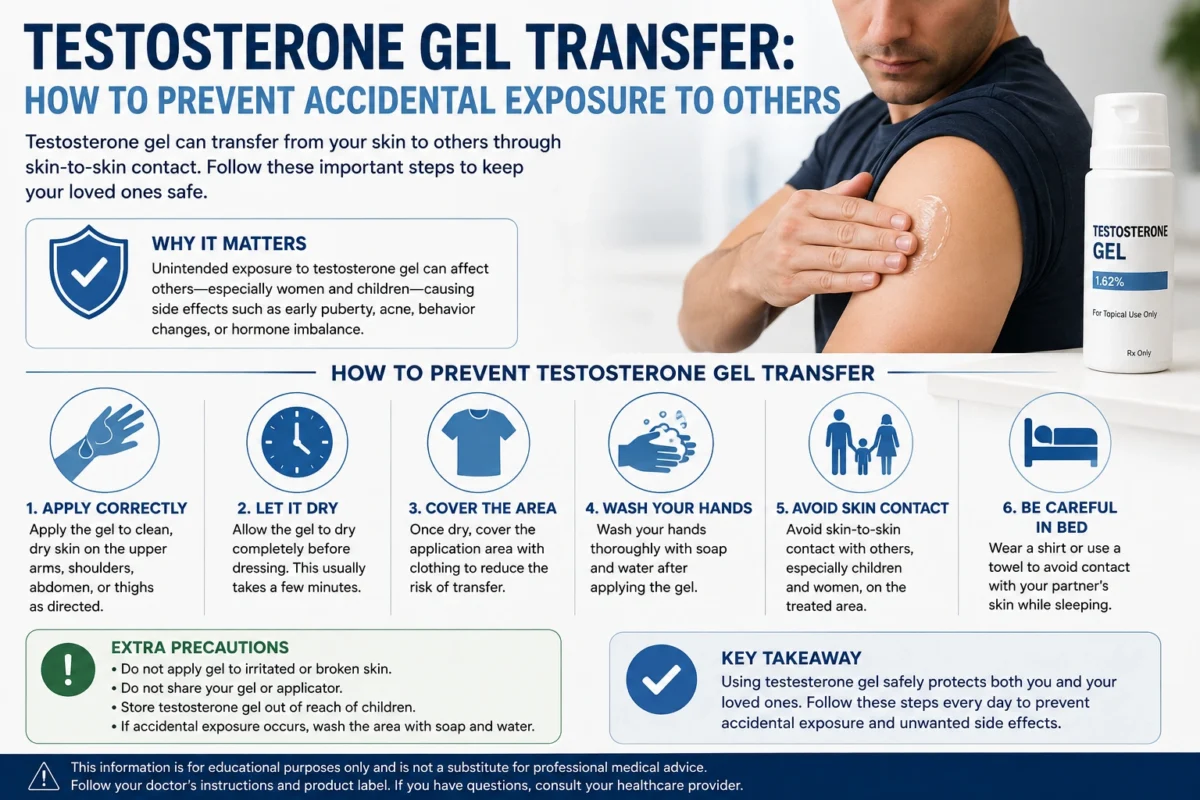
4. Fertility Suppression: Exogenous testosterone suppresses pituitary gonadotropins (LH and FSH), halting natural sperm production. Men seeking to preserve fertility should discuss alternative treatments (such as HCG or SERMs) with their physician.
For a deep dive into official peer-reviewed clinical summaries, chemical structures, and pharmacokinetics of androgen esters, consult the National Center for Biotechnology Information (NCBI) PubChem Database.
For global clinical directives and endocrine health guidelines, visit the official World Health Organization (WHO) Endocrine Directory.
Testosterone Undecanoate Management Checklist
Keep these core clinical guidelines in mind when evaluating or undertaking treatment:
- ✔️ Confirm Diagnosis with Bloodwork: Ensure hypogonadism is verified by at least two early-morning serum testosterone blood tests.
- ✔️ Choose the Right Route: Decide between the twice-daily oral capsule format or the infrequent (10–14 week) injectable depot with your doctor.
- ✔️ Take Oral Formulations with Meals: If taking oral capsules, always swallow them with a meal containing dietary fat for proper absorption.
- ✔️ Schedule Continuous Laboratory Monitoring: Complete regular blood panels for hematocrit, PSA, liver enzymes, and serum testosterone levels.
- ✔️ Maintain Medical Oversight: Never adjust dosage volume or frequency without consulting your prescribing physician.