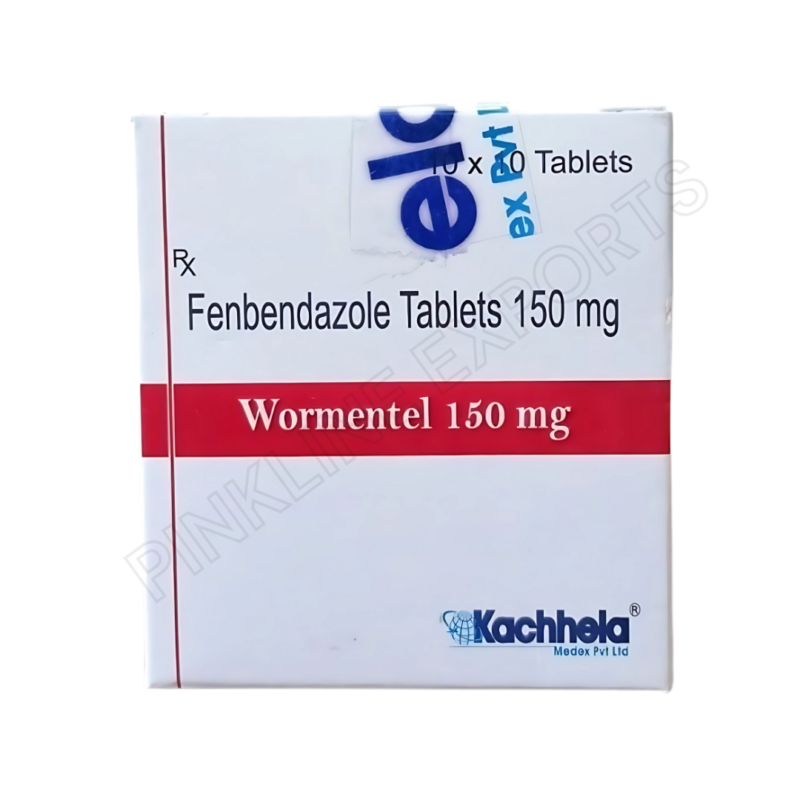
Fenbendazole 222 Mg Tablets | Benzimidazole Antiparasitic Research Compound
Fenbendazole 222 Mg Tablets contain fenbendazole, a benzimidazole compound known for its antiparasitic properties. The compound works by interfering with the formation of microtubules inside parasite cells, preventing them from absorbing nutrients and maintaining normal cellular functions.
Microtubules are structural components required for cell division and intracellular transport. Because cancer cells depend on rapid cell division, researchers have explored whether compounds that disrupt microtubules may influence tumor cell growth in laboratory settings.
Experimental research has suggested that fenbendazole may interfere with cellular processes such as glucose metabolism and microtubule stability in cancer cells. These mechanisms are being studied to understand whether benzimidazole compounds could play a role in experimental oncology research.
Researchers exploring different dosage strengths may also refer to formulations such as Fenbendazole Tablets 500 Mg for moderate-strength research protocols.
Higher-strength options like Fenbendazole Tablets 1000 Mg may be referenced in certain experimental frameworks where increased dosage strengths are evaluated.
What Are Fenbendazole 222 Mg Tablets?
Fenbendazole 222 Mg Tablets contain fenbendazole, a compound belonging to the benzimidazole family of antiparasitic agents. Benzimidazole compounds work by binding to a protein called β-tubulin, which is required for the formation of microtubules inside cells.
When fenbendazole interferes with tubulin polymerization, the parasite’s microtubule network becomes unstable. Without functional microtubules, parasite cells cannot absorb nutrients or complete cell division, eventually leading to their death.
Because microtubules are also important in tumor cell division, researchers have explored whether fenbendazole could influence cancer cell survival in laboratory models. However, most studies remain preclinical, and further research is needed to determine whether these effects occur in humans.
Why Fenbendazole Has Gained Interest in Cancer Research
Cancer cells grow rapidly and rely on complex metabolic pathways to sustain tumor growth. Microtubules are essential for cell division and intracellular transport, making them an important target for anticancer drug development.
Some laboratory studies have suggested that fenbendazole may act as a microtubule-destabilizing agent, interfering with the structural components required for mitosis in cancer cells. Read more about usage of drug in cancer research from : Fenbendazole for Cancer Treatment in Humans
Researchers have also observed that fenbendazole may influence tumor cell metabolism by reducing glucose uptake and affecting metabolic enzymes involved in energy production.
Experimental findings have suggested that fenbendazole may:
Interfere with microtubule formation in tumor cells
Influence tumor suppressor proteins such as p53
Reduce glucose metabolism in cancer cells
Trigger apoptosis in certain experimental cell models
These mechanisms continue to be investigated in laboratory and preclinical studies.
Key Features of Fenbendazole 222 Mg Tablets
Benzimidazole Antiparasitic Compound
Fenbendazole belongs to a chemical class known for disrupting parasite cell structures.
Microtubule-Targeting Mechanism
The compound interferes with tubulin proteins responsible for microtubule formation.
Studied in Experimental Oncology Models
Laboratory research has explored fenbendazole’s interaction with cancer cell metabolism.
Flexible Dosage Strength
The 222 mg tablet strength provides an additional dosage option referenced in certain research protocols.
Potential Research Applications
Researchers have explored fenbendazole compounds in several scientific fields, including:
Antiparasitic drug development
Microtubule-targeting drug research
Cellular metabolism and tumor growth studies
Experimental oncology research
Drug repurposing investigations
Most of these studies are conducted in laboratory and animal models.
Scientific Research on Fenbendazole and Cancer Cells
Several experimental studies have examined the biological effects of fenbendazole on cancer cells. A study published in Scientific Reports demonstrated that fenbendazole disrupted microtubule structures and altered glucose metabolism in cancer cells, which resulted in reduced tumor growth in experimental models.
These findings suggest that fenbendazole may influence both structural and metabolic pathways that are important for tumor cell survival.
For additional information about cancer biology and emerging therapeutic research, the following high-authority resources National Cancer Institute – Understanding Cancer Biology
Who May Explore Fenbendazole 222 Mg Tablets?
Fenbendazole compounds may be explored by researchers and healthcare professionals studying:
Benzimidazole antiparasitic compounds
Microtubule-targeting drug mechanisms
Cancer cell metabolism research
Drug repurposing strategies in oncology
Any pharmaceutical compound should be used only under proper research conditions or professional medical supervision.
Safety and Medical Disclaimer
Fenbendazole is primarily developed for veterinary antiparasitic use and is not approved by major regulatory authorities for treating human medical conditions.
Information on this page is intended for educational and research purposes only and should not replace professional medical advice.
FAQs