.svg)




Aciclovir Cream 5% – Zovirax
Price range: $24.00 through $100.00
Select options
This product has multiple variants. The options may be chosen on the product page

Albendazole 400 Mg
Price range: $24.00 through $60.00
Select options
This product has multiple variants. The options may be chosen on the product page

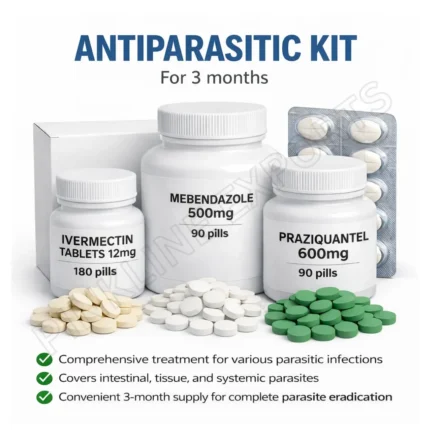
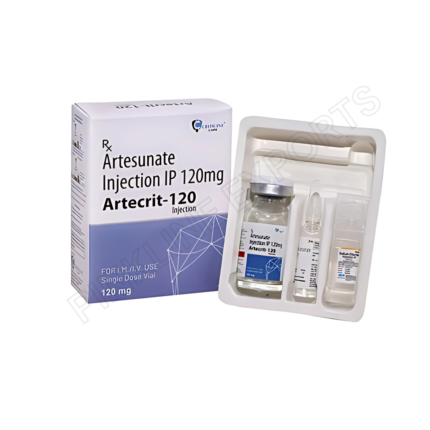
Artesunate 120 mg Injection
Price range: $24.00 through $100.00
Select options
This product has multiple variants. The options may be chosen on the product page

Clindamycin Capsules 300 Mg – Cleocin
Price range: $30.00 through $48.00
Select options
This product has multiple variants. The options may be chosen on the product page
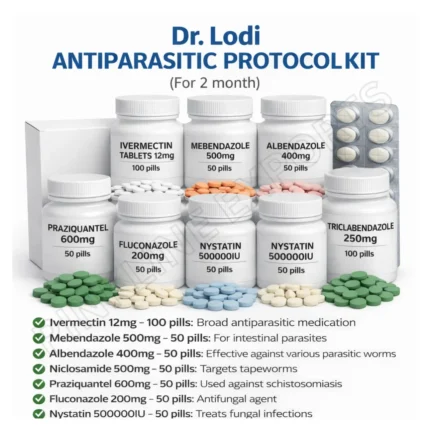

Fenbendazole 150 Mg Tablets
Price range: $44.00 through $120.00
Select options
This product has multiple variants. The options may be chosen on the product page

Fenbendazole 222 Mg Tablets
Price range: $46.00 through $126.00
Select options
This product has multiple variants. The options may be chosen on the product page

Fenbendazole 444 Mg Tablets
Price range: $48.00 through $132.00
Select options
This product has multiple variants. The options may be chosen on the product page

Fenbendazole Cream
Price range: $28.00 through $45.00
Select options
This product has multiple variants. The options may be chosen on the product page

Fenbendazole Tablets 1000 Mg
Price range: $54.00 through $150.00
Select options
This product has multiple variants. The options may be chosen on the product page
One of the biggest threats to global public health is viral diseases. Viruses have now shown their capacity to spread quickly and affect lots of people worldwide, and antiviral drugs are essential for treating viral infections. It is also used in lessening the severity of illness after infection, even while vaccines offer strong prophylactic protection.
Antivirals are medicines that stop viruses from multiplying inside host cells in order to cure viral infections. Antiviral medication design must target the viral processes without seriously damaging human cells because viruses depend on their host’s cellular system for reproduction.
Antiviral medications help the immune system to fight all the infections more successfully by preventing viruses from duplicating within the human body. Antivirals target distinct stages of the viral life cycle, when compared to antibiotics, which either kill or inhibit bacteria.
The U.S. Centers for Disease Control and Prevention (CDC) states that when used properly, the antiviral drugs can help reduce viral symptoms, and can. It can shorten the duration of sickness, avoid complications, and in certain situations, stop the transmission of infection.
Antiviral medications are used in contemporary medicine to treat a number of serious illnesses, such as:
- Influenza
- HIV/AIDS
- Hepatitis B and C
- Infections with herpes
- COVID-19
- Viral infections of the respiratory system
This thorough reference describes antivirals, including what they are, how they will function, and the various kinds that are available, along with their therapeutic applications, safety issues, and future paths for antiviral medication development. Viruses are not living things that can replicate on their own. Rather, they infiltrate host cells and take control of biological processes to create fresh virus particles. Antiviral medications typically function by disrupting one or more phases of the viral life cycle.
Typical antiviral strategies consist of:
- Stopping the production of viral proteins
- Preventing the assembly or dissemination of viruses
- Focusing on the viral replication-related enzymes
- Preventing viruses from entering host cells
- Preventing the replication of viral genomes
Antiviral therapies are the medications that minimize harm to host cells while selectively interfering with viral replication pathways.
The Development of Antiviral Drugs throughout History
Compared to antibiotics, the discovery of antiviral medications started rather later. Because viruses utilize the host cell machinery, it was challenging to target viral processes without risking human cells, which hampered the development of early antiviral medicines.
The following are some significant turning points in the development of antiviral drugs:
Early Antiviral Drugs, 1960s to 1970s
Herpes viruses and other DNA viruses were the target of the first antiviral medications.
- HIV antiretroviral therapy in the 1980s
The advent of HIV prompted extensive research into antiviral medications and the creation of antiretroviral therapy.
- 1990s to 2000s: Better Treatments for Hepatitis and HIV
HIV and hepatitis patients’ outcomes were greatly enhanced by combination therapy.
- 2010s: Antivirals with Direct Action
Hepatitis C cure rates exceeded 95% because to innovative treatments.
- 2020s: Quick Development of Antivirals
Antiviral medication development and clinical testing were expedited by the global pandemic response.
Comprehending the Life Cycle of Viruses
The viral replication cycle must be understood in order to comprehend how antivirals function.
The majority of viruses proceed in a similar manner:
- Attachment: The virus attaches itself to the host cell’s receptors.
- Entry: Genetic material from the virus that enters the host cell.
- Replication: The host’s mechanism is used to replicate viral DNA or RNA.
- Protein synthesis: Viral proteins are created.
- Assembly: New viral particles are put together.
- Release: Newly created viruses will leave the cell to infect other cells.
Antiviral medications may target each of these stages.
Antiviral drugs are usually made to stop one or more phases of this replication cycle, according to the National Institutes of Health (NIH).
Antiviral Drug Types
Usually, antiviral drugs are grouped according to the viruses they target or how they work.
The main classes utilized in contemporary medicine are listed below.
Inhibitors of neuraminidase
Influenza virus infections are frequently treated with neuraminidase inhibitors. Neuraminidase, an enzyme produced by the influenza virus, aids freshly generated viral particles in leaving infected cells. By blocking this enzyme, neuraminidase inhibitors will stop the virus from infecting more cells.
Examples consist of:
- Oseltamivir
- Zanamivir
- Peramivir
When used within 48 hours of the start of symptoms, these drugs work best.
Analogues of nucleosides and nucleotides
The building blocks of viral DNA or RNA is imitated by nucleoside analogs. Viral genome synthesis is halted when these analogs are incorporated by viruses during replication.
Examples consist of:
- Tenofovir
- Acyclovir
- Lamivudine
- Ribavirin
These medications are used to treat illnesses caused by the hepatitis B, herpes virus, and HIV. Nucleoside analogs work by stopping the elongation of the viral DNA chain during replication, according to the National Library of Medicine.
Inhibitors of Reverse Transcriptase
The main application of reverse transcriptase inhibitors is in the treatment of HIV. HIV is a retrovirus that uses an enzyme known as reverse transcriptase to change its RNA into DNA. By blocking this enzyme, reverse transcriptase inhibitors stop the virus from incorporating into the host DNA.
There are two primary kinds:
- NRTIs, or nucleoside reverse transcriptase inhibitors
- NNRTIs, or non-nucleoside reverse transcriptase inhibitors
The foundation of antiretroviral therapy is made up of these medications.
Inhibitors of proteases
Viral proteases are the enzymes necessary for breaking down viral proteins into useful components, and are blocked by protease inhibitors. Mature infectious particles cannot be produced by viruses in the absence of protease activity. In combination HIV treatment, protease inhibitors are frequently utilized. Globally, these medications greatly increased the survival rates of HIV-positive individuals.
Inhibitors of Polymerase
Viral polymerase enzymes that replicate viral genetic material are the focus of polymerase inhibitors.
Examples consist of:
- Remdesivir
- Sofosbuvir
By blocking RNA-dependent RNA polymerase or DNA polymerase, these medications stop viruses from replicating.
Antiviral medication-treated illnesses
Millions of individuals worldwide suffer from various viral infections that are treated with antiviral drugs.
Influenza
Every year, seasonal outbreaks are caused by influenza viruses. Antiviral medications might lessen consequences and the intensity of symptoms, particularly in high-risk populations like:
- Elderly people
- Women who are pregnant
- People with long-term illnesses
HIV/AIDS
HIV is now a chronic illness that can be controlled with antiretroviral medication. Combination antiviral medication lowers the risk of transmission and inhibits virus replication. The World Health Organization advises those living with HIV to take antiretroviral medication for the rest of their lives.
Hepatitis C and Hepatitis B
Liver damage, cirrhosis, and liver cancer can result from persistent hepatitis infections. Cure rates for hepatitis C with direct-acting antivirals are over 95%.
Infections with the Herpes Virus
Several infections are caused by herpes viruses, such as:
- Shingles
- The chickenpox
- Cold sores
- Herpes genitalis
Acyclovir and other antiviral drugs can manage symptoms and lessen recurrence.
COVID-19 and New Viral Illnesses
Under certain therapeutic circumstances, COVID-19 has also been treated with antiviral medications. Antiviral therapies for newly developing viruses are still being investigated.
Benefits of Antiviral Treatment
Antiviral medications offer many therapeutic advantages:
- Quicker Recuperation
- Diminished Viral Load
- Antivirals reduce the body’s viral load by inhibiting viral replication.
- When antiviral therapy is started early, patients may recover more quickly.
Resistance to Viruses
- Rapid mutation causes viruses to become resistant to antiviral medications.
- Combination therapies are employed because drug resistance is particularly significant in HIV therapy.
Limited Range of Activity
Many antivirals only target particular viruses.
Herpes infections, for instance, cannot be treated with a medication intended to treat influenza.
When to Start Treatment
Antivirals work best when taken soon after the onset of symptoms.
- Treatment efficacy may decrease if it is postponed.
- Possible Adverse Reactions
- Antivirals, like any drugs, can have adverse effects such:
- Weariness
- Feeling queasy
- A headache
- Changes in liver enzymes
Patients should report any negative reactions and adhere to physician advice.
Safe Usage
Antiviral drugs should only be taken under the supervision of a doctor because they target particular viral processes.
Important factors include:
- Interactions between drugs
- Observation while getting therapy
- Detailed diagnosis
Appropriate dose
Before beginning antiviral therapy, patients should speak with medical specialists and refrain from self-medication.
The following uses of AI technologies are growing:
- Quicken the development of drugs
- Antiviral Treatments Targeting the Host
- Determine possible antiviral substances
- Forecast interactions between drugs and viruses
- Certain new therapies target the host biological mechanisms that viruses employ.
- Researchers want to lower viral resistance by focusing on host variables rather than viral proteins.
Drug Delivery Using Nanotechnology
Antiviral medications may be more effectively delivered to infected tissues with the use of nanoparticles. This strategy may lessen adverse effects and increase medication efficacy.
Preventive Measures in Combination with Antiviral Therapy
Public health professionals stress that prevention is still the best way to stop the spread of viruses, even while antiviral drugs are crucial for treating viral diseases. Generally speaking, antivirals will work best when combined with a comprehensive approach that includes good cleanliness, early identification, immunization, and public health initiatives.
Immunization
For many viral illnesses, vaccines continue to be the best preventative measure. Vaccines help the body react quickly to pathogens by boosting the immune system’s ability to identify particular viruses. Vaccination dramatically lowers the risk of serious illness and hospitalization for viruses like influenza. Vaccines frequently lessen the severity and complications of disease, even in cases where they are unable to totally prevent infection.
The World Health Organization claims that vaccination campaigns have contributed to the prevention of millions of viral disease-related deaths worldwide. Vaccinated people who contract illnesses may still be treated with antiviral drugs, particularly if they are members of high-risk groups.
Antiviral Drug Development’s Future
Antiviral medication discovery and treatment approaches are changing due to scientific advancements.
- Antivirals with a Broad Spectrum
- Researchers are trying to create medications that can target several virus families at once.
- These treatments may increase readiness for upcoming epidemics.
- Drug Discovery Using Artificial Intelligence
Infection Control and Hygiene
Respiratory droplets, contaminated surfaces, or direct contact with infected people are frequent ways that viruses spread. Maintaining proper hygiene is still a crucial preventive measure.
Crucial precautions consist of:
- Respiratory etiquette (covering sneezes and coughs)
- Cleaning surfaces that are often touched
- Wearing masks as advised by public health officials
- Regularly cleaning your hands with soap and water
Early Diagnosis and Testing
Early diagnosis enables medical professionals to assess the suitability of antiviral medication.
There are more and more quick diagnostic tests available for a number of viral illnesses, such as:
- Influenza
- COVID-19
- RSV, or respiratory syncytial virus
Early detection of viral infections enables doctors to administer antivirals during the best window of time for therapy, which can greatly enhance results.
Techniques for Lowering Resistance
To reduce antiviral resistance, medical researchers and practitioners employ a number of techniques.
Combination Treatment
The chance that viruses will become resistant to treatment can be decreased by taking several antiviral medications at once. Combination antiretroviral therapy has significantly improved patient outcomes in HIV treatment, where this strategy is commonly employed.
Use of Medicines Responsibly
When using antiviral drugs, patients should always adhere to medical advice, which includes finishing the entire recommended course of treatment. Antiviral medications are now a vital weapon for handling viral epidemics and public health crises. During the COVID-19 pandemic, for instance, the clinical care plan included the use of antiviral drugs. Through extensive clinical trials, public health organizations like the National Institutes of Health continue to assess antiviral treatments.
Antiviral Medication Resistance
Viral medication resistance is one of the biggest problems in antiviral treatment. Rapid replication and genetic alterations enable viruses to resist the effects of antiviral drugs.
Drug resistance could develop at a time when:
- Courses of treatment are not finished.
- During replication, viruses naturally undergo mutations.
- Improper usage of antivirals.
Antiviral resistance can lower treatment efficacy and make clinical management more difficult, according to National Institutes of Health studies.
New Technologies in Antiviral Studies
The potential for developing antiviral medications keeps growing due to scientific advancements. A number of intriguing technologies that could revolutionize the treatment of viral infections in the future are being investigated by researchers.
Antiviral Treatments Based on CRISPR
Researchers are looking at using CRISPR gene-editing technology to target and eliminate viral genetic material within infected cells. For viruses for which there are presently no effective medicines, this strategy may offer new ones.
Treatments using Monoclonal Antibodies
Laboratory-produced proteins called monoclonal antibodies imitate the immune system’s capacity to combat infections. Monoclonal antibodies are used in some antiviral tactics to neutralize viruses before they infect cells. These treatments have been investigated for a number of viral illnesses, such as emerging pathogens and respiratory viruses.
Therapies Directed by the Host
Some emerging therapies try to alter host cell functions that viruses depend on for replication rather than focusing on the virus itself. Targeting host pathways may lessen the chance of medication resistance because viruses rely on the machinery of the host cell.
Antivirals with a Broad Spectrum
Researchers are trying to create medications that can target several viruses instead of just one. Because they enable quick treatment of newly developing viruses, broad-spectrum antivirals may be crucial to future pandemic preparedness.
Patient Awareness and Education
For treatment to be both safe and successful, patients must be informed about antiviral drugs.
Patients need to be aware of:
- Not every viral illness can be cured with antivirals.
- Certain viruses can be cured without medicine.
- Early intervention increases efficacy
- Before beginning therapy, medical advice is required.
Additionally, healthcare professionals are crucial in teaching patients about the proper use of antivirals, potential adverse effects, and treatment plan adherence.
The Effects of Antiviral Medicine Worldwide
Over the past few decades, antiviral treatments have greatly improved global health outcomes. Medical care and public health initiatives have improved the control of diseases that once caused widespread mortality. HIV medication has made the illness a chronic condition that can be managed. Nowadays, direct-acting antivirals can treat hepatitis C in the majority of cases. Antivirals for influenza help protect vulnerable groups from serious consequences.
The World Health Organization states that funding antiviral research and development will continue to be crucial for combating both current viral illnesses and upcoming threats. Antiviral drugs are essential to modern medicine because they help control viral infections that used to cause serious sickness and widespread death. Antivirals decrease viral replication and improve the immune system’s ability to combat infection by focusing on particular phases of the life cycle.
The future of antiviral therapy is being transformed by current research in areas like broad-spectrum antivirals, artificial intelligence, and enhanced drug delivery methods, despite persistent problems such virus resistance and limited therapeutic spectrum. Antiviral medications will continue to be a vital tool in the fight against both existing and new viral infections as long as they are developed and used responsibly.
Frequently asked questions
-
- What is the main purpose of antivirals?
Viral illnesses like influenza, HIV, hepatitis, herpes, and some respiratory viruses are treated with antiviral drugs.
- Can viruses develop any antiviral resistance soon?
Antiviral medications can cause viruses to change and become resistant.
- Are the antiviral medications safe to use?
When taken under a doctor’s supervision, the majority of antiviral medications are regarded as safe.
- Are antivirals and antibiotics interchangeable?
No, antivirals exclusively target viruses and their replication mechanisms, whereas antibiotics address bacterial illnesses.
- When is the right time to use antiviral drugs?
For influenza infections in particular, many antiviral drugs are most effective when administered during the first 24 to 48 hours of the onset of symptoms.