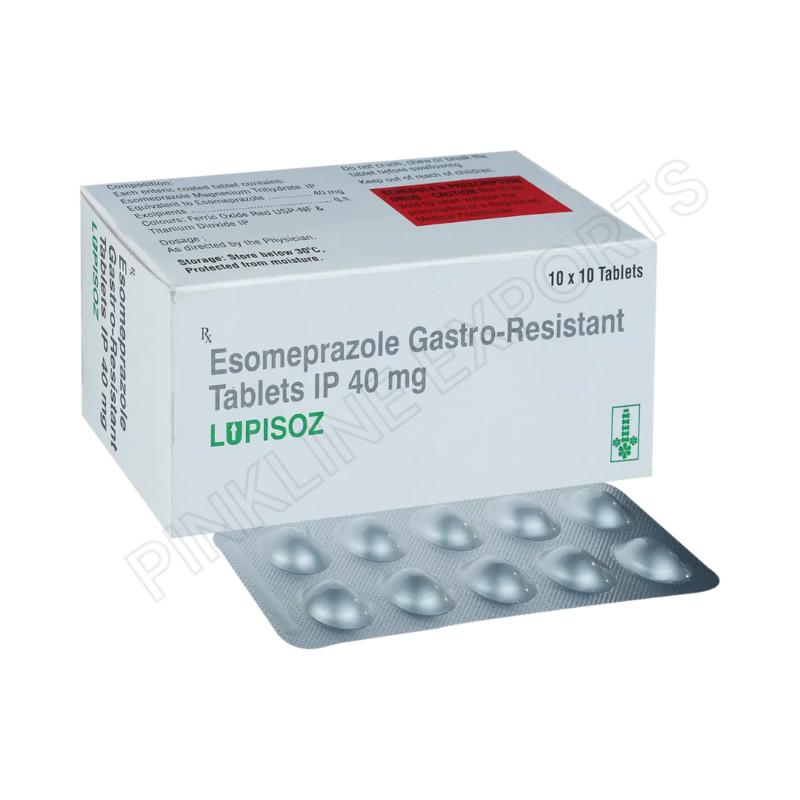
What Are Esomeprazole Tablets 20 Mg?
Esomeprazole Tablets 20 Mg contain esomeprazole, a medication from the proton pump inhibitor (PPI) class. It is widely used to manage acid-related gastrointestinal conditions by reducing the amount of acid produced in the stomach.
Excess stomach acid can irritate the lining of the esophagus, stomach, and intestines, leading to discomfort and complications. By lowering acid levels, this medication helps protect the digestive tract and supports healing.
This oral formulation is often prescribed for ongoing management of acid reflux and related disorders, especially after initial treatment with injectable or higher-dose therapies.
According to the U.S. National Library of Medicine (MedlinePlus), esomeprazole is commonly used to treat GERD, ulcers, and other conditions caused by excessive stomach acid.
How Esomeprazole Works
Esomeprazole works by blocking the proton pump (H+/K+ ATPase enzyme) located in the stomach lining.
This enzyme is responsible for producing gastric acid. By inhibiting this process, the medication significantly reduces acid secretion.
Its effects include:
• Decreased stomach acid production
• Relief from heartburn and acid reflux symptoms
• Healing of the esophagus and stomach lining
• Prevention of further irritation
This targeted action makes esomeprazole effective in both symptom relief and long-term management.
Medical Uses
Gastroesophageal Reflux Disease (GERD)
This medication is commonly prescribed for GERD, a condition where stomach acid flows back into the esophagus.
Symptoms may include:
• Heartburn
• Chest discomfort
• Acid regurgitation
Reducing acid production helps relieve these symptoms and prevent complications such as esophageal damage.
Peptic Ulcers
Esomeprazole Tablets are also used in the treatment of gastric and duodenal ulcers.
By lowering acid levels, the medication allows the lining of the stomach and intestine to heal and reduces the risk of recurrence.
Long-Term Acid Suppression Therapy
This formulation is often used for maintenance therapy in patients who require ongoing acid suppression.
It may be prescribed after initial hospital treatment or injectable therapy to maintain symptom control.
Clinical research from the National Institutes of Health (NIH) highlights the importance of proton pump inhibitors in managing acid-related disorders and preventing complications.
Role in Treatment Plans
Acid-related disorders often require a structured treatment approach.
For example, injectable formulations such as Esomeprazole Injection 40 Mg may be used initially in hospital settings for rapid acid control.
Once the condition stabilizes, oral medications like Esomeprazole Tablets 20 Mg are commonly prescribed for ongoing management.
In certain clinical situations, supportive treatments such as Calcium Sandoz Injection may be used to address electrolyte balance or nutritional needs alongside gastrointestinal therapy.
Healthcare providers tailor treatment plans based on individual patient needs and clinical response.
Dosage and Administration
Esomeprazole Tablets 20 Mg should be taken as directed by a healthcare professional.
General usage guidelines include:
• Taken orally with water
• Usually administered once daily before meals
• Swallow whole without crushing or chewing
• Follow prescribed duration of treatment
Patients should adhere to medical instructions for optimal results.
Safety Information
Before using this medication, patients should inform their healthcare provider about their medical history and any medications they are currently taking.
This medication may not be suitable for individuals with:
• Severe liver disease
• Known hypersensitivity to PPIs
• Certain gastrointestinal conditions requiring alternative treatment
Long-term use may require monitoring for nutrient deficiencies.
Possible Side Effects
Some individuals may experience side effects while taking this medication.
Common side effects include:
• Headache
• Nausea
• Diarrhea or constipation
• Abdominal discomfort
Rare but serious side effects may include:
• Allergic reactions
• Electrolyte imbalance
• Vitamin B12 deficiency with prolonged use
Patients should consult a healthcare professional if symptoms persist or worsen.
Storage Instructions
Proper storage helps maintain medication effectiveness.
Recommended guidelines include:
• Store at room temperature
• Keep away from heat and moisture
• Protect from direct sunlight
• Keep out of reach of children
What Are Esomeprazole Tablets 20 Mg?
Esomeprazole Tablets 20 Mg contain esomeprazole, a medication from the proton pump inhibitor (PPI) class. It is widely used to manage acid-related gastrointestinal conditions by reducing the amount of acid produced in the stomach.
Excess stomach acid can irritate the lining of the esophagus, stomach, and intestines, leading to discomfort and complications. By lowering acid levels, this medication helps protect the digestive tract and supports healing.
This oral formulation is often prescribed for ongoing management of acid reflux and related disorders, especially after initial treatment with injectable or higher-dose therapies.
How Esomeprazole Works
Esomeprazole works by blocking the proton pump (H+/K+ ATPase enzyme) located in the stomach lining.
This enzyme is responsible for producing gastric acid. By inhibiting this process, the medication significantly reduces acid secretion.
Its effects include:
• Decreased stomach acid production
• Relief from heartburn and acid reflux symptoms
• Healing of the esophagus and stomach lining
• Prevention of further irritation
This targeted action makes esomeprazole effective in both symptom relief and long-term management.
Medical Uses
Gastroesophageal Reflux Disease (GERD)
This medication is commonly prescribed for GERD, a condition where stomach acid flows back into the esophagus.
Symptoms may include:
• Heartburn
• Chest discomfort
• Acid regurgitation
Reducing acid production helps relieve these symptoms and prevent complications such as esophageal damage.
Peptic Ulcers
Esomeprazole Tablets are also used in the treatment of gastric and duodenal ulcers.
By lowering acid levels, the medication allows the lining of the stomach and intestine to heal and reduces the risk of recurrence.
Long-Term Acid Suppression Therapy
This formulation is often used for maintenance therapy in patients who require ongoing acid suppression.
It may be prescribed after initial hospital treatment or injectable therapy to maintain symptom control.
Role in Treatment Plans
Acid-related disorders often require a structured treatment approach.
For example, injectable formulations such as Esomeprazole Injection 40 Mg may be used initially in hospital settings for rapid acid control.
Once the condition stabilizes, oral medications like Esomeprazole Tablets 20 Mg are commonly prescribed for ongoing management.
In certain clinical situations, supportive treatments such as Calcium Sandoz Injection may be used to address electrolyte balance or nutritional needs alongside gastrointestinal therapy.
Healthcare providers tailor treatment plans based on individual patient needs and clinical response.
Dosage and Administration
Esomeprazole Tablets 20 Mg should be taken as directed by a healthcare professional.
General usage guidelines include:
• Taken orally with water
• Usually administered once daily before meals
• Swallow whole without crushing or chewing
• Follow prescribed duration of treatment
Patients should adhere to medical instructions for optimal results.
Safety Information
Before using this medication, patients should inform their healthcare provider about their medical history and any medications they are currently taking.
This medication may not be suitable for individuals with:
• Severe liver disease
• Known hypersensitivity to PPIs
• Certain gastrointestinal conditions requiring alternative treatment
Long-term use may require monitoring for nutrient deficiencies.
Possible Side Effects
Some individuals may experience side effects while taking this medication.
Common side effects include:
• Headache
• Nausea
• Diarrhea or constipation
• Abdominal discomfort
Rare but serious side effects may include:
• Allergic reactions
• Electrolyte imbalance
• Vitamin B12 deficiency with prolonged use
Patients should consult a healthcare professional if symptoms persist or worsen.
Storage Instructions
Proper storage helps maintain medication effectiveness.
Recommended guidelines include:
• Store at room temperature
• Keep away from heat and moisture
• Protect from direct sunlight
• Keep out of reach of children
FAQ’s