What Is Calcium Sandoz Injection?
Calcium Sandoz Injection is a prescription injectable solution used to rapidly increase calcium levels in the bloodstream. The active ingredient, calcium gluconate, is a widely used calcium salt in clinical medicine due to its effectiveness and safety profile when administered intravenously.
Calcium is an essential mineral required for several critical physiological processes, including:
• Muscle contraction
• Nerve signal transmission
• Blood clotting
• Heart rhythm regulation
When calcium levels drop below normal, it can lead to symptoms such as muscle cramps, numbness, irregular heartbeat, or even life-threatening complications. In such cases, injectable calcium therapy is often required for rapid correction.
How Calcium Sandoz Injection Works
The active component, calcium gluconate, directly increases the concentration of calcium ions in the blood.
Its mechanism of action includes:
• Replenishing deficient calcium levels
• Stabilizing nerve and muscle activity
• Supporting normal cardiac function
• Helping restore electrolyte balance
Calcium plays a key role in electrical signaling within the body, particularly in the heart and nervous system. By restoring normal calcium levels, this injection helps correct disturbances that may affect these systems.
Medical Uses
Treatment of Hypocalcemia
One of the primary uses of this injection is in the treatment of hypocalcemia, a condition where calcium levels in the blood are abnormally low.
Symptoms of hypocalcemia may include:
• Muscle spasms or cramps
• Tingling in fingers and lips
• Fatigue
• Abnormal heart rhythms
Rapid correction with injectable calcium is often required in moderate to severe cases.
Emergency Cardiac Support
Calcium gluconate injections are sometimes used in emergency medical situations involving cardiac disturbances caused by electrolyte imbalances.
They may help stabilize heart function in conditions such as:
• Severe hyperkalemia (high potassium levels)
• Calcium channel blocker overdose
• Certain types of cardiac arrhythmias
Magnesium Toxicity Management
This injection may also be used to counteract the effects of magnesium toxicity, particularly in patients receiving magnesium sulfate therapy.
Calcium acts as an antidote by restoring normal neuromuscular function.
Clinical guidance from the National Institutes of Health (NIH) highlights the importance of calcium therapy in managing electrolyte imbalances and emergency conditions affecting cardiac and neuromuscular systems
Role in Clinical and Supportive Therapy
Calcium therapy is often part of broader treatment plans addressing metabolic and gastrointestinal conditions.
For example, medications such as Esomeprazole Inj 40 Mg – Generic Nexium may be used in hospital settings to manage acid-related disorders or gastrointestinal conditions that can influence nutrient absorption.
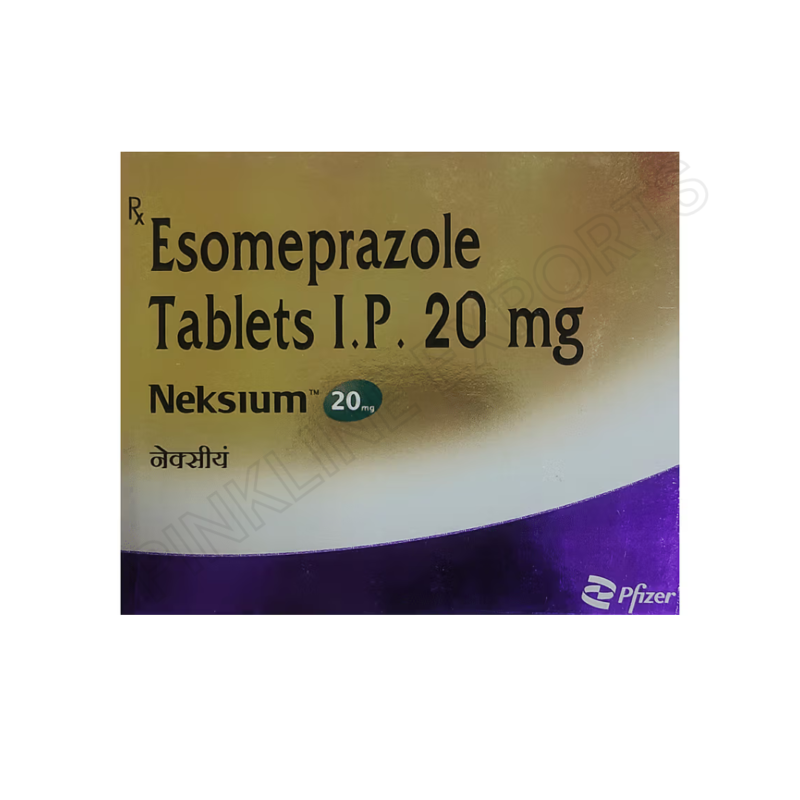
Similarly, oral medications like Esomeprazole Tablets 20 Mg may be prescribed for long-term management of acid reflux or gastric conditions, which can indirectly affect calcium absorption and overall mineral balance.
Healthcare providers determine appropriate treatment combinations based on patient condition and clinical requirements.
Dosage and Administration
Calcium Sandoz Injection is administered by a qualified healthcare professional.
General administration guidelines include:
• Given intravenously or intramuscularly as prescribed
• Dosage depends on severity of deficiency or medical condition
• Administered slowly to reduce the risk of adverse reactions
• Monitoring may be required during administration
Self-administration is not recommended unless specifically instructed by a healthcare provider.
Safety Information
Before receiving this injection, patients should inform their healthcare provider about their medical history and current medications.
This treatment may not be suitable for individuals with:
• Hypercalcemia (high calcium levels)
• Severe kidney disease
• Certain heart conditions
• Known hypersensitivity to calcium salts
Careful monitoring is required to avoid complications such as calcium overload.
Possible Side Effects
Some individuals may experience side effects during or after administration.
Common side effects may include:
• Injection site irritation
• Flushing sensation
• Nausea
• Mild hypotension
In rare cases, more serious effects may occur, including:
• Irregular heartbeat
• Severe allergic reaction
• Tissue irritation if extravasation occurs
Patients should be monitored during administration, especially in hospital settings.
Storage Instructions
Proper storage is important to maintain medication quality.
Recommended guidelines include:
• Store as per manufacturer instructions
• Protect from excessive heat and light
• Do not use if the solution appears cloudy or discolored
• Keep out of reach of children
FAQ’s