
Acivir 500 Mg Injection
$22.00 – $54.00Price range: $22.00 through $54.00
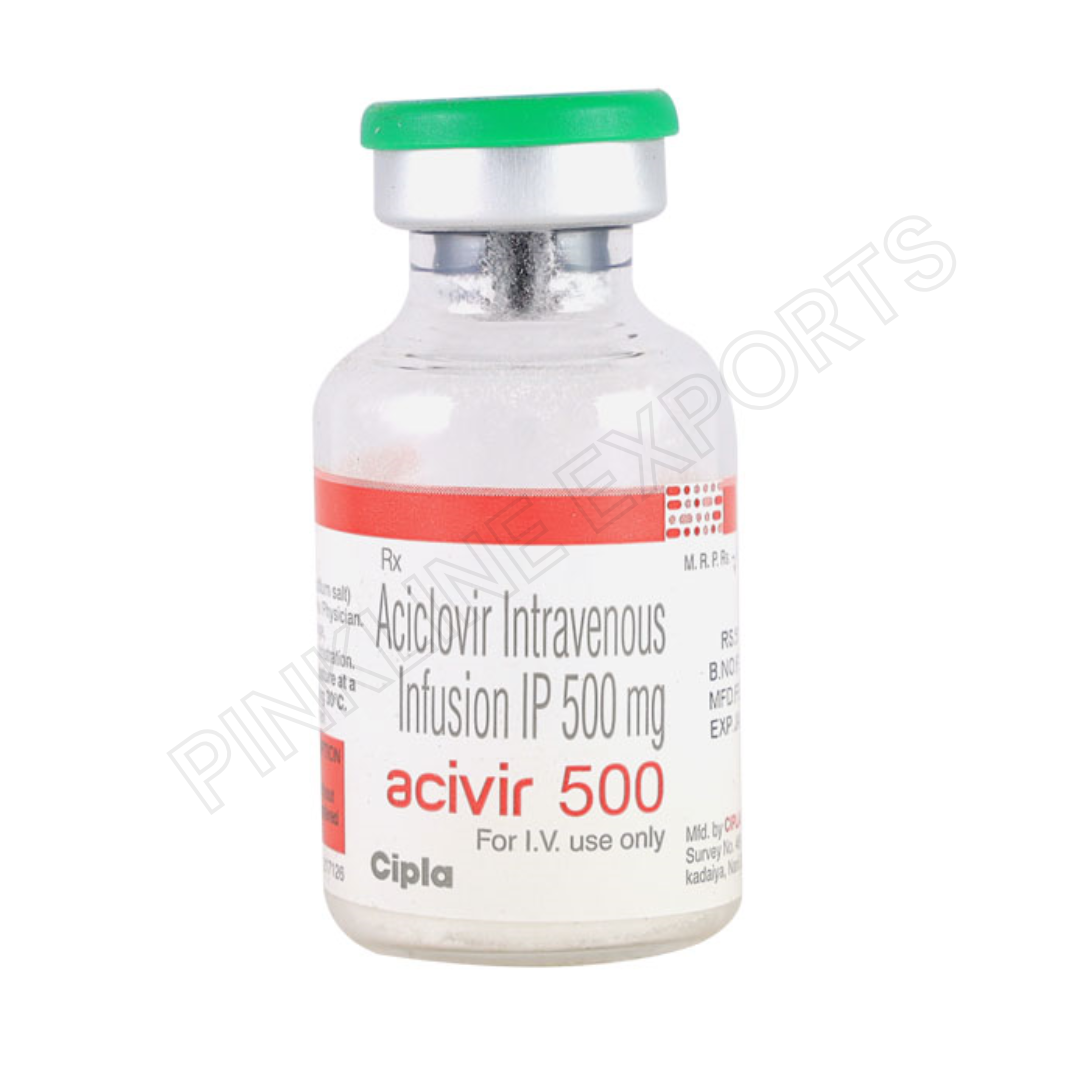
Acivir 500 Mg Injection is an antiviral medication containing acyclovir, used to treat severe herpes virus infections such as shingles, herpes simplex, and chickenpox. It is administered intravenously in hospital settings for rapid action and effective viral control, especially when oral treatment is not suitable or infections are serious.
Description
Acivir 500 Mg Injection
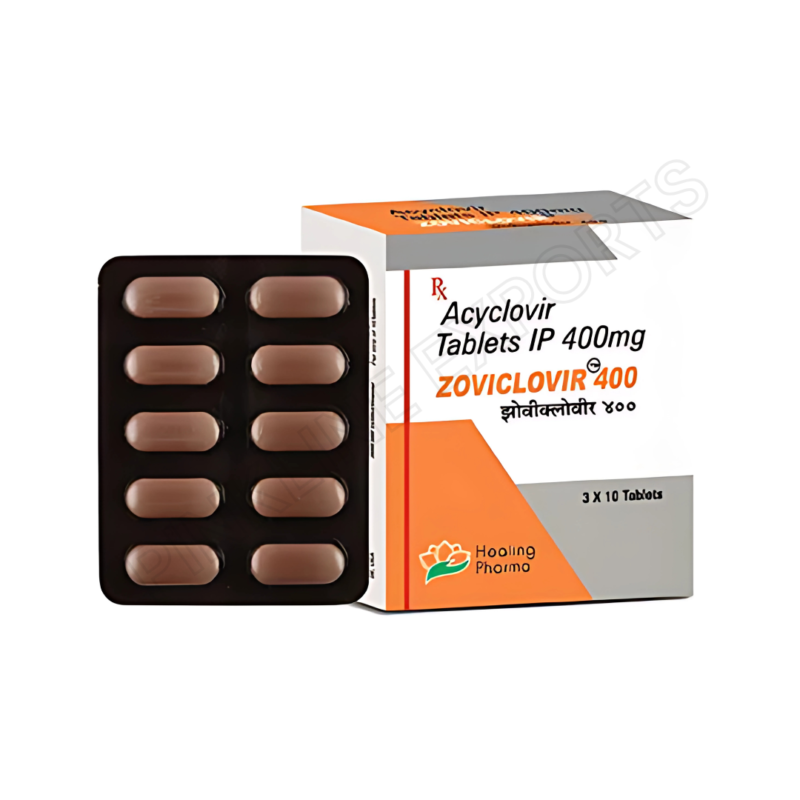
Acivir 500 Mg Injection is an antiviral medication containing acyclovir, used for the treatment of severe viral infections caused by herpes viruses. It is commonly administered in hospital settings for serious conditions such as herpes simplex infections, varicella (chickenpox), and herpes zoster (shingles). This injectable form is preferred when oral therapy is not suitable or when rapid action is required. In treatment plans, oral alternatives like Acivir Tablet 200 mg and Acyclovir Tablet 400 Mg are often used for milder infections or follow-up therapy.
Mechanism of Action
Antiviral Activity
Acyclovir works by inhibiting viral DNA replication, preventing the virus from multiplying.
Infection Control
It helps reduce the severity and duration of viral infections by limiting their spread. For clinical insights, refer to Centers for Disease Control and Prevention (CDC) and for safety guidance, consult Mayo Clinic – Acyclovir Information.
Medical Uses
Acivir 500 Mg Injection is used for:
- Severe herpes simplex infections
- Herpes zoster (shingles)
- Varicella (chickenpox)
- Viral encephalitis
- Infections in immunocompromised patients
It is commonly used in hospital-based treatment for serious infections.
Dosage and Administration
Acivir 500 Mg Injection is administered intravenously by a healthcare professional. The dosage depends on the type and severity of infection, as well as patient condition. In clinical practice, Acivir Tablet 200 mg and Acyclovir Tablet 400 Mg are often used for step-down oral therapy after initial injectable treatment.
Clinical Effectiveness
Clinical studies show that acyclovir injection is highly effective in reducing viral replication, improving symptoms, and preventing complications in severe viral infections when administered promptly.
Safety and Side Effects
Common Side Effects
- Nausea
- Vomiting
- Injection site reactions
Serious Risks
- Kidney dysfunction
- Neurological effects (rare)
Regular monitoring is recommended. For more details, refer to Mayo Clinic – Acyclovir Information.
Contraindications and Precautions
Acivir 500 Mg Injection should be used with caution in:
- Patients with kidney disease
- Dehydrated individuals
- Elderly patients
Adequate hydration and medical supervision are important during treatment.
Drug Interactions
Acyclovir may interact with medications affecting kidney function, increasing the risk of toxicity. Patients should inform their healthcare provider about all medicines they are taking. For further reading, refer to Centers for Disease Control and Prevention (CDC).
FAQs
Acivir 500 Mg Injection is used to treat severe viral infections caused by herpes viruses, including herpes simplex, shingles, and chickenpox. It is commonly given in hospital settings when infections are serious or when oral medications are not effective or suitable for the patient.
It works by inhibiting viral DNA synthesis, which stops the virus from multiplying in the body. This helps control the infection, reduces symptoms, and speeds up recovery. Early treatment improves effectiveness and reduces the risk of complications associated with severe viral infections.
It is administered intravenously by a healthcare professional in a hospital or clinical setting. The dosage and duration depend on the type and severity of infection, as well as the patient’s condition. Self-administration is not recommended due to the need for medical supervision.
It is generally safe when given under medical supervision. However, patients with kidney problems or dehydration require careful monitoring. Side effects are usually mild but may include nausea or injection site reactions. Serious side effects are rare but require immediate medical attention if they occur.
Common side effects include nausea, vomiting, and mild irritation at the injection site. Some patients may experience headache or fatigue. Rare but serious side effects include kidney issues or neurological symptoms, especially in high doses or in patients with pre-existing medical conditions.

Reviews
There are no reviews yet.