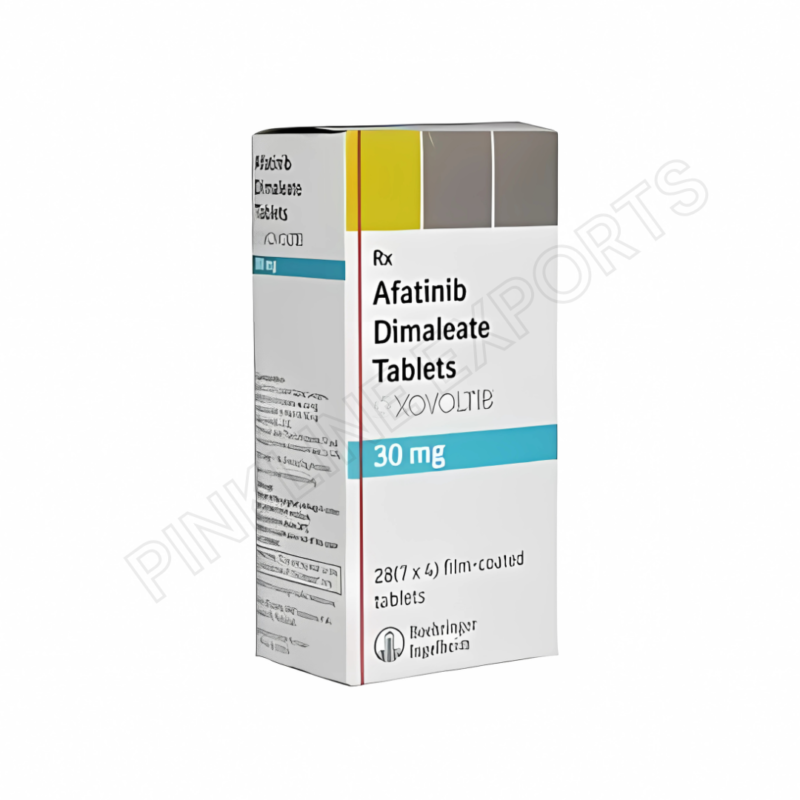

Xovoltib 30 Mg
Xovoltib 30 Mg Price range: $185.00 through $540.00
Back to products
Flupirtine Capsules 100 Mg
Flupirtine Capsules 100 Mg Price range: $42.00 through $105.00
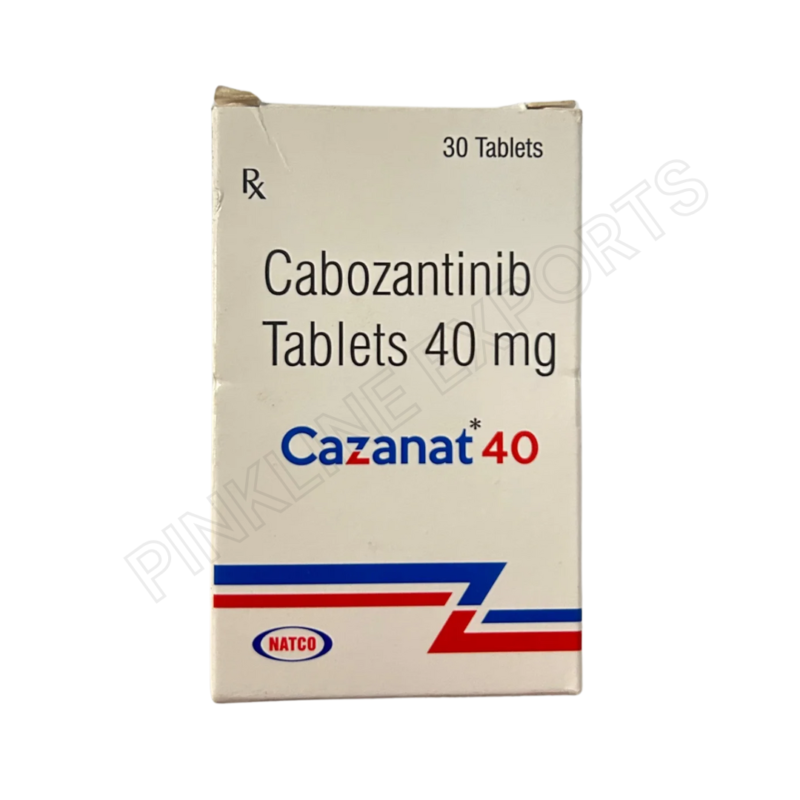
Xovoltib 20 Mg

Price range: $175.00 through $510.00

Xovoltib 20 Mg is a targeted EGFR inhibitor used to treat non-small cell lung cancer by blocking cancer cell growth signals.

SKU: N/A Categories: ,

Description

Xovoltib 20 Mg

Xovoltib 20 Mg is a targeted anticancer medication used in the treatment of non-small cell lung cancer (NSCLC), particularly in patients with specific epidermal growth factor receptor (EGFR) mutations. It contains afatinib, a tyrosine kinase inhibitor (TKI) that blocks signals responsible for cancer cell growth and proliferation. This lower-strength formulation is often used for initial therapy or dose adjustments based on patient tolerance. In treatment planning, higher strengths such as Xovoltib 30 Mg and Xovoltib 40 Mg are commonly prescribed depending on clinical response and disease severity.


Mechanism of Action

EGFR Inhibition

Xovoltib 20 Mg works by irreversibly blocking EGFR and related receptors, which are involved in the growth and spread of cancer cells.

Targeted Cancer Therapy

By inhibiting these pathways, it prevents tumor cell proliferation and promotes cancer cell death. For detailed clinical insights, refer to National Cancer Institute (NCI) and for safety information, consult Mayo Clinic – Afatinib Drug Information.


Medical Uses

Xovoltib 20 Mg is used in:

  • EGFR mutation-positive non-small cell lung cancer (NSCLC)
  • Advanced or metastatic lung cancer

It is often prescribed as a first-line treatment in eligible patients.


Dosage and Administration

Xovoltib 20 Mg is typically taken once daily on an empty stomach, as directed by an oncologist. The dosage may be adjusted based on patient response and side effects. In clinical practice, Xovoltib 30 Mg may be used for intermediate dosing, while Xovoltib 40 Mg is commonly prescribed as a standard dose in suitable patients.


Clinical Effectiveness

Clinical studies have shown that afatinib significantly improves progression-free survival in patients with EGFR mutation-positive NSCLC. It is considered an effective targeted therapy in modern oncology.


Safety and Side Effects

Common Side Effects

  • Diarrhea
  • Skin rash
  • Mouth sores
  • Nail changes

Serious Risks

  • Severe diarrhea and dehydration
  • Lung inflammation (interstitial lung disease)
  • Liver toxicity

Regular monitoring is essential during treatment. For more details, refer to Mayo Clinic – Afatinib Drug Information.


Contraindications and Precautions

Xovoltib 20 Mg should be used with caution in:

  • Patients with lung disorders
  • Individuals with liver impairment
  • Patients with severe gastrointestinal issues

It should not be used during pregnancy unless prescribed.


Drug Interactions

Xovoltib 20 Mg may interact with medications affecting liver enzymes and other anticancer drugs. Patients should inform their healthcare provider about all medications they are taking. For research-based insights, refer to National Cancer Institute (NCI).

FAQs


1 What is Xovoltib 20 Mg used for?

Xovoltib 20 Mg is used to treat EGFR mutation-positive non-small cell lung cancer. It helps control tumor growth and is often prescribed as a first-line therapy in advanced or metastatic cases.

2 How does Xovoltib 20 Mg work?

Xovoltib 20 Mg works by blocking EGFR proteins that promote cancer cell growth. This prevents cancer cells from multiplying and helps slow disease progression.


3 Is Xovoltib 20 Mg safe?

Xovoltib 20 Mg is effective but may cause side effects such as diarrhea and skin rash. Serious risks include lung inflammation and liver toxicity. Regular monitoring is required during treatment.


4 Can Xovoltib 20 Mg be taken with other medications?

Xovoltib 20 Mg can interact with medications affecting liver enzymes and other drugs. Patients should inform their doctor about all medications they are taking to ensure safe treatment.


5 How long should Xovoltib 20 Mg be taken?

The duration of treatment depends on the patient’s condition and response. It is usually taken long-term under medical supervision to maintain disease control.

RELATED PRODUCTS