
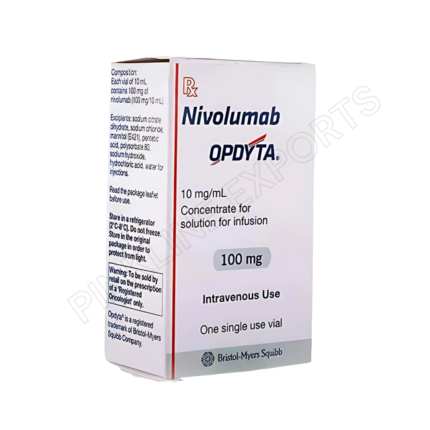
Opdyta 40 Mg
$480.00
Opdyta 40 Mg is an immunotherapy medication used to treat cancers like lung cancer by enhancing the immune system’s ability to fight tumor cells.
Description
Opdyta 40 Mg
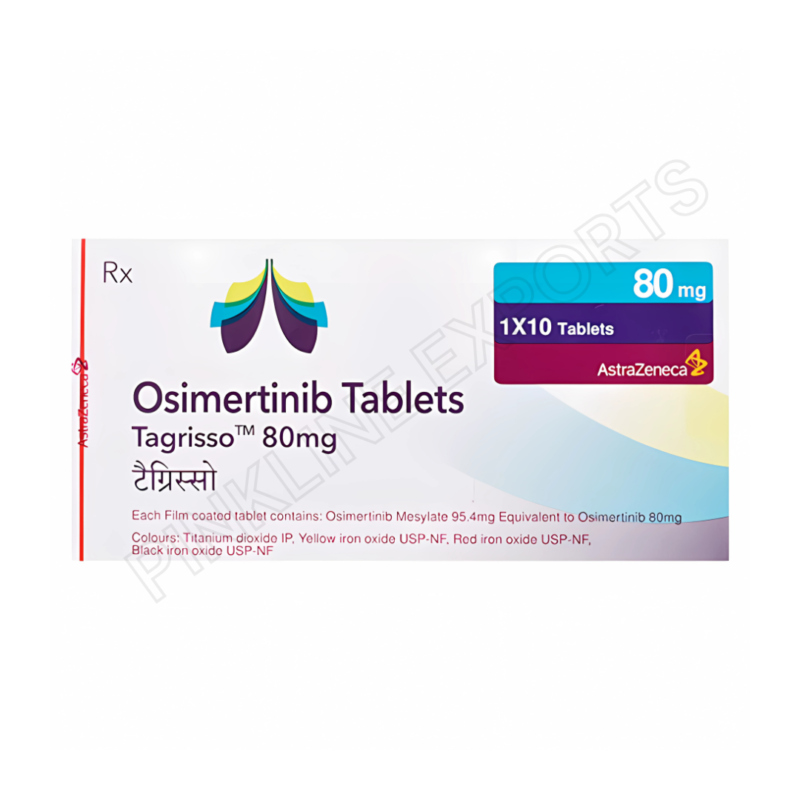
Opdyta 40 Mg is an advanced immunotherapy medication used in the treatment of various cancers, particularly non-small cell lung cancer (NSCLC). It works by enhancing the body’s immune system to recognize and attack cancer cells more effectively. This lower-strength formulation is often used for dose adjustment or in specific treatment regimens based on patient response and tolerance. In clinical practice, higher strengths such as Opdyta 100 Mg may be used for standard dosing, while targeted therapies like Tagrisso 80 Mg are commonly prescribed for patients with specific genetic mutations in lung cancer.
Mechanism of Action
Immune Checkpoint Modulation
Opdyta 40 Mg works by blocking immune checkpoint pathways that cancer cells use to evade detection, thereby enhancing immune response.
Activation of T-Cells
It stimulates T-cells to identify and destroy cancer cells, improving overall treatment effectiveness. For detailed clinical insights, refer to National Cancer Institute (NCI) and for safety information, consult Mayo Clinic – Immunotherapy Cancer Treatment Guide.
Medical Uses
Opdyta 40 Mg is used in:
- Non-small cell lung cancer (NSCLC)
- Other advanced or metastatic cancers (as prescribed)
It may be used alone or in combination with other therapies depending on the treatment plan.
Dosage and Administration
Opdyta 40 Mg is administered as per oncologist guidance, typically as part of a scheduled immunotherapy regimen. The dosage depends on the patient’s condition and treatment response. In treatment planning, Opdyta 100 Mg may be used for higher-dose therapy, while targeted drugs like Tagrisso 80 Mg are used in specific mutation-driven cancers.
Clinical Effectiveness
Clinical studies have shown that immunotherapy agents like Opdyta improve survival outcomes and provide durable responses in certain cancers, particularly lung cancer. It is an important component of personalized cancer treatment.
Safety and Side Effects
Common Side Effects
- Fatigue
- Nausea
- Rash
- Decreased appetite
Serious Risks
- Immune-related adverse effects (lungs, liver, intestines)
- Inflammation such as pneumonitis or hepatitis
- Severe allergic reactions
Regular monitoring is essential during treatment. For more safety details, refer to Mayo Clinic – Immunotherapy Cancer Treatment Guide.
Contraindications and Precautions
Opdyta 40 Mg should be used with caution in:
- Patients with autoimmune disorders
- Individuals with organ transplants
- Patients with severe infections
It should only be used under strict medical supervision.
Drug Interactions
Opdyta 40 Mg may interact with immunosuppressants and other anticancer drugs. Patients should inform their healthcare provider about all medications they are taking. For research-based insights, refer to National Cancer Institute (NCI).
FAQs
Opdyta 40 Mg is used to treat cancers such as non-small cell lung cancer. It helps the immune system recognize and attack cancer cells, improving disease control and survival outcomes. It is often prescribed in advanced or metastatic cases.
AOpdyta 40 Mg works by blocking immune checkpoints that cancer cells use to avoid detection. This enhances the activity of immune cells, allowing them to target and destroy cancer cells more effectively.
Opdyta 40 Mg is effective but may cause immune-related side effects such as inflammation of organs. Regular monitoring and medical supervision are necessary to ensure safe use and manage potential risks.
Opdyta 40 Mg can interact with immunosuppressants and other cancer therapies. Patients should inform their doctor about all medications they are taking to avoid complications and ensure safe treatment.
The duration of treatment depends on the patient’s condition and response. It is typically used as part of a long-term treatment plan under the supervision of an oncologist.