
Quetiapine Tablets 25 Mg – Seroquel
$24.20 – $60.00Price range: $24.20 through $60.00
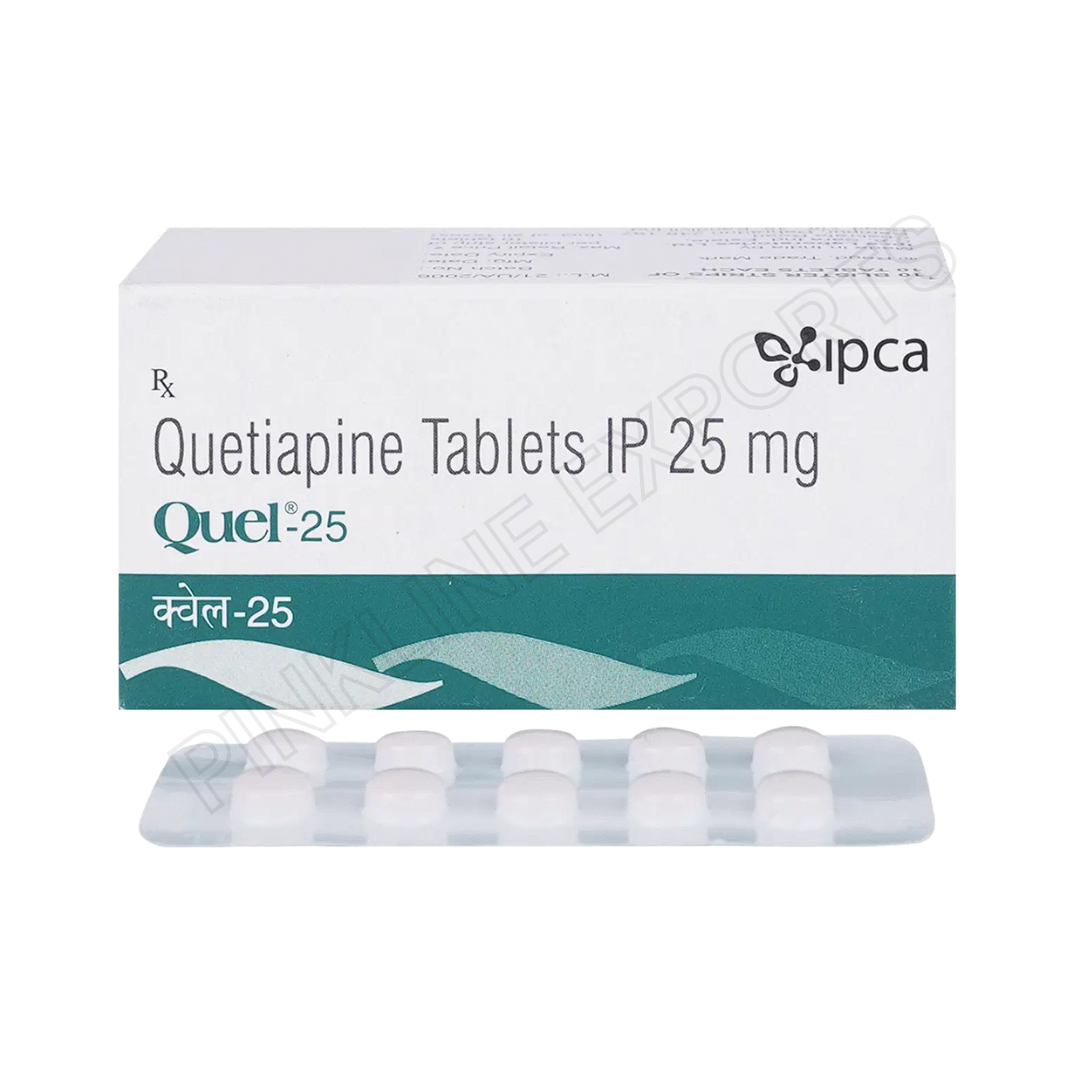
Quetiapine Tablets 25 Mg are a low-dose antipsychotic medication used for the treatment of schizophrenia, bipolar disorder, and as an adjunct in major depressive disorder. This dosage is ideal for patients starting therapy or requiring a gentle titration. Quetiapine Tablets 25 Mg, available under brands like Seroquel and Seroquel XR, help manage mood, reduce psychosis, and support overall mental health.
Description
Quetiapine Tablets 25 Mg – Seroquel
Quetiapine Tablets 25 Mg – Seroquel is an atypical antipsychotic used to treat schizophrenia, bipolar disorder, and major depressive disorder (adjunct therapy). This low dose is commonly prescribed for initial therapy, dose titration, or patients sensitive to higher doses, helping begin treatment safely under medical supervision.Higher strengths such as Quetiapine Tablets 100 Mg – Seroquel and Quetiapine Tablets 200 Mg – Seroquel are prescribed after dose titration based on patient response and severity of symptoms.
Mechanism of Action
Dopamine and Serotonin Modulation
Quetiapine acts on dopamine (D2) and serotonin (5-HT2) receptors in the brain.
Mood and Thought Stabilization
It helps reduce hallucinations, stabilize mood, and improve cognitive function.
Medical Uses
Quetiapine 25 Mg is used for:
- Schizophrenia
- Bipolar disorder (mania and depression)
- Adjunct treatment for major depressive disorder
Dosage and Administration
It is taken orally, usually once or twice daily, with or without food, as prescribed. This dose is often used at the beginning of treatment and may be gradually increased based on patient response.
Clinical Effectiveness
Clinical studies show that quetiapine helps reduce psychotic symptoms, stabilize mood, and improve overall functioning when used consistently under medical supervision.
Safety and Side Effects
Common Side Effects
- Drowsiness
- Dizziness
- Dry mouth
- Fatigue
Serious Risks
- Metabolic changes (blood sugar, cholesterol)
- Orthostatic hypotension
- Extrapyramidal symptoms (rare)
Monitoring is recommended during therapy.
Contraindications and Precautions
Quetiapine should be used with caution in:
- Patients with cardiovascular disease
- Individuals with diabetes or metabolic disorders
- Elderly patients with dementia-related psychosis
A proper medical evaluation is required before use.
Drug Interactions
It may interact with antidepressants, sedatives, and other central nervous system medications. Patients should inform their healthcare provider about all medicines they are taking.For clinical guidelines and safety information, refer to World Health Organization (WHO) and Mayo Clinic – Quetiapine Drug Information.
FAQs
Quetiapine 25 Mg is used to treat schizophrenia, bipolar disorder, and major depressive disorder as an adjunct therapy. It helps reduce hallucinations, stabilize mood, and improve overall mental functioning when taken regularly under medical supervision, especially in patients starting treatment or requiring lower doses for safe and gradual symptom management.
Quetiapine works by affecting dopamine and serotonin receptors in the brain, which regulate mood, behavior, and thought processes. By balancing these neurotransmitters, it reduces psychotic symptoms and stabilizes mood. This helps improve emotional regulation and cognitive function when used consistently under proper medical supervision for effective psychiatric condition management.
Quetiapine 25 Mg should be taken orally once or twice daily, with or without food, as prescribed by a healthcare provider. It is important to follow the dosage schedule and avoid missing doses, as consistent use helps maintain stable drug levels and ensures effective symptom control for schizophrenia, bipolar disorder, or depression treatment.
Quetiapine 25 Mg can be used long-term under medical supervision, but regular monitoring is required to assess weight, blood sugar, and cholesterol levels. Patients should report any unusual symptoms such as excessive drowsiness or dizziness to ensure continued safe and effective therapy, especially when managing chronic psychiatric conditions over extended periods.
Common side effects include drowsiness, dizziness, dry mouth, fatigue, constipation, and mild weight gain. These are usually temporary and improve as the body adjusts to the medication. However, persistent or severe symptoms should be reported to a healthcare provider for proper evaluation and management during ongoing treatment for patient safety and comfort.

Reviews
There are no reviews yet.