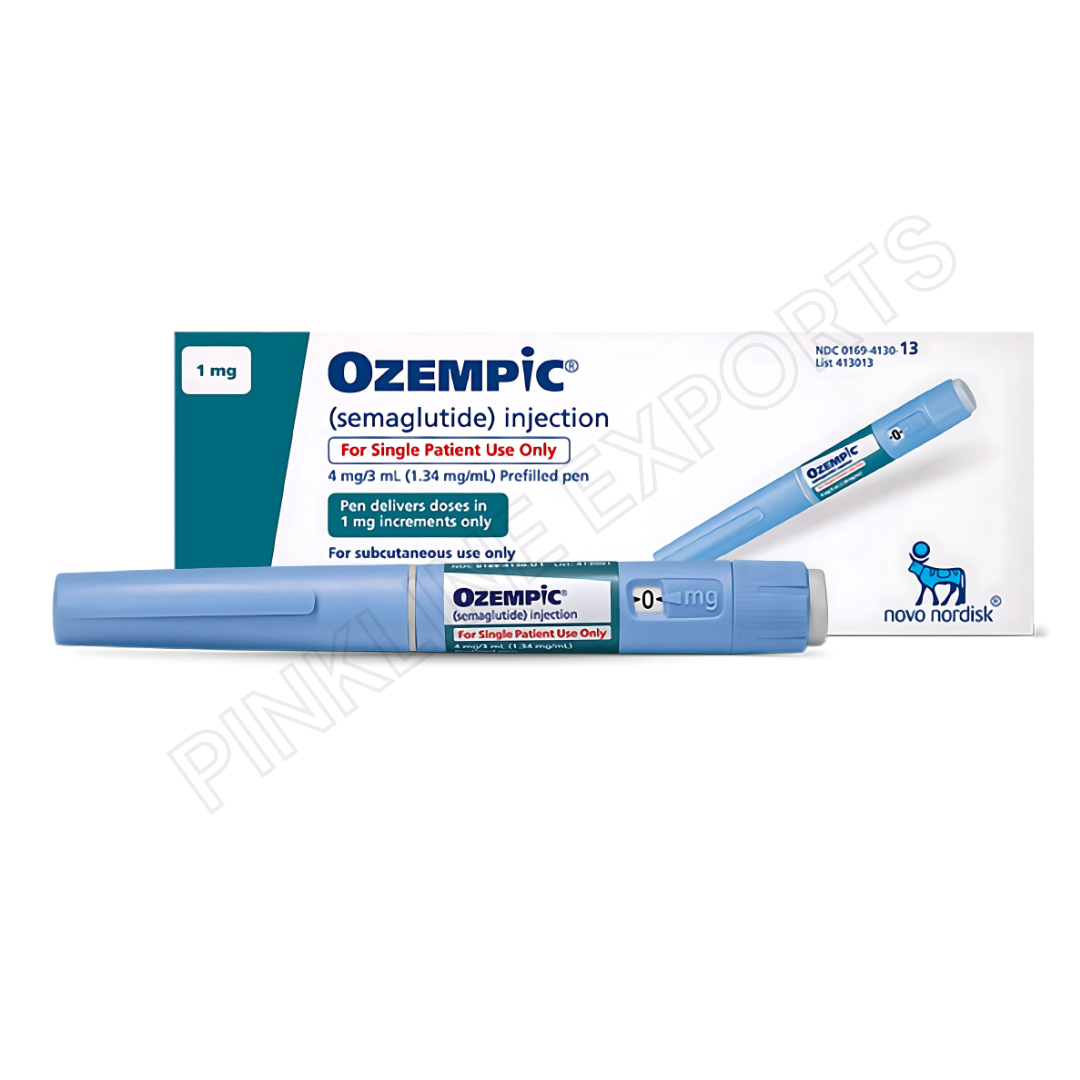
What Is Ozempic 1 Mg?
Ozempic 1 Mg is a prescription injectable medication containing semaglutide, a glucagon-like peptide-1 (GLP-1) receptor agonist used for the treatment of type 2 diabetes in adults. It helps control blood sugar levels when combined with lifestyle interventions such as proper nutrition and physical activity.
Semaglutide mimics the action of the natural GLP-1 hormone, which regulates glucose metabolism and appetite. By activating GLP-1 receptors, the medication helps the body manage blood sugar levels more effectively after meals.
Healthcare providers may prescribe Ozempic 1 Mg when additional glycemic control is required after lower doses of semaglutide therapy. In many treatment plans, patients start at a lower dose before progressing to higher therapeutic doses.
Clinical studies show that semaglutide therapy can improve HbA1c levels, reduce appetite, and support metabolic health when used appropriately within a supervised treatment program.
For evidence-based medical information on diabetes treatment and medication safety, refer to these trusted resources:
World Health Organization – Diabetes Overview
Anchor Text: WHO diabetes guidelines and global statistics
https://www.who.int
U.S. Food and Drug Administration – Drug Safety Information
Anchor Text: FDA medication safety and approvals
https://www.fda.gov
Centers for Disease Control and Prevention – Diabetes Management
Anchor Text: CDC diabetes treatment and prevention guidance
https://www.cdc.gov
MedlinePlus – Semaglutide Medication Guide
Anchor Text: MedlinePlus semaglutide drug information
https://medlineplus.gov
National Health Service – Diabetes Treatment Options
Anchor Text: NHS diabetes medication overview
https://www.nhs.uk
These organizations provide peer-reviewed and evidence-based medical guidance for diabetes care and medication safety.
👉 https://pinklineexports.com/product/ozempic-1-mg/
How Ozempic 1 Mg Works
Semaglutide works through several complementary mechanisms that help regulate blood glucose levels and metabolic activity.
1. GLP-1 Hormone Mimicry
Ozempic activates GLP-1 receptors, which play a crucial role in regulating insulin secretion and appetite control.
2. Increased Insulin Secretion
The medication stimulates the pancreas to release insulin when blood glucose levels rise, helping reduce post-meal blood sugar levels.
3. Reduced Glucagon Production
Semaglutide suppresses the release of glucagon, a hormone that signals the liver to produce glucose.
4. Slowed Gastric Emptying
Ozempic slows the rate at which food leaves the stomach, leading to:
slower glucose absorption
improved blood sugar stability
prolonged feelings of fullness
5. Appetite Regulation
GLP-1 receptor activation also affects appetite centers in the brain, helping reduce calorie intake and supporting weight control.
These combined mechanisms help improve glycemic control and metabolic health.
Indications
A healthcare provider may prescribe Ozempic 1 Mg for:
Type 2 diabetes mellitus management
Improving glycemic control in adults
Reducing cardiovascular risk in certain diabetic patients
Supporting medically supervised weight management
Combination therapy with other diabetes medications
Ozempic is not recommended for treating type 1 diabetes.
GLP-1 receptor agonist therapies such as Ozempic 0.5 Mg may be incorporated into medically supervised weight-management and glucose-control strategies.
Usage & Administration
Important: Always use Ozempic exactly as prescribed by your healthcare professional.
General clinical guidance may include:
Inject once weekly
Administer subcutaneously (under the skin)
Use the medication on the same day each week
Common injection sites include:
Patients are typically started at a lower initiation dose, which may later be increased to 0.5 mg and then 1 mg weekly depending on treatment response.
Ozempic injections can be taken with or without meals.
Initial GLP-1 therapy protocols may begin with Rybelsus 3 Mg – Semaglutide Tablet before progressing to higher therapeutic doses.
Safety Information & Precautions
Before using Ozempic 1 Mg, inform your healthcare provider if you have:
History of medullary thyroid carcinoma
Multiple endocrine neoplasia syndrome type 2
Pancreatitis history
Kidney disease
Severe gastrointestinal conditions
Diabetic retinopathy
Important precautions include:
Use only under medical supervision
Monitor blood sugar regularly
Follow the prescribed dosage schedule
Do not share injection devices
Guidance on managing worm and parasite infections safely is available from NHS – Worms & Parasites.
Possible Side Effects
Most patients tolerate semaglutide therapy well, though side effects may occur.
Common Side Effects
Nausea
Vomiting
Diarrhea
Abdominal discomfort
Reduced appetite
Constipation
These gastrointestinal symptoms are the most frequently reported reactions during clinical trials.
Less Common Side Effects
Rare but Serious Reactions
Seek medical attention if you experience:
severe abdominal pain
persistent vomiting
allergic reactions
signs of pancreatitis
Drug & Medication Interactions
Before starting Ozempic therapy, inform your clinician about all medications and supplements you take.
Possible interactions may involve:
Healthcare professionals may adjust doses to ensure safe treatment.
Use in Special Populations
Pregnancy
Use during pregnancy should be determined by a healthcare provider after evaluating potential risks and benefits.
Breastfeeding
Consult a healthcare professional before using semaglutide during breastfeeding.
Elderly Patients
Older adults may use Ozempic with appropriate monitoring of treatment response.
Pediatric Patients
The safety and effectiveness of Ozempic in individuals under 18 years may not be established unless directed by a healthcare professional.
Monitoring & Follow-Up
Healthcare providers may recommend regular follow-up visits to monitor:
Blood glucose levels
HbA1c improvements
Weight changes
Possible side effects
Treatment effectiveness
Regular monitoring helps ensure safe and effective therapy.
Lifestyle & Patient Guidance
Medication therapy works best when combined with healthy lifestyle practices.
Recommended strategies include:
These steps help improve long-term metabolic health.
Storage Instructions
Store Ozempic 1 Mg according to manufacturer recommendations.
Typical storage guidance includes:
Refrigerate between 2°C and 8°C
Do not freeze the medication
Protect from heat and direct sunlight
Store in original packaging
Keep out of reach of children
FAQs

.svg)










Reviews
There are no reviews yet.