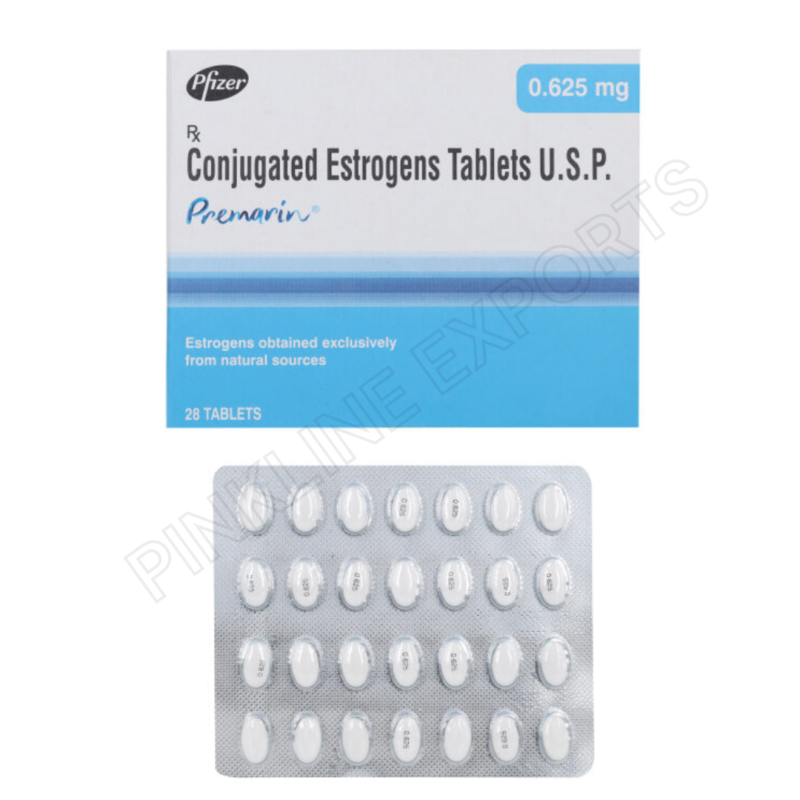
What Are Misoprostol Tablets 200 mcg?
Misoprostol is a synthetic prostaglandin E1 analogue with effects on smooth muscle and mucosal cells. It is utilized in licensed medical practice for specific treatments where its pharmacological properties are clinically indicated.
Misoprostol acts on gastric mucosa to promote protective factors and is recognized in global therapeutic guidance for its role in gastrointestinal protection and selected obstetric/gynecologic uses under clinician supervision.
How Misoprostol Works
Misoprostol’s mechanisms of action vary by clinical use:
1. Gastrointestinal Mucosal Protection
Misoprostol binds to prostaglandin receptors in the gastric lining, enhancing secretion of mucus and bicarbonate, and increasing blood flow to the stomach lining. These effects help protect against gastric mucosal injury, particularly in patients using NSAIDs long-term.
2. Smooth Muscle Effects
Misoprostol interacts with smooth muscle receptors in various tissues. In controlled clinical contexts, this property contributes to uterine muscle activity when used under professional medical guidance for specific obstetric indications.
These effects must be interpreted in the context of licensed clinical protocols and used only as directed by a qualified healthcare provider.
Indications
Misoprostol Tablets 200 mcg may be indicated for:
Prevention of NSAID-induced gastric ulcers in patients at increased risk
Adjunctive clinical uses in obstetric or gynecological care when prescribed by a clinician and in combination with other indicated medicines
Misoprostol is not a stand-alone treatment for conditions outside of recommended clinical protocols and should always be used under medical oversight.
Dosage & Administration
Important: Dosage must be determined and supervised by a qualified healthcare provider based on the clinical indication, patient profile, and risk assessment.
General principles (for clinician reference only):
Dosing regimens are developed by healthcare providers based on specific patient needs, clinician assessment, and clinical guidance.
Administration is typically in a monitored clinical setting when used for obstetric/gynecologic indications.
For NSAID-induced ulcer prevention, dosing schedules are individualized by clinicians based on risk profile and NSAID regimen.
Medication should be taken exactly as prescribed by a healthcare professional. Do not adjust doses or self-modify schedules.
Safety Information & Precautions
Before using Misoprostol Tablets 200 mcg, inform your healthcare provider if you have:
A history of allergy to prostaglandins
Inflammatory bowel disease
Severe cardiovascular, liver, or kidney disease
Pelvic inflammatory disease or current pelvic infection
Known or suspected pregnancy (discuss risk and alternatives with a clinician)
Hormonal balance and endometrial response should be clinically monitored when using therapies like Dydrogesterone Tablets 10 Mg.
Important Safety Notes
Misoprostol must be used under professional supervision due to its potent biological effects.
Let your clinician know about all current medications, supplements, and medical conditions.
Use of misoprostol outside prescribed clinical protocols is not advised.
Clinical safety and pharmacological guidance align with standard references in misoprostol tablet information sources.
Possible Side Effects
Common side effects may include:
Less common but significant side effects may include:
If symptoms are persistent, severe, or concerning, contact your healthcare provider promptly. Medical evaluation ensures side effects are assessed and managed appropriately.
Drug Interactions
Misoprostol may interact with other medications, including:
Antacids containing magnesium — may worsen diarrhea
Other gastrointestinal motility agents
Certain cardiovascular medications
Always disclose all prescription medications, OTC drugs, and herbal supplements to your clinician.
Use in Special Populations
Pregnancy
Discuss risks and benefits with a qualified healthcare provider. Certain clinical protocols involve misoprostol with other medicines under strict medical supervision; unintended self-use in pregnancy is not safe.
Breastfeeding
Consult a healthcare provider for guidance on use while breastfeeding.
Monitoring & Follow-Up
Regular clinical follow-up is recommended to monitor:
Follow-up ensures safe and effective treatment in line with clinical standards.
Lifestyle & Patient Guidance
Take the medicine exactly as prescribed
Report all side effects and new symptoms to your clinician
Attend all scheduled follow-up appointments
Maintain a list of all medicines and supplements you use
Storage Instructions
Store in a cool, dry place below 25 °C
Keep tablets in original packaging
Protect from direct light and moisture
Keep out of reach of children
Do not use after the expiry date
FAQs

.svg)