What Is Levocartinine Inj?
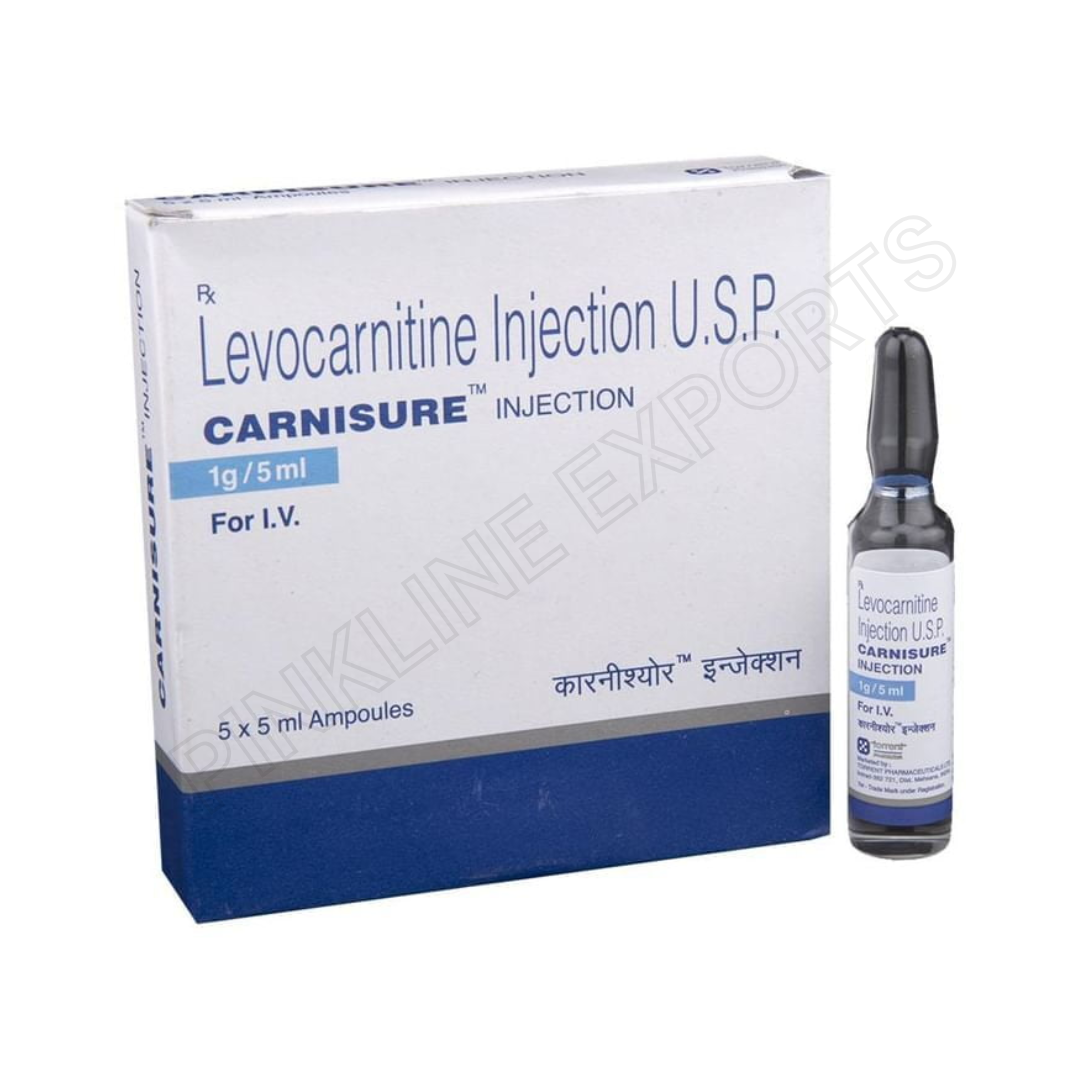
Levocartinine Inj is a prescription injectable medication containing levocarnitine, a naturally occurring substance in the body that plays an essential role in energy production. Levocarnitine helps transport long-chain fatty acids into the mitochondria of cells where they are converted into energy.
This medication is used to treat primary and secondary carnitine deficiency, a condition in which the body does not have enough carnitine to properly metabolize fats for energy.
Levocarnitine injection is commonly administered in hospital or clinical settings and may be recommended for patients who:
Have inherited metabolic disorders causing carnitine deficiency
Are undergoing hemodialysis for kidney disease
Have conditions affecting fat metabolism and energy production
Require rapid correction of carnitine deficiency through intravenous therapy
How Levocartinine Inj Works
Levocarnitine helps restore normal energy metabolism in the body.
1. Transport of Fatty Acids
Levocarnitine transports long-chain fatty acids into the mitochondria, allowing them to be oxidized and used to generate energy.
2. Energy Production
Once inside mitochondria, fatty acids undergo beta-oxidation, producing energy required for muscle activity, heart function, and cellular processes.
3. Correction of Carnitine Deficiency
Patients with metabolic disorders or those undergoing dialysis may lose carnitine. Levocarnitine injections help restore normal levels, improving metabolic function.
4. Support for Heart and Muscle Function
Adequate carnitine levels help maintain healthy function of cardiac muscle, skeletal muscle, and brain tissue, which rely heavily on fatty acid metabolism.
Herbal metabolic support therapies may incorporate Ayur Slim – Himalaya within natural weight-management and lifestyle optimization programs.
Indications
A healthcare provider may prescribe Levocartinine Inj for:
Primary systemic carnitine deficiency
Secondary carnitine deficiency caused by metabolic disorders
Carnitine deficiency in patients undergoing hemodialysis
Supportive therapy for certain metabolic conditions
Energy metabolism disorders
These conditions require medical evaluation and appropriate metabolic treatment.
Fat-absorption inhibitor therapies may include Generic Xenical – Orlistat 120 Mg as part of comprehensive obesity-management treatment strategies.
Usage & Administration
Important: This medication must be administered by a healthcare professional.
Typical clinical guidance may include:
Administered intravenously (IV) in a hospital or clinic setting
Given as a slow injection or infusion
Dosage determined by body weight and clinical condition
Blood tests may be performed to monitor carnitine levels during therapy
The recommended dosage for metabolic disorders may be approximately 50 mg/kg administered intravenously, though the exact dose depends on the patient’s condition and physician guidance.
Safety Information & Precautions
Before using Levocartinine Inj, inform your healthcare provider if you have:
Kidney disease
Seizure disorders
Allergy to levocarnitine
Pregnancy or breastfeeding
Important precautions include:
Administration should be performed under medical supervision
Monitor for allergic reactions following injection
Regular laboratory monitoring may be required during treatment
Some patients may experience hypersensitivity reactions after intravenous administration, particularly individuals undergoing dialysis.
Guidance on managing worm and parasite infections safely is available from NHS – Worms & Parasites.
Possible Side Effects
Like many medications, levocarnitine injection may cause side effects in some patients.
Common side effects may include:
Nausea
Vomiting
Diarrhea
Abdominal discomfort
Injection site reactions such as pain or redness
Rare but serious side effects may include:
Allergic reactions
Breathing difficulty
Swelling of the face or throat
Seek medical attention if severe symptoms occur.
Drug & Product Interactions
Before receiving Levocartinine Inj, inform your healthcare provider about all medications you use.
Potential interactions may include:
Warfarin or other blood-thinning medications
Anticoagulant drugs affecting blood clotting
Your healthcare provider may monitor blood clotting parameters if these medications are used together.
Use in Special Populations
Children
Levocarnitine injection may be used in infants and children for certain metabolic conditions under specialist supervision.
Pregnancy & Breastfeeding
Animal studies show limited risk, but human data is limited. Use during pregnancy should be determined by a healthcare provider.
Elderly Patients
Older adults may receive levocarnitine therapy depending on medical conditions and metabolic needs.
Monitoring & Follow-Up
Patients receiving Levocartinine Inj may require medical monitoring including:
Blood carnitine levels
Kidney function tests
Metabolic status evaluation
Assessment of treatment response
Monitoring ensures optimal therapy and reduces risk of complications.
Lifestyle & Patient Guidance
Patients undergoing treatment for metabolic conditions may benefit from:
Balanced nutritional intake
Regular medical follow-up
Adherence to prescribed therapy
Monitoring of symptoms such as fatigue or muscle weakness
These measures help support metabolic health.
Storage Instructions
Store the medication:
At controlled room temperature (20–25°C)
Protected from light
In original packaging until use
Out of reach of children
Unused portions of opened vials should be discarded as recommended.
FAQs








Reviews
There are no reviews yet.