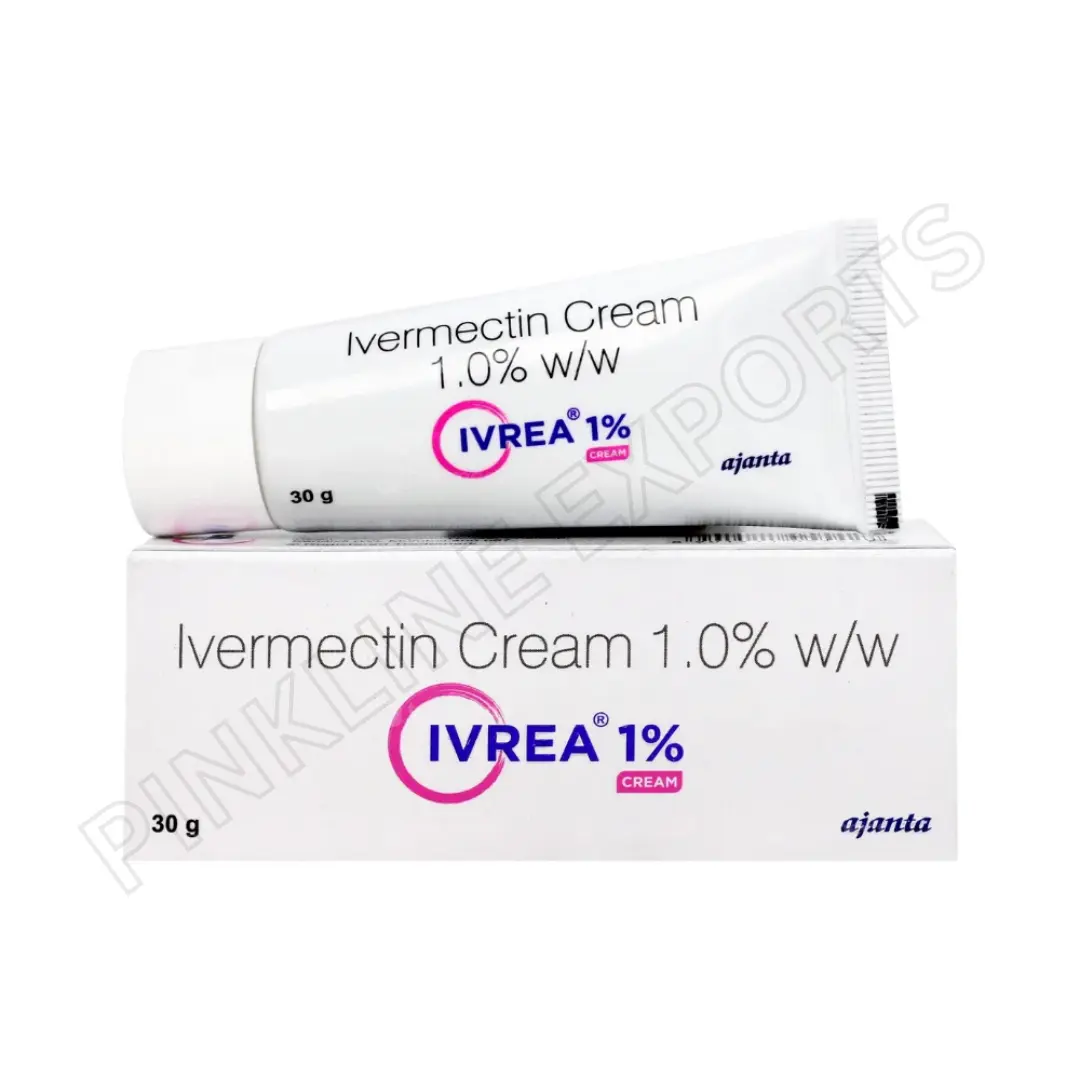
Ivrea – Ivermectin Cream 1% for Skin Parasite and Rosacea Support
Ivrea – Ivermectin Cream 1% is a topical antiparasitic medication formulated to support the management of inflammatory skin conditions associated with microscopic parasites and microbial imbalance. Ivermectin is widely known for its antiparasitic properties and has been used for decades in both oral and topical forms for the treatment of parasitic infections.
Topical ivermectin 1% creams are commonly prescribed by dermatologists for inflammatory skin conditions such as papulopustular rosacea. This condition causes redness, bumps, and inflammation on facial skin. Medical research suggests that topical ivermectin may help reduce skin inflammation while targeting microscopic parasites such as Demodex mites that can contribute to rosacea symptoms.
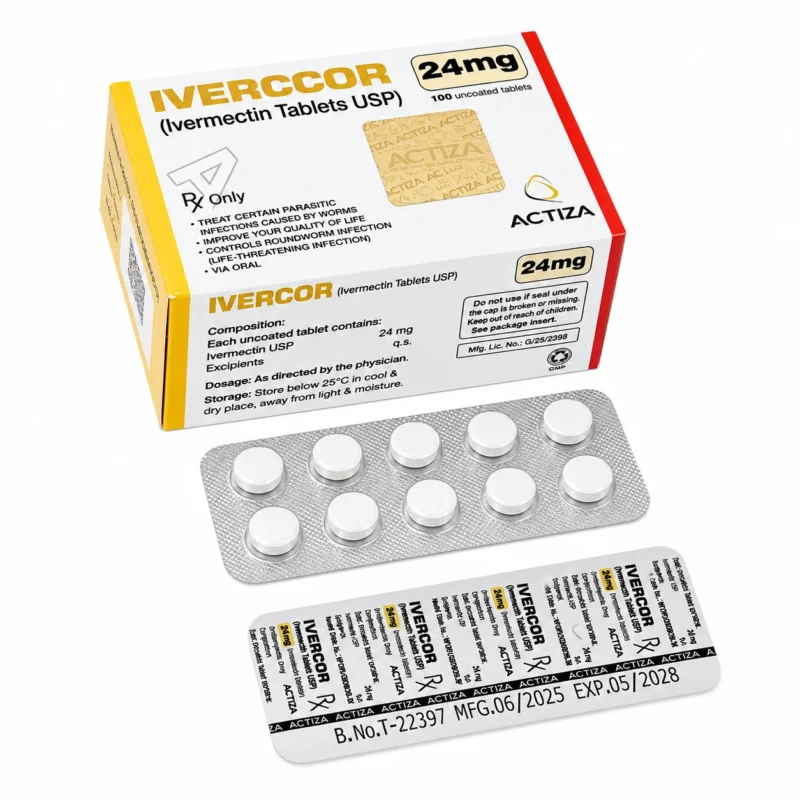
For patients who require systemic antiparasitic therapy, healthcare providers may also prescribe oral ivermectin medications such as Iverheal 6 Mg – Ivermectin, which work throughout the body to treat certain parasitic infections.
In some cases where lower oral doses are appropriate, physicians may consider medications like Iverheal 3 Mg – Ivermectin depending on the treatment plan and patient health status.
What is Ivrea – Ivermectin Cream 1%?
Ivrea – Ivermectin Cream 1% contains ivermectin as its active ingredient and is designed for topical application on the skin. The medication works by targeting parasites and reducing inflammatory responses associated with certain dermatological conditions.
Ivermectin is part of a class of medicines called anthelmintics, which disrupt the nerve and muscle function of parasites. When applied to the skin, ivermectin may reduce the density of microscopic mites and help improve symptoms associated with inflammatory skin disorders.
Dermatologists frequently recommend ivermectin cream for conditions such as papulopustular rosacea, a chronic skin disorder that causes redness, swelling, and acne-like lesions on the face.
Topical ivermectin 1% cream was approved as a dermatologic treatment because it demonstrated significant improvements in inflammatory rosacea lesions in clinical studies.
Why Skin Parasite Management is Important
The skin microbiome contains millions of microorganisms that normally coexist with human skin. However, certain microscopic parasites, including Demodex mites, may become overpopulated and contribute to inflammatory skin conditions.
Rosacea is one of the most common chronic skin conditions associated with inflammation and microbial imbalance. Symptoms may include facial redness, bumps, visible blood vessels, and skin irritation.
Medical researchers have found that ivermectin may help improve rosacea symptoms by reducing parasite density and decreasing inflammatory responses in the skin.
Effective treatment strategies for rosacea often involve topical medications that address both inflammation and underlying microbial factors.
Key Features of Ivrea – Ivermectin Cream 1%
Targeted Topical Treatment
Ivrea – Ivermectin Cream 1% works directly on the affected skin areas, providing localized treatment.
Antiparasitic and Anti-Inflammatory Action
The cream helps reduce parasite populations while supporting the reduction of inflammatory skin lesions.
Dermatologist-Recommended Ingredient
Ivermectin has been widely studied and used in dermatology for inflammatory skin conditions.
Convenient Once-Daily Application
Topical ivermectin creams are typically applied once daily to affected skin areas under medical guidance.
Potential Skin Health Benefits
When used as directed by a healthcare professional, Ivrea – Ivermectin Cream 1% may support:
Reduction of rosacea-related inflammatory lesions
Improvement in facial redness and skin irritation
Control of microscopic skin parasites
Improvement in overall skin appearance
Support for dermatologist-guided rosacea treatment plans
Results may vary between individuals depending on the severity of the skin condition and adherence to treatment recommendations.
Medical Research on Ivermectin in Dermatology
Medical research continues to explore the role of ivermectin in dermatology. Studies have shown that topical ivermectin 1% cream can significantly reduce inflammatory lesions associated with papulopustular rosacea.
Clinical trials have reported that ivermectin cream improved rosacea symptoms in a large percentage of patients after several weeks of treatment.
Researchers believe that ivermectin may help by reducing Demodex mite populations and decreasing inflammatory signals within the skin.
Because of these benefits, ivermectin creams are widely used in dermatology as part of rosacea treatment strategies.
Who May Consider Ivrea – Ivermectin Cream 1%?
Ivrea – Ivermectin Cream 1% may be recommended for individuals who:
Experience inflammatory rosacea symptoms
Have persistent facial redness and papules
Require dermatologist-guided topical therapy
Need treatment targeting skin parasites such as Demodex mites
Are undergoing professional treatment for rosacea
A dermatologist should evaluate the skin condition before recommending topical ivermectin therapy.
Safety and Medical Disclaimer
Ivrea – Ivermectin Cream 1% is intended for external use only and should be applied according to healthcare professional guidance.
Patients should avoid contact with eyes, mouth, and open wounds when applying the cream. Individuals with known allergies to ivermectin or related compounds should consult a healthcare provider before use.
FAQs