Fenbendazole for Human
Fenbendazole is a benzimidazole-based antiparasitic compound widely used in veterinary medicine for the treatment of parasitic worm infections in animals. In recent years, fenbendazole has gained significant online attention among individuals researching alternative wellness approaches and experimental therapies. However, it is important to understand that fenbendazole is not approved for human use by the U.S. FDA and clinical evidence in humans remains limited.
Many users search for fenbendazole online for research purposes related to parasites, wellness support, and experimental anticancer investigations. Always consult a licensed healthcare professional before considering any off-label or experimental therapy.
What Is Fenbendazole?
Fenbendazole belongs to the benzimidazole class of antiparasitic agents. It works by interfering with microtubule formation inside parasitic cells, disrupting their ability to absorb nutrients and survive. The compound has been commonly used in veterinary applications to treat:
- Roundworms
- Hookworms
- Whipworms
- Tapeworms
- Giardia infections in animals
Interest in fenbendazole for human-related research has increased due to preliminary laboratory studies exploring cellular mechanisms and experimental oncology pathways.
Potential Uses Being Researched
Fenbendazole has become a subject of interest in several experimental and preclinical studies. Current areas of investigation include:
- Experimental parasite-related research
- Cellular metabolism studies
- Microtubule inhibition pathways
- Preclinical oncology research
- Alternative wellness investigations
Important: There is currently insufficient clinical evidence to establish fenbendazole as a safe or effective treatment for cancer or other diseases in humans.
How Fenbendazole Works
Fenbendazole primarily works by binding to tubulin proteins within parasites, disrupting the formation of microtubules. This interference blocks glucose uptake and energy metabolism in parasitic organisms, ultimately leading to parasite death.
Researchers have also explored whether similar cellular pathways may influence rapidly dividing cells in laboratory environments. These findings are still under investigation and should not be interpreted as established medical treatment guidance.
Dosage Information
There is no FDA-approved dosage guideline for humans because fenbendazole is not approved for human consumption.
Any dosage information circulating online is considered experimental and unofficial. Self-medication may carry significant health risks, including liver injury, drug interactions, allergic reactions, and other serious complications.
Patients should always seek professional medical advice before taking any unapproved substance.
Possible Side Effects
Reported and potential side effects associated with fenbendazole exposure may include:
- Nausea
- Vomiting
- Abdominal discomfort
- Diarrhea
- Headache
- Dizziness
- Liver enzyme abnormalities
- Fatigue
- Allergic reactions
The safety profile of fenbendazole in humans has not been fully established through large-scale clinical trials.
Warnings & Precautions
- Not approved by the FDA for human use
- Not intended to diagnose, treat, cure, or prevent any disease
- May interact with prescription medications
- Use during pregnancy or breastfeeding has not been established
- Individuals with liver conditions should exercise caution
- Always consult a licensed healthcare professional before use
Storage Instructions
- Store in a cool, dry place
- Protect from direct sunlight
- Keep away from moisture
- Keep out of reach of children and pets
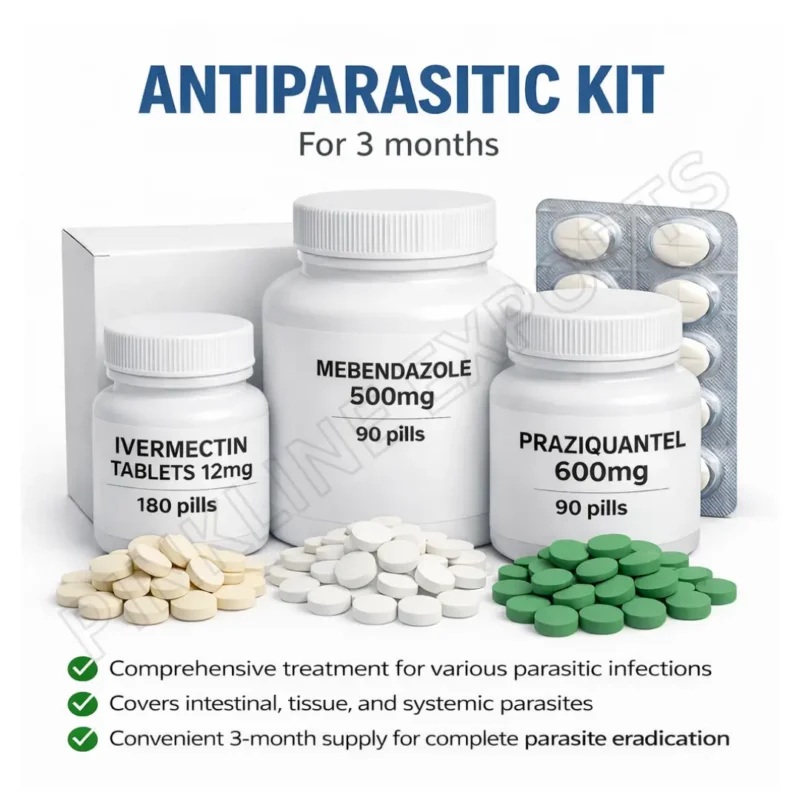
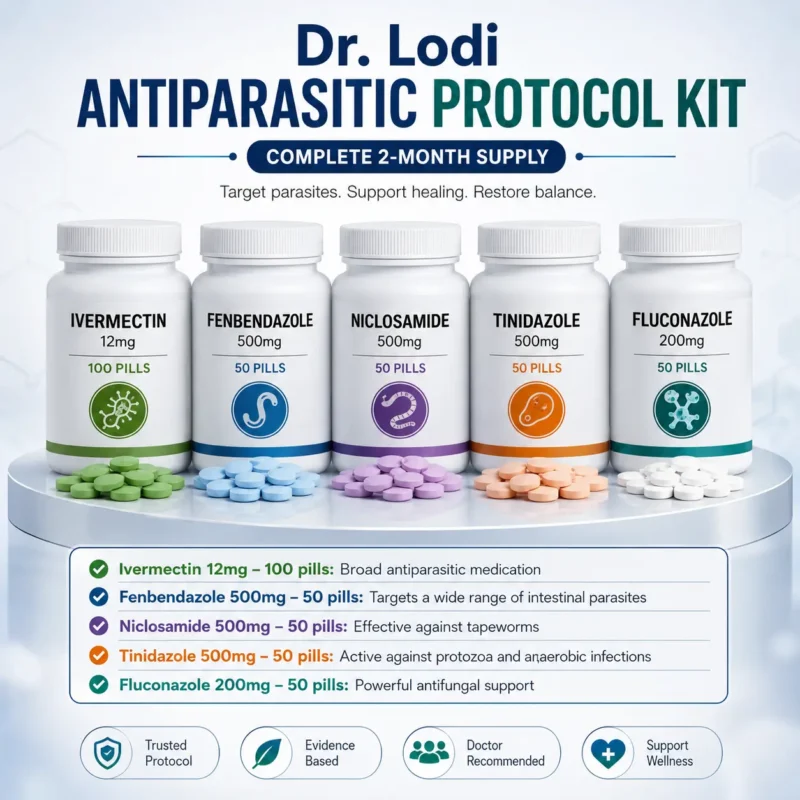
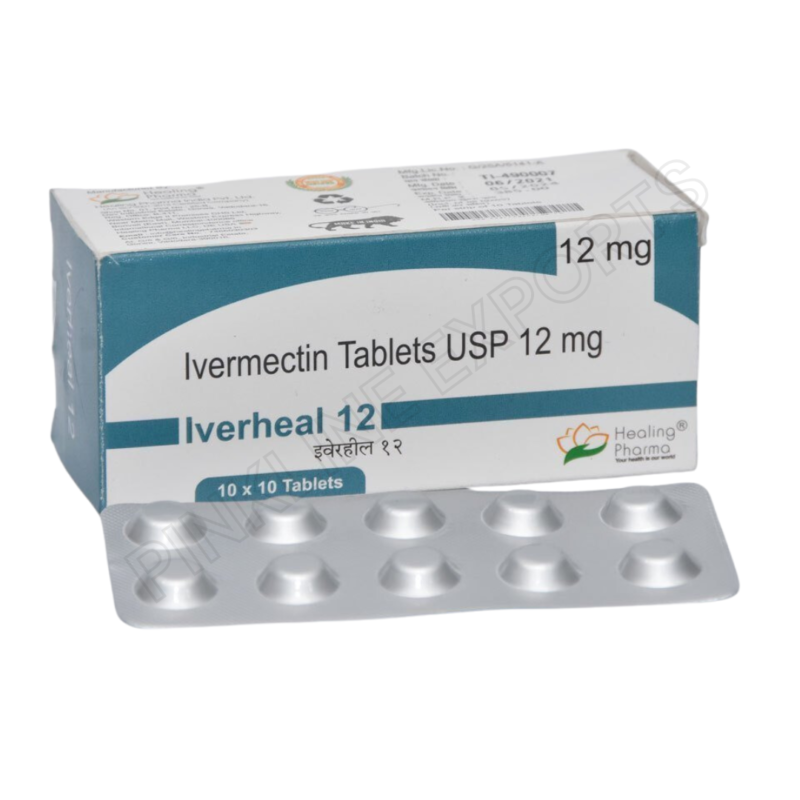
Alternative Medicines
Individuals researching antiparasitic or benzimidazole-related compounds may also explore:
Related Conditions
Frequently Asked Questions (FAQs)
Is fenbendazole approved for humans?
No. Fenbendazole is not approved by the U.S. FDA or EMA for human use.
Why is fenbendazole popular online?
Interest increased after anecdotal discussions and online claims related to experimental wellness and oncology research.
Can fenbendazole treat cancer?
There is currently no conclusive clinical evidence proving fenbendazole can safely or effectively treat cancer in humans.
What class of drug is fenbendazole?
Fenbendazole belongs to the benzimidazole class of antiparasitic medications.
Are there human alternatives to fenbendazole?
Yes. Certain benzimidazole drugs such as mebendazole and albendazole are approved for human use under medical supervision.
Scientific References
Related Blogs
Medical Disclaimer: This content is provided for informational and educational purposes only. Fenbendazole is not approved for human use by the FDA. The information on this page should not be considered medical advice, diagnosis, or treatment guidance. Always consult a qualified healthcare professional before using any medication or experimental compound.











Reviews
There are no reviews yet.