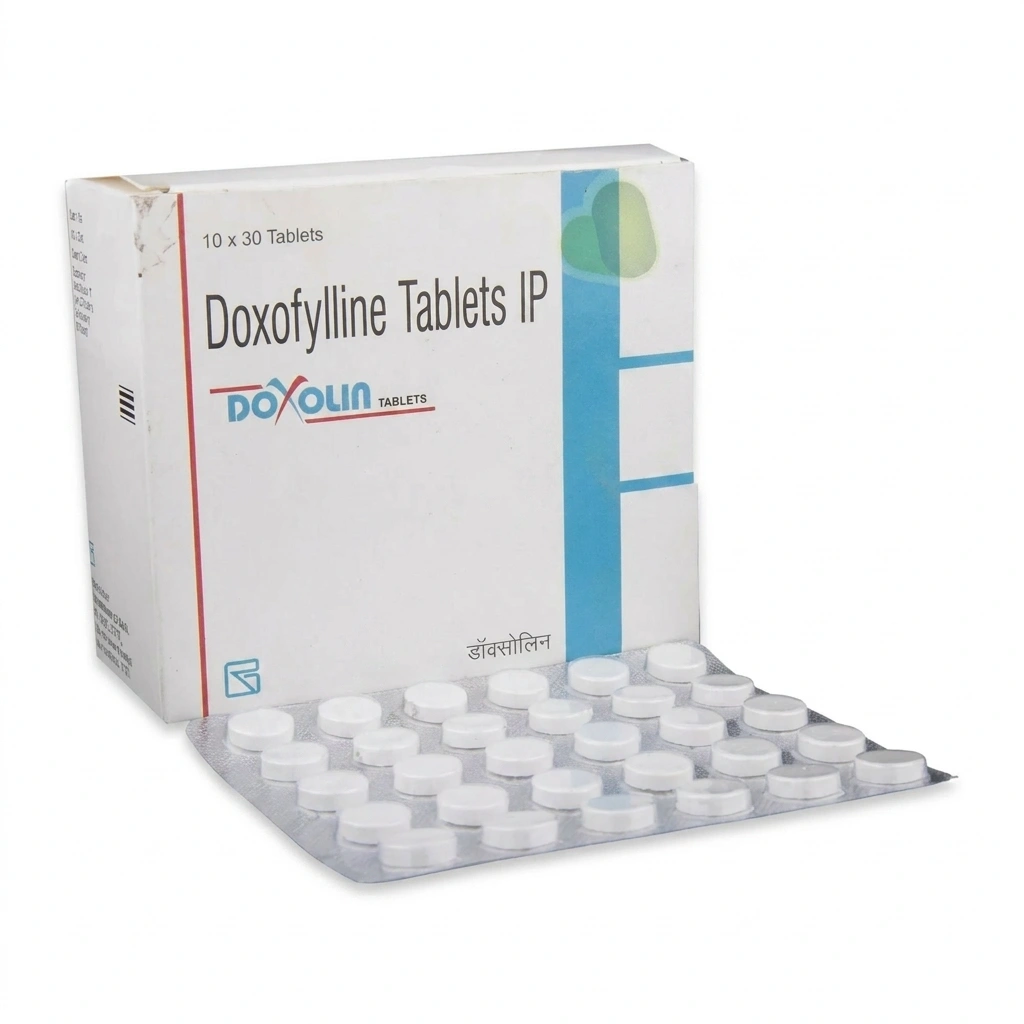
Description
Doxofylline
Doxofylline is a bronchodilator medication commonly prescribed for the management of respiratory conditions such as asthma and chronic obstructive pulmonary disease (COPD). It belongs to the xanthine derivative class and is used to improve airflow by relaxing the smooth muscles of the airways. Compared with traditional methylxanthines, Doxofylline is often associated with a lower incidence of certain central nervous system and gastrointestinal side effects.
This medication is typically prescribed as part of a long-term respiratory management plan and should be used under the supervision of a qualified healthcare professional. Treatment decisions depend on symptom severity, respiratory function, and concurrent medical conditions.
Mechanism of Action
Bronchodilator Activity
Doxofylline works by relaxing bronchial smooth muscles, helping widen the airways and improve breathing. It enhances airflow in patients experiencing airway obstruction associated with asthma or COPD.
Reduced Airway Inflammation
In addition to bronchodilation, Doxofylline may contribute to reducing airway hyperresponsiveness and respiratory discomfort, supporting improved pulmonary function over time.
Approved Medical Uses
Bronchial Asthma
Doxofylline is widely used in the management of bronchial asthma to help reduce wheezing, shortness of breath, and chest tightness.
Chronic Obstructive Pulmonary Disease (COPD)
Patients with chronic obstructive pulmonary disease may receive Doxofylline as part of maintenance therapy to support easier breathing and improve respiratory comfort.
Dosage and Administration
Standard Adult Dosing
Dosage varies according to the severity of respiratory symptoms, patient age, and physician assessment. Tablets are generally taken orally with water, preferably after meals to reduce gastric irritation.
Compliance Importance
Consistent use as prescribed is important for maintaining stable airway function and minimizing respiratory symptom flare-ups.
Clinical Effectiveness
Clinical studies have shown that Doxofylline may improve lung function, reduce bronchospasm episodes, and support better respiratory symptom control in patients with obstructive airway diseases. Many clinicians consider it a useful option for long-term respiratory management when monitored appropriately.
Safety and Side Effects
Common Side Effects
Patients may experience:
- Nausea
- Headache
- Stomach discomfort
- Insomnia
- Dizziness
These side effects are generally mild and may improve during continued treatment.
Serious Risks
Cardiac Effects
In some cases, xanthine derivatives may contribute to palpitations or increased heart rate, particularly at higher doses.
Central Nervous System Stimulation
Rarely, excessive stimulation may lead to tremors, restlessness, or sleep disturbances.
Gastrointestinal Irritation
Some patients may experience gastric discomfort or irritation requiring dose adjustment or medical review.
Safety details available at Mayo Clinic
Contraindications and Precautions
Doxofylline should be used cautiously in individuals with:
- Severe cardiac disease
- Liver impairment
- Peptic ulcer disease
- Seizure disorders
- Hyperthyroidism
A complete medical evaluation is recommended before initiating therapy. The Global Initiative for Asthma (GINA) Guidelines provide evidence-based recommendations regarding asthma management, bronchodilator therapy, and long-term respiratory care approaches.
Drug Interactions
Doxofylline may interact with:
- Certain antibiotics
- Antiepileptic medications
- Other bronchodilators
- Caffeine-containing products
Patients should inform healthcare professionals about all medications and supplements being used to reduce the risk of interactions.
FAQs
1 What is Doxofylline used for?
Doxofylline is primarily used for the treatment and management of respiratory conditions such as bronchial asthma and chronic obstructive pulmonary disease (COPD). It works by relaxing airway muscles, improving airflow, and reducing symptoms including wheezing, breathlessness, chest tightness, and coughing. Physicians may prescribe it as part of maintenance therapy for chronic respiratory disorders. The medication is generally used alongside other respiratory treatments depending on disease severity and patient needs. Regular follow-up appointments and adherence to the prescribed regimen are important for maintaining stable respiratory function and improving quality of life in affected individuals.
2 Is Doxofylline a steroid?
No, Doxofylline is not a steroid medication. It belongs to the xanthine derivative class of bronchodilators. Unlike corticosteroids, which primarily reduce inflammation, Doxofylline mainly works by relaxing the muscles surrounding the airways to improve breathing. It may be prescribed alone or together with inhaled corticosteroids and other asthma or COPD medications. Because it is not a steroid, it does not carry some steroid-related risks such as long-term bone loss or immune suppression. However, patients should still use the medication exactly as prescribed and consult healthcare professionals regarding potential side effects or drug interactions.
3 What are the common side effects of Doxofylline?
Common side effects of Doxofylline may include nausea, stomach discomfort, headache, dizziness, insomnia, and mild gastrointestinal irritation. Some individuals may also experience restlessness or increased heart rate, especially if sensitive to xanthine medications. Most side effects are mild and improve as the body adjusts to treatment. Taking the medication after meals may help reduce stomach-related discomfort. Patients should immediately seek medical attention if they experience severe palpitations, persistent vomiting, breathing difficulties, or unusual neurological symptoms. Regular medical supervision helps ensure safe use and early identification of any adverse reactions during treatment.
4 Can Doxofylline be used for COPD?
Yes, Doxofylline is commonly prescribed as part of maintenance therapy for chronic obstructive pulmonary disease (COPD). The medication helps relax airway muscles, making breathing easier and reducing respiratory symptoms such as wheezing and breathlessness. It may improve lung function and support better symptom control in some COPD patients. Physicians may combine it with inhalers, corticosteroids, or other respiratory therapies depending on disease severity. COPD management also includes smoking cessation, pulmonary rehabilitation, vaccinations, and lifestyle adjustments. Patients should continue regular monitoring and follow medical guidance carefully to achieve the best long-term respiratory outcomes during treatment.
5 Can Doxofylline be taken with inhalers?
Yes, Doxofylline is often used together with inhalers in the treatment of asthma and COPD. Combination therapy may include bronchodilator inhalers, corticosteroid inhalers, or rescue inhalers depending on the patient’s respiratory condition. Using multiple therapies together can improve symptom control and support better lung function. However, medication combinations should always be prescribed and monitored by a healthcare professional to avoid excessive stimulation or unwanted interactions. Patients should follow dosing instructions carefully and report symptoms such as rapid heartbeat, severe tremors, or worsening breathing problems promptly to their healthcare provider for appropriate evaluation and treatment adjustment.