
.svg)



- Erectile dysfunction
- HIV
- Oncology
- Hepatitis
- Urology
- Covid 19
- All Categories
Cancer Care
Infection Care
Lifestyle Conditions
Mens Health & Sexual Wellness
Women's Healthcare
Mental Health
Skin Care
Hair Care
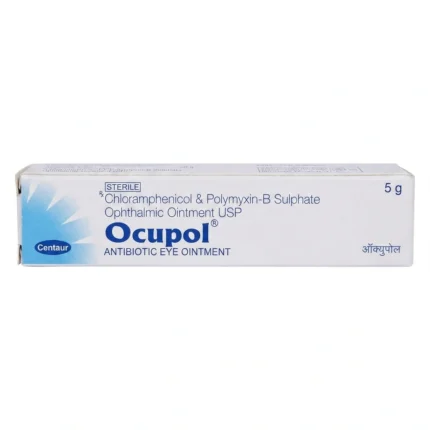
Chlorocol 3 gm is an ophthalmic antibiotic ointment used for the treatment of bacterial eye infections. It helps reduce bacterial growth, relieve eye irritation, and support recovery of infected ocular tissues under physician supervision.
Chlorocol 3 gm is an ophthalmic antibiotic preparation commonly prescribed for the treatment and management of bacterial eye infections. Antibiotic eye ointments containing chloramphenicol or similar antibacterial agents are widely used in ophthalmology to help eliminate susceptible bacteria affecting the eyes and surrounding tissues. The medication supports infection control and may help relieve symptoms such as redness, irritation, swelling, and discharge associated with bacterial ocular infections.
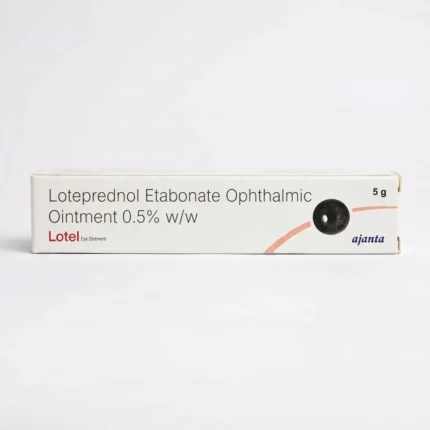
This medication should be used only under the supervision of a qualified healthcare professional. Proper hygiene and correct application techniques are important to ensure effective treatment and minimize contamination risks. Explore detailed information about Lotel Eye Ointment 5 gm, including ophthalmic anti-inflammatory therapy, eye irritation management, and ocular treatment guidance.
Chlorocol 3 gm works by inhibiting bacterial protein synthesis, preventing bacteria from growing and multiplying within infected ocular tissues.
By reducing bacterial activity, the medication helps improve eye comfort and supports recovery from bacterial eye infections.
Chlorocol 3 gm is commonly prescribed for bacterial conjunctivitis and other susceptible bacterial infections affecting the eye surface.
The medication may also be used for infections involving eyelids or superficial external ocular tissues under ophthalmologist supervision.
The ointment is generally applied inside the lower eyelid of the affected eye according to physician instructions. Hands should be washed thoroughly before and after application.
Patients should avoid touching the ointment tip directly to the eye or surrounding surfaces to reduce contamination risk.
Clinical ophthalmic use suggests that Chlorocol 3 gm may help reduce bacterial eye infection symptoms, support faster recovery, and improve ocular comfort when used appropriately.
Patients may experience:
These reactions are generally temporary and mild.
Rare hypersensitivity reactions including swelling, severe redness, rash, or itching may require immediate medical attention.
Improper or prolonged use of ophthalmic antibiotics may contribute to bacterial resistance development.
Very rarely, chloramphenicol-containing products have been associated with serious hematologic complications when improperly used.
Safety information available at Mayo Clinic
Chlorocol 3 gm should be used cautiously in individuals with:
Patients should use the medication only as prescribed by healthcare professionals.
Chlorocol 3 gm may interact with:
Healthcare providers should be informed about all ophthalmic products currently in use. The American Academy of Ophthalmology provides evidence-based guidance regarding eye infections, ophthalmic medication safety, and ocular health management.
Chlorocol 3 gm is commonly prescribed for bacterial eye infections such as bacterial conjunctivitis and superficial external eye infections. The medication works by stopping bacterial growth and helping reduce symptoms including redness, swelling, discharge, irritation, and discomfort. Ophthalmologists may also recommend it for certain eyelid infections involving susceptible bacteria. Proper hygiene and careful application are important during treatment to prevent spreading infection. Patients should complete the full prescribed course even if symptoms improve earlier. Persistent pain, worsening redness, visual changes, or severe irritation require prompt ophthalmologic evaluation for proper management and treatment adjustment if necessary.
Chlorocol 3 gm may help improve eye redness if the redness is caused by a bacterial infection. The antibiotic action helps control bacterial growth and reduce infection-related inflammation affecting the eyes. However, eye redness may also result from allergies, viral infections, dry eyes, glaucoma, or environmental irritation. Using antibiotic eye medications without proper diagnosis is not recommended because inappropriate use may delay correct treatment. Patients experiencing severe pain, blurred vision, light sensitivity, or persistent redness should seek medical evaluation promptly. An ophthalmologist can determine the underlying cause and recommend the most appropriate treatment approach for ocular symptoms.
Common side effects of Chlorocol 3 gm may include mild burning sensation, temporary blurred vision, eye irritation, redness, or watery eyes after application. These effects are usually temporary and improve shortly after use. Rarely, allergic reactions such as severe swelling, itching, rash, or worsening irritation may occur and require immediate medical attention. Improper or prolonged use of antibiotic eye medications may contribute to antibiotic resistance or secondary infections. Patients should follow physician instructions carefully and report persistent discomfort, worsening symptoms, or visual changes promptly. Regular ophthalmologic supervision helps support safe and effective treatment during therapy.
Patients are generally advised to avoid wearing contact lenses while using Chlorocol 3 gm for active eye infections. Contact lenses may worsen irritation, interfere with healing, or increase the risk of spreading infection. Some ophthalmic medications may also interact with contact lens materials or preservatives. Ophthalmologists usually recommend resuming contact lens use only after the infection has completely resolved and treatment has finished. Proper contact lens hygiene and replacement of contaminated lenses or storage cases may also be necessary. Following professional guidance carefully helps support safer recovery and reduces the risk of recurrent eye infections or complications.
Chlorocol 3 gm should be applied exactly as directed by a healthcare professional. Patients should wash their hands thoroughly before and after application and avoid touching the ointment tip directly to the eye or surrounding surfaces. The ointment is usually placed gently inside the lower eyelid of the affected eye. Temporary blurred vision may occur immediately after application, so patients should avoid driving or operating machinery until vision clears. Completing the full prescribed treatment course is important even if symptoms improve earlier. Any worsening pain, swelling, discharge, or visual disturbances should be reported promptly to an ophthalmologist.





Reviews
There are no reviews yet.