

Prescription Acne Treatment in Australia: Dermatologist Costs, Tretinoin and Other Options

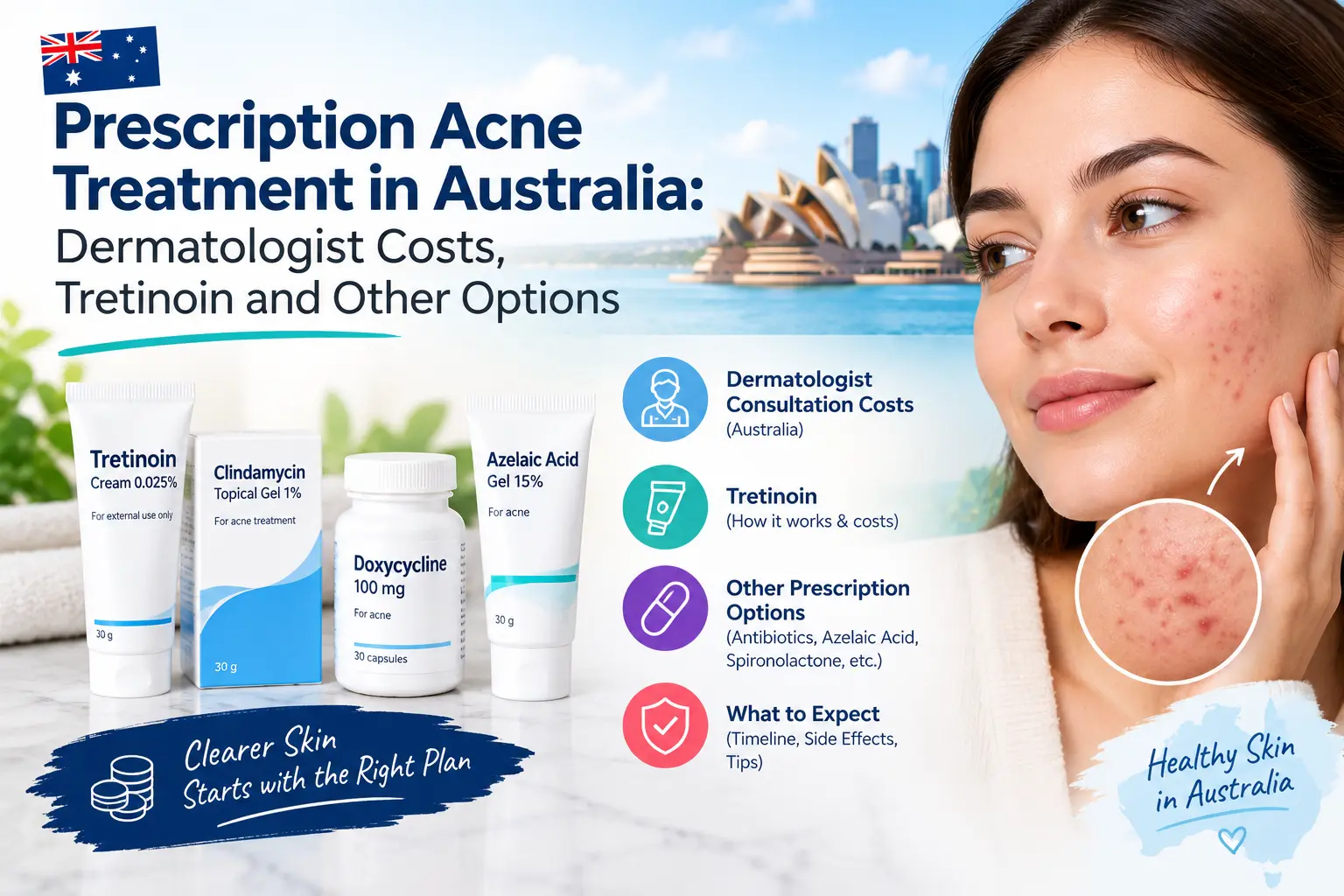
Prescription Acne Treatment in Australia: Dermatologist Costs, Tretinoin and Other Options
A clear breakdown of Medicare rebates, specialist fees, topical retinoid protocols, oral therapies, and practical steps to navigate prescription acne care down under.
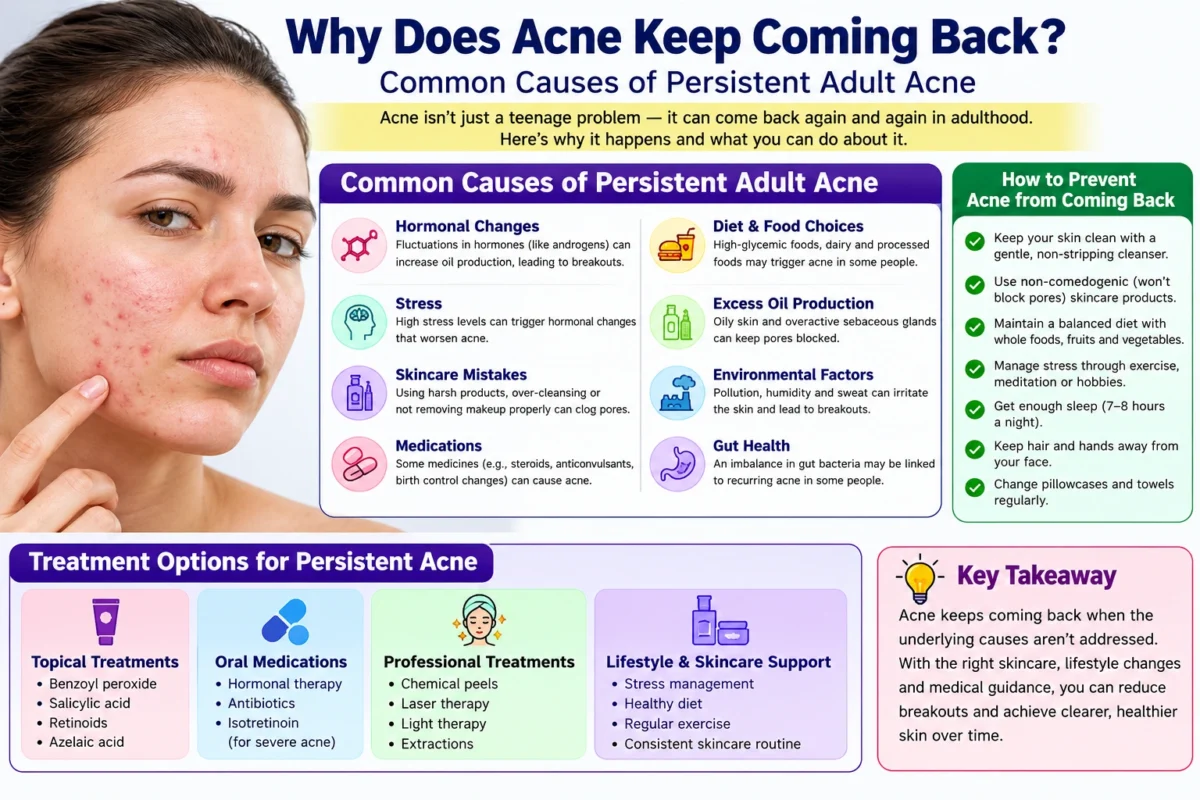
Acne vulgaris is one of the most common dermatological complaints across Australia, affecting adolescents and adults alike. While over-the-counter washes, salicylic acid toners, and cosmetic serums line chemist shelves, moderate, cystic, or scarring acne frequently requires medical intervention. In Australia, obtaining medical-grade treatment involves a structured healthcare pathway that connects General Practitioners (GPs), community pharmacists, and Fellow of the Australasian College of Dermatologists (FACD) specialists.
Navigating this system, however, raises practical questions: How much does a private dermatologist consultation cost after Medicare rebates? When is a prescription topical retinoid like tretinoin indicated over oral antibiotics or isotretinoin? And how does the Pharmaceutical Benefits Scheme (PBS) impact medication affordability? This guide provides a detailed look at the financial realities, therapeutic mechanisms, and clinical options available for prescription acne care in Australia.
Key Australian Healthcare Pathway: To access a Medicare rebate for a specialist dermatologist appointment, patients must secure a valid GP referral beforehand. While seeing a dermatologist without a referral is legally permitted, the entire consultation fee must then be paid fully out-of-pocket without government rebate support.
1. Australian Dermatologist Costs & Medicare Rebates
Specialist dermatology services in Australia operate primarily in private outpatient settings. Because specialists set their own consultation rates, fees vary significantly depending on geographic location, clinical prestige, and whether appointments are conducted in-person or via telehealth.
Understanding out-of-pocket expenses requires looking at the gap between the clinic’s private fee and the standard Medicare Benefits Schedule (MBS) rebate:
Initial Specialist Consultation
Private fees generally range between $260 and $360 AUD. With a valid GP referral, Medicare reimburses approximately $88.40 AUD (MBS Item 104), leaving an average out-of-pocket gap of $170 to $270 AUD.
Subsequent Follow-Up Visits
Review consultations typically cost between $180 and $260 AUD. The corresponding Medicare rebate is approximately $44.45 AUD (MBS Item 105), resulting in an out-of-pocket expense of $135 to $215 AUD per visit.
GP Referral Validity
A standard GP referral remains valid for 12 months from the date of the first specialist visit for that specific condition. Referrals from one specialist to another only remain active for three months.
By Australian law, private health insurance does not cover out-of-hospital doctor consultations or standard prescription medicines collected at a chemist. Consequently, consultation gap fees are funded out-of-pocket unless a patient has reached the Medicare Safety Net threshold for the calendar year.
2. The Australian Stepped-Care Model: GP vs. Specialist
Clinical practice guidelines outlined by the Australasian College of Dermatologists recommend a stepped-care hierarchy for acne vulgaris. Most patients start care with their local GP before considering a specialist referral:
- Mild to Moderate Comedonal/Papular Acne: Managed primarily at the primary care (GP) level. Doctors assess skin barrier integrity, prescribe topical retinoids or fixed-dose combinations, and advise on basic non-comedogenic skincare.
- Moderate Inflammatory Acne: If topicals alone yield incomplete clearance after 8 to 12 weeks, GPs commonly introduce short courses of oral tetracyclines or recommend targeted hormonal therapies for female patients.
- Severe, Nodulocystic, or Scarring Acne: Trigger for specialist referral. In Australia, initiating oral isotretinoin under the PBS is strictly restricted to accredited dermatologists who closely supervise systemic laboratory monitoring.
To explore clinical classifications and visual diagnostics across follicular conditions, review resources provided by DermNet NZ.
3. Topical Retinoids: Tretinoin Mechanisms & Formulations
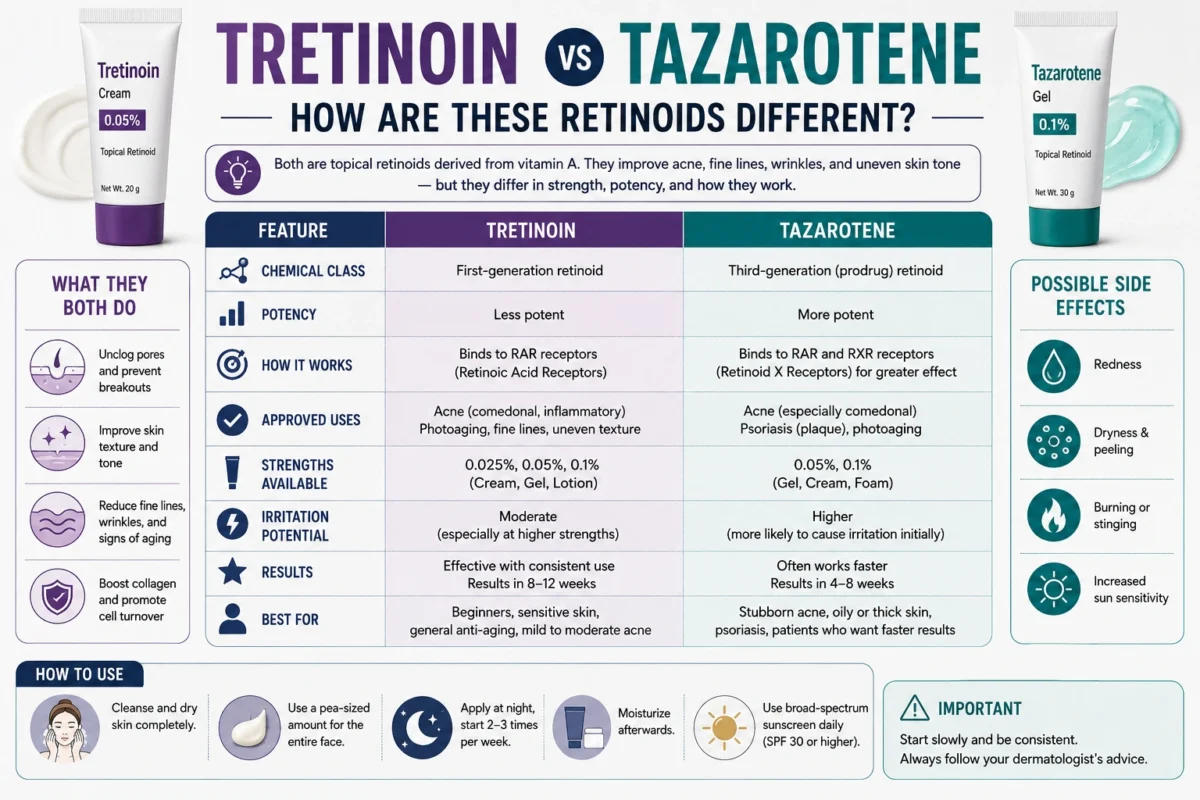
Topical retinoids remain the cornerstone of comedolytic maintenance therapy. Tretinoin (all-trans retinoic acid) binds directly to retinoic acid receptors (RARs) within epidermal keratinocytes, accelerating cell turnover and preventing microcomedone formation inside pilosebaceous units.
For patients with oily or resilient skin prone to clogged pores, choosing an alcohol-free, fast-absorbing gel formulation like Tretinoin Gel 0.025% offers an effective entry-level strength. The 0.025% concentration stimulates follicular desquamation while keeping skin barrier irritation lower than higher-strength formulas.
| Topical Retinoid Class | Active Compounds | Vehicle Options | Primary Clinical Focus |
|---|---|---|---|
| First Generation | Tretinoin | Creams (0.025%–0.1%), Gels (0.025%–0.05%) | Comedolytic clearance, cellular turnover, and post-inflammatory erythema. |
| Third Generation | Adapalene | Gels (0.1%), Lotions | Targeted receptor binding; lower initial cutaneous irritation profile. |
| Fourth Generation | Trifarotene | Creams (50 mcg/g) | Selective RAR-γ targeting; suited for extensive facial and truncal acne. |
| Fixed Combinations | Adapalene + Benzoyl Peroxide / Clindamycin | Gels | Dual-action approaches addressing both hyperkeratinisation and bacterial proliferation. |
For individuals building a tailored regimen or looking to supplement medical prescriptions with barrier-supporting cleansers and targeted actives, explore comprehensive portfolios dedicated to acne treatment solutions.
4. Beyond Topicals: Oral Antibiotics, Hormonal Agents & Isotretinoin
When acne involves deep dermal inflammation, wide surface distribution across the chest and back, or significant risk of permanent atrophic scarring, topical therapy is often paired with systemic treatments.
Oral Antibiotics
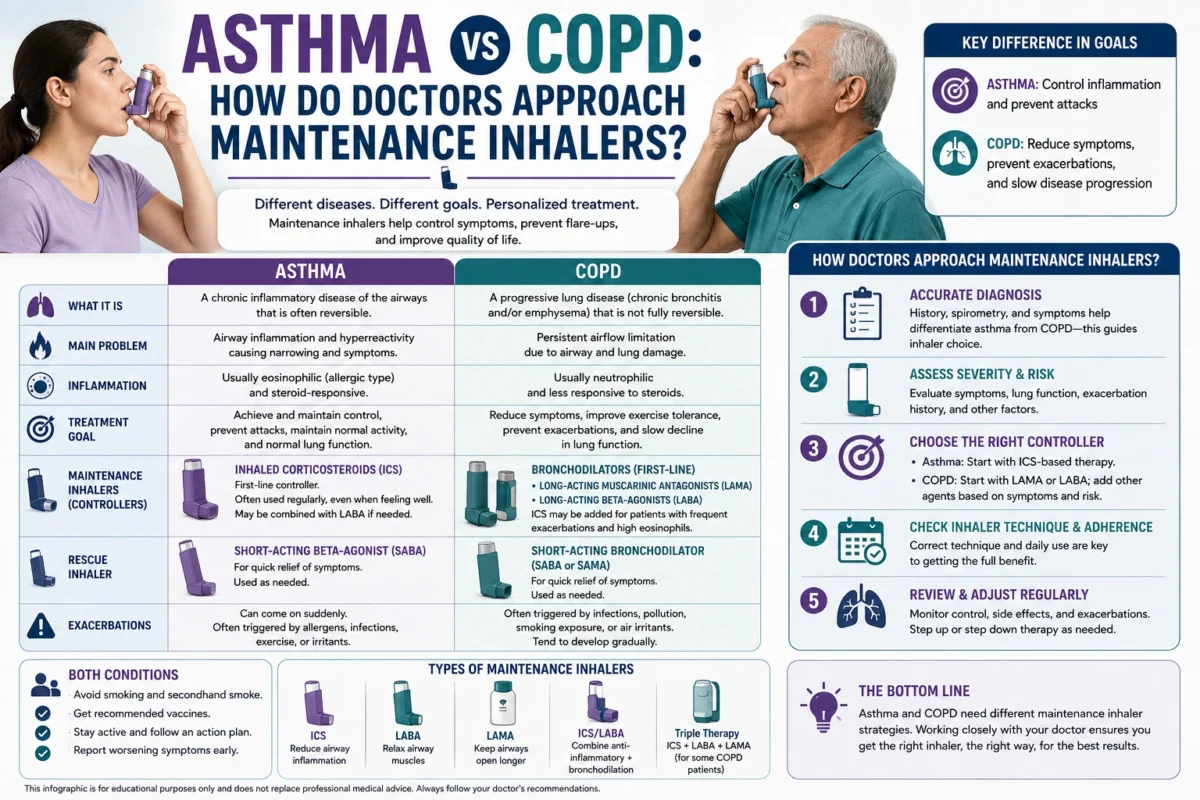
Doxycycline (50 mg to 100 mg daily) and minocycline represent the most commonly prescribed oral antibiotics for inflammatory acne in Australia. Their utility stems primarily from their anti-inflammatory properties rather than simple bacterial eradication. To limit antibiotic resistance, clinical guidelines recommend restricting courses to 12 weeks while maintaining concurrent topical retinoid therapy.
Hormonal Interventions (Females Only)
Combined oral contraceptive pills (COCPs) containing anti-androgenic progestins (such as cyproterone acetate or drospirenone) help suppress ovarian androgen production, reducing sebum output. Spironolactone—an aldosterone antagonist that blocks peripheral androgen receptors—is also widely prescribed off-label by Australian doctors for hormonal jawline acne.
Oral Isotretinoin Restrictions & Safety: Oral isotretinoin is a powerful systemic retinoid reserved for severe, recalcitrant acne. In Australia, initiating PBS-subsidized isotretinoin requires an accredited dermatologist. Because isotretinoin is teratogenic, female patients must adhere to strict contraception protocols, complete baseline pregnancy tests, and undergo regular liver function and lipid panel monitoring throughout therapy.
For detailed clinical guidance on retinoid safety, mechanism differences, and systemic side-effect monitoring, consult monographs provided by DermNet NZ’s Retinoid Guide.
5. Pharmaceutical Benefits Scheme (PBS) vs. Private Script Costs
Medication affordability in Australia depends heavily on whether a prescribed item is listed on the Pharmaceutical Benefits Scheme (PBS) or dispensed as a private, non-subsidized prescription.
| Medication Category | PBS Status | Typical Patient Cost (PBS) | Typical Private Script Cost |
|---|---|---|---|
| Tretinoin Creams / Gels | Generally Non-PBS (Private Script) | N/A (Full price paid) | $60 – $90 AUD per 50g tube |
| Adapalene / Epiduo Gel | Selected Listings / Private | PBS co-payment if criteria met | $55 – $85 AUD per pump/tube |
| Oral Doxycycline (100mg) | PBS Listed | Standard co-payment (~$31.60 AUD) | $15 – $25 AUD (often below co-pay) |
| Oral Isotretinoin (PBS Approved) | PBS Listed (Specialist Only) | Standard co-payment per box | $70 – $110 AUD per box if private |
Concession card holders pay a reduced PBS co-payment rate. For non-subsidized private prescriptions, prices can vary between community pharmacies, making it sensible to compare prices between independent chemists and larger discount pharmacy chains.
6. Practical Guide: Managing the “Retinoid Purge” Safely
Starting topical tretinoin often triggers an initial “retinization” phase characterized by redness, flaking skin, and temporary acne flare-ups. Following a structured application routine helps minimize discomfort and protects the skin barrier.
- Gentle Evening Cleansing: Wash the face with a soap-free, non-foaming cleanser. Pat dry with a clean towel and wait 15 minutes before applying medication. Applying retinoids to damp skin increases penetration rates and can cause stinging.
- The Pea-Sized Measure: Use a single pea-sized amount for the entire face. Dab the product onto the forehead, cheeks, and chin before smoothing it outward, keeping it clear of the immediate eye contour, nostrils, and lips.
- The “Sandwich” Buffering Technique: For sensitive complexions, apply a thin layer of ceramide-rich moisturizer first, allow it to absorb for 5 minutes, apply your tretinoin gel, and follow with an additional layer of moisturizer.
- Slow Frequency Titration: Apply the medication twice weekly for the first fortnight. Increase to alternate nights for weeks three and four, moving to nightly use only if no persistent erythema or peeling occurs.
- Daily Sun Protection: Retinoids accelerate cell turnover and can make skin more sensitive to UV radiation. Apply a broad-spectrum, non-comedogenic sunscreen (SPF 50+) every morning, particularly under Australia’s intense UV conditions.
7. Conclusion & Summary Matrix
Treating moderate to severe acne in Australia requires understanding both clinical options and the healthcare system. Starting with a GP consultation allows patients to trial effective prescription topicals like tretinoin gel or oral antibiotics while securing a specialist referral if more advanced care is required.
While private dermatologist consultation fees involve out-of-pocket costs beyond the standard Medicare rebate, specialist care is essential for severe or scarring conditions requiring oral isotretinoin. By combining evidence-based prescriptions, proactive skin barrier care, and consistent sun protection, patients can clear active breakouts, prevent scarring, and maintain healthy skin over the long term.