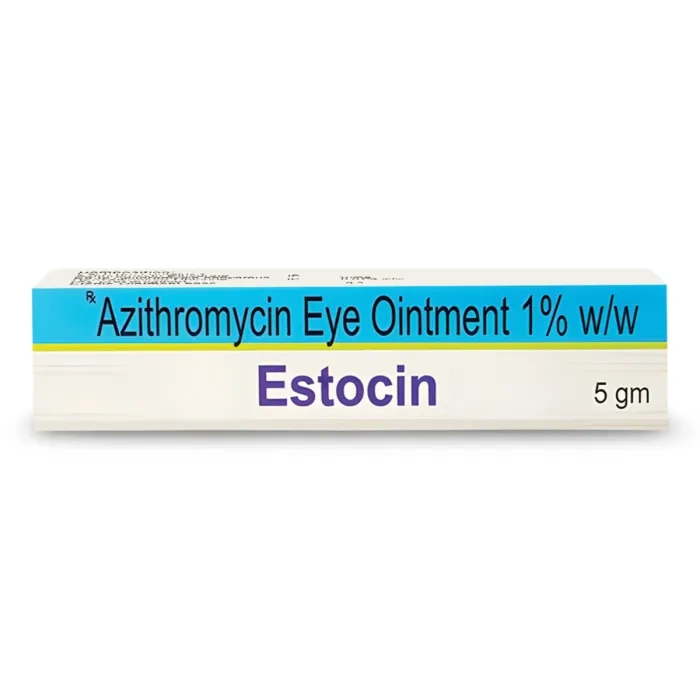
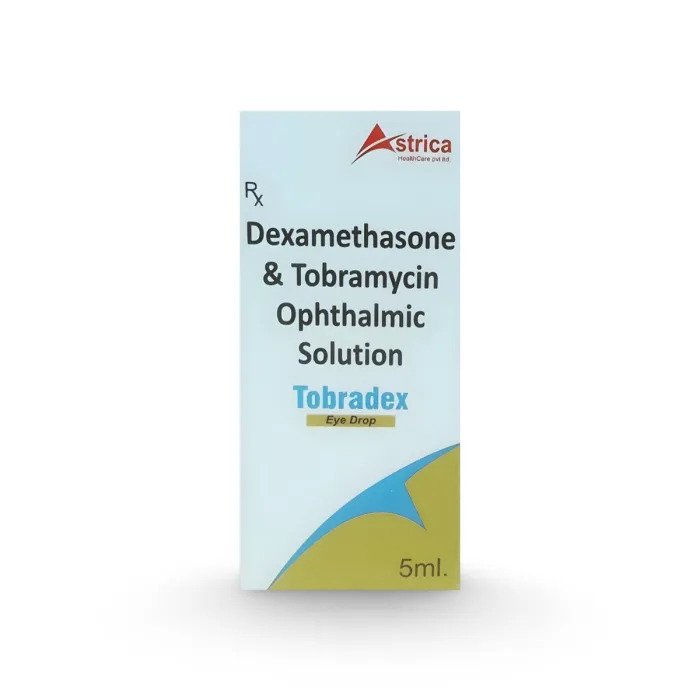
Estocin 5 gm

Estocin 5 gm is an ophthalmic medication used for the treatment of bacterial eye infections and associated ocular inflammation. It helps reduce bacterial growth, relieve eye irritation, and support recovery of affected eye tissues under physician supervision.

Category:

Description

Estocin 5 gm

Estocin 5 gm is an ophthalmic medication commonly prescribed for the treatment and management of bacterial eye infections and associated ocular inflammation. Combination eye ointments containing antibacterial and anti-inflammatory agents are widely used in ophthalmology to help control infection, reduce irritation, and improve patient comfort. These formulations are generally recommended under the supervision of a qualified healthcare professional for selected eye conditions requiring both antimicrobial and inflammatory management.

Proper hygiene, careful application, and adherence to the prescribed treatment duration are important for effective infection control and ocular safety during therapy.

Mechanism of Action

Antibacterial Activity

Estocin 5 gm helps inhibit bacterial growth within infected eye tissues, reducing bacterial load and supporting infection control.

Anti-Inflammatory Support

The anti-inflammatory component helps reduce redness, swelling, irritation, and discomfort associated with ocular inflammation and infection.

Approved Medical Uses

Bacterial Eye Infections

Estocin 5 gm is commonly prescribed for bacterial conjunctivitis and superficial bacterial infections affecting the eyes and eyelids.

Ocular Inflammation Management

The medication may also be recommended for inflammatory eye conditions associated with bacterial infections under ophthalmologist supervision.

Dosage and Administration

Ophthalmic Application Guidance

The ointment is generally applied inside the lower eyelid of the affected eye according to physician instructions. Hands should be washed thoroughly before and after use.

Avoiding Contamination

Patients should avoid touching the ointment tip directly to the eye or surrounding surfaces to minimize contamination risk.

Clinical Effectiveness

Clinical ophthalmic use suggests that Estocin 5 gm may help reduce bacterial infection symptoms, improve eye comfort, and support recovery when used appropriately under medical supervision.

Safety and Side Effects

Common Side Effects

Patients may experience:

  • Temporary blurred vision
  • Mild burning sensation
  • Eye irritation
  • Redness
  • Watery eyes

These effects are generally temporary and mild.

Serious Risks

Allergic Reactions

Rare hypersensitivity reactions including swelling, rash, itching, or severe irritation may require immediate medical attention.

Increased Intraocular Pressure

Prolonged corticosteroid-containing ophthalmic therapy may increase intraocular pressure in susceptible individuals.

Secondary Eye Infections

Improper or prolonged use may increase the risk of secondary fungal or viral eye infections.

Safety information available at Mayo Clinic

Contraindications and Precautions

Estocin 5 gm should be used cautiously in individuals with:

  • Viral or fungal eye infections
  • Glaucoma
  • Allergy to ophthalmic antibiotics or corticosteroids
  • Severe unexplained ocular irritation

Patients should use the medication only under ophthalmologist supervision.

Drug Interactions

Estocin 5 gm may interact with:

  • Other ophthalmic medications
  • Steroid eye products
  • Lubricating eye preparations
  • Contact lens solutions

Healthcare providers should be informed about all ongoing ophthalmic therapies.

FAQs

1 What is Estocin 5 gm used for?

Estocin 5 gm is commonly prescribed for bacterial eye infections and associated inflammatory eye conditions affecting the conjunctiva, eyelids, or superficial ocular tissues. The medication helps control bacterial growth while reducing redness, irritation, swelling, and discomfort linked to infection-related inflammation. Ophthalmologists may recommend it for selected eye conditions requiring combined antibacterial and anti-inflammatory treatment. Proper hygiene and adherence to physician instructions are important for achieving effective results. Patients should complete the prescribed treatment duration even if symptoms improve early. Persistent pain, worsening redness, or visual changes should be evaluated promptly by an ophthalmologist.

2 Can Estocin 5 gm help eye redness?

Yes, Estocin 5 gm may help reduce eye redness when the redness is associated with bacterial infection or ocular inflammation. The antibacterial component works to control infection while the anti-inflammatory component helps reduce swelling and irritation contributing to redness. However, eye redness can also result from allergies, dry eyes, glaucoma, or viral infections. Using ophthalmic medications without proper diagnosis is not recommended because inappropriate treatment may worsen some eye conditions. Patients experiencing severe pain, blurred vision, light sensitivity, or persistent redness should seek prompt ophthalmologic evaluation for proper diagnosis and treatment guidance.


3 What are the side effects of Estocin 5 gm?

Common side effects of Estocin 5 gm may include temporary blurred vision, mild burning sensation, watery eyes, redness, or mild irritation immediately after application. These effects are generally temporary and improve shortly after use. Rarely, allergic reactions such as swelling, severe itching, rash, or worsening irritation may occur and require medical attention. If corticosteroid-containing formulations are used for prolonged periods, risks such as increased intraocular pressure or secondary infections may occur. Patients should follow physician instructions carefully and avoid prolonged unsupervised use. Persistent discomfort or visual changes should be reported promptly to an ophthalmologist.


4 Can Estocin 5 gm be used with contact lenses?

Patients are generally advised to avoid wearing contact lenses while using Estocin 5 gm for active eye infections or inflammation. Contact lenses may worsen irritation, interfere with healing, or increase the risk of spreading infection. Some ophthalmic medications may also interact with contact lens materials or preservatives. Ophthalmologists usually recommend restarting contact lens use only after symptoms have fully resolved and treatment has ended. Proper contact lens hygiene and replacement of contaminated lenses or storage cases may also be necessary. Following professional medical guidance carefully helps support safer recovery and reduces the risk of recurrent eye complications.


5 How should Estocin 5 gm be applied?

Estocin 5 gm should be applied exactly as directed by a healthcare professional. Patients should wash their hands thoroughly before and after application and avoid touching the ointment tip directly to the eye or surrounding surfaces to reduce contamination risk. The ointment is usually placed gently inside the lower eyelid of the affected eye. Temporary blurred vision may occur immediately after use, so caution is advised while driving or performing activities requiring clear vision. Completing the full prescribed treatment course is important even if symptoms improve earlier. Any worsening pain, swelling, or visual disturbances should be reported promptly to an ophthalmologist.


Reviews

There are no reviews yet.

Be the first to review “Estocin 5 gm”

Your email address will not be published. Required fields are marked *