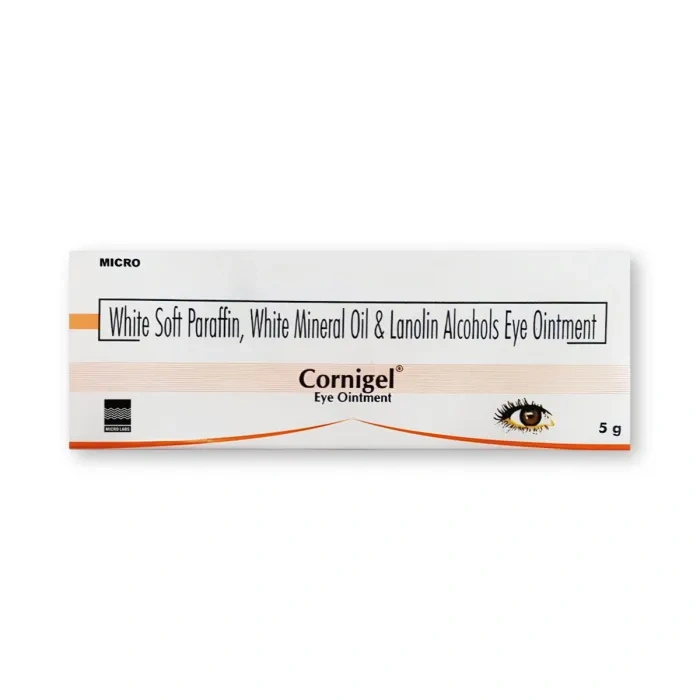
Cornigel 5 gm

Cornigel 5 gm is an ophthalmic lubricating gel used to support eye hydration, relieve dryness, and promote ocular surface comfort. It may also assist corneal healing and eye protection under ophthalmologist supervision.

Category:

Description

Cornigel 5 gm

Cornigel 5 gm is an ophthalmic lubricating gel commonly used to support eye surface hydration and promote healing in conditions involving corneal irritation, dryness, or minor ocular surface injury. Eye gels containing dexpanthenol or similar moisturizing agents are widely used in ophthalmology to help protect delicate eye tissues and improve ocular comfort. The formulation is generally recommended under medical guidance for short-term or supportive eye care management.

Proper application technique, eye hygiene, and adherence to ophthalmologist recommendations are important for achieving effective results and maintaining ocular safety during treatment.

Mechanism of Action

Ocular Surface Hydration

Cornigel 5 gm helps maintain moisture on the eye surface, supporting lubrication and reducing discomfort associated with dryness or irritation.

Corneal Tissue Support

The gel formulation may support natural healing processes and help protect the corneal surface from additional irritation or environmental stress.

Approved Medical Uses

Dry Eye and Ocular Irritation

Cornigel 5 gm is commonly used to relieve symptoms of dry eyes, burning sensation, foreign body sensation, and mild ocular irritation.

Corneal Surface Support

The medication may also be recommended to support healing in minor corneal injuries, superficial abrasions, or post-procedure eye care under ophthalmologist supervision.

Dosage and Administration

Ophthalmic Application Guidance

The gel is generally applied inside the lower eyelid of the affected eye according to physician instructions. Hands should be washed thoroughly before and after use.

Hygiene Precautions

Patients should avoid touching the gel tip directly to the eye or surrounding surfaces to minimize contamination risk.

Clinical Effectiveness

Clinical ophthalmic use suggests that Cornigel 5 gm may help improve eye lubrication, reduce irritation, and support ocular surface recovery when used appropriately.

Safety and Side Effects

Common Side Effects

Patients may experience:

  • Temporary blurred vision
  • Mild burning sensation
  • Eye irritation
  • Watery eyes
  • Sticky feeling after application

These effects are generally temporary and mild.

Serious Risks

Allergic Reactions

Rare hypersensitivity reactions including swelling, redness, or severe irritation may require medical evaluation.

Visual Disturbance

Temporary visual blurring may occur immediately after gel application.

Contamination Risk

Improper handling of ophthalmic products may increase the risk of secondary eye infections.

Safety information available at Mayo Clinic

Contraindications and Precautions

Cornigel 5 gm should be used cautiously in individuals with:

  • Known allergy to formulation ingredients
  • Severe eye infections
  • Persistent unexplained eye pain
  • Significant vision changes without medical evaluation

Patients should consult ophthalmologists for persistent symptoms.

FAQs

1 What is Cornigel 5 gm used for?

Cornigel 5 gm is commonly used to relieve dry eyes, eye irritation, burning sensation, and discomfort caused by inadequate lubrication of the ocular surface. The gel helps maintain eye moisture and may support healing of minor corneal irritation or superficial eye injuries. Ophthalmologists may also recommend it after certain eye procedures or for environmental dryness-related symptoms. Proper hygiene and careful application are important during treatment. Patients experiencing persistent pain, redness, severe irritation, or visual changes should seek prompt ophthalmologic evaluation because additional medical treatment may be necessary depending on the underlying eye condition and severity of symptoms.

2 Can Cornigel 5 gm help dry eyes?

Yes, Cornigel 5 gm is commonly used to help relieve symptoms associated with dry eyes. The lubricating gel formulation helps maintain moisture on the eye surface, reducing irritation, burning, foreign body sensation, and discomfort caused by dryness. Many individuals with environmental dryness, prolonged screen exposure, or reduced tear production may benefit from ophthalmic lubrication therapy. However, persistent or severe dry eye symptoms may require comprehensive ophthalmologic evaluation to identify underlying causes and determine the most appropriate treatment strategy. Regular eye care, adequate hydration, and avoiding excessive eye strain may also support better ocular comfort and symptom management.


3 What are the side effects of Cornigel 5 gm?

Common side effects of Cornigel 5 gm may include temporary blurred vision, mild burning sensation, watery eyes, stickiness, or mild eye irritation immediately after application. These effects are usually temporary and improve shortly after use. Rarely, allergic reactions such as swelling, redness, severe itching, or worsening irritation may occur and require medical attention. Improper handling or contamination of ophthalmic products may increase infection risk. Patients should use the medication exactly as directed and avoid touching the gel tip directly to the eye or surrounding surfaces. Persistent discomfort or worsening symptoms should be evaluated promptly by an ophthalmologist.


4 Can Cornigel 5 gm be used with contact lenses?

Patients should consult their ophthalmologist regarding contact lens use while using Cornigel 5 gm. In many cases, contact lenses may need to be removed before application because ophthalmic gels can temporarily blur vision and interact with lens materials. Depending on the specific eye condition and product instructions, lenses may be reinserted after an appropriate waiting period. Patients with active irritation, corneal injury, or severe dryness may be advised to avoid contact lenses temporarily during treatment. Proper contact lens hygiene and adherence to ophthalmologist guidance are important for maintaining eye safety and reducing the risk of complications.


5 How should Cornigel 5 gm be applied?

Cornigel 5 gm should be applied exactly as directed by a healthcare professional. Patients should wash their hands thoroughly before and after application and avoid touching the gel tip directly to the eye or surrounding surfaces to reduce contamination risk. The gel is usually placed gently inside the lower eyelid of the affected eye. Temporary blurred vision may occur immediately after use, so caution is advised while driving or performing tasks requiring clear vision. Patients should follow prescribed dosing schedules carefully and seek ophthalmologic evaluation if symptoms worsen, persist, or are accompanied by pain or visual disturbances.


Reviews

There are no reviews yet.

Be the first to review “Cornigel 5 gm”

Your email address will not be published. Required fields are marked *