Sitagliptin Phosphate–Metformin Hydrochloride
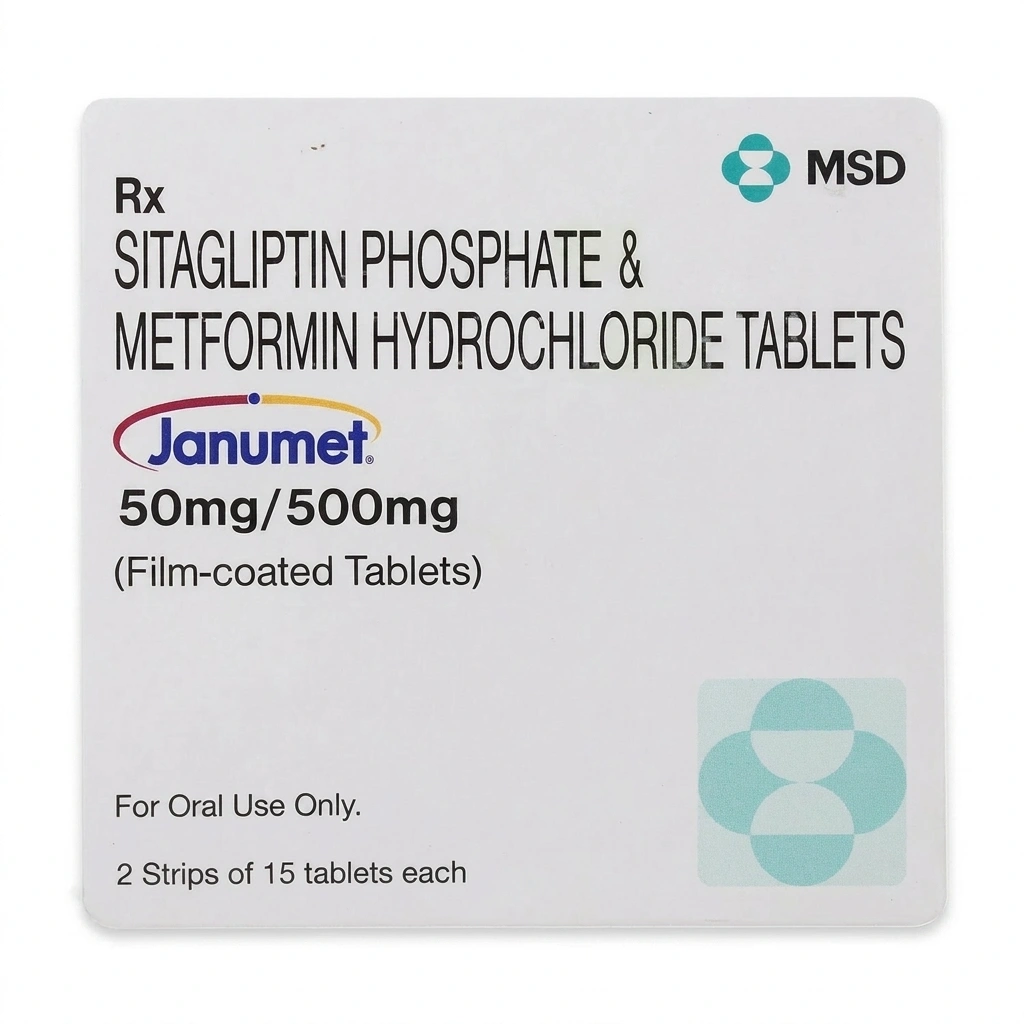
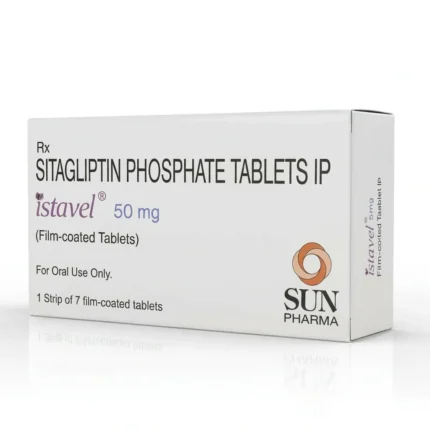
Sitagliptin Phosphate–Metformin Hydrochloride is a combination oral antidiabetic medicine used for the management of type 2 diabetes mellitus. It combines two active components:
- Sitagliptin (DPP-4 inhibitor): improves insulin release after meals and reduces glucagon secretion
- Metformin (biguanide): decreases liver glucose production and improves insulin sensitivity
Together, this combination provides stronger and more balanced blood sugar control compared to single-ingredient therapies.
Patients evaluating related diabetes treatments may also explore Saxagliptin as another DPP-4 inhibitor option under medical supervision.
Healthcare professionals frequently refer to American Diabetes Association – Diabetes Care Standards and NHS – Type 2 Diabetes Overview for updated diabetes management guidelines and medication safety information.
Mechanism of Action
Dual Glucose Control Pathway
Sitagliptin Phosphate–Metformin Hydrochloride works through two complementary mechanisms:
- Sitagliptin action: increases incretin hormone levels, improving insulin release when blood sugar is high
- Metformin action: reduces glucose production in the liver and improves insulin sensitivity in body tissues
Improved Post-Meal and Fasting Control
This dual action helps control both fasting and post-meal blood sugar levels more effectively.
Patients comparing therapies may also evaluate Saxagliptin for similar incretin-based glucose control support.
Approved Medical Uses
Type 2 Diabetes Mellitus
This combination is prescribed for adults with type 2 diabetes mellitus who require improved glycemic control when diet, exercise, or single medications are not sufficient.
Combination Therapy Support
It is often used when metformin alone does not provide adequate blood sugar control.
Dosage and Administration
Standard Dosage
Dosage is individualized by a healthcare provider based on blood glucose levels, kidney function, and treatment response. It is typically taken once or twice daily with meals to reduce stomach side effects.
Lifestyle Support
Healthy diet, physical activity, weight management, and regular glucose monitoring are essential for best results.
Missed Dose
If a dose is missed, it should be taken as soon as remembered unless it is near the next dose. Double dosing should be avoided.
Clinical Effectiveness
Sitagliptin Phosphate–Metformin Hydrochloride has been shown to significantly improve HbA1c levels and provide stable long-term glycemic control in patients with type 2 diabetes mellitus. The combination is effective in reducing both fasting and post-meal glucose levels.
Healthcare providers may also consider Saxagliptin-based therapies depending on patient response and tolerance.
Safety and Side Effects
Common Side Effects
- Nausea
- Diarrhea
- Abdominal discomfort
- Headache
- Upper respiratory symptoms
- Mild taste changes (from metformin)
Serious Risks
Lactic Acidosis (Metformin-related)
Rare but serious condition that requires immediate medical attention.
Pancreatitis Risk
DPP-4 inhibitors like sitagliptin have rare reports of pancreatitis.
Kidney Monitoring
Regular kidney function tests are important because metformin is cleared through the kidneys.
Healthcare professionals often refer to American Diabetes Association – Diabetes Care Standards and NHS – Type 2 Diabetes Overview for safety monitoring guidelines.
Contraindications and Precautions
This combination should be used carefully in patients with:
- Severe kidney disease
- Liver disease
- History of lactic acidosis
- Pancreatitis history
- Heart failure (requires monitoring)
- Pregnancy or breastfeeding (doctor supervision required)
Drug Interactions
Possible interactions include:
- Insulin
- Sulfonylureas (increased hypoglycemia risk)
- Alcohol (increases lactic acidosis risk with metformin)
- Certain contrast dyes used in imaging
Sitagliptin