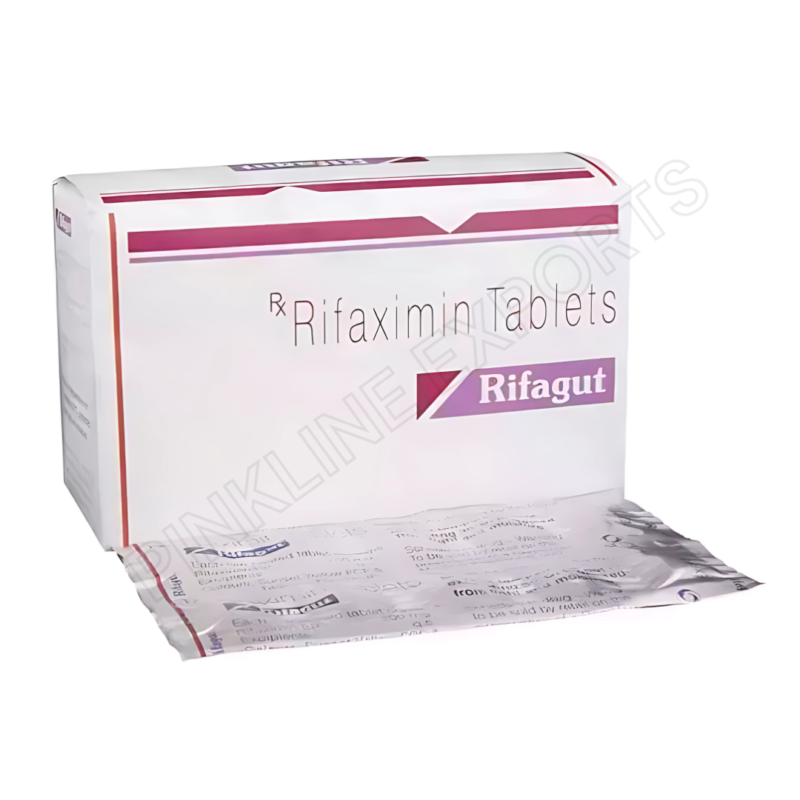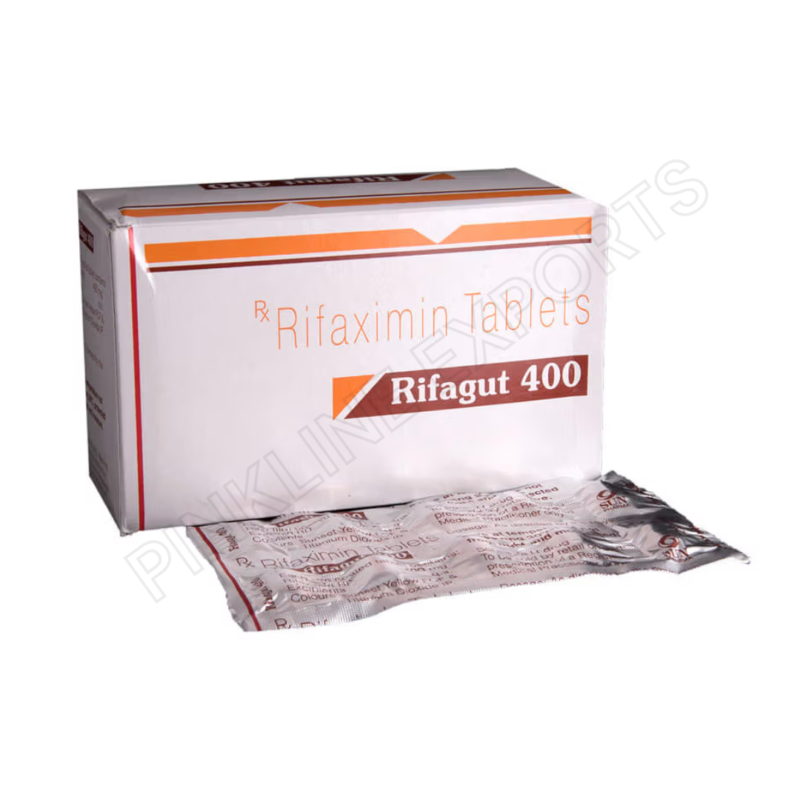

Rifaximin Tablets 400 Mg
Rifaximin Tablets 400 Mg Price range: $46.00 through $126.00
Back to products
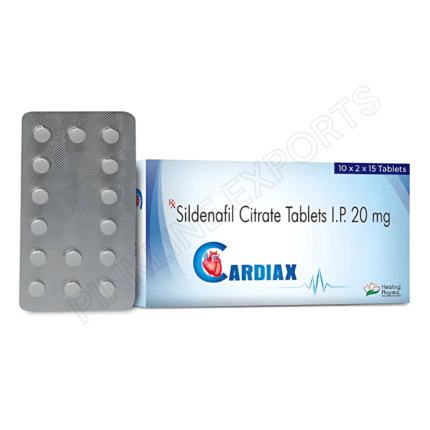
Sildenafil Citrate Tablets 20 mg
Sildenafil Citrate Tablets 20 Mg Price range: $28.50 through $72.00
Rifaximin Tablets 550 Mg

Price range: $48.00 through $132.00

SKU: N/A Category:

Description

Rifaximin Tablets 550 Mg

Rifaximin Tablets 550 Mg is an antibiotic used primarily for gastrointestinal conditions. It contains rifaximin, a non-absorbed antibiotic that works locally in the intestine to control bacterial overgrowth. It is commonly prescribed for conditions such as irritable bowel syndrome with diarrhea (IBS-D), traveler’s diarrhea, and hepatic encephalopathy. This higher strength is mainly used for long-term management of liver-related complications. In treatment plans, lower strengths like Rifaximin Tablets 400 Mg and Rifaximin Tablets 200 Mg are used depending on the condition and severity.


Mechanism of Action

Local Intestinal Action

Rifaximin works within the gut and is minimally absorbed into the bloodstream.

Bacterial Growth Inhibition

It inhibits bacterial RNA synthesis, reducing harmful gut bacteria. For clinical insights, refer to World Health Organization (WHO) and for safety guidance, consult Mayo Clinic – Rifaximin Information.


Medical Uses

Rifaximin Tablets 550 Mg is used for:

  • Irritable bowel syndrome with diarrhea (IBS-D)
  • Hepatic encephalopathy prevention
  • Traveler’s diarrhea caused by E. coli
  • Small intestinal bacterial overgrowth (SIBO)

It is widely used for targeted intestinal therapy.


Dosage and Administration

Rifaximin Tablets 550 Mg is taken orally as prescribed by a healthcare provider. The dosage and duration depend on the condition being treated. In clinical practice, Rifaximin Tablets 400 Mg and Rifaximin Tablets 200 Mg are used for different indications and dosing schedules.


Clinical Effectiveness

Clinical studies show that rifaximin effectively reduces symptoms of IBS-D, prevents recurrence of hepatic encephalopathy, and controls bacterial infections in the gut with minimal systemic side effects.


Safety and Side Effects

Common Side Effects

  • Nausea
  • Headache
  • Abdominal pain

Serious Risks

  • Allergic reactions (rare)
  • Severe diarrhea (rare)

Rifaximin is generally well-tolerated due to its minimal absorption. For more details, refer to Mayo Clinic – Rifaximin Information.


Contraindications and Precautions

Rifaximin Tablets 550 Mg should be used with caution in:

  • Patients with severe liver impairment
  • Individuals with known rifamycin allergy
  • Patients with persistent diarrhea not caused by bacteria

Consult a healthcare provider before use.


Drug Interactions

Rifaximin has minimal drug interactions due to low systemic absorption, but patients should still inform their healthcare provider about all medications they are taking. For further reading, refer to World Health Organization (WHO).

FAQs


1 What is Rifaximin 550 Mg used for?

Rifaximin 550 Mg is used to treat IBS with diarrhea and prevent recurrence of hepatic encephalopathy. It helps reduce symptoms like bloating, loose stools, and confusion related to liver disease. It works by controlling harmful gut bacteria and improving overall intestinal health and function in affected patients.

2 How does Rifaximin 550 Mg work?

Rifaximin works by inhibiting bacterial RNA synthesis, preventing bacteria from multiplying in the intestines. It acts locally in the gut, reducing toxin-producing bacteria. This helps improve symptoms in conditions like IBS-D and hepatic encephalopathy, with minimal absorption into the bloodstream and fewer systemic side effects.


3 How should Rifaximin 550 Mg be taken?

It should be taken orally as prescribed, usually twice daily depending on the condition. It can be taken with or without food. Completing the full course is important to ensure proper treatment, prevent recurrence, and maintain long-term symptom control in gastrointestinal and liver-related conditions.


4 Is Rifaximin 550 Mg safe?

Yes, it is generally safe when used as directed. Its minimal absorption reduces the risk of systemic side effects. However, patients with severe liver disease should use it under medical supervision. Regular follow-up ensures safe and effective use, especially for long-term conditions like hepatic encephalopathy.


5 What are the common side effects?

Common side effects include nausea, headache, dizziness, abdominal pain, and bloating. These are usually mild and temporary. Rarely, serious allergic reactions or persistent symptoms may occur. Patients should seek medical attention if side effects worsen or do not improve during treatment with this medication.

RELATED PRODUCTS