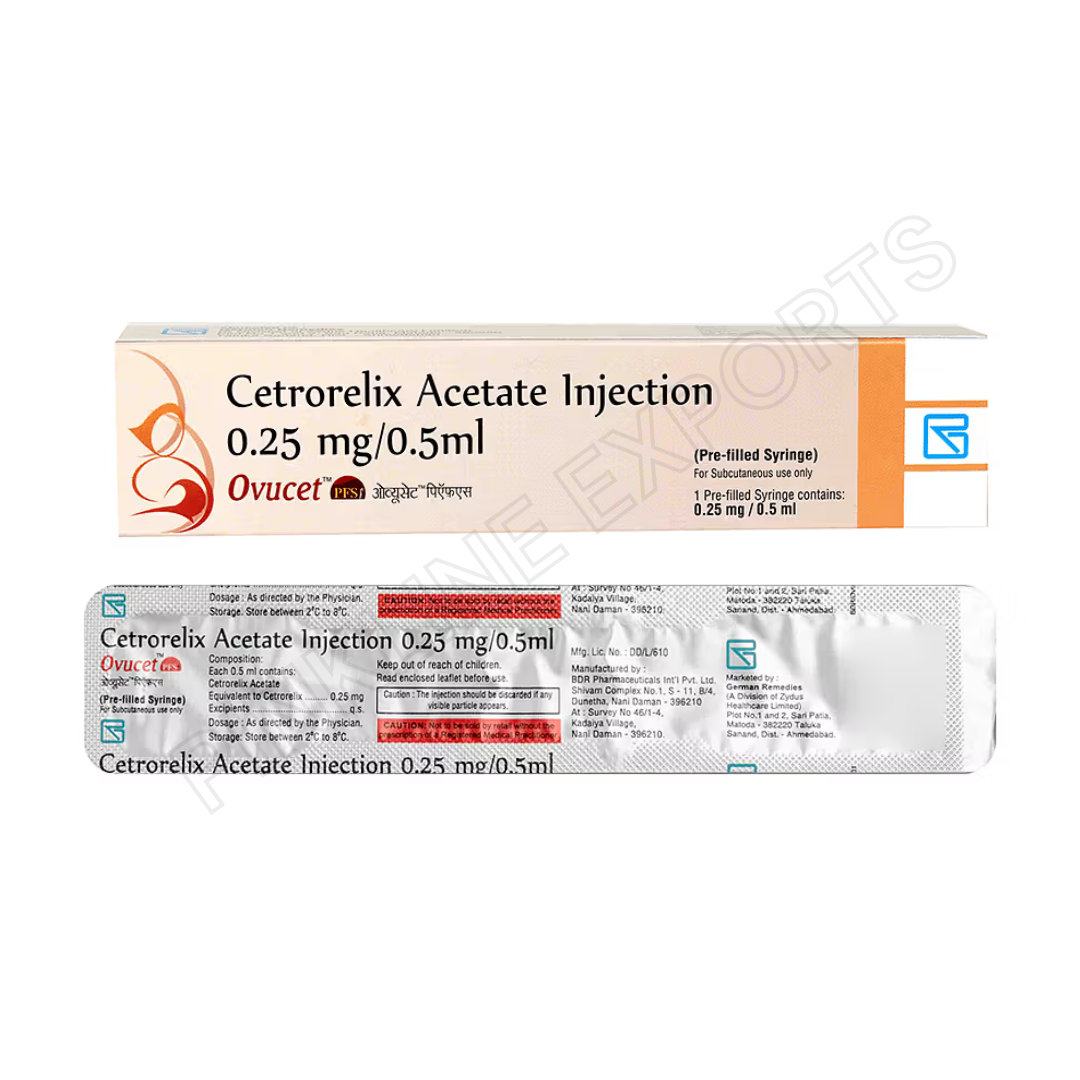
What Is Cetrorelix Injection?
Cetrorelix Injection is a fertility medication used in reproductive medicine to prevent premature ovulation during controlled ovarian stimulation. It belongs to a class of drugs known as GnRH antagonists, which block the natural hormonal signals responsible for triggering ovulation.
During assisted reproductive procedures such as IVF, doctors stimulate the ovaries to produce multiple eggs. Without hormonal control, the body may release eggs too early, reducing the chances of successful fertilization. Cetrorelix helps prevent this by temporarily suppressing luteinizing hormone (LH) release from the pituitary gland.
How Cetrorelix Injection Works
Cetrorelix acts by blocking the gonadotropin-releasing hormone (GnRH) receptors in the pituitary gland. These receptors normally stimulate the release of reproductive hormones such as luteinizing hormone (LH) and follicle-stimulating hormone (FSH).
By blocking these receptors, Cetrorelix:
• Prevents the sudden surge of luteinizing hormone
• Delays ovulation until the appropriate time
• Supports controlled ovarian stimulation protocols
• Improves the accuracy of egg retrieval timing
This controlled hormonal regulation helps reproductive specialists optimize IVF treatment cycles and increase the chances of successful fertilization.
Medical Uses of Cetrorelix Injection
Cetrorelix Injection is primarily used in fertility clinics and reproductive endocrinology treatments.
Assisted Reproductive Technology (ART)
The most common use of Cetrorelix Injection is in assisted reproductive technology procedures, particularly in vitro fertilization (IVF).
During IVF cycles, ovarian stimulation medications are used to encourage the development of multiple ovarian follicles. However, uncontrolled hormone signals may trigger premature ovulation.
Cetrorelix prevents this early ovulation, ensuring that eggs can be collected at the optimal time for fertilization.
Ovulation Control in Fertility Treatment
Controlling ovulation timing is a critical part of many fertility treatments. Cetrorelix allows reproductive specialists to maintain hormonal balance during ovarian stimulation and schedule egg retrieval procedures accurately.
Clinical research published by the National Institutes of Health (NIH) indicates that GnRH antagonists such as cetrorelix play a vital role in modern IVF treatment protocols.
Role in Hormonal and Reproductive Treatment Plans
Fertility treatments often involve multiple medications designed to regulate different hormones throughout the reproductive cycle.
For example, medications such as Cabergoline Tablets 0.5 Mg may be prescribed to treat elevated prolactin levels that can interfere with ovulation and fertility.
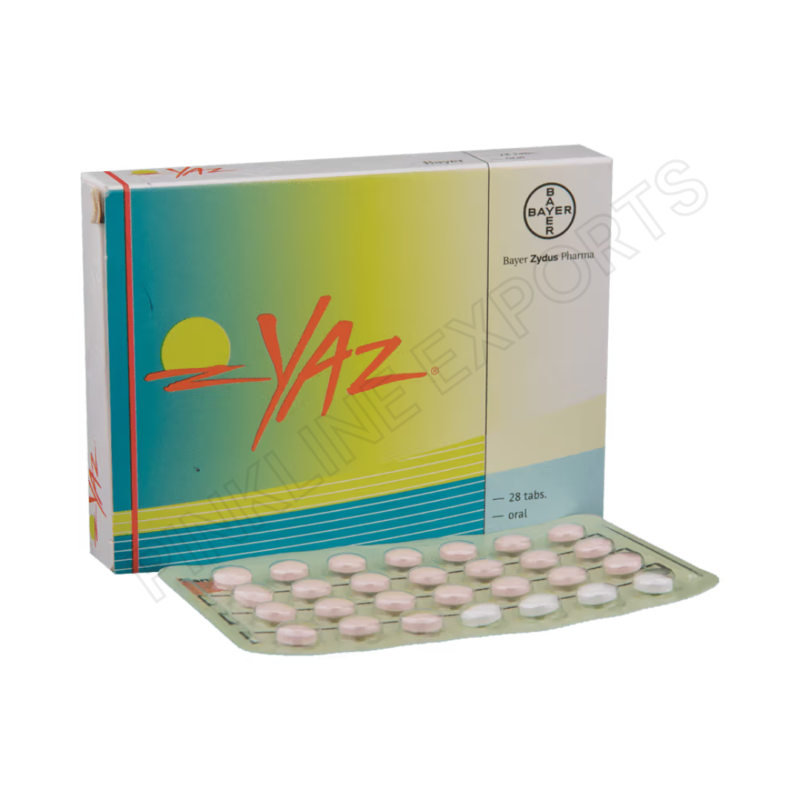
Similarly, hormonal contraceptive medications such as Cerazette Tablets – Desogestrel may be used in some treatment protocols to regulate menstrual cycles before initiating fertility therapy.
Reproductive endocrinologists carefully design treatment plans based on hormone levels, ovarian response, and individual fertility goals.
Dosage and Administration
Cetrorelix Injection is typically administered as a subcutaneous injection during controlled ovarian stimulation cycles.
General administration guidelines may include:
• Injection administered under medical supervision
• Usually started during the middle phase of ovarian stimulation
• Continued daily until the ovulation trigger medication is given
Exact dosage and timing depend on the fertility treatment protocol prescribed by a reproductive specialist.
Patients undergoing IVF or ART procedures will receive detailed instructions from their healthcare provider.
Safety Information
Before using Cetrorelix Injection, patients should inform their healthcare provider about their medical history, medications, and allergies.
This medication may not be suitable for individuals with:
• Known hypersensitivity to GnRH analogs
• Severe kidney disease
• Pregnancy or suspected pregnancy
• Certain hormone-sensitive medical conditions
Doctors will assess potential risks and benefits before prescribing the medication.
Possible Side Effects
Like many fertility medications, Cetrorelix Injection may cause side effects in some patients.
Common side effects may include:
• Injection site redness or irritation
• Mild abdominal discomfort
• Nausea
• Headache
• Temporary hormonal symptoms
Most side effects are mild and resolve without medical intervention.
Patients should seek medical attention if they experience severe allergic reactions, breathing difficulty, or severe abdominal pain.
Storage Instructions
To maintain the stability and effectiveness of the medication, proper storage is essential.
Recommended storage conditions include:
• Store in a cool and dry place
• Protect from direct sunlight
• Follow refrigeration guidelines if specified by the manufacturer
• Keep out of reach of children
FAQ’s