
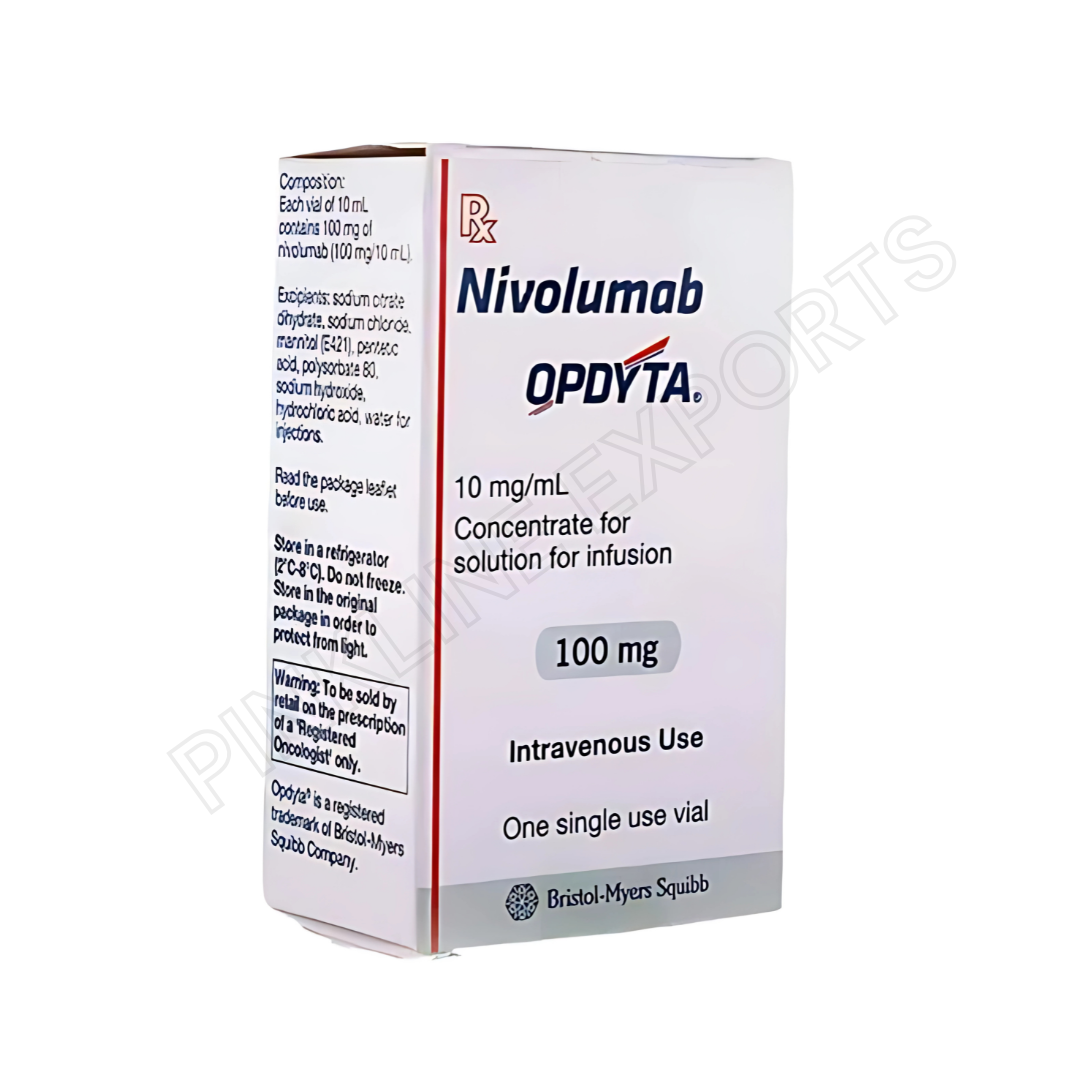
Opdyta 100 Mg
$1,200.00
Opdyta 100 Mg is an immunotherapy drug used to treat cancers like lung cancer by enhancing the body’s immune response against tumor cells.
Description
Opdyta 100 Mg
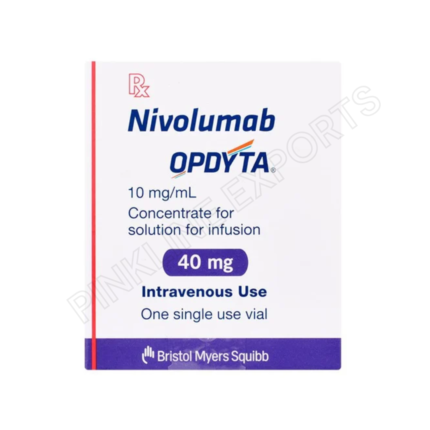
Opdyta 100 Mg is an advanced anticancer medication used in the treatment of various cancers, particularly non-small cell lung cancer (NSCLC). It belongs to the class of targeted therapies or immunotherapy agents that help the body’s immune system recognize and attack cancer cells more effectively. This medication plays a significant role in modern oncology by improving survival outcomes and slowing disease progression. In treatment strategies, lower strengths such as Opdyta 40 Mg may be used for dose adjustments, while targeted therapies like Tagrisso 80 Mg are commonly prescribed for specific genetic mutations in lung cancer.
Mechanism of Action
Immune System Activation
Opdyta 100 Mg works by enhancing the body’s immune response against cancer cells, allowing immune cells to better identify and destroy tumors.
Tumor Growth Inhibition
By modulating immune checkpoints, it prevents cancer cells from evading immune detection. For detailed clinical insights, refer to National Cancer Institute (NCI) and for safety information, consult Mayo Clinic – Immunotherapy Cancer Treatment Guide.
Medical Uses
Opdyta 100 Mg is used in:
- Non-small cell lung cancer (NSCLC)
- Other advanced or metastatic cancers (as prescribed)
It is often used alone or in combination with other anticancer therapies depending on the treatment plan.
Dosage and Administration
Opdyta 100 Mg is typically administered as per oncologist guidance, often as part of a scheduled treatment regimen. The exact dosage and frequency depend on the type and stage of cancer. In dose optimization, Opdyta 40 Mg may be used for adjustment, while targeted treatments such as Tagrisso 80 Mg are considered in patients with EGFR mutation-positive lung cancer.
Clinical Effectiveness
Clinical studies have shown that immunotherapy agents like Opdyta significantly improve survival rates and provide long-term disease control in certain cancers, particularly lung cancer. It is a key component of modern personalized cancer therapy.
Safety and Side Effects
Common Side Effects
- Fatigue
- Nausea
- Decreased appetite
- Rash
Serious Risks
- Immune-related adverse effects (lungs, liver, intestines)
- Inflammation of organs (pneumonitis, hepatitis)
- Severe allergic reactions
Regular monitoring is essential during treatment. For more safety details, refer to Mayo Clinic – Immunotherapy Cancer Treatment Guide.
Contraindications and Precautions
Opdyta 100 Mg should be used with caution in:
- Patients with autoimmune diseases
- Individuals with organ transplants
- Patients with severe infections
It should only be used under strict medical supervision.
Drug Interactions
Opdyta 100 Mg may interact with immunosuppressants and other anticancer therapies. Patients should inform their healthcare provider about all medications they are taking. For research-based insights, refer to National Cancer Institute (NCI).
FAQs
Opdyta 100 Mg is used to treat cancers such as non-small cell lung cancer. It helps the immune system recognize and attack cancer cells, improving survival and disease control. It is often used in advanced or metastatic cancer cases.
Opdyta 100 Mg works by enhancing immune system activity and blocking pathways that cancer cells use to evade detection. This allows immune cells to identify and destroy tumor cells more effectively.
Opdyta 100 Mg is effective but may cause immune-related side effects such as inflammation of organs. Regular monitoring is required to manage risks and ensure safe treatment.
Opdyta 100 Mg can interact with immunosuppressants and other cancer therapies. Patients should inform their doctor about all medications they are taking.
The duration of treatment depends on the patient’s condition and response. It is usually given as part of a long-term treatment plan under medical supervision.