
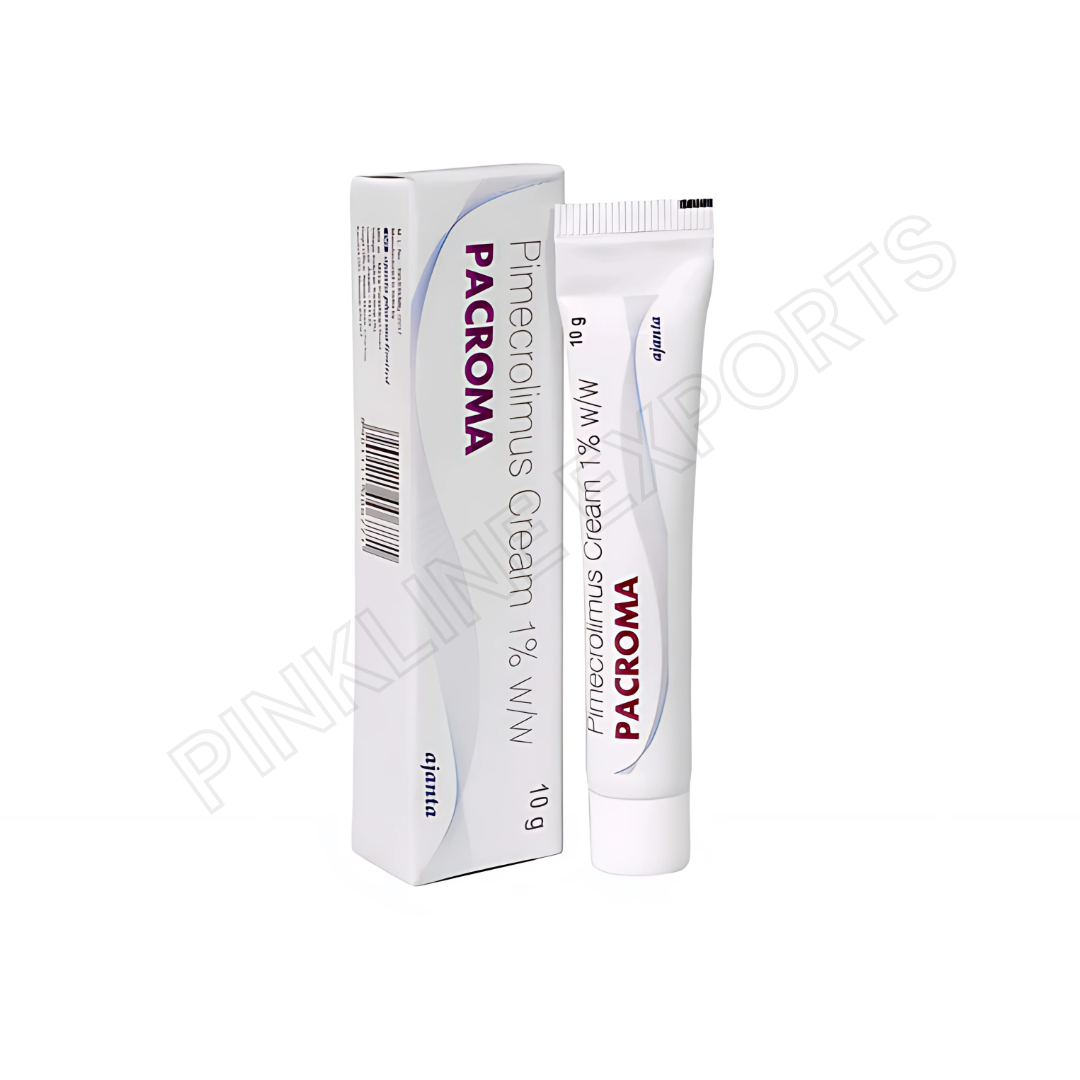
Pimecrolimus 1%
$28.00 – $75.00Price range: $28.00 through $75.00
Pimecrolimus 1% is a topical immunomodulator used for the treatment of mild to moderate atopic dermatitis (eczema). It helps reduce skin inflammation, itching, and redness without the side effects commonly associated with long-term steroid use. It is often prescribed for sensitive areas like the face and neck where steroids may not be suitable.
Description
Pimecrolimus 1%
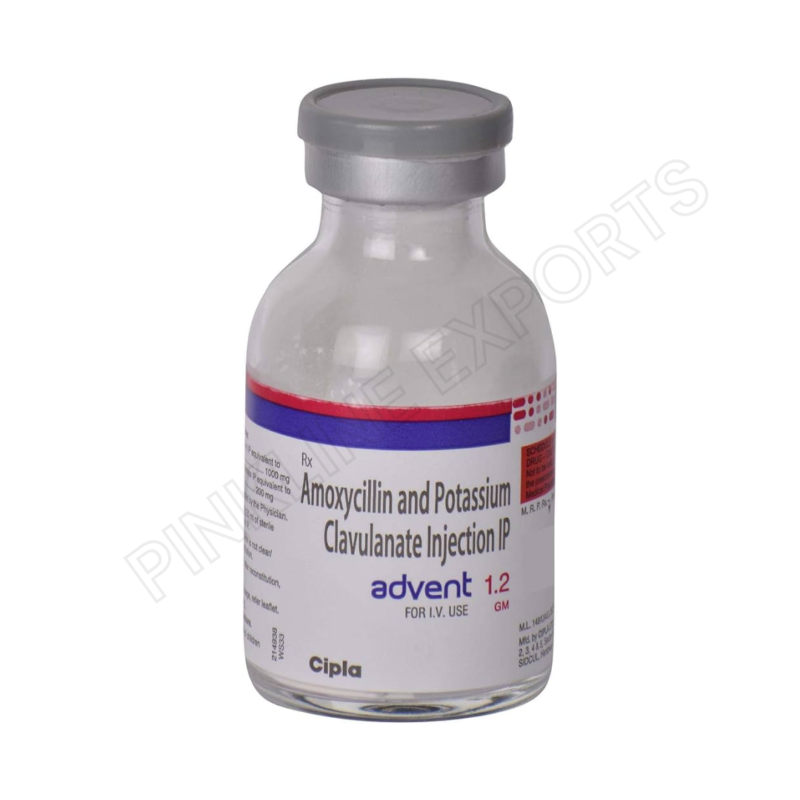
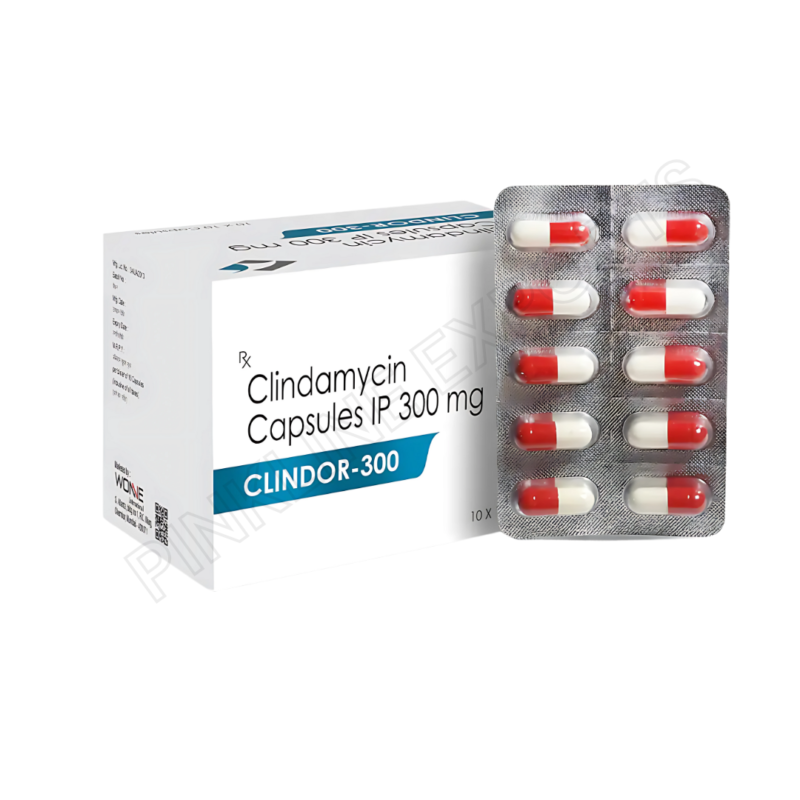
Pimecrolimus 1% is a topical immunomodulator used for the treatment of inflammatory skin conditions, especially mild to moderate atopic dermatitis (eczema). It belongs to the class of calcineurin inhibitors and works by reducing inflammation and immune responses in the skin. This cream is commonly prescribed when corticosteroids are not suitable or for sensitive areas like the face and neck. In treatment plans, antibiotics like Clindamycin Capsules 300 Mg – Cleocin may be used if infection is present, while systemic options such as Augmine 1000 Mg may be prescribed in severe bacterial conditions.
Mechanism of Action
Immune Modulation
Pimecrolimus inhibits calcineurin, reducing the activity of T-cells and inflammatory cytokines.
Anti-Inflammatory Effect
It helps reduce redness, itching, and swelling associated with eczema. For clinical insights, refer to American Academy of Dermatology (AAD) and for safety guidance, consult Mayo Clinic – Pimecrolimus Information.
Medical Uses
Pimecrolimus 1% is used for:
- Atopic dermatitis (eczema)
- Skin inflammation
- Itching and redness control
- Sensitive skin areas treatment
It is especially useful for long-term management without steroid-related side effects.
Dosage and Administration
Pimecrolimus 1% is applied as a thin layer to the affected area twice daily or as directed by a healthcare provider. It should not be applied to infected skin unless advised. In clinical practice, Clindamycin Capsules 300 Mg – Cleocin may be used if bacterial infection is present, while Augmine 1000 Mg may be prescribed for systemic infections.
Clinical Effectiveness
Clinical studies show that pimecrolimus effectively reduces symptoms of eczema, including itching and inflammation, and helps prevent flare-ups when used regularly.
Safety and Side Effects
Common Side Effects
- Burning sensation at application site
- Mild irritation
- Redness
Serious Risks
- Skin infections
- Rare risk of lymphoma (long-term use concern)
Use under medical supervision is recommended. For more details, refer to Mayo Clinic – Pimecrolimus Information.
Contraindications and Precautions
Pimecrolimus 1% should not be used in:
- Patients with weakened immune systems
- Infected skin areas without treatment
- Children under 2 years (unless prescribed)
Avoid excessive sun exposure during use.
Drug Interactions
Topical pimecrolimus has minimal systemic interactions, but patients should inform their healthcare provider about all medications they are using. For further reading, refer to American Academy of Dermatology (AAD).
Pimecrolimus 1% is used to treat mild to moderate eczema (atopic dermatitis). It helps reduce itching, redness, and inflammation of the skin. It is especially useful for sensitive areas like the face and neck where long-term use of steroid creams may not be recommended or suitable.
It works by inhibiting calcineurin, which reduces the activity of immune cells responsible for inflammation. This helps decrease redness, swelling, and itching. Unlike steroids, it does not thin the skin, making it suitable for long-term use under medical supervision for managing chronic skin conditions.
It should be applied as a thin layer to the affected skin areas twice daily or as prescribed. The skin should be clean and dry before application. Avoid covering the area with tight dressings unless advised by a doctor, and wash hands after applying the medication.
Yes, it is generally safe when used as directed. It is a non-steroidal treatment, making it suitable for long-term use. Some patients may experience mild burning or irritation at the application site, which usually improves with continued use under proper medical supervision.
Common side effects include a mild burning sensation, redness, or irritation at the application site. These effects are usually temporary and decrease with continued use. Rarely, skin infections or allergic reactions may occur, and medical advice should be sought if symptoms worsen or persist.